
Modern pin light designs that work best for ceilings in Filipino homes are those that align with the structural limits of the ceiling, the tropical climate, and the specific visual goals of each room. In contemporary Philippine architecture, homes often feature a mix of concrete slab ceilings and suspended gypsum or PVC drop ceilings. Selecting the ideal pin light—whether it is a sleek recessed spotlight, a minimalist surface-mounted cylinder, or a flexible track light system—requires balancing these physical realities with design preferences like anti-glare features and clean finishes. Rather than relying on a single universal fixture, the right choice depends on your ceiling type, interior design theme, and specific room functions. By evaluating form factors, finishes, and technical specifications, you can build a tailored shortlist of spotlights and track lights that enhance your space while meeting safety and installation requirements.
Comparing Pin Light Form Factors for Your Ceiling Type
Recessed pin lights, often referred to as downlights, sit flush with the ceiling surface to create a clean, unobstructed plane. This form factor is highly suited for modern minimalist interiors but requires a hollow cavity behind the ceiling board to house the fixture’s body and driver. In many Filipino homes, drop ceilings made of gypsum board, fiber cement board, or PVC panels are constructed specifically to hide utility pipes, electrical conduits, and structural concrete beams. These hollow spaces provide the necessary depth to accommodate recessed fixtures, allowing them to blend seamlessly into the architecture.
Surface-mounted pin lights, by contrast, feature a cylindrical or box-like housing that bolts directly onto the ceiling surface. This style is an excellent choice for solid concrete slab ceilings, which are common in ground floors of two-story Filipino residences or high-rise condominiums. Because drilling deep recesses into structural concrete is unsafe and structurally impractical, surface-mounted fixtures allow you to achieve a modern spotlight effect without compromising the building’s integrity. They also serve as a distinct design element, adding visual texture and depth to the ceiling plane.
Products mentioned in this guide
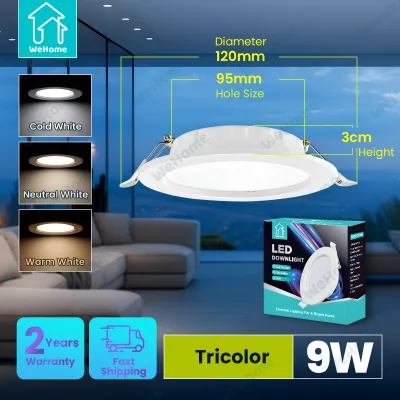
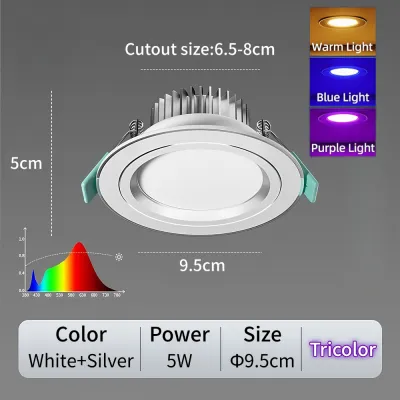
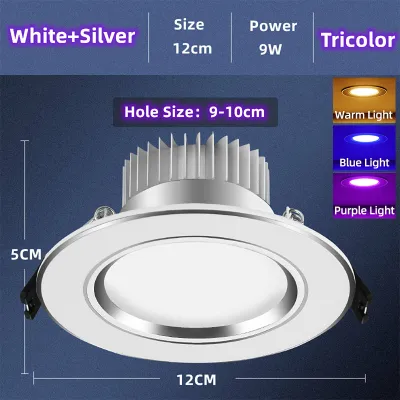
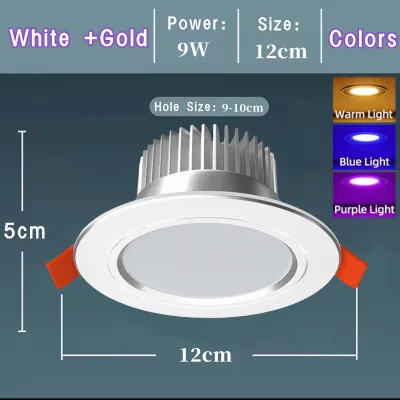
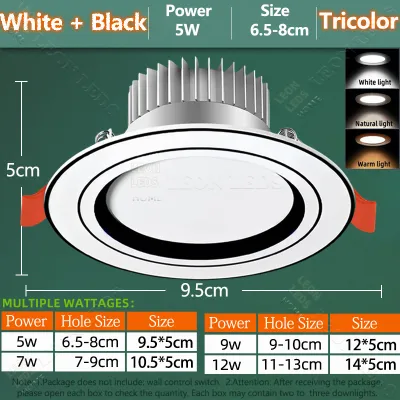
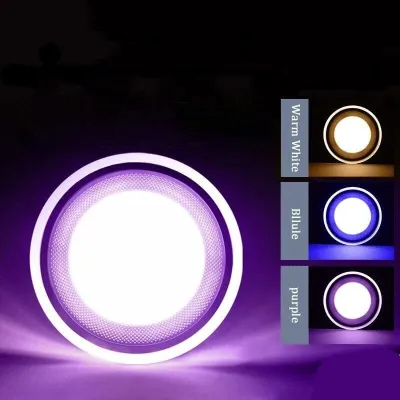
Prices are valid at publication and may change. Please refer to the product page for the latest price.
Track-mounted pin lights offer the highest level of flexibility, featuring adjustable spotlight heads attached to a linear track. This setup is ideal for retrofitting projects where you want to avoid tearing down existing plasterboard or running multiple new wire lines through the ceiling. A single electrical junction box can power an entire track run, allowing you to slide, aim, and add fixtures as your furniture layout changes. This adaptability makes track lighting a popular choice for open-plan living areas, art galleries, and home offices.
The stage of your renovation or construction project heavily dictates which form factor is most viable. Planning for recessed pin lights must occur early in the design phase, as the framing of the drop ceiling must accommodate the layout of the light fixtures to avoid structural studs. If you are retrofitting an existing space without undergoing a major overhaul, surface-mounted cylinders or track systems offer a much faster, less invasive installation process that minimizes dust and structural disruption.
Selecting Modern Finishes and Anti-Glare Designs
Modern lighting design prioritizes visual comfort, moving away from older, high-glare pin lights that expose the bare bulb directly to your eyes. Trimless or frameless recessed pin lights are a growing trend in contemporary homes, plastering seamlessly into the ceiling to eliminate the visible outer ring. Deep-recessed designs place the light source several centimeters back within the fixture housing, hiding the glare from normal viewing angles and creating a soft, sophisticated glow. These anti-glare designs are particularly beneficial in areas where you spend time looking upward, such as bedrooms or living room lounges.

The choice of fixture finish should complement both your ceiling color and the overall interior palette. Crisp white finishes remain a classic choice for blending seamlessly into standard white-painted ceilings, making the fixtures virtually disappear when turned off. For a bolder, architectural look, matte black fixtures provide a striking contrast against light ceilings, drawing the eye upward and framing the space. Brushed nickel, satin brass, or subtle metallic accents can introduce a touch of warmth and luxury, coordinating with cabinet hardware or plumbing fixtures in the room.
Understanding beam angles is crucial for achieving the desired spatial effect and highlighting architectural features. Narrow beam angles, typically ranging from 15 to 24 degrees, create concentrated pools of light that are perfect for highlighting artwork, accent walls, or dining table centerpieces. Wide beam angles, usually between 36 and 60 degrees, distribute light more evenly across a larger surface area, making them better suited for general ambient illumination in open-plan living areas. Selecting the right beam angle allows you to sculpt the light to match the room’s design.
Essential Technical and Safety Checks Before Installation
Before purchasing any lighting fixtures, verifying electrical compatibility is paramount to ensure safety and longevity. The standard residential voltage in the Philippines is typically 220V to 230V at 60Hz. You must ensure that any imported or locally sourced pin lights are rated for this specific voltage and frequency to prevent electrical hazards or immediate driver failure. Always check for recognized electrical safety certifications on the product packaging or manufacturer specification sheets rather than assuming compatibility based on the product category.
Heat dissipation is a critical factor that is often overlooked in enclosed ceiling cavities. Although LED pin lights are highly efficient, they still generate heat at the base of the diode, which must be dissipated to prevent premature failure. When installing recessed fixtures in tight ceiling plenums, ensure there is adequate clearance around the fixture housing as specified by the manufacturer. Never cover non-IC (Insulation Contact) rated fixtures with thermal insulation material, as this can trap heat and create a serious fire hazard.
Moisture protection is another essential consideration, particularly in tropical climates with high relative humidity. For wet or damp areas such as bathrooms, kitchens, covered outdoor patios, or roof eaves, you must select pin lights with an appropriate Ingress Protection (IP) rating. An IP44 rating is generally sufficient for damp indoor areas like bathrooms, protecting against splashing water, while outdoor eaves exposed to wind-driven rain may require an IP65 rating to prevent moisture ingress and electrical short circuits.
While some basic fixture replacements can be handled as DIY projects, complex installations require professional expertise. Any work involving fixed wiring, structural modifications to ceiling joists, working at significant heights, or integrating complex dimming systems should be handled by a licensed electrician. Always isolate the power supply at the main circuit breaker before attempting any installation or maintenance work, and strictly follow the manufacturer’s installation instructions to maintain product warranties and ensure home safety.
Matching Light Profiles to Room Functions
A successful lighting scheme relies on layering different types of light to suit how each room is used throughout the day. In living and dining areas, adjustable spotlights allow you to direct light precisely where it is needed, such as onto a gallery wall, a decorative console, or the center of the dining table. Combining these directional pin lights with dimmable ambient lighting allows you to transition the space from a bright, functional family room to an intimate setting for evening entertaining.
For bedrooms, the primary goal is to create a calm, restful environment that supports healthy sleep patterns. Low-glare, deep-recessed pin lights are highly recommended here, as they prevent harsh light from shining directly into your eyes when you are lying in bed. Selecting warmer color temperatures, such as 2700K or 3000K, mimics the natural progression of sunset, helping your body wind down at the end of the day. These warmer tones also enhance the natural wood finishes often found in modern Filipino bedroom furniture.
In highly functional spaces like kitchens, home offices, and reading nooks, focused task lighting is essential for safety and productivity. Pin lights installed over kitchen countertops or work desks should feature a high Color Rendering Index (CRI) of 90 or above. A high CRI ensures that colors are represented accurately, which is particularly helpful when preparing food, matching materials, or working on detailed crafts. Position these fixtures carefully to avoid casting shadows over your workspace.
Building Your Shortlist: Verification and Purchasing Steps
To avoid costly mistakes, always cross-reference the manufacturer’s cut-out dimensions and depth requirements with your actual ceiling measurements before placing an order. Use a tape measure to verify the available clearance in your ceiling cavity, taking into account any structural wooden joists or metal furrings that might block the installation. It is far easier to adjust your fixture selection on paper than to patch and recut gypsum board after the holes have already been made.
If you plan to use dimmable pin lights, verify the compatibility between the LED driver and the dimmer switch. Not all LED fixtures are dimmable, and using an incompatible phase-cut or triac dimmer can lead to annoying flickering, buzzing, or poor dimming performance. If you are integrating your lighting into a smart home system, check whether the fixtures require a specific hub, protocol (such as Zigbee or Wi-Fi), or dedicated smart dimmers to function correctly.
Finally, evaluate the warranty terms, return policies, and after-sales support offered by your chosen lighting supplier or official brand store. Reliable suppliers should offer a clear warranty period on both the LED chip and the driver, as these are the components most susceptible to voltage fluctuations. Purchasing from reputable local distributors or official online brand stores ensures you have access to replacement parts or exchanges if a fixture fails prematurely, giving you peace of mind for your home investment.
Frequently Asked Questions (FAQ)
Can I install recessed pin lights in a concrete ceiling?
Directly carving deep recesses into a solid concrete ceiling slab is generally unsafe and highly impractical, as it can compromise the structural reinforcement bars within the concrete. If you have a solid concrete ceiling, the most practical and modern alternative is to use surface-mounted cylindrical spotlights or a track lighting system. These options mount directly to the surface of the concrete using standard anchors, providing a contemporary aesthetic without requiring destructive structural modifications.
What is the ideal color temperature for modern home interiors?
The ideal color temperature depends on the function of the room and your personal preference, but a general guideline is to use warm white (2700K to 3000K) for cozy living areas and bedrooms, and neutral white (4000K) for task-oriented spaces like kitchens and bathrooms. Cool daylight (6000K to 6500K) is highly functional but can feel clinical in residential living spaces. To maintain visual harmony, try to keep color temperatures consistent within open-plan areas, avoiding clashing light colors in adjacent spaces.
Community discussion
Share your experience or ask a question. Comments are reviewed before publication.