
Balancing the cozy charm of an outdoor sanctuary with the practical need for automated illumination is a common challenge for condominium dwellers. When selecting a motion sensor outdoor light for a condo balcony, the goal is to find a fixture that transitions seamlessly from a soft, warm glow to helpful visibility when you step outside. Unlike wide-open suburban backyards, a compact balcony demands precise sensor control, gentle illumination that does not disturb your neighbors, and a mounting method that complies with strict building regulations. By focusing on adjustable settings, weather-resistant designs, and non-invasive installation methods, you can create an inviting outdoor retreat that responds intelligently to your presence.
Key Features to Evaluate for Small Balconies
To achieve the perfect balance between a relaxing evening atmosphere and functional safety, you must carefully evaluate the technical specifications of any potential light fixture. The first critical factor is color temperature, measured in Kelvins (K). For an ambient, relaxing environment, look for fixtures that emit a warm white light, typically between 2200K and 2700K. This range mimics the soft glow of candlelight or traditional incandescent bulbs, which is much more soothing for a small space than the harsh, blue-toned light of 5000K security floodlights.
Lumen output is equally important when lighting a compact balcony. While a driveway security light might require 1,000 lumens or more, a condo balcony generally needs only 100 to 300 lumens to provide adequate visibility without causing discomfort. Look for fixtures that offer dimming capabilities or dual-brightness modes, where the light remains at a low, decorative glow until motion triggers a temporary shift to full brightness.
Products mentioned in this guide
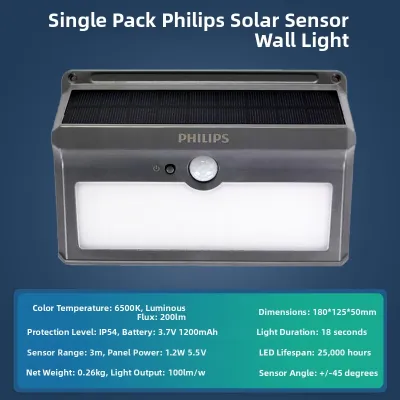
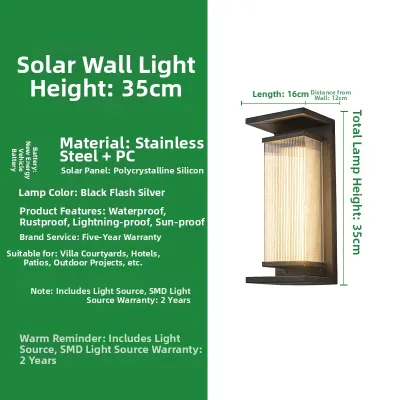
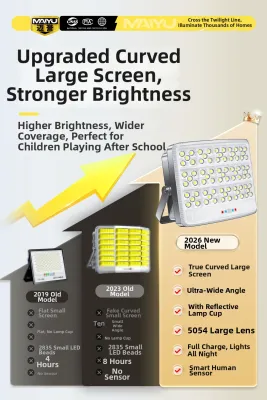
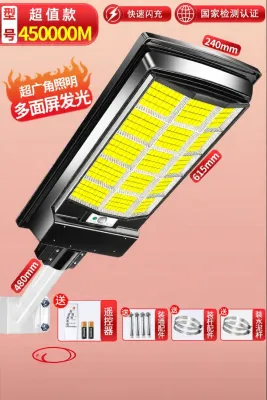
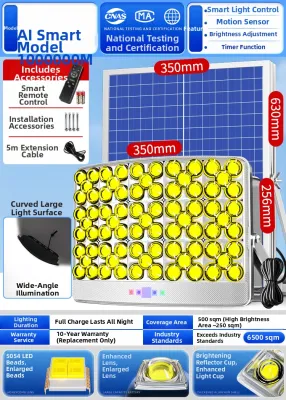
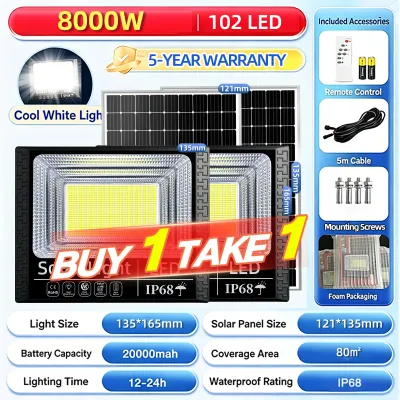
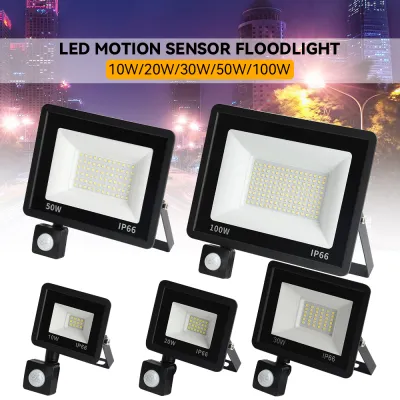
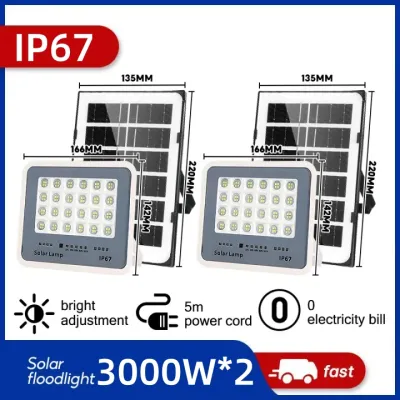
Prices are valid at publication and may change. Please refer to the product page for the latest price.
Sensor sensitivity and detection angles require careful calibration in high-density residential buildings. A standard motion sensor often features a wide 120-degree to 180-degree detection angle with a range of up to 10 meters, which can easily detect movement from neighboring balconies or common walkways. To prevent constant, disruptive false triggers, prioritize fixtures with adjustable sensitivity dials, customizable detection ranges, or physical shutters that allow you to narrow the sensor’s field of view to your specific balcony floor.
Evaluating the power source is another essential step that depends heavily on your balcony’s layout and exposure. Solar-powered fixtures offer excellent convenience and zero operating costs, but they require several hours of direct tropical sunlight daily to charge effectively. If your balcony is deeply recessed, north-facing, or heavily shaded by upper floors, battery-operated or plug-in models are far more reliable. Battery-powered units provide clean, wire-free installation but require periodic battery replacements or recharging, while plug-in models offer continuous power but require a safe, weather-protected outdoor electrical outlet.
Matching Light Types to Your Balcony Layout
The physical structure of your balcony and the specific rules of your condominium association will largely dictate the form factor of the lighting fixtures you can install. Selecting the right design ensures the light integrates naturally into your space without violating tenancy agreements.

Wall-Mounted and Railing Fixtures
Wall-mounted and railing-mounted fixtures are excellent space-saving solutions that keep your balcony floor completely clear for furniture and plants. If your condo association prohibits drilling into the exterior building envelope—which is highly common to preserve waterproofing layers—you must look for non-destructive mounting alternatives. Heavy-duty, weather-resistant adhesive strips or specialized clamp-on brackets designed for metal or glass railings can secure lightweight fixtures without causing permanent damage. Always check the manufacturer’s specified weight limits for these mounting accessories to prevent fixtures from falling during high winds.
When positioning wall or railing lights, directional control is vital for maintaining good neighbor relations. Choose fixtures with downward-facing designs, integrated hoods, or adjustable louvers that direct the light beam toward your balcony floor rather than outward or upward. This shielding prevents light pollution from spilling directly into adjacent units or casting an annoying glare into your neighbors’ windows, ensuring your ambient setup remains a private luxury.
Freestanding and Floor Lamps
For balconies where wall mounting of any kind is restricted, freestanding floor lamps or tabletop lanterns equipped with motion sensors offer an elegant, portable alternative. Because high-rise balconies are frequently subjected to sudden, strong wind gusts—especially during the tropical monsoon season—base stability is a paramount safety consideration. Look for floor lamps with heavy, weighted bases, or plan to secure the base using decorative planters or sandbags to prevent the fixture from tipping over.
If you choose a plug-in freestanding lamp, meticulous cord management is necessary to eliminate tripping hazards and protect the electrical system. Route all cables along the baseboards or wall edges using outdoor-rated, UV-resistant cable clips, and ensure the cord does not cross high-traffic walking paths. Additionally, verify that the entire base assembly, including any integrated switches or battery compartments, features robust weather sealing to withstand pooling water on the balcony floor during heavy downpours.
Installation and Safety Checks for Condo Dwellers
Before purchasing or installing any outdoor lighting system, you must conduct a thorough review of your condominium’s house rules and safety guidelines. Most property management offices enforce strict regulations regarding the building’s exterior facade to maintain a uniform aesthetic and protect the structural integrity of the property. Review your tenant handbook or consult the building administration to confirm what types of fixtures are permitted, whether drilling into exterior walls is strictly banned, and if there are specific quiet hours or light-spill policies you must observe.
Electrical safety in outdoor environments is non-negotiable, particularly in tropical climates prone to high humidity, intense heat, and torrential rain. Always check the product label or specifications for an Ingress Protection (IP) rating, which indicates how well the fixture resists dust and moisture. For a covered balcony that receives occasional wind-driven rain, a minimum rating of IP44 is required to protect against splashing water. If the fixture will be completely exposed to the elements on an open balcony or railing, prioritize a rating of IP65 or higher, which ensures the housing is dust-tight and protected against water jets.
When dealing with electrical connections, understand the clear boundaries of safe DIY installation. If you are using plug-in fixtures, they must be connected to a Ground Fault Circuit Interrupter (GFCI) outlet equipped with a weatherproof, in-use cover that keeps the plug dry even when in use. Never use standard indoor extension cords outdoors; only utilize heavy-duty cords explicitly labeled for outdoor use. If your chosen lighting setup requires hardwiring into the building’s electrical system, or if you need to install a new outdoor outlet, always stop and hire a qualified, licensed electrician to perform the work safely and in compliance with local electrical codes.
Building Your Conditional Shortlist
When searching for the ideal motion sensor light on online marketplaces or at local home improvement centers, having a structured evaluation framework will help you filter out unsuitable products. Start by establishing a realistic budget range. High-quality, durable outdoor motion sensor lights typically range from ₱800 to ₱3,500, depending on the power source, materials, and smart features. While budget-friendly options exist, investing slightly more in fixtures with robust weatherproofing and adjustable sensors will save you money on premature replacements.
To find fixtures that prioritize atmosphere over intense security, refine your search terms carefully. Avoid generic terms like “outdoor security light,” which will primarily return high-intensity, cold-white floodlights designed for commercial properties or large driveways. Instead, use targeted search phrases such as “ambient motion sensor wall light,” “warm white outdoor sensor lantern,” or “decorative step light with motion sensor.” These terms are more likely to surface fixtures designed with soft, diffused lenses and lower lumen outputs suitable for cozy spaces.
As you evaluate potential candidates, scrutinize customer reviews for critical red flags that indicate poor long-term performance. Pay close attention to feedback regarding sensor latency; a light that takes several seconds to register movement is frustrating and impractical. Look for complaints about inaccurate brightness claims, rapid battery drain in cordless models, or housing materials that degrade, rust, or yellow quickly under intense tropical sun exposure. A reliable product should have consistent positive feedback regarding its weather seal integrity and the responsiveness of its motion detection.
Maintenance and Sensor Troubleshooting
Regular maintenance is essential to keep your balcony motion sensor lights operating at peak efficiency and to extend their overall lifespan. Over time, outdoor fixtures accumulate a layer of dust, pollen, salt residue, and grime that can significantly degrade their performance. Once a month, gently wipe down the motion sensor lens with a soft, damp microfiber cloth to ensure dust does not block the infrared receiver. If you are using solar-powered lights, keep the solar panels free of debris and water spots, as even a thin layer of dirt can drastically reduce their charging efficiency and shorten the light’s nightly runtime.
False triggers are a common annoyance in compact balcony settings, but they can usually be resolved with systematic troubleshooting. If your light turns on repeatedly when no one is on the balcony, check for nearby sources of thermal movement, such as the hot exhaust from an air conditioning condenser unit, wind-blown potted plants, or hanging laundry. Repositioning the light slightly away from these heat and motion sources, or adjusting the sensor’s physical angle downward, can quickly eliminate these unnecessary activations.
For cordless, battery-operated models, establishing a proper battery care routine will prevent premature failure. If your light uses rechargeable batteries, ensure they undergo complete charging cycles according to the manufacturer’s instructions, and avoid letting them drain completely to zero on a regular basis. Watch for warning signs of battery degradation, such as a noticeably dimmer light output, a significantly shorter operational duration after a full charge, or physical swelling of the battery casing. Replace worn-out batteries promptly with high-quality, matching replacements to maintain the safety and reliability of your ambient lighting setup.
Frequently Asked Questions (FAQ)
Can I use indoor motion sensor lights on a covered balcony?
No, you should never use indoor-rated motion sensor lights on a balcony, even if the space is fully covered and protected from direct rain. Indoor fixtures are not engineered to withstand the constant humidity, extreme temperature fluctuations, and airborne dust present in outdoor environments. Over time, moisture from the air will penetrate the unsealed housing of an indoor light, leading to corroded electrical contacts, short circuits, and potential fire hazards. Always verify that any light fixture placed outside the primary building envelope carries an official outdoor rating and a suitable IP rating on its product label to ensure safe, long-term operation.
How do I stop the light from turning on when my neighbor walks by?
To prevent your motion sensor light from triggering when neighbors pass by on adjacent balconies or walkways, you need to restrict the sensor’s field of view. Start by physically pivoting or tilting the fixture downward so the detection zone is focused strictly on your balcony floor rather than outward into common areas. If your fixture does not have an adjustable pivot, you can apply a small piece of opaque, weather-resistant tape or a custom plastic shield over a portion of the sensor lens to block detection from specific angles. Additionally, if your model features a sensitivity dial, turn it down gradually until the sensor only responds to movement within your immediate balcony boundaries.

Community discussion
Share your experience or ask a question. Comments are reviewed before publication.