
Native Filipino Christmas decorations bring a unique warmth, texture, and cultural depth to holiday displays. At the heart of these festive ornaments are natural, indigenous materials that have been harvested and crafted by hand for generations. From the iconic, glowing holiday lantern known as the parol to delicate tabletop accents, these items rely on organic elements to create a welcoming, festive atmosphere.
Understanding the specific characteristics of materials like capiz shells, bamboo, buri palm, and abaca is essential for selecting authentic pieces. Each material offers distinct visual qualities, structural properties, and light-diffusing capabilities. By learning how to identify, evaluate, and care for these traditional materials, you can make informed purchasing decisions that support local craftsmanship while ensuring your holiday decor remains beautiful and safe for years to come.
Identifying Traditional Materials in Native Christmas Decor
Recognizing the visual and tactile features of authentic natural materials helps you appreciate their craftsmanship and distinguish them from synthetic alternatives. Capiz shells, harvested from the windowpane oyster, are perhaps the most famous material used in traditional holiday decor. These shells are naturally translucent, offering a delicate, pearlescent sheen that diffuses light into a soft, warm glow. When touched, genuine capiz feels cool, smooth, and slightly rigid, with subtle organic lines running through each pane.
Products mentioned in this guide
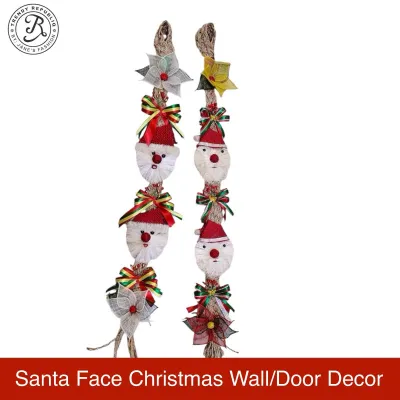
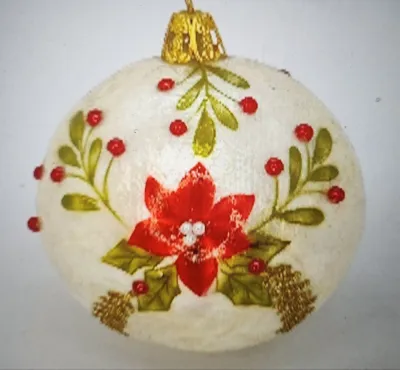
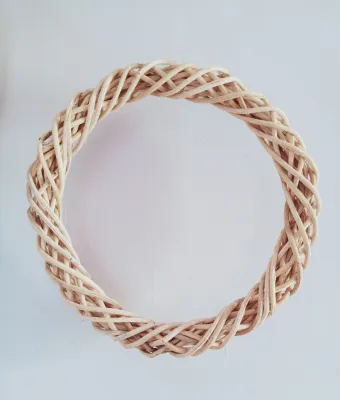
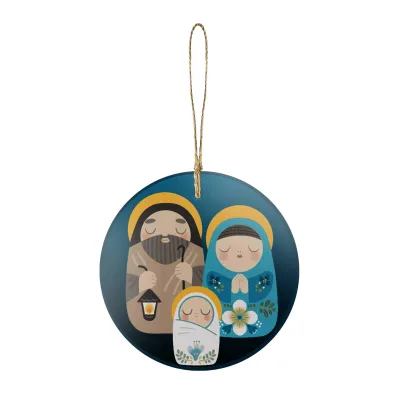
Prices are valid at publication and may change. Please refer to the product page for the latest price.
Bamboo serves as the structural foundation for many native decorations, particularly the framework of traditional parols. It is highly valued for its exceptional strength, flexibility, and lightweight nature. Visually, authentic bamboo displays natural grain patterns, nodes, and slight color variations ranging from pale green to deep tan or brown. Tactilely, it is firm and fibrous, providing a resilient skeleton that can support intricate woven designs without warping under normal indoor conditions.
Buri palm leaves are processed into fine, flexible strips used for intricate weaving. This material is highly versatile and can be left in its natural light-beige state or dyed in vibrant festive colors. Buri decorations, such as woven stars, angels, and background panels, have a distinct matte finish and a slightly textured, straw-like feel. The tight, hand-woven patterns create a rustic yet refined aesthetic that adds depth to any holiday display.
Abaca, derived from a species of banana plant native to the Philippines, is renowned for its incredible tensile strength and coarse, rustic texture. It is often spun into thick ropes, woven into a fine mesh, or used as loose, fibrous accents on angels and rustic ornaments. Abaca fibers have a natural, earthy luster and a rough, tactile quality. Unlike synthetic fibers, genuine abaca displays irregular thread thicknesses and natural color gradients that enhance its organic appeal.
When comparing genuine natural materials to mass-produced synthetic imitations, look closely at the uniformity of the product. Synthetic alternatives, such as plastic sheets designed to mimic capiz or polyester fibers made to look like abaca, often appear flawlessly uniform and lack organic imperfections. They also tend to feel slick, rubbery, or unnaturally smooth, and they do not diffuse light with the same soft, multi-dimensional warmth as authentic natural materials.
Assessing Durability and Care Requirements
Natural materials require careful inspection and proactive maintenance to preserve their structural integrity and appearance over time. Before displaying or storing your native decor, conduct a thorough visual check for signs of wear or damage. Look for fraying fibers in abaca and buri, hairline cracks or loose brass bindings in capiz shells, and splitting or tiny pinholes in bamboo frames. These pinholes can be an early warning sign of wood-boring insect activity, which can compromise the wood over time.

Tropical climates present specific environmental challenges, particularly high humidity, which can encourage the growth of mold and mildew on untreated natural fibers. Inspect your decorations for any dark spots, discoloration, or musty odors before hanging them. If you notice minor mold growth, check the manufacturer’s care instructions before attempting any treatment, as some dyed fibers may bleed or discolor when exposed to moisture.
Cleaning native decorations requires a gentle touch and strict adherence to material limits. As a general rule, avoid using harsh chemical cleaners, liquid sprays, or submerging natural fiber items in water. Instead, use a clean, dry, soft-bristled brush or a microfiber cloth to gently sweep away dust from intricate weaves and delicate shell surfaces. Always consult the manufacturer’s care label or instructions for specific cleaning boundaries, especially for illuminated pieces.
Proper storage is critical to preventing natural materials from becoming brittle, warped, or moldy between holiday seasons. Store your decorations in a cool, dry, and well-ventilated area of your home, avoiding damp basements or uninsulated spaces where temperature and humidity fluctuate dramatically. Wrap each piece individually in breathable material, such as acid-free tissue paper or clean cotton cloth, rather than sealing them in airtight plastic bags which can trap residual moisture. Adding silica gel packets to your storage containers can help absorb excess moisture and protect delicate fibers.
Verifying Quality When Purchasing Native Christmas Decor
When shopping for native Christmas decor at local craft markets or online marketplaces, evaluating the quality of construction ensures you invest in a durable piece. Begin by checking the structural integrity of the frame and joints. For woven items and parols, gently press on the frame to ensure it is rigid and does not collapse or warp easily. Inspect the binding joints—whether they are secured with wire, thread, or adhesive—to confirm they are tight, clean, and free from excessive, messy glue residue.
Pay close attention to the hanging mechanisms and mounting points. A high-quality decoration should have a dedicated, securely anchored loop or bracket integrated directly into its structural frame, rather than a flimsy string glued to the outer decorative layer. Be cautious of red flags such as loose or unraveling weaves, unevenly cut or misaligned capiz shells, and vague product descriptions that fail to specify the materials used.
Electrical safety is paramount for any illuminated native decor, such as a lighted parol. Always verify that the product’s voltage matches your home’s electrical system, which is typically 220V in the Philippines. Look for official electrical safety certification marks, such as the Philippine Standard (PS) mark or the Import Commodity Clearance (ICC) sticker, to ensure the wiring has undergone proper safety testing.
Inspect the electrical components thoroughly before use. Check the power cord, plug, and bulb sockets for any signs of damage, exposed copper, or loose connections. It is vital to adhere strictly to the manufacturer’s specified bulb wattage limits; installing a bulb with too high a wattage can generate excessive heat, posing a serious fire hazard when placed in close proximity to dry, flammable natural fibers like abaca, buri, or bamboo. Utilizing low-wattage, low-heat LED bulbs is highly recommended to keep the decoration cool and safe.
Styling and Installing Natural Holiday Decorations
Integrating native decorations into your home requires careful placement to protect the materials while maximizing their visual impact. Avoid hanging natural fiber ornaments or capiz lanterns near direct heat sources, open flames, or high-humidity areas such as kitchens or open outdoor spaces. Excessive heat can dry out fibers and cause bamboo to split, while moisture can lead to warping, rot, and mold.
Secure mounting is essential, especially for heavier items like large capiz parols or thick bamboo displays. Ensure that the wall hooks or ceiling anchors you use are rated to support the specific weight of the decoration. For heavy, suspended ceiling installations or any setup requiring fixed electrical wiring, always prioritize safety by isolating the power source, following the manufacturer’s installation instructions, and consulting a qualified professional to handle the mounting and wiring securely.
To create a balanced holiday theme, try pairing the organic, rustic textures of native decor with your existing interior style. The warm, earthy tones of abaca, buri, and bamboo contrast beautifully with modern, minimalist spaces, adding a touch of cozy warmth without cluttering the room. You can also mix traditional textures with contemporary lighting, using warm-white LED fairy lights to highlight the intricate weaves of buri or the pearlescent glow of capiz shells, keeping in mind that color temperature and spatial effects are highly subjective preferences.
Frequently Asked Questions (FAQ)
How can I tell if a capiz shell parol is authentic?
Authentic capiz shell parols can be identified through several visual and tactile checks. Real capiz shells exhibit natural, subtle imperfections, such as faint growth lines, slight color variations, and a pearlescent luster that cannot be perfectly replicated by synthetic plastics or resins. When you gently tap a genuine capiz shell with your fingernail, it produces a distinct, high-pitched, glass-like clinking sound, whereas plastic or acrylic alternatives sound dull and hollow. Additionally, real capiz diffuses light with a soft, warm, multi-dimensional glow; always check the manufacturer’s product specifications to verify the materials used.
Are bamboo and abaca decorations safe for outdoor use?
Untreated bamboo and abaca decorations are highly sensitive to environmental elements and are generally not recommended for unprotected outdoor use. Exposure to rain, high humidity, and direct sunlight can cause natural fibers to weaken, rot, warp, or fade rapidly. If you plan to display native decor on a covered porch or veranda, always check the manufacturer’s specifications first to confirm if the item has been treated with weather-resistant coatings or UV stabilizers, and ensure it is explicitly rated for semi-outdoor environments.
Community discussion
Share your experience or ask a question. Comments are reviewed before publication.