
To withstand the intense tropical downpours, high humidity, and scorching heat in the Philippines, outdoor meteor shower lights should ideally feature an IP65 or higher weatherproof rating, UV-stabilized polycarbonate protective tubing, and secure, rubber-sealed connections. The combination of heavy monsoon rains and intense afternoon sun presents a challenging environment for any outdoor electrical decor. Selecting lights with the correct specifications prevents premature failure, electrical hazards, and frequent replacements.
Because meteor shower lights are designed to hang vertically from tree branches, roof eaves, or pergolas, they are highly exposed to wind-driven rain and ambient moisture. Taking the time to verify the build quality, electrical compatibility, and ingress protection of these decorative lights ensures your outdoor display remains safe and vibrant throughout the changing seasons.
Decoding IP Ratings for Heavy Rain and Humidity
When shopping for outdoor lighting on any online marketplace or specialty store, the Ingress Protection (IP) rating is your primary indicator of weather resistance. This rating consists of two digits that define how well the light enclosure protects the internal electrical components from solids and liquids. Understanding these numbers is essential for choosing a product that can survive a sudden tropical thunderstorm.
Products mentioned in this guide
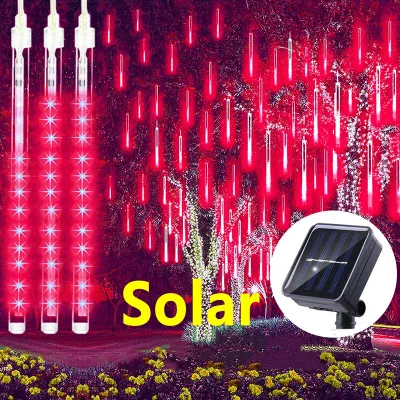
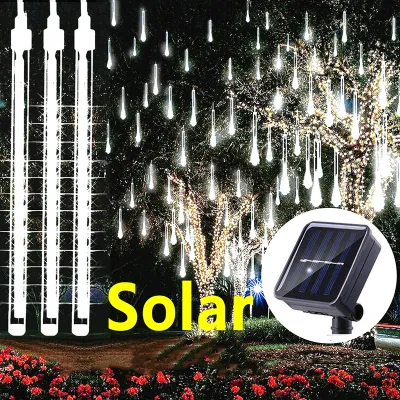
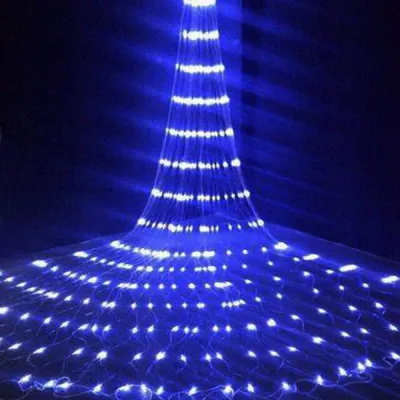
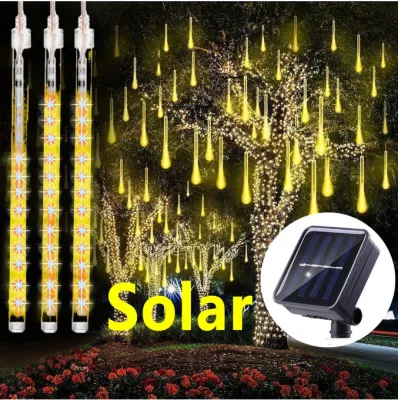
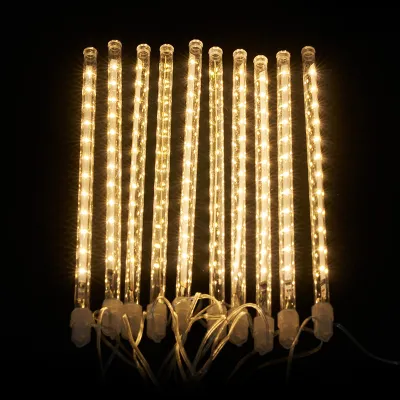
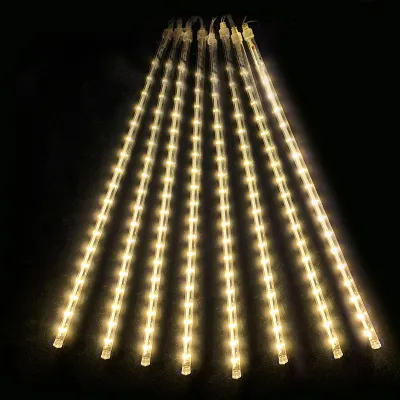
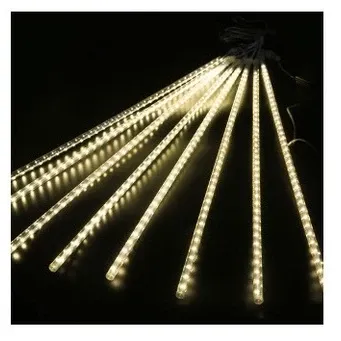
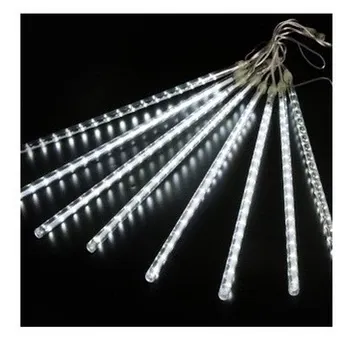
Prices are valid at publication and may change. Please refer to the product page for the latest price.
The first digit of the IP rating ranges from 0 to 6 and measures protection against solid particles, such as dust and windblown debris. A rating of 6 indicates that the enclosure is completely dust-tight, preventing even microscopic particles from entering the tubes. This is particularly important in coastal or dusty roadside areas where fine particles can accumulate inside the casings and cause electrical issues over time.
The second digit, ranging from 0 to 9, measures protection against water ingress. For outdoor installations in unsheltered areas, look for a second digit of at least 5, which indicates protection against water jets projected from any angle. An IP65-rated meteor shower light is highly recommended for general outdoor use, as it can withstand heavy downpours without water leaking into the LED tubes. If you plan to install the lights in highly exposed areas subject to temporary pooling or severe wind-driven rain, upgrading to an IP67-rated product provides protection against temporary submersion.
Always check the product manual or manufacturer specifications to verify the exact testing conditions of the lights. Some products may claim to be waterproof on their packaging but only carry an IP44 rating, which only protects against light splashes. These lower-rated lights are better suited for covered patios or semi-sheltered outdoor spaces rather than open garden trees.
Material and Build Features for Tropical Heat
While water resistance is crucial during the rainy season, the intense heat and ultraviolet (UV) radiation of the dry season can be equally damaging to outdoor decor. Standard plastics degrade rapidly under direct sunlight, leading to discoloration, brittleness, and eventual cracking. To prevent this, inspect the product specifications for UV-resistant materials.

High-quality meteor shower lights typically use protective tubes made of UV-stabilized polycarbonate rather than cheap acrylic. Polycarbonate is highly impact-resistant, meaning it can withstand minor bumps from windblown tree branches, and it retains its clarity under prolonged sun exposure. Cheap plastics will quickly turn yellow, which distorts the color temperature of the LEDs and reduces the overall brightness of the cascading light effect.
Heat dissipation is another critical factor for LED longevity. Although LEDs are highly efficient, they still generate internal heat that must be dissipated to prevent the diodes from burning out prematurely. Look for designs that feature aluminum end caps or internal heat-dissipating structures. Proper thermal management ensures that the LEDs maintain their brightness and color consistency even during warm tropical nights.
Additionally, examine the wire insulation material specified by the manufacturer. Outdoor-rated cables should be thick yet flexible, often made of heavy-duty PVC or rubber (such as H05RN-F compliant wiring). Cheap, thin wires can become stiff and brittle under the sun, leading to hairline cracks in the insulation that allow moisture to seep directly to the copper conductors, creating a serious short-circuit hazard.
Electrical Safety and Weatherproof Connections
Setting up outdoor lighting requires careful attention to electrical safety, especially when dealing with wet ground and high-humidity environments. Before purchasing, verify that the lights are compatible with the standard Philippine electrical system of 220V at 60Hz. Many meteor shower lights operate on low voltage (such as 12V or 24V) via a step-down transformer, which is inherently safer for outdoor applications than running high-voltage mains power directly through the trees.
Inspect the connection points between individual light strands. High-quality meteor shower lights feature male and female screw-lock connectors equipped with rubber O-rings. These threaded connectors create a watertight seal that prevents rain from entering the joints. Avoid lights that rely on simple push-fit connectors without threaded collars or rubber gaskets, as these can easily pull apart or let moisture in during windy conditions.
For the power supply side, always use outdoor-rated extension cords and plug the transformer into a weatherproof socket cover or an IP-rated outdoor receptacle box. Even if the light tubes themselves are highly waterproof, the plug and transformer are often the weakest links in the setup. Never leave standard indoor plugs or unshielded power strips exposed to the elements.
Always isolate the power supply before installing, adjusting, or cleaning your lights to prevent accidental shocks. If you are planning a large-scale display, a permanent outdoor installation, or if the manufacturer’s instructions conflict with your home’s existing electrical wiring, consult a qualified professional electrician. A professional can ensure your setup is properly grounded, has adequate circuit capacity, and includes a Ground Fault Circuit Interrupter (GFCI) to automatically cut power in the event of a moisture-induced short.
Seasonal Maintenance and Storage Practices
Taking proactive steps to maintain and store your meteor shower lights can significantly extend their operational lifespan, allowing you to enjoy them for multiple festive seasons. Developing a routine for inspection and care prevents minor wear from turning into permanent damage.
Before hanging your lights for the season, lay them out on a dry surface and perform a thorough visual inspection. Look for any hairline cracks in the polycarbonate tubes, exposed copper on the wires, or signs of rust and corrosion inside the connector pins. If you notice any damaged insulation or cracked casings, do not attempt to patch them with standard electrical tape for outdoor use; instead, replace the damaged section or the entire strand to maintain safety.
If the lights accumulate dust, pollen, or water spots during use, clean them gently using a soft, damp microfiber cloth. Always unplug the lights and ensure the power is completely disconnected before cleaning. Do not use harsh chemical solvents, abrasive scrubbing pads, or high-pressure water sprays, as these can degrade the UV-resistant coatings on the tubes and damage the delicate silicone seals at the ends of the casings.
When the season ends, allow the lights to dry completely in a shaded, well-ventilated area before packing them away. Coiling the wires too tightly can cause internal copper strands to break, so wrap them loosely in wide loops. Store the lights in a sturdy, airtight plastic container along with a few silica gel packets to absorb any residual ambient humidity, and keep the container in a cool, dry indoor space away from direct sunlight and pests.
Frequently Asked Questions (FAQ)
Can I leave meteor shower lights outside all year round?
Continuous year-round exposure depends entirely on the specific IP rating and material durability stated in the manufacturer’s manual. While high-quality IP65 or IP67 lights with UV-stabilized tubing can handle extended outdoor use, continuous exposure to intense tropical sun and heavy seasonal typhoons will accelerate the wear on the plastics and seals. To maximize their lifespan, it is highly recommended to take the lights down during extreme weather events and store them indoors during the off-season.
Do I need a special transformer for outdoor meteor shower lights?
Yes, you must verify the weather rating of the included power adapter or transformer. Many meteor shower light kits feature waterproof LED tubes but include a transformer that is only rated for indoor use. If the transformer is not explicitly rated for outdoor environments (typically IP44 or higher with a weatherproof enclosure), you must plug it into a dry, sheltered indoor outlet or house it inside a certified weatherproof electrical box to protect it from rain and humidity.
Community discussion
Share your experience or ask a question. Comments are reviewed before publication.