
Finding the best solar tube lights for outdoor spaces in the Philippines requires balancing aesthetic appeal with the practical realities of a tropical climate. High humidity, intense seasonal rainfall, and prolonged sun exposure demand fixtures that are not only visually pleasing but also highly durable. To secure reliable outdoor lighting that lasts, homeowners must look beyond basic marketing claims and focus on verifiable technical specifications such as weatherproofing ratings, battery chemistry, and material composition.
Selecting the right outdoor solar tube lights involves evaluating how well a fixture can capture solar energy during the day and distribute it evenly throughout the night. Because these lights are entirely self-contained, their performance depends directly on the quality of their integrated components. By understanding what to look for in terms of construction and electrical specifications, you can choose lighting solutions that enhance your garden, driveway, or patio while standing up to the local climate.
Understanding Solar Tube Lights for Outdoor Use
Solar tube lights, often referred to as solar bollard lights or cylindrical path lights, are distinct outdoor fixtures designed to provide 360-degree ambient illumination. Unlike traditional solar spotlights or floodlights that project a concentrated, directional beam of light to highlight specific architectural features, tube lights utilize a vertical, cylindrical housing to diffuse light evenly across a flat surface. This makes them exceptionally well-suited for outlining pathways, defining garden borders, and creating a welcoming perimeter around outdoor living spaces.
Products mentioned in this guide
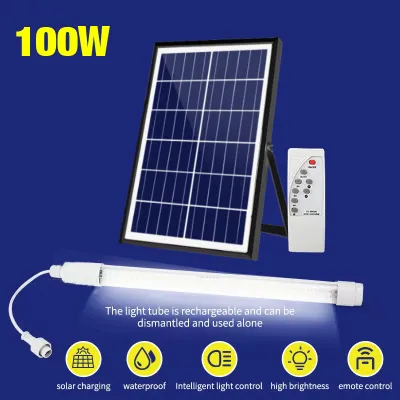
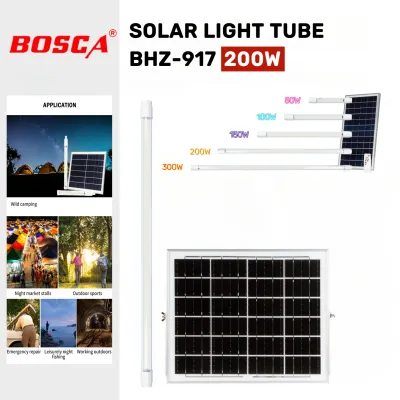
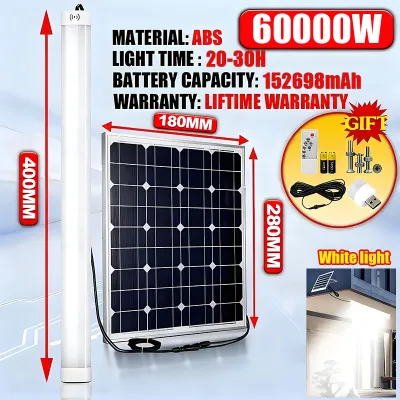
![[Free shipping]Solar Tube Light Outdoor Waterproof IP67 Rechargeable 120000W 80000W 60000W LED Solar Emergency Light Spotlight Outdoor Portable Automatic Lighting With Panel Remote Control](https://img.lazcdn.com/g/p/bd04ebc116180d92113f132c1ce5d8ea.png_400x400q80.png_.webp)
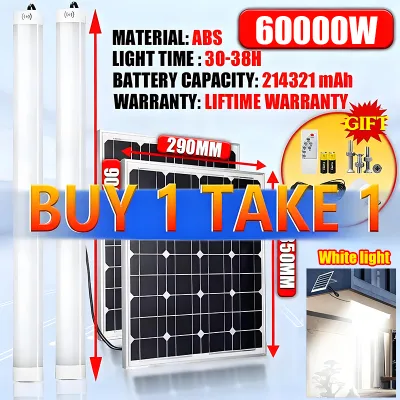
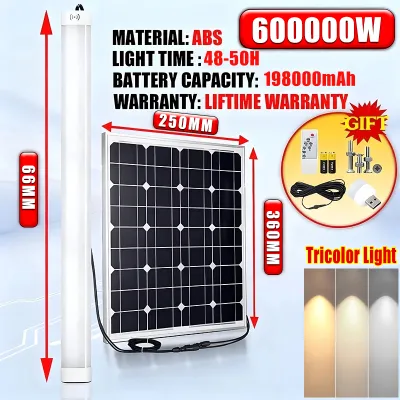
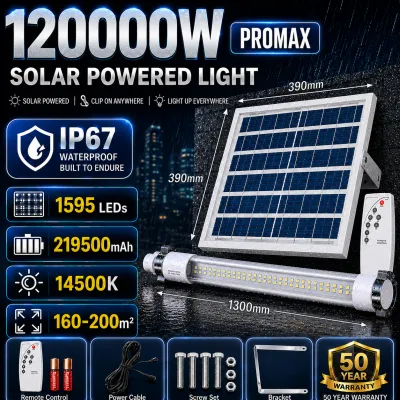
Prices are valid at publication and may change. Please refer to the product page for the latest price.
The basic anatomy of an outdoor solar tube light consists of four primary components integrated into a single, self-contained unit. At the very top sits a small photovoltaic solar panel, positioned to capture maximum sunlight throughout the day. Directly beneath or within the housing is a rechargeable battery, which stores the converted electrical energy. An internal dusk-to-dawn sensor monitors ambient light levels, automatically triggering the LED tube to illuminate as night falls and turning it off when the sun rises.
The defining characteristic of these fixtures is their light distribution. Traditional pathway lights often cast a downward, umbrella-shaped pattern that leaves the upper portion of the fixture dark. In contrast, solar tube lights feature a vertical light-emitting diode (LED) column surrounded by a clear or frosted diffusing tube. This design allows the light to radiate outward in all directions, providing both ground-level visibility and a vertical glow that makes the fixtures themselves visible from a distance, enhancing spatial awareness in dark gardens.
Typical use cases for these fixtures focus on safety, navigation, and landscape definition. Placing them along driveways and walkways helps guide vehicles and pedestrians safely without the harsh glare associated with high-wattage floodlights. In garden beds, they can be nestled among low-lying foliage to create depth and highlight the natural textures of tropical plants. They also serve as excellent perimeter markers for patios and decks, establishing a soft, inviting boundary for evening gatherings.
Key Selection Criteria for Reliable Performance
Evaluating the brightness of solar tube lights requires looking closely at the lumen rating rather than relying on vague descriptions like “super bright.” Lumens measure the total amount of visible light emitted by a source. For ambient pathway lighting, fixtures offering 10 to 50 lumens are generally sufficient to guide the way without causing glare. When reviewing product specifications, be aware that some manufacturers list the theoretical maximum output of the LED chip rather than the actual output of the assembled fixture, which is often lower due to the diffusing cover.

Battery type and capacity are critical factors that determine how many hours the light will remain illuminated after a day of charging. Modern solar tube lights typically utilize one of three battery chemistries: Nickel-Metal Hydride (NiMH), Lithium-Ion (Li-Ion), or Lithium Iron Phosphate (LiFePO4). LiFePO4 batteries are highly recommended for tropical climates because they offer superior thermal stability, handle high ambient temperatures better, and have a significantly longer cycle life compared to standard NiMH options. Always check if the battery compartment is accessible, as user-replaceable batteries allow you to extend the life of the fixture when the original cell eventually degrades.
Given the intense rainy seasons and high humidity in the Philippines, the Ingress Protection (IP) rating is a non-negotiable specification to verify before purchase. An IP rating consists of two digits: the first indicates protection against solid objects like dust, and the second indicates protection against liquids. For reliable outdoor use, look for fixtures rated at IP65 or higher. An IP65 rating ensures the light is completely dust-tight and can withstand low-pressure water jets from any direction, meaning it will remain sealed during heavy downpours and tropical storms.
The materials used in the construction of the tube light directly affect its lifespan when exposed to the elements. Low-grade plastics will quickly become brittle, yellow, and crack under intense ultraviolet (UV) radiation from the sun. Opt for fixtures constructed from UV-stabilized polycarbonate, heavy-duty ABS plastic, or rust-resistant metals such as stainless steel (grade 304 or higher) and powder-coated aluminum. These materials resist corrosion from salt air in coastal areas and prevent moisture from seeping into the internal electronics.
Matching Light Specifications to Your Outdoor Space
The physical dimensions of solar tube lights should match the scale of your landscape. Tall, wide-diameter tubes are ideal for spacious lawns, wide driveways, and areas with tall ornamental grasses, as they provide a larger presence and cast light over a wider radius. Conversely, shorter and slimmer tube lights are better suited for narrow garden paths, small flower beds, and tight patio borders where a larger fixture would look bulky and disproportionate.
Color temperature, measured in Kelvin (K), plays a significant role in setting the mood and functionality of your outdoor lighting. Warm white light, typically ranging from 2700K to 3000K, emits a soft, yellowish glow that mimics traditional incandescent bulbs. This temperature is highly preferred for residential landscaping, gardens, and seating areas because it creates a cozy, relaxing atmosphere. Cool white light, ranging from 5000K to 6500K, produces a bright, bluish-white light that enhances contrast and visibility, making it more suitable for security lighting along dark perimeters or commercial pathways.
Beam angle and diffusion characteristics determine how the light is distributed across your outdoor space. Frosted or textured diffusing tubes help scatter the light evenly, reducing harsh glare and eliminating hot spots directly adjacent to the LEDs. Clear tubes provide a sharper, more brilliant light but may require careful placement to avoid shining directly into the eyes of people sitting nearby. Look for fixtures that offer a balanced diffusion pattern to ensure comfortable, indirect illumination.
To achieve continuous, cohesive lighting along a path or garden border, proper spacing is essential. A general rule of thumb is to space solar tube lights approximately 1.5 to 2.5 meters apart. Spacing them too closely can create an overly bright, cluttered appearance, while placing them too far apart results in dark gaps that compromise safety. If your fixtures have a lower lumen output, you may need to reduce the spacing slightly to maintain a continuous line of light, whereas higher-lumen fixtures can be spaced further apart.
Installation, Safety, and Maintenance Checks
Proper installation begins with selecting an optimal location for solar charging. Because solar tube lights rely entirely on sunlight to power their internal batteries, the integrated solar panels must receive direct, unobstructed sunlight for at least six to eight hours daily. Avoid placing them directly under dense tree canopies, roof overhangs, or in the shadow of walls and larger garden structures. In the Philippines, positioning the panels to face south can help maximize sun exposure throughout the year as the sun’s path shifts.
When securing the lights into the ground, assess the soil conditions of your garden or lawn. Most solar tube lights come with ground stakes for easy insertion. If the soil is dry and hard, do not force the stake downward, as this can crack the plastic or bend the metal shaft; instead, soften the ground with water first or dig a small pilot hole. For installations on hard surfaces like concrete patios, wooden decks, or tiled walkways, ensure you select fixtures that include surface-mounting brackets and appropriate masonry or wood screws. Always check for underground utility lines, such as water pipes or electrical conduits, before driving stakes deep into the ground.
Routine maintenance is vital to keep your solar tube lights operating at peak efficiency. Over time, dust, pollen, bird droppings, and water spots will accumulate on the solar panel, blocking sunlight and reducing charging efficiency. Wipe the panels clean every few weeks using a soft, damp microfiber cloth and mild soapy water; avoid abrasive scrubbers or harsh chemical cleaners that can scratch the protective coating. Additionally, clean the diffusing tubes to ensure the light output remains bright and unhindered.
Monitoring battery health is key to preventing premature fixture failure. If you notice a light is turning off significantly earlier than usual or appears dim even after a full day of clear sunlight, the rechargeable battery may be reaching the end of its lifespan. When replacing batteries, always turn off the fixture’s power switch first to isolate the circuit. Replace the old cell with a new one of the exact same chemistry, voltage, and physical size, and dispose of the old battery responsibly at a local electronic waste recycling facility.
Where to Buy and What to Verify Before Checkout
When shopping for solar tube lights on e-commerce platforms or at local hardware stores in the Philippines, a critical eye is required to avoid low-quality products. Carefully read the product descriptions and look for specific, technical details rather than generic marketing buzzwords. A reputable listing will clearly state the IP rating, battery capacity in milliampere-hours (mAh), lumen output, and construction materials. Be skeptical of listings that promise long runtimes on a tiny battery or fail to specify the exact materials used.
Customer reviews provide valuable real-world insights into how the lights perform under local weather conditions. Look for verified purchases that specifically mention how the fixtures handle heavy rain, high humidity, and prolonged cloudy days. Pay attention to reviews that discuss the longevity of the battery and whether the plastic components degrade or discolor after a few months of exposure to the tropical sun. Photos uploaded by actual buyers can also help you verify the true color temperature and physical scale of the lights.
Before finalizing your purchase, confirm the seller’s warranty and return policies. Reliable manufacturers and authorized distributors typically offer a warranty period ranging from six months to a year, covering manufacturing defects and premature component failure. Ensure you understand the process for claiming a warranty, including who covers the shipping costs for returns. Clear communication channels with the seller are a good indicator of reliable customer support should you encounter issues with your lights.
Finally, evaluate the price of the fixtures in relation to their technical specifications rather than relying on brand names alone. Prices for outdoor solar tube lights can range from under ₱200 for basic plastic models to over ₱1,500 for heavy-duty, commercial-grade aluminum fixtures. While budget-friendly options may be tempting for temporary setups, investing in mid-range or premium fixtures with high IP ratings and LiFePO4 batteries generally offers better long-term value, as they will not require frequent replacement after a single rainy season.
Frequently Asked Questions (FAQ)
Do solar tube lights work during the rainy season?
Yes, solar tube lights will continue to work during the rainy season, but their performance will be temporarily reduced. Cloud cover blocks direct sunlight, which means the solar panels will generate less electricity, resulting in a partially charged battery and shorter illumination times at night. To mitigate this, look for fixtures equipped with highly efficient monocrystalline solar panels and larger battery capacities, which can store enough energy to keep the lights running through brief periods of overcast weather.
Can I replace the battery inside a solar tube light?
Whether you can replace the battery depends entirely on the design of the specific fixture. Many high-quality solar tube lights feature an accessible battery compartment secured by screws, allowing you to easily swap out the old rechargeable cell for a new one. However, some budget-friendly or highly sealed waterproof units are completely glued shut to maintain their IP rating, making battery replacement impossible without damaging the housing. Always check the product specifications or user manual before buying to confirm if the battery is user-replaceable.
How long do outdoor solar tube lights typically last?
The overall lifespan of an outdoor solar tube light is determined by its individual components. The integrated LEDs are highly durable and can easily last between 25,000 to 50,000 hours of operation, which translates to several years of nightly use. However, the rechargeable batteries have a shorter lifespan, typically requiring replacement every one to three years depending on the battery chemistry and daily charge cycles. The physical housing’s lifespan will depend on its material quality, with UV-stabilized plastics and rust-resistant metals lasting significantly longer than cheap, untreated plastics.
Community discussion
Share your experience or ask a question. Comments are reviewed before publication.