
To choose safe and durable outdoor waterproof Christmas lights for the Philippine climate, you must prioritize a minimum waterproof rating of IP44 (preferably IP65), heavy-duty insulated wire, and full compatibility with the local 220V electrical standard. Standard indoor lights cannot withstand the intense tropical heat, high humidity, and sudden downpours typical of the holiday season. Selecting the right wire specifications and safety features ensures your festive display remains brilliant and hazard-free.
Understanding Waterproof Ratings and Outdoor Durability
When shopping for outdoor holiday lighting, the Ingress Protection (IP) rating is your first line of defense against electrical failures. This rating, typically printed on the product packaging, consists of two digits that indicate how well the enclosure protects against solids and liquids. The first digit measures protection against solid objects like dust, while the second digit measures protection against water. For outdoor residential displays, look for a minimum rating of IP44, which protects against splashing water from any direction. If you plan to install lights in fully exposed areas subject to heavy tropical downpours, upgrading to IP65 ensures complete protection against low-pressure water jets.
The durability of the wire jacket material is equally critical for enduring local weather conditions. Outdoor Christmas lights are subjected to intense ultraviolet (UV) radiation during the day and high humidity at night. Standard thin plastic insulation degrades rapidly under these conditions, becoming brittle and prone to cracking. Look for manufacturer specifications indicating UV-resistant materials, such as heavy-duty rubber (often labeled as neoprene) or thick, weather-resistant PVC. These materials maintain their flexibility and protective qualities despite prolonged exposure to sun and rain.
Products mentioned in this guide
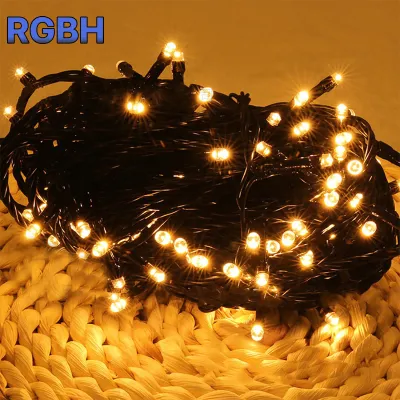
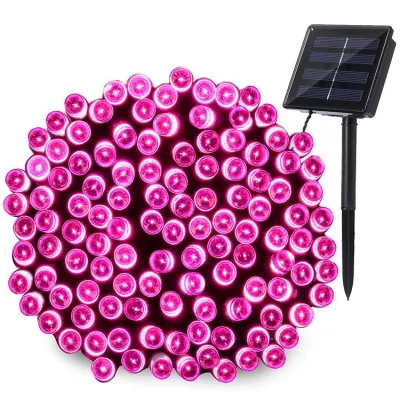
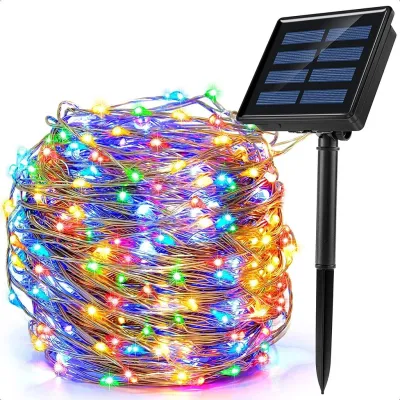
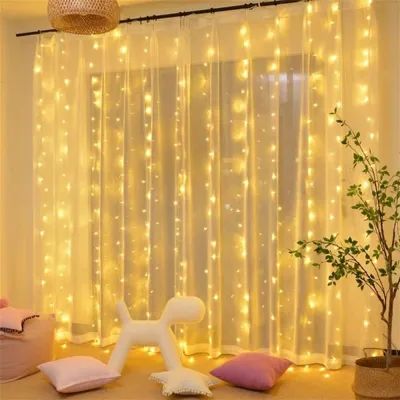
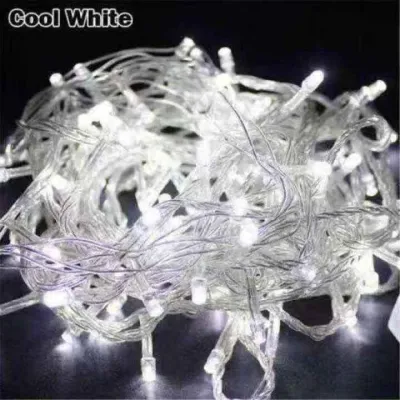
Prices are valid at publication and may change. Please refer to the product page for the latest price.
Operating temperature ranges are another key factor to verify on the product label. While most outdoor lights are designed to handle cold winter climates, they must also be rated to operate safely in warm, humid tropical environments. High ambient temperatures can accelerate heat buildup within the wire and bulbs, especially during extended evening use. Choosing lights with a certified operating range that comfortably covers local temperatures prevents premature insulation degradation and reduces fire hazards.
Evaluating Wire Specifications and Electrical Safety
Selecting the correct wire gauge is essential to prevent overheating and voltage drops across your display. The thickness of a christmas lights wire is measured by its American Wire Gauge (AWG) number, where a lower number indicates a thicker wire. Heavy-duty outdoor string lights typically use 18 AWG or 20 AWG wire, which can safely carry more electrical current than the thin 22 AWG or 24 AWG wires commonly found on cheap indoor novelty lights. Always match the wire gauge and the total length of the strand to the combined wattage of the connected bulbs to avoid overloading the circuit.

Electrical compatibility is a non-negotiable safety factor in the Philippines, where the standard residential power supply is 220V at 60Hz. Many imported holiday lights are designed for 110V systems; plugging these directly into a local outlet without a proper step-down transformer will instantly destroy the lights and pose an immediate fire hazard. Verify that the product label explicitly states 220V compatibility. Additionally, ensure the plug type matches your outdoor outlets—typically Type A or Type B flat-pin plugs—and features a polarized or grounded design for added safety.
To protect your home from short circuits, look for safety marks and built-in protection features. Legitimate products sold locally should carry official safety certification marks, indicating they have undergone rigorous electrical safety testing. Furthermore, high-quality outdoor string lights feature fused plugs. These plugs contain a small, replaceable fuse that automatically blows and cuts off power if there is a sudden electrical surge or short circuit, preventing the wire from overheating and catching fire.
When planning a large outdoor display, you will likely need to connect multiple light strands end-to-end, a practice known as daisy-chaining. However, every wire has a strict limit on the maximum wattage it can safely carry. Never exceed the manufacturer’s specified limit for connected strands, which is usually detailed on the warning tag near the plug. If you transition from energy-efficient LEDs to traditional incandescent bulbs, this limit drops significantly because incandescents draw much more power.
Bulb Types, Spacing, and Lighting Effects
Choosing between light-emitting diode (LED) and traditional incandescent bulbs impacts both safety and your monthly electricity bill. LEDs are highly recommended for outdoor installations because they consume up to 80% to 90% less energy than incandescent bulbs. They also generate virtually no heat, which is a critical safety advantage when lights are draped over dry wooden structures, synthetic foliage, or garden plants. Additionally, LEDs boast a significantly longer lifespan, meaning fewer replacements and less waste over the years.
Physical layout and aesthetics should guide your choice of bulb spacing and wire color. For wrapping tree trunks or creating dense columns of light, look for strands with tight bulb spacing of 4 to 6 inches. For rooflines, fences, or patio borders, wider spacing of 12 inches or more provides a clean, classic look. Choose a wire color that blends seamlessly with your mounting surface—dark green or black wires disappear against foliage and dark wood, while white wires are ideal for light-colored gutters and trim.
Color temperature and control features allow you to customize the ambiance of your outdoor space. Warm white bulbs (ranging from 2700K to 3000K) deliver a cozy, traditional golden glow, while cool white bulbs (5000K and above) offer a bright, modern, and icy aesthetic. If you prefer dynamic displays, look for waterproof controller boxes that offer dimming, fading, or chasing effects. Ensure that any external controller or transformer is also rated for outdoor use, or keep it securely housed inside a weatherproof electrical enclosure.
Installation Boundaries and Maintenance Checks
Safe mounting practices are vital to preserving the waterproof integrity of your holiday lights. Always use specialized plastic gutter clips, zip ties, or insulated hooks designed for outdoor lighting. Never use metal staples, nails, or tacks to secure the strands, as these can easily pierce the outer insulation of the christmas lights wire, exposing live copper conductors to rain and creating severe shock or fire hazards. Avoid pinching or tightly bending the wires around sharp metal corners.
While hanging temporary string lights is a manageable weekend project, certain scenarios require professional assistance. If your installation involves fixed outdoor wiring, tapping directly into your home’s main electrical panel, working at extreme heights, or routing cables through damp underground conduits, stop and consult a qualified electrician. Always isolate the power source by unplugging the lights or switching off the dedicated outdoor circuit breaker before making any adjustments or hanging new strands.
Before hanging your lights each year, perform a thorough visual inspection of the entire strand. Unroll the wires on a dry surface and check for frayed insulation, cracked bulb sockets, loose connections, or exposed metal. Replace any cracked or missing bulbs immediately with matching waterproof replacements. If you discover any deep cuts or exposed copper along the main wire, discard the entire strand rather than attempting to patch it with electrical tape, as tape cannot restore the factory-sealed waterproof barrier.
Proper post-season care extends the life of your investment and ensures safety for the next holiday season. When taking down your display, handle the strands gently to avoid straining the internal copper wires. Allow the lights to dry completely in a shaded, well-ventilated indoor area before packing them away. Moisture trapped inside storage bins can cause corrosion on bulb contacts and degrade the wire insulation over time. Store the dry lights in a sealed plastic container protected from dust, pests, and direct sunlight.
Frequently Asked Questions (FAQ)
Can I connect indoor Christmas lights to an outdoor extension cord?
No, you should never use indoor-rated Christmas lights outdoors, even if they are plugged into an outdoor-rated extension cord. Indoor light strands lack the thick, UV-resistant, and water-resistant insulation required to withstand rain, dew, and high humidity. When exposed to moisture, the thin insulation on indoor wires can quickly fail, leading to short circuits, electrical shocks, or fire hazards. Every component of your outdoor display—including the light strands, extension cords, connectors, and timers—must carry an explicit outdoor rating.
What should I do if a section of the waterproof string lights stops working?
If a section of your lights goes dark, first unplug the strand from the power source to ensure your safety. Check the plug to see if a built-in fuse has blown, or inspect the dark section for a loose or burnt-out bulb, as some series-wired strands require all bulbs to be functional to complete the circuit. If the issue is caused by a physically damaged, cut, or chewed wire, do not attempt to cut, splice, or tape the wires back together. Splicing destroys the manufacturer’s waterproof seal, exposing the connection to moisture and creating a severe hazard. If the wire itself is compromised, replace the entire strand.
Community discussion
Share your experience or ask a question. Comments are reviewed before publication.