
Selecting the right round LED flush mount lights for a low-ceiling condominium in the Philippines requires balancing compact physical dimensions with robust electrical specifications. In modern high-rise developments where floor-to-ceiling heights often measure between 2.4 and 2.7 meters, traditional hanging chandeliers or deep semi-flush fixtures can make living spaces feel cramped and restrict physical movement. Opting for ultra-slim, surface-mounted circular LED fixtures preserves precious vertical clearance while providing even, diffuse illumination across open-plan layouts. To make an informed purchase, you must evaluate physical profiles, thermal management, local grid compatibility, and moisture protection.
Spatial and Visual Rules for Low Ceilings
When vertical space is limited, every centimeter of fixture depth impacts the spatial dynamics of your room. To maintain a comfortable and safe living environment, aim for a minimum clearance of 2.1 to 2.2 meters from the floor to the bottom of the light fixture. This clearance prevents taller occupants or guests from accidentally striking the light and ensures that the room maintains an open, airy feel. For typical Philippine condo units with 2.4-meter ceilings, this means your light fixture should have a profile depth of no more than 5 centimeters (approximately 2 inches).
The visual weight of a fixture—how heavy or dominant it appears in a space—is heavily influenced by its shape and trim design. Round flush mount lights are highly effective for low ceilings because their soft, continuous edges lack sharp corners that draw the eye downward, helping the fixture blend seamlessly into the ceiling plane. Selecting a model with a frameless or ultra-thin bezel design further minimizes visual clutter. A wide, flat diffuser distributes light outward rather than focusing it directly downward, which reduces harsh shadows and visually expands the boundaries of a small room.
Products mentioned in this guide
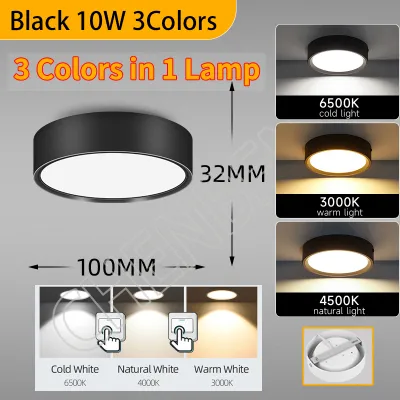
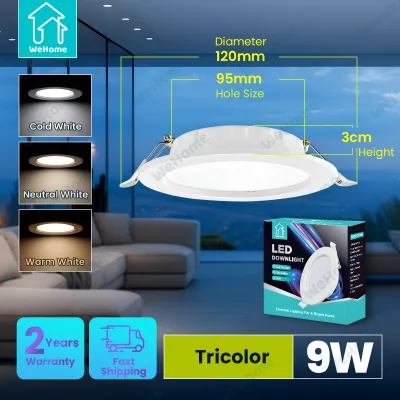
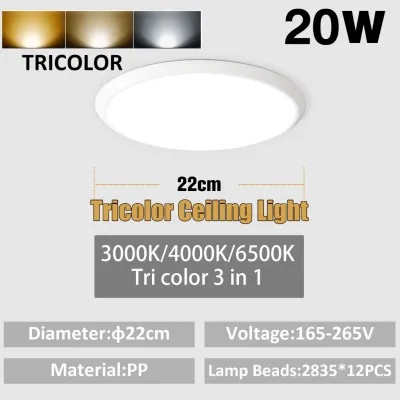
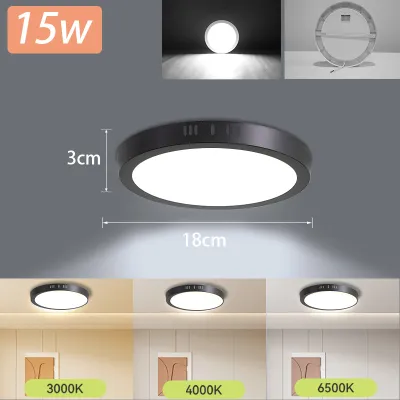
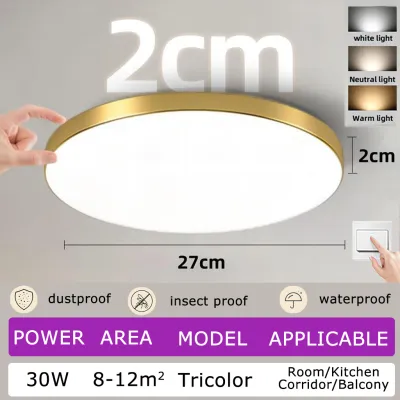
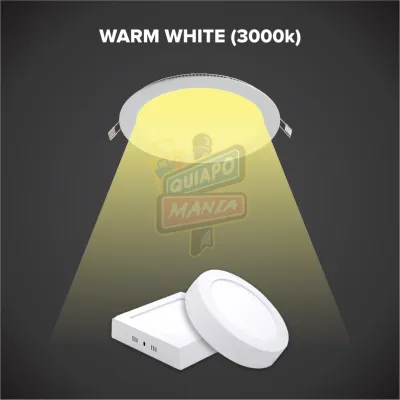
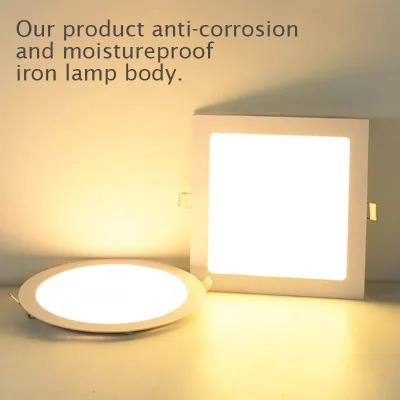
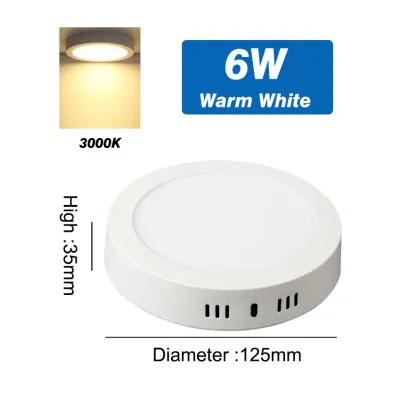
Prices are valid at publication and may change. Please refer to the product page for the latest price.
Confined ceiling spaces also present unique thermal challenges, particularly in the tropical climate of the Philippines where ambient indoor temperatures and humidity levels remain high throughout the year. LED chips generate significant heat at their junctions, and without adequate dissipation, this heat can rapidly degrade the light-emitting diodes and internal circuitry. When selecting a flush mount light, prioritize fixtures constructed with high-grade aluminum backplates or integrated metal heat sinks rather than entirely plastic housings. Aluminum conducts heat away from the sensitive electronics far more efficiently, ensuring the fixture operates safely within its thermal limits even during hot summer afternoons when your air conditioning might be turned off.
Essential Technical Specs to Verify
Before purchasing any lighting fixture, you must verify that its electrical specifications match the local utility standards in the Philippines. The standard residential electrical grid operates at 220 to 240 volts at a frequency of 60 Hertz (Hz). Many imported LED fixtures sold online are designed for 110-volt systems or 50 Hz grids; installing these incompatible units can lead to immediate driver failure, severe flickering, or electrical hazards. Always inspect the product label or specification sheet to confirm the voltage range and frequency compatibility before finalizing your order.

Calculating the appropriate light output is the next step to ensure your condo is neither dimly lit nor blindingly bright. Instead of relying on wattage—which only measures power consumption—focus on lumens, which measure actual light output. For general living areas and bedrooms, a target of 300 to 400 lumens per square meter (lux) is generally sufficient, while task-oriented zones like kitchens and study areas may require 500 lux or more. For example, a compact 15-square-meter living room would benefit from a total output of approximately 4,500 to 6,000 lumens, which can be achieved by combining a central round flush mount with auxiliary lighting or by selecting a single high-output fixture with a wide beam angle.
Moisture protection is a critical safety factor for fixtures installed in high-humidity zones such as bathrooms, laundry areas, or directly above kitchen ranges. Check the Ingress Protection (IP) rating of the fixture to determine its resistance to dust and moisture. For dry living areas and bedrooms, a standard IP20 rating is perfectly adequate. However, for bathrooms or semi-outdoor balconies where steam and condensation accumulate, look for a minimum rating of IP44, which protects against splashing water from all directions.
Finally, physical compatibility with your existing ceiling infrastructure is essential. Measure the diameter of your ceiling’s junction box and compare it to the mounting bracket and canopy dimensions of the new fixture. In many Philippine condominiums, utility boxes are recessed directly into concrete slabs or hidden behind gypsum board drop ceilings. Ensure the mounting bracket supplied with the light aligns with the screw holes of your standard utility box, or verify that the fixture’s canopy is wide enough to completely cover the ceiling opening for a clean, professional finish.
Tuning Light Quality for Condo Living
The color temperature of your lighting, measured in Kelvin (K), directly influences the mood, functionality, and perceived size of your condo. For multi-functional living rooms and bedrooms, warm white light ranging from 2700K to 3000K creates a cozy, inviting atmosphere that aids relaxation after a long day. In contrast, utility spaces like kitchens, bathrooms, and home offices benefit from cool white (4000K) or daylight (6500K) settings, which enhance visibility, improve focus, and make small, windowless areas feel brighter and cleaner. Many modern round LED flush mounts feature selectable color temperature switches on the driver, allowing you to adjust the light output during installation to match the specific function of the room.
Color rendering is another vital aspect of light quality that is often overlooked. The Color Rendering Index (CRI) measures how accurately a light source reveals the true colors of objects, materials, and food compared to natural sunlight. For residential spaces, aim for a fixture with a CRI of 80 or higher. A high CRI ensures that your interior decor, wooden furniture, and home-cooked meals look vibrant and natural, preventing the dull, grayish cast often associated with low-quality LED chips.
If you plan to install dimmable flush mount lights to adjust the ambiance throughout the day, you must ensure complete compatibility between the LED driver and your wall switch. Standard incandescent dimmers are generally incompatible with LED technology and will cause the light to flicker, buzz, or fail prematurely. Verify that the fixture utilizes a dimmable LED driver—such as a triac or electronic low-voltage (ELV) driver—and pair it with a high-quality wall dimmer switch specifically rated for LED loads. Taking the time to match these components guarantees smooth, flicker-free dimming from full brightness down to a soft nightlight level.
Installation Safety and Condo Boundaries
Installing new lighting in a condominium involves navigating both physical safety protocols and strict property management regulations. Before planning any installation, consult your condo association’s building guidelines regarding structural modifications. Many high-rise buildings in the Philippines feature solid concrete slab ceilings where drilling deep holes or channeling conduits is strictly regulated or prohibited to preserve structural integrity. If your unit does not have a pre-installed recessed junction box in the concrete, you may need to use surface-mounted utility boxes and slim plastic moldings to route the wiring safely without damaging the slab.
Electrical safety must always be your top priority during any installation or inspection. Never rely solely on the wall switch to cut power to the fixture. Locate your unit’s main electrical panel and switch off the specific circuit breaker dedicated to the lighting circuit, then use a non-contact voltage tester at the ceiling wires to confirm that no electrical current is present before touching any components. Working on live wires poses a severe risk of electric shock and can damage the sensitive electronic drivers of your new LED fixture.
Knowing when to transition from a DIY project to hiring a licensed professional is crucial for your safety and the longevity of your home. While swapping an existing fixture on a standard, pre-wired junction box is a manageable task for many homeowners, complex scenarios require expert intervention. If you encounter frayed or brittle insulation on the ceiling wires, find an ungrounded electrical system, or need to run new wiring through concrete or gypsum drop ceilings, stop immediately and contact a qualified electrician. Professional installation ensures compliance with the Philippine Electrical Code and prevents hazardous wiring errors that could lead to short circuits or electrical fires.
Building Your Shortlist on Online Marketplaces
When browsing e-commerce platforms and online marketplaces for round LED flush mount lights, a systematic evaluation process is necessary to filter out low-quality products. Start by verifying the credentials of the seller. Prioritize official brand stores, flagship outlets, or authorized distributors that carry verified badges on the platform. These sellers are far more likely to provide genuine products that comply with national safety standards, such as the Philippine Standard (PS) quality mark or the Import Commodity Clearance (ICC) sticker, which certify that the electrical goods have undergone rigorous safety testing.
Carefully review the warranty terms and return policies associated with each lighting fixture. Reliable manufacturers typically offer a warranty period of at least one to two years on integrated LED fixtures. Be cautious of listings that offer no warranty or only a brief seven-day return window, as these terms often indicate low-grade components that may fail after a few months of continuous use. A robust warranty provides peace of mind and a clear path for replacement if the internal driver or LED array encounters issues.
User reviews and feedback sections offer valuable, real-world insights into the performance and reliability of the fixtures. Look past the initial five-star ratings and read the detailed comments, paying close attention to recurring complaints regarding premature LED failure, persistent buzzing noises, or excessive heat generation. If you are looking for smart-enabled flush mounts, check user reviews to confirm that the fixture connects reliably to local wireless networks and integrates smoothly with your preferred smart home applications without frequent disconnections.
Finally, evaluate the relationship between price and build quality. While budget-friendly plastic fixtures are widely available, they often lack the structural durability and thermal management of premium models. Compare the materials listed in the product specifications; a slightly higher investment in a fixture featuring an aluminum housing, a high-quality polycarbonate diffuser, and a branded LED driver will yield better energy efficiency, superior light quality, and a significantly longer lifespan, saving you money on replacement costs in the long run.
Frequently Asked Questions (FAQ)
Can I install a flush mount light directly on a concrete condo ceiling?
Yes, you can install a flush mount light on a concrete ceiling, but it requires careful planning and adherence to your condo’s property management rules. If a recessed junction box is already cast into the concrete slab, you can mount the fixture directly using appropriate masonry screws and plastic wall plugs. If no junction box exists, you must not chisel or drill deeply into the structural concrete slab without approval; instead, install a shallow, surface-mounted utility box and route the wiring through neat, surface-applied plastic conduits to power your new fixture safely.
Do round LED flush mounts require a separate transformer or driver?
All LED lights require a driver to convert high-voltage alternating current (AC) from your home’s electrical grid into the low-voltage direct current (DC) that LEDs need to operate. Most residential round LED flush mount lights feature an integrated driver housed directly inside the fixture’s canopy, allowing you to connect the light directly to your 220V wiring. However, some ultra-thin models utilize an external driver box; if you choose this type, ensure there is sufficient space within your ceiling cavity or junction box to safely tuck the driver away during installation.
How should I clean and maintain LED flush mount lights?
To clean your LED flush mount light safely, first turn off the wall switch and the main circuit breaker, then allow the fixture to cool completely to avoid thermal shock or electrical hazards. Gently wipe the exterior of the acrylic or polycarbonate diffuser using a dry or slightly damp microfiber cloth to remove dust, insect debris, and lint. Avoid using harsh chemical cleaners, abrasive pads, or solvent-based sprays, as these substances can degrade the protective coatings, yellow the diffuser material, or seep into the internal electronics and damage the LED chips.
Community discussion
Share your experience or ask a question. Comments are reviewed before publication.