
Selecting the right solar Christmas lights for a compact condominium balcony requires balancing festive aesthetics with the physical realities of limited space and sunlight. Unlike spacious suburban backyards, a high-rise balcony demands careful planning regarding string length, bulb density, and solar panel placement. By focusing on compact form factors, verifying weather-resistance ratings, and using non-destructive mounting techniques, you can create a warm, inviting holiday display that complies with building regulations and withstands tropical weather.
Measure Your Balcony Space and Sunlight Exposure
Before browsing online marketplaces or local home improvement centers, take precise measurements of your balcony’s physical boundaries. Use a physical measuring tape to record the linear length of your railings, the vertical height of any walls or pillars, and the depth of the ceiling overhang. These dimensions prevent you from purchasing excessively long light strands that will end up bunched in corners, which looks cluttered and poses a minor safety hazard.
Sunlight exposure is the most critical factor for any solar-powered setup, especially in high-rise buildings where adjacent towers or deep concrete overhangs cast long shadows. Spend a weekend tracking how many hours of direct sunlight hit specific areas of your balcony. Note the movement of the sun from morning to afternoon, identifying the exact spots that receive unobstructed light. Solar panels generally require several hours of direct, unshaded sunlight daily to charge their internal batteries fully.
Products mentioned in this guide
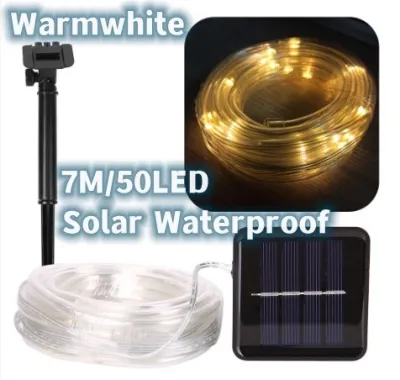
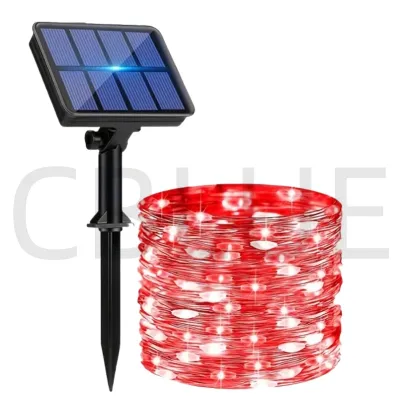
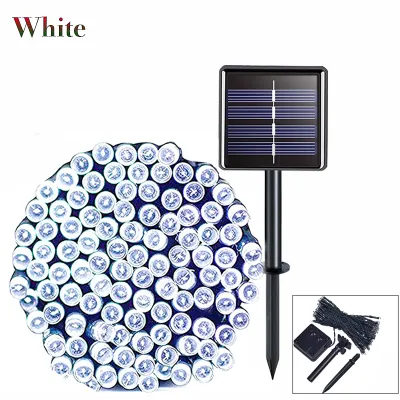
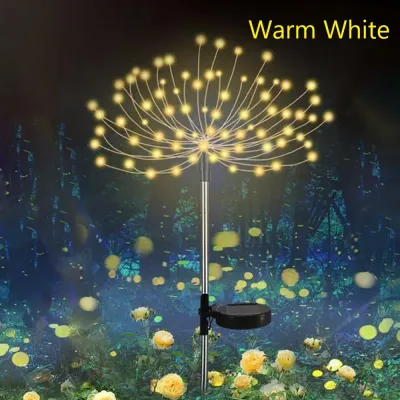
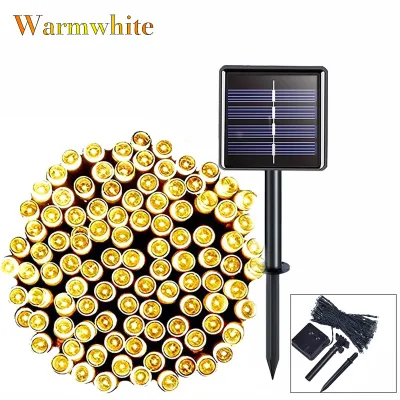
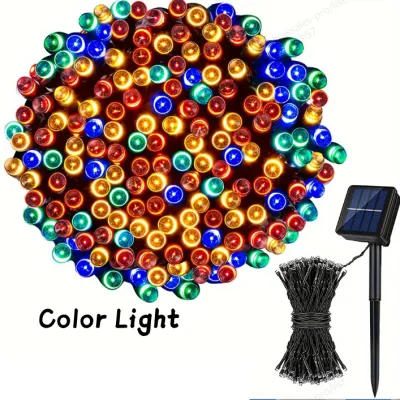
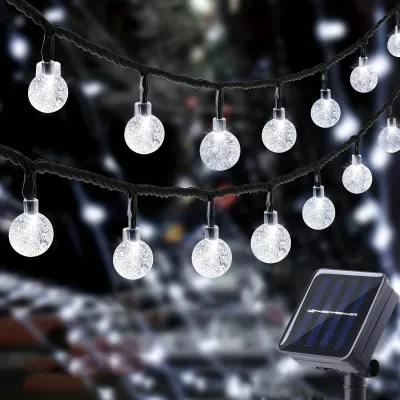
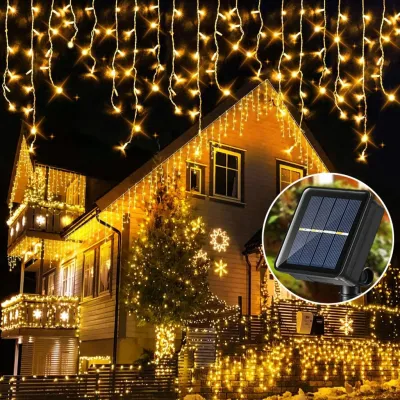
Prices are valid at publication and may change. Please refer to the product page for the latest price.
Consider the visual density you want to achieve. In a small space, a high concentration of large, bright bulbs can feel overwhelming and create uncomfortable glare when you sit outside. Opt for a balanced layout where the light source enhances the architectural lines of your balcony rather than dominating them. Planning the spacing between bulbs ensures the final look is sophisticated and cozy rather than chaotic.
Match Light Form Factors to Your Balcony Layout
The physical shape and design of your solar Christmas lights should complement the layout of your balcony. Classic linear string lights are highly versatile, allowing you to wrap railings or frame window borders easily. When evaluating linear strings, compare the total lighted length against your measurements, and pay close attention to the spacing between individual bulbs. Wider spacing often works better for wrapping railings, while tighter spacing is ideal for creating defined focal points.

Different structural shapes offer distinct visual weights and installation requirements. Curtain lights, which feature a main horizontal cable with multiple vertical strands hanging down, can transform a bare balcony wall or glass sliding door into a dramatic backdrop. However, they can easily overwhelm a very narrow balcony if they drape too low or block functional pathways. Net lights are excellent for draping over balcony planters or small outdoor furniture, but they require a flat, open surface to look neat and organized.
Because your lights will be exposed to tropical humidity, sudden downpours, and intense heat, verifying their outdoor suitability is non-negotiable. Check the product packaging or manufacturer specifications for an Ingress Protection (IP) rating. For outdoor balcony use, look for fixtures rated at least IP44, which protects against splashing water from all directions. If your balcony is highly exposed to heavy seasonal rains without a protective overhang, opting for an IP65 or higher rating provides superior protection against water ingress and dust, ensuring the electronics survive the holiday season.
Install Safely Without Damaging Condo Property
Condominium living comes with strict rules regarding property alterations, meaning permanent drilling or nailing into exterior walls and railings is almost always prohibited. To keep your security deposit intact and prevent structural damage, rely entirely on non-penetrating mounting hardware. Heavy-duty, UV-resistant zip ties are perfect for securing light strings to metal or concrete railings because they hold firmly against strong winds and can be snipped off easily after the holidays. For glass panels or smooth tiled walls, suction cups with integrated hooks or removable outdoor adhesive clips offer a reliable hold without leaving permanent marks.
Positioning the solar panel requires a balance between maximum sun exposure and safety. Mount the panel’s ground stake or mounting bracket securely to the railing using zip ties, ensuring it faces the direction of the strongest daily sunlight. Make sure the panel and its trailing cables do not obstruct walkways, sliding doors, outdoor furniture, or balcony drainage ports. A loose cable can easily become a tripping hazard or block water flow during a heavy tropical storm, leading to localized flooding on your balcony.
Always consult your condominium’s property management office (PMO) guidelines before hanging any exterior decorations. Many buildings have strict policies regarding the color of exterior lights, permissible hanging heights, and “light spill” that might disturb neighbors living directly opposite or below you. Ensuring your setup complies with these rules prevents the inconvenience of having to dismantle your display mid-season. Additionally, make sure all components are secured tightly to prevent wind from blowing items off the balcony, which poses a severe safety risk to pedestrians below.
Avoid Common Sizing and Clutter Mistakes
One of the most frequent mistakes in small-space decorating is buying light strings that are far too long for the area. When you have excess length on a compact balcony, the temptation is to bundle the extra wire into a tight coil or wrap it repeatedly around a single post. This creates a messy, tangled appearance that detracts from the festive atmosphere and can cause the wires to overheat or wear out prematurely. If you find yourself with extra length, look for creative ways to route the wire safely, or choose a shorter string from the outset.
Charging failures often occur when residents underestimate the impact of tinted balcony glass or partial shade. Placing a solar panel behind tinted glass panels or deep under a concrete ceiling overhang drastically reduces the amount of solar energy captured, leading to dim lights or a runtime of only an hour or two. Always position the panel on the outermost edge of the balcony railing where it has an unobstructed view of the sky.
Pay attention to the visual weight of the power cables themselves. Thick, heavy green or black rubber cables can look incredibly cluttered and industrial when viewed up close in a small space during the day. For a delicate, minimalist look, consider micro LED copper wire strings. These thin, flexible wires are virtually invisible during the day, allowing the lights to appear as if they are floating when illuminated at night, without adding visual bulk to your daytime balcony view.
Frequently Asked Questions (FAQ)
How long do solar Christmas lights stay on at night?
The runtime of solar Christmas lights depends directly on the capacity of the built-in rechargeable battery and the amount of direct sunlight the panel receives during the day. Under optimal conditions with a full charge, most standard outdoor solar lights are designed to operate for six to eight hours. However, on cloudy or rainy days, the battery may only charge partially, resulting in a significantly shorter runtime of two to four hours. To maximize performance, ensure the solar panel is kept clean of dust and grime, which can block sunlight and reduce charging efficiency.
Can I leave solar Christmas lights outside during heavy rain?
Yes, provided the lights carry an appropriate weather-resistance rating. You must verify the Ingress Protection (IP) rating on the product packaging or manufacturer’s instruction manual before leaving them exposed to wet weather. Lights rated IP44 or higher are designed to withstand rain splashes and high humidity, making them suitable for typical outdoor balcony conditions. However, during severe tropical storms or typhoons, it is highly recommended to temporarily bring the lights and solar panels indoors to protect them from extreme wind damage and potential water submersion.

Community discussion
Share your experience or ask a question. Comments are reviewed before publication.