
Hanging delicate, cascading lights along your windows or walls is an excellent way to soften the modern, angular lines of a high-rise condo. While solar-powered lights are incredibly energy-efficient and cost-effective, using them inside presents a unique set of challenges. To successfully use solar icicle lights in your bedroom or living room, you must select a split-panel system. This design allows you to place the solar charging panel outside on a sunny balcony or window sill while routing the decorative light strands indoors. By understanding how to position the panel, route the cables safely, and choose the right light specifications, you can enjoy a warm, cozy glow every evening without adding a single peso to your monthly electricity bill.
The Reality of Using Solar Icicle Lights Indoors
Using solar-powered lighting inside a condo requires a clear understanding of how these systems generate power. Solar panels rely on direct, unobstructed sunlight to convert photons into electrical energy. Standard indoor lighting, even when bright, is completely insufficient to charge the rechargeable batteries housed inside the solar controller. If you place a standard solar panel inside a room, even directly behind a window, the glass and the natural shadows of your indoor space will prevent the battery from receiving a full charge.
To overcome this physical limitation, you must understand the structural difference between integrated solar units and split-panel designs. Integrated units feature the solar panel built directly onto the light fixture or the immediate control box, making them ideal for gardens but useless for indoor spaces. Split-panel designs, however, separate the solar collector from the LED strands using a thin, weather-resistant extension cable. This allows the panel to sit in the sun outside while the decorative lights hang safely inside your living room or bedroom.
Products mentioned in this guide
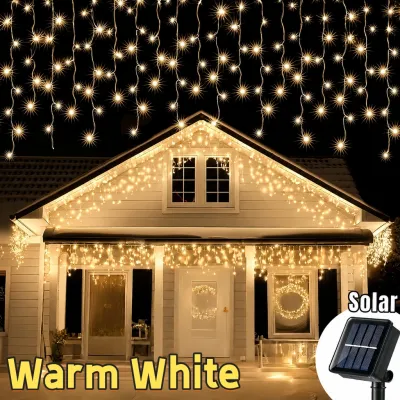
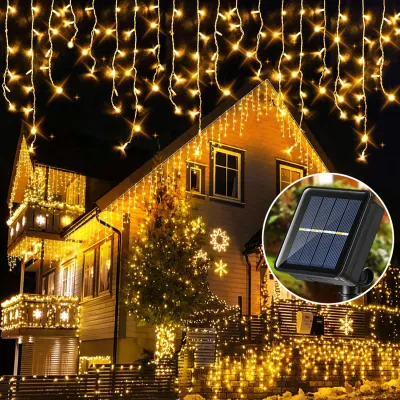
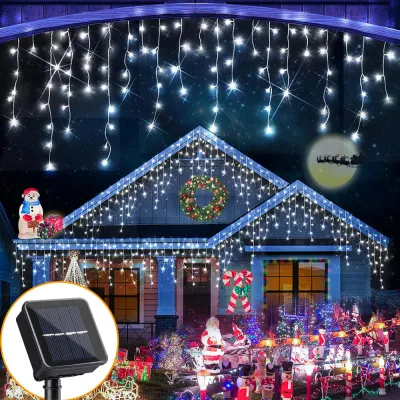
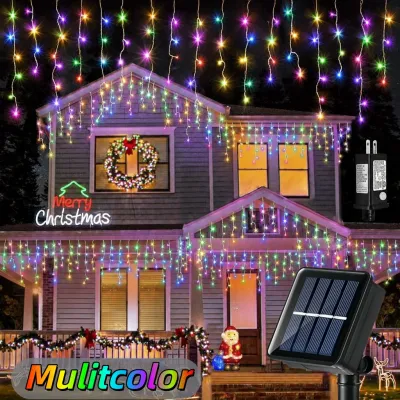
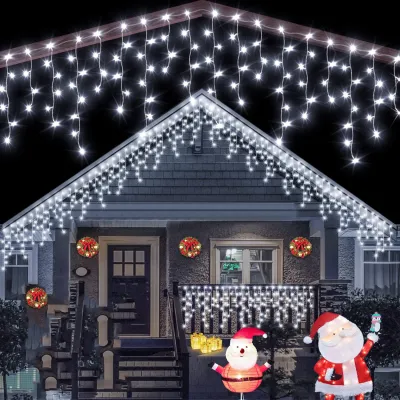
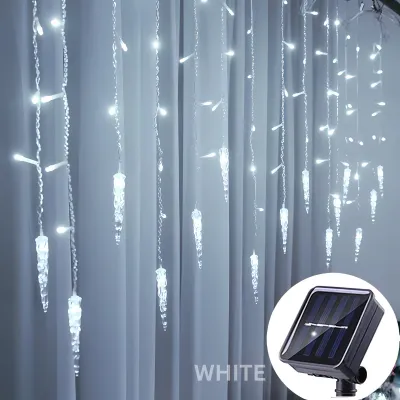
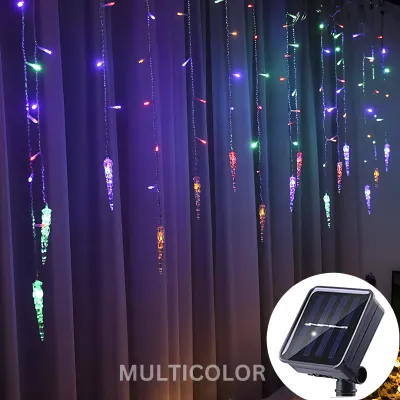
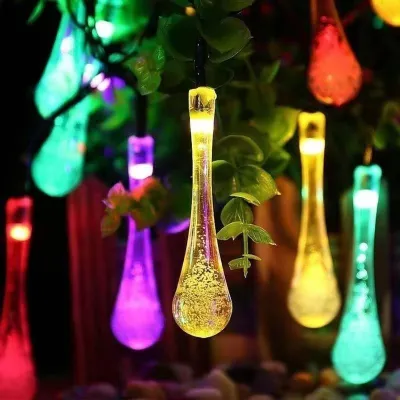
Prices are valid at publication and may change. Please refer to the product page for the latest price.
It is also important to set realistic expectations regarding brightness. Solar icicle lights are engineered for energy efficiency and long runtimes rather than high-intensity illumination. They emit a delicate, low-lumen glow that is perfect for creating a relaxing, low-light environment in the evening. They should be treated as subtle ambient accents rather than primary task lighting; they will not provide enough light for reading, cooking, or other activities that require focused illumination.
Matching Light Features to Your Ambiance Goals
Achieving the perfect indoor atmosphere depends heavily on selecting the right light characteristics. Color temperature is the most critical factor when choosing lights for relaxation spaces like bedrooms and living rooms. Look for products explicitly labeled as warm white, which typically range from 2200K to 2700K on the Kelvin scale. This temperature mimics the gentle, amber glow of candlelight, helping signal to your brain that it is time to wind down. Avoid cool white or daylight tones, which can feel clinical and harsh indoors and may disrupt your sleep patterns.

LED density and lumen output also play a significant role in the visual quality of your space. The visual impact of icicle lights comes from the cascading effect of the vertical drops. High-density strands feature drops spaced closely together, creating a rich, curtain-like appearance. Low-density strands can look sparse and uneven when hung against a flat wall. Ensure the total lumen output is soft enough to prevent distracting glare or harsh reflections on glossy condo paint, polished concrete, or glass windows.
Before purchasing, measure your target installation area to calculate the required main strand length and individual drop lengths. If you plan to frame a sliding balcony door, a bedroom window, or drape the lights along a headboard or floating shelf, you need a strand that fits the horizontal span perfectly. Drops typically range from 30 to 60 centimeters in an alternating pattern. Ensure the drops do not hang so low that they drape onto furniture, block walkways, or become a hazard for pets and vacuum cleaners.
Overcoming the Charging Challenge in Condo Units
Condo living presents unique spatial constraints, especially when it comes to accessing direct sunlight. High-rise units often have limited outdoor surfaces, making balconies, exterior window sills, and metal railings prime real estate for solar panels. Position your solar panel facing south or west to maximize afternoon sun exposure, ensuring it is clear of building shadows or upper-floor overhangs. Secure the panel firmly using zip ties or adjustable brackets to prevent it from shifting during high winds.
Because the solar panel must remain outdoors, the cable connecting it to the indoor icicle strands must be long enough to span the distance. Look for split-panel models that include a generous lead wire of at least 2 to 3 meters before the first LED bulb begins. This length gives you the flexibility to mount the panel in the sunniest spot on your balcony while keeping the glowing strands exactly where you want them inside your bedroom or living room.
Routing the cable indoors requires careful planning to avoid damaging your property or violating condo association rules. Squeezing a thick wire through a sliding door or window can pinch and damage the internal copper wiring, leading to short circuits. Look for flat, ribbon-style cables designed to pass through rubber window seals without breaking the weather stripping or preventing the window from locking securely. Never drill holes through window frames or exterior walls, as this can void your lease, violate building codes, or cause water leaks during heavy rains.
Your Pre-Purchase Evaluation Checklist
Before checking out on e-commerce platforms, verify the technical specifications of your chosen solar icicle lights to ensure they are safe and durable. Use this checklist to guide your purchase:
- Verify the IP Rating: The outdoor solar panel and battery housing must withstand tropical elements like heavy rain, high humidity, and fine dust. Look for an IP65 rating, which indicates complete protection against dust and low-pressure water jets. An IP44 rating is the bare minimum for damp outdoor areas but may degrade faster under intense downpours.
- Check the Battery Type and Capacity: Look for lithium-ion (Li-ion) or lithium iron phosphate (LiFePO4) batteries, which perform better in warm climates and have a longer lifespan than older nickel-metal hydride (NiMH) batteries. A capacity of 1200mAh or higher is ideal for keeping the lights illuminated for 6 to 8 hours on a full charge.
- Look for Convenience Features: A built-in photoelectric sensor (dusk-to-dawn) is standard, turning the lights on automatically when the sun sets. However, since the panel is outside and the lights are inside, you might want manual control. Look for models with a remote control or an inline physical switch so you can turn them off when sleeping. Memory modes are also useful, saving your preferred flashing or steady-on setting so you do not have to reset it every night.
- Confirm Electrical Safety: Ensure the product carries recognized electrical safety certifications. Even though solar lights operate on low voltage, certified components reduce the risk of battery overheating or electrical faults.
Viable Alternatives When Solar Isn't Feasible
If your condo faces north, is heavily shaded by adjacent towers, or lacks a balcony, solar power may not be reliable. Fortunately, there are excellent alternatives that offer the same aesthetic appeal without relying on the sun. USB-powered icicle lights are a highly reliable option. They plug into standard phone chargers or portable power banks, offering consistent, flicker-free brightness regardless of the weather outside.
Battery-operated icicle lights using standard AA or AAA batteries offer complete wireless freedom. They are perfect for decorating areas far from power outlets, such as a bed headboard or a floating shelf. Many of these models feature built-in timers that automatically turn the lights off after 6 hours to preserve battery life, making them highly convenient for daily use.
For those who want advanced control, low-voltage plug-in fairy lights or smart LED strips are excellent modern alternatives. These systems can be integrated into smart home setups, allowing you to adjust brightness levels, change color temperatures, and set automated schedules directly from your smartphone, bypassing the physical limitations of solar power entirely.
Frequently Asked Questions (FAQ)
Can solar icicle lights charge effectively through a glass window?
No, solar panels do not charge effectively through modern glass windows. Modern window glass, especially double-glazed, tinted, or low-E glass, is designed to block ultraviolet (UV) and infrared light. Because solar panels rely on these spectrums to charge efficiently, placing the panel behind glass can reduce its charging capacity by 50% to 70%. This results in very short runtimes or lights that fail to turn on at all. For best results, the panel must be placed entirely outdoors.
Are solar icicle lights safe to leave on overnight indoors?
Yes, solar-powered LED icicle lights are generally very safe to leave on overnight. LEDs operate at extremely low voltages and generate virtually no heat, eliminating the fire hazards associated with traditional incandescent bulbs. However, you should ensure the battery housing and control box are placed in a well-ventilated area away from flammable fabrics like curtains or bedding. Using a model with an automatic shutoff timer is a great way to conserve battery health and ensure peace of mind.
How do I clean and maintain the outdoor solar panel in a dusty environment?
Dust, pollen, and pollution can form a film over the solar panel, blocking sunlight and reducing charging efficiency. To clean it, gently wipe the surface with a dry or slightly damp microfiber cloth. Avoid using abrasive scrubbers or harsh chemical cleaners, which can scratch or cloud the protective plastic casing. Regularly check the panel for physical obstructions like fallen leaves or bird droppings to keep your system running at peak performance.
Community discussion
Share your experience or ask a question. Comments are reviewed before publication.