
Quick Answer: Choosing Solar Pathway Lights for Tropical Gardens
Selecting the right solar led light outdoor fixtures for a home garden in the Philippines requires balancing aesthetic appeal with extreme weather resilience. Because tropical climates present unique challenges—including intense solar heat, high humidity, and heavy seasonal rainfall—standard outdoor lights can quickly fail if they lack the proper specifications.
To ensure your garden remains beautifully illuminated year-round, prioritize fixtures with an Ingress Protection (IP) rating of at least IP65 to prevent water and dust entry. Opt for durable, UV-resistant housing materials like stainless steel or high-grade ABS plastic to prevent premature cracking and fading under the sun. Additionally, match the lumen output to your specific pathway layout and ensure the solar panels are positioned to receive at least six to eight hours of direct, unshaded sunlight daily for consistent nighttime performance.
Evaluating Weather Resistance and Material Durability
When shopping for outdoor lighting in a tropical environment, weather resistance is the single most critical factor determining the lifespan of your fixtures. The Philippines experiences intense wet seasons with heavy downpours, typhoons, and persistent high humidity, all of which can easily penetrate poorly sealed light housings and short-circuit the internal electronics.
Products mentioned in this guide
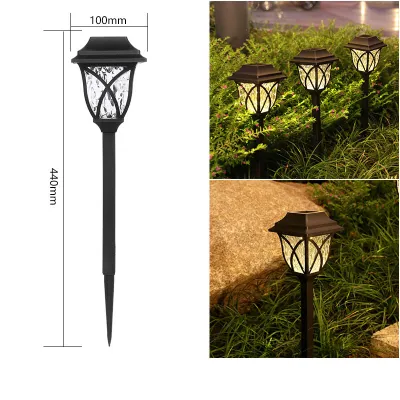
Prices are valid at publication and may change. Please refer to the product page for the latest price.

To safeguard your investment, you must understand how to read Ingress Protection (IP) ratings. An IP rating consists of two digits: the first measures protection against solid objects, while the second measures protection against liquids. For garden pathway lights exposed to open weather, look for a minimum rating of IP44, which protects against splashing water. However, for long-term durability against torrential tropical rains, choosing fixtures rated IP65 or IP67 is highly recommended, as these ratings certify protection against water jets and temporary immersion.
Material composition is equally vital when evaluating durability. The intense ultraviolet (UV) radiation from the sun can degrade low-quality plastics within a single season, causing them to become brittle, yellow, and crack.
- Stainless Steel: Excellent for modern aesthetics and structural strength. Ensure it is rated as marine-grade or high-quality stainless steel to prevent rust, especially if you live in coastal areas with salty air.
- ABS Plastic: A cost-effective and highly durable option, provided it is explicitly labeled as UV-stabilized or UV-resistant. High-grade ABS resists impact and does not corrode in high-humidity environments.
- Glass Lenses: Superior to plastic lenses because they do not cloud, scratch, or yellow over time when exposed to constant sunlight, ensuring the light output remains bright and clear.
Beyond the primary materials, inspect the physical build quality of the fixtures before purchasing. Look for seamless joints, rubber gaskets around the battery compartment and solar panel edges, and robust ground stakes. Soft, waterlogged soil during the rainy season can cause flimsy plastic stakes to lean or snap, so choosing reinforced or metal stakes will keep your lights upright and aligned.
Matching Brightness, Battery, and Lighting Modes
Achieving the perfect balance between functional safety and ambient beauty in your garden depends on selecting the right brightness levels, battery technologies, and operational modes. A common mistake is purchasing lights that are either too dim to illuminate hazards or so bright that they create uncomfortable glare.
Brightness in LED fixtures is measured in lumens, not watts. For pathway lighting, the ideal brightness depends on the primary purpose of the light:
- Ambient and Accent Lighting (10 to 30 Lumens): Best for outlining garden beds, highlighting specific plants, or creating a soft, warm glow along a clearly defined path.
- Safety and Navigation Lighting (50 to 100 Lumens): Recommended for steps, elevation changes, dark corners, or driveways where clear visibility is essential to prevent tripping.
Color temperature, measured in Kelvin (K), also plays a major role in the visual appeal of your landscape. Warm white light (2700K to 3000K) delivers a cozy, traditional, and inviting atmosphere that complements natural wood and stone. Cool white light (5000K to 6500K) provides a crisp, modern look with high contrast, which can enhance security but may feel clinical if overused. Color temperature is a matter of personal preference, but consistency across all fixtures is key to a cohesive design.
The battery is the heart of any solar led light outdoor system, storing the energy collected during the day to power the LEDs at night. Three main battery chemistries are commonly found in these fixtures:
- Nickel-Metal Hydride (NiMH): Frequently used in budget-friendly solar lights. They are widely available and easy to replace, but they have a lower energy density and a shorter overall lifespan compared to lithium options.
- Lithium-Ion (Li-ion): Offers higher energy density, faster charging times, and a longer lifespan. They perform well but can be sensitive to extreme heat if not properly insulated within the fixture.
- Lithium Iron Phosphate (LiFePO4): The gold standard for tropical outdoor lighting. They exhibit exceptional thermal stability, making them highly resistant to the intense heat of the Philippine sun, and boast a significantly longer cycle life than other battery types.
To maximize the efficiency of these batteries, consider the working modes of your chosen fixtures. Standard dusk-to-dawn lights turn on automatically when the sun sets and run continuously until the battery drains or dawn arrives. While convenient, this mode can struggle during consecutive overcast days. Alternatively, fixtures equipped with motion sensors or dual-brightness modes run at a low, energy-saving ambient level (e.g., 10% brightness) and boost to 100% brightness only when movement is detected, significantly conserving battery power.
Planning Placement for Maximum Solar Charging
Even the highest-quality solar lights will underperform if they are poorly positioned. Proper placement requires strategic planning to maximize solar energy collection while achieving an even, aesthetically pleasing distribution of light across your garden.
To ensure consistent nighttime illumination, the solar panels must receive direct, unobstructed sunlight for most of the day. In the Philippines, the sun’s path shifts slightly throughout the year, but positioning panels with a clear view of the sky—ideally facing south or in open areas—yields the best results. Avoid placing fixtures directly under dense tree canopies, wide roof eaves, or next to high perimeter walls that cast long shadows during the peak afternoon charging hours.
When laying out your lights along a walkway, avoid the common temptation to place them in a straight, tightly packed line, which can create a cold “airport runway” effect. Instead, use a staggered pattern on alternating sides of the path. This technique coaxes the eye forward, creates depth, and provides balanced illumination. Space the lights roughly 4 to 6 feet apart, depending on their lumen output, to ensure the pools of light gently overlap without leaving dark, hazardous gaps or creating harsh, overlapping glare.
Ground preparation is a crucial but often overlooked step in the installation process. During the dry season, clay-heavy soils in many Philippine regions can bake to a concrete-like hardness. Attempting to force a plastic ground stake directly into dry, hard earth will almost certainly crack or shatter the fixture.
To install your lights safely, thoroughly water the designated spots a few hours beforehand to soften the soil. Use a metal trowel, a screwdriver, or a dedicated pilot tool to create a guide hole before gently inserting the stake. Always check for underground utilities, such as shallow water pipes or outdoor electrical conduits, before driving stakes deep into the ground.
Maintaining Performance and Troubleshooting Common Issues
Solar pathway lights are generally low-maintenance, but a small amount of regular care will dramatically extend their operating life and keep them shining brightly. Neglecting basic upkeep can lead to dimming, reduced runtime, or premature component failure.
Over time, solar panels accumulate a fine layer of dust, pollen, bird droppings, and mineral deposits from evaporated rainwater. This buildup acts as a barrier, blocking sunlight and reducing the panel’s charging efficiency by up to 30%. To clean the panels, gently wipe them with a soft, damp microfiber cloth and a mild, non-abrasive soap solution. Avoid using harsh chemical cleaners, abrasive scrubbing pads, or high-pressure water hoses, as these can scratch the protective coating on the solar cells and allow moisture to seep inside.
Battery maintenance is another key aspect of long-term performance. Rechargeable batteries naturally degrade over time, typically lasting between one and three years depending on the chemistry and usage patterns. If you notice that your lights turn off after only an hour or two of darkness despite a full day of sunlight, the batteries likely need replacement. Always replace them with the exact battery type, voltage, and capacity recommended by the manufacturer to prevent damage to the internal circuitry.
If a light stops working entirely, follow these basic troubleshooting steps before discarding the fixture:
- Check the Power Switch: Many solar lights feature a physical on/off switch on the underside of the light cap or inside the battery compartment. Ensure it is switched to the "on" position.
- Test the Light Sensor: Solar lights use a built-in sensor to detect ambient light levels. To test if the light works, completely cover the solar panel with your hand or a piece of cardboard to simulate darkness. If the LED illuminates, the fixture is functioning correctly.
- Inspect for Corrosion: Open the battery compartment and check the metal contacts for white powdery residue or rust. Clean any corrosion off gently using a small brush or fine sandpaper, then reinsert the battery securely.
Frequently Asked Questions (FAQ)
Do solar pathway lights work during the rainy season?
Yes, solar pathway lights will still function during the rainy season, but their performance and runtime will be reduced. Solar panels do not require hot weather to charge; they rely on light energy, which can still penetrate thin cloud cover. However, heavy, overcast skies and prolonged rain significantly limit the amount of solar energy the panels can collect.
To compensate for these darker periods, choose fixtures equipped with high-efficiency monocrystalline solar panels, which perform better in low-light conditions than cheaper polycrystalline panels. Additionally, selecting lights with larger battery capacities or energy-saving motion-sensor modes will help ensure you have enough stored power to keep the paths illuminated through consecutive cloudy days.
Can I replace the built-in batteries in solar LED lights?
In most high-quality solar pathway lights, the built-in batteries are user-replaceable. Accessing the battery compartment typically requires removing a few small screws on the underside of the solar panel assembly or twisting off the light cap. Always consult the product manual or specifications to confirm if the battery is designed to be serviced.
When purchasing replacement batteries, it is critical to match the exact chemistry (such as NiMH or LiFePO4), voltage (typically 1.2V for NiMH or 3.2V for LiFePO4), and physical dimensions of the original battery. Installing an incompatible battery type can damage the charging regulator, shorten the lifespan of the LED, or prevent the light from charging altogether.

Community discussion
Share your experience or ask a question. Comments are reviewed before publication.