
Transforming a condo balcony into a cozy, inviting retreat often relies on the right lighting, and solar options offer a convenient, wire-free solution for high-rise living. To achieve the perfect ambient glow, you must match the light style to your specific balcony layout, daily sunlight access, and property regulations. Because high-rise balconies present unique challenges—such as concrete walls that cannot be drilled, glass railings, and wind exposure—selecting the right solar lights for outdoor use requires careful planning. By understanding how different fixtures operate and how they collect solar energy, you can design a beautiful outdoor space that lights up naturally every evening.
Assessing Your Balcony Layout and Condo Rules
Before purchasing any solar lighting fixtures, a thorough assessment of your physical balcony space is essential. Start by measuring the usable square footage, noting the height of the railings, and identifying potential mounting surfaces. Condo balconies typically feature concrete walls, metal or glass railings, and sometimes a concrete soffit overhead. Knowing these materials beforehand helps you determine what kind of mounting hardware is feasible, especially since traditional screws and nails are rarely options in leased or managed condominium units.
Property regulations play a major role in what you can install on your balcony. Most condominium corporations enforce strict guidelines regarding exterior modifications to maintain a uniform building appearance and ensure safety. Review your building’s house rules to check for restrictions on drilling into exterior walls, hanging items from the ceiling, or wrapping materials around railings. Additionally, consider the impact of light spill on your neighbors; ambient lighting should remain soft and contained within your balcony footprint rather than shining directly into adjacent units.
Products mentioned in this guide
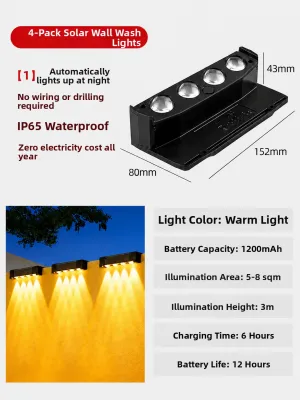
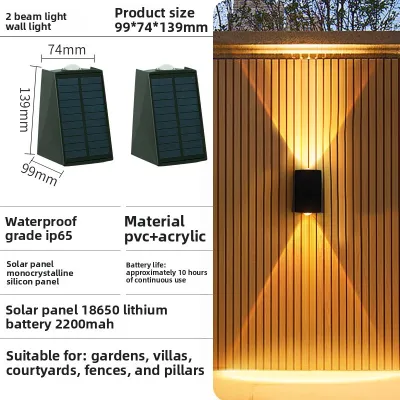
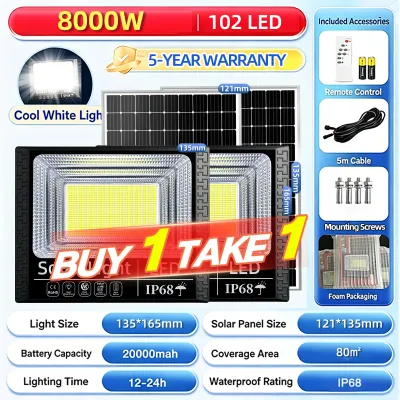
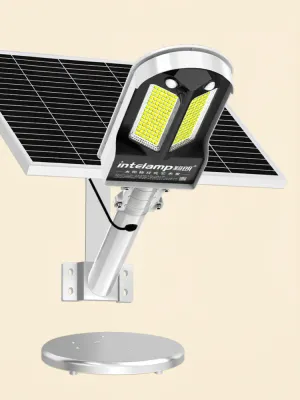
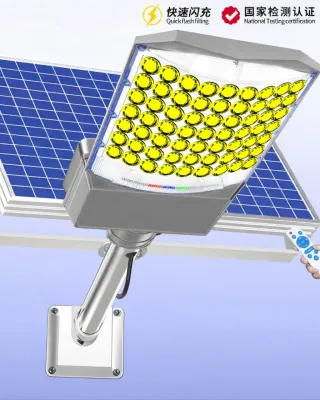
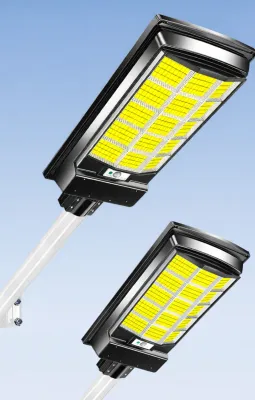
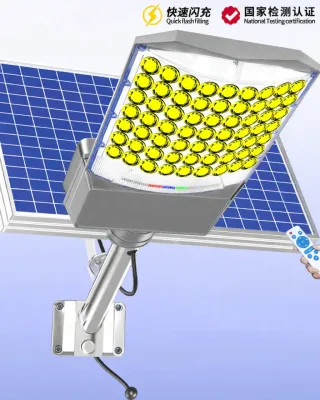
Prices are valid at publication and may change. Please refer to the product page for the latest price.
Sunlight exposure is the most critical factor for any solar-powered setup. Take a few days to track how many hours of direct sunlight your balcony receives and at what times of day. High-rise buildings often cast deep shadows, and balconies with deep overhangs or those facing north or east may only receive indirect light. This tracking will tell you whether you can use fixtures with integrated solar panels or if you need to look for systems with detached solar panels connected by a long cable, allowing you to position the panel in the sunniest spot while keeping the lights in the shade.
Matching Solar Light Styles to Ambiance Goals
Different solar light styles produce distinct visual effects, allowing you to customize the atmosphere of your balcony. Whether you want a festive, twinkling environment or a modern, minimalist glow, the key is selecting fixtures designed to perform well on paved, elevated surfaces. Unlike traditional garden solar lights that rely on soft soil for installation, balcony-friendly options must adapt to hard floors, railings, and vertical walls.

String Lights and Railing Wraps
String lights are highly versatile for creating a warm, continuous perimeter of light without requiring permanent structural changes. When selecting solar string lights, evaluate the total wire length and the spacing between individual bulbs to ensure they fit your railing or overhead space without excess drooping. A tightly wrapped railing provides a clean, modern look, while draping the lights overhead creates a more relaxed, canopy-like feel.
Because drilling is usually prohibited, look for damage-free mounting options to secure your string lights. Heavy-duty outdoor adhesive clips, tension rods wedged between walls, or UV-resistant zip ties are excellent for securing wires to metal or glass railing supports. Ensure that any adhesive used is rated for high humidity and temperature fluctuations to prevent the clips from failing during warm, damp weather.
For a relaxing and cozy atmosphere, pay close attention to the color temperature of the bulbs. Warm white light, which mimics the soft glow of traditional incandescent bulbs, is a popular conditional preference for ambient balcony settings, though some may prefer cooler tones depending on their personal style. Avoid cool white or blue-toned lights if you want to prevent a clinical, harsh feel in small, enclosed outdoor spaces.
Hanging Lanterns and Wall Sconces
Hanging lanterns and wall-mounted sconces add depth and vertical interest to your balcony lighting design. Hanging lanterns can be suspended from existing ceiling structures using heavy-duty tension bars or freestanding plant hangers designed for flat surfaces. Wall sconces, on the other hand, offer a more structured, architectural look that frames the balcony doorway or seating area.
If you plan to hang fixtures, always verify the weight limits of your mounting hardware. Since drilling into concrete or exterior tiles is typically restricted, high-strength outdoor adhesive hooks or suction cups designed for glass surfaces are the primary alternatives. Ensure the weight of the solar lantern does not exceed the rated capacity of the hook, and place the fixture where it will not swing violently in high winds.
To prevent harsh glare in close quarters, look for lanterns and sconces that feature frosted, textured, or colored glass enclosures. These materials diffuse the light outward, creating a soft, even glow rather than a piercing point of light. This diffusion is especially important on small balconies where seating is positioned close to the light sources.
Planter Stake Lights and Tabletop Options
While traditional stake lights are designed for garden pathways, they can easily be adapted for paved condo balconies. By inserting the stakes into deep potted plants, trough planters, or raised balcony garden beds, you can illuminate your greenery from within. This technique highlights the textures of your plants and adds a layer of low-level lighting that makes the balcony feel larger.
Tabletop solar lamps offer a highly portable and flexible lighting solution for dining tables, side tables, or shelving units. These self-contained units can be moved around as needed, serving as functional reading lights or decorative centerpieces. Because they do not require mounting, they are completely damage-free and can be brought indoors easily when not in use.
When selecting tabletop lamps or tall planter stakes, prioritize base stability. High-rise balconies are prone to sudden, strong wind gusts that can easily overturn lightweight decor. Opt for fixtures with weighted bases, low profiles, or secure mounting brackets to ensure they remain upright and intact during breezy evenings.
Technical Specifications to Verify on Product Labels
To ensure your solar lights survive the outdoor elements and perform reliably, you must look beyond aesthetics and verify specific technical details on the product packaging. The first and most important specification to check is the Ingress Protection (IP) rating. This rating consists of two numbers: the first indicates protection against solid particles like dust, and the second indicates protection against liquids. For general balcony use, look for a minimum rating of IP44, which protects against splashing water. If your balcony is completely unsheltered and exposed to heavy downpours, look for IP65 or higher, which indicates protection against water jets.
Next, evaluate the solar panel configuration. Integrated solar panels, where the panel is built directly into the top of the light fixture, are highly convenient but require the entire fixture to be placed in direct sunlight. If your balcony seating area is shaded by an overhanging roof, look for lights with a detached solar panel. These systems feature a separate panel connected to the light fixture by a thin, weather-resistant extension cable, allowing you to mount the panel on the outer edge of the railing where sunlight is abundant while keeping the actual lights in your shaded seating area.
The battery type and capacity printed on the label will dictate how long your lights stay illuminated after a day of charging. Most modern solar lights use rechargeable Lithium-ion (Li-ion) or Nickel-Metal Hydride (NiMH) batteries. Check the manufacturer’s specifications for the expected run time on a full charge, keeping in mind that these estimates are based on optimal sunlight conditions. Ensure the battery compartment is easily accessible and sealed with a rubber gasket to prevent moisture from corroding the electrical contacts.
Finally, verify the electrical safety certifications, voltage limits, and base or interface types if the solar light system includes an alternative charging method, such as a USB backup port. USB-chargeable solar lights are highly practical for rainy seasons when sunlight is scarce, but they must be rated for outdoor use and feature waterproof port covers. Always check that the product complies with local electrical safety standards before plugging any charging accessory into an indoor outlet.
Damage-Free Installation and Routine Maintenance
Installing your solar lights safely requires choosing the right non-destructive hardware for your balcony’s specific materials. For metal railings, UV-resistant nylon zip ties provide a secure, semi-permanent hold that can be easily snipped away without leaving marks. For glass panels, high-quality suction cups with integrated hooks work well, provided the glass is thoroughly cleaned before application. When dealing with concrete walls, avoid drilling and instead use outdoor-rated, double-sided mounting tape or removable adhesive hooks designed specifically for rough exterior surfaces.
Routine maintenance is essential to keep your solar lights operating at peak efficiency. Over time, outdoor solar panels accumulate a layer of dust, pollen, and urban grime that blocks sunlight and reduces charging efficiency. Establish a regular cleaning schedule to wipe down the solar panels with a soft, damp microfiber cloth. Avoid using abrasive scrubbers or harsh chemical cleaners, which can scratch the protective coating on the panel and permanently reduce its ability to absorb light.
Over months of continuous use, you may notice the lights dimming earlier in the night or failing to turn on at all. This is a common sign of battery degradation, as rechargeable batteries have a limited lifespan. Refer to the manufacturer’s instructions to locate the battery compartment, open it carefully to avoid damaging the waterproof seal, and replace the old battery with a new rechargeable one of the exact same chemistry, voltage, and capacity. Dispose of the old battery responsibly at a local e-waste recycling center.
Safety should always be your top priority during installation and maintenance, especially when working on a high-rise balcony. Never lean over the railing or stand on unstable furniture to hang lights or position solar panels. If you are installing lights near the edge of the balcony, secure all tools and fixtures with lanyards to prevent them from falling onto common areas or pedestrian paths below. For any complex setups involving suspended loads, fixed wiring, or high-altitude mounting, consult the building management or hire a qualified professional to ensure the installation is secure.
Frequently Asked Questions (FAQ)
Do solar lights work on shaded or north-facing balconies?
Yes, solar lights can work on shaded or north-facing balconies, but their performance will be limited compared to those placed in direct sunlight. To optimize charging in these conditions, select solar light systems that feature a detached solar panel. This allows you to run a thin extension cable from the light fixture to the sunniest spot on your balcony, such as the very top or outer edge of the railing. Keep in mind that indirect sunlight or partial shade will result in longer charging times and significantly reduced nightly run times, as the battery may not reach a full charge.
Can I leave solar lights outside during heavy rain and typhoons?
While most outdoor solar lights are designed to withstand standard rain showers, they are not built to survive extreme weather events like typhoons or severe tropical storms. Standard rain resistance depends on the fixture’s IP rating, with IP65 or higher offering excellent protection against heavy downpours. However, during typhoons, the combination of torrential rain and high-velocity winds poses a severe risk of physical damage or water intrusion. It is highly recommended to temporarily bring portable tabletop lights, hanging lanterns, and loose string lights indoors, and to ensure any fixed panels are tightly secured to prevent them from becoming dangerous airborne hazards.
Community discussion
Share your experience or ask a question. Comments are reviewed before publication.