
The best solar lights with separate solar panels for garden pathways and courtyards decouple the light fixture from the photovoltaic collector. This split-design configuration solves a classic limitation of traditional outdoor lighting: the inability to charge in shaded or covered areas. By choosing a system with a dedicated, remote solar panel, you can position the light fixtures exactly where you need illumination—under dense garden canopies, deep within covered patios, or along shaded walkways—while mounting the solar panel in a high-exposure area that receives direct sunlight. When shopping for a reliable solar lights with solar panel system, the optimal choice depends on matching the fixture style with robust weatherproofing and balanced electrical specifications.
The Advantage of Separate Panels for Shaded Gardens and Courtyards
Traditional integrated solar lights, which house the solar cell directly on top of the light fixture, require direct sunlight on the exact spot where illumination is needed. In many residential properties in the Philippines, this design poses a significant challenge. Courtyards are often bordered by high concrete firewall boundaries, covered by roof eaves, or shaded by mature tropical trees like mangoes and palms. Placing an integrated light in these shaded zones results in poor charging, dim output, and premature battery failure.
A split-design system overcomes these constraints by separating the light fixture from the solar collector via a dedicated power cable. This allows you to mount the light fixture under a covered lanai, carport, or deep within a leafy garden walkway while placing the solar panel several meters away on a sunny roofline or fence top. By maximizing solar exposure on the panel, you ensure the internal battery receives a full charge daily, regardless of how shaded the actual lighting zone remains. This design flexibility transforms how you plan landscape layouts, enabling reliable night lighting in areas previously deemed impossible to illuminate with solar technology.
Products mentioned in this guide
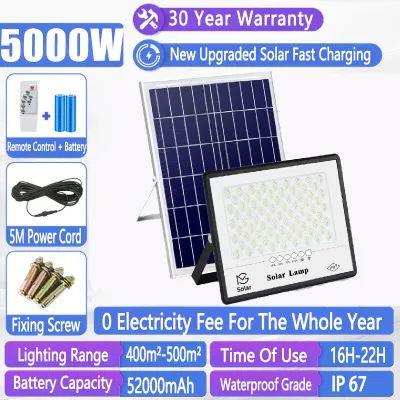
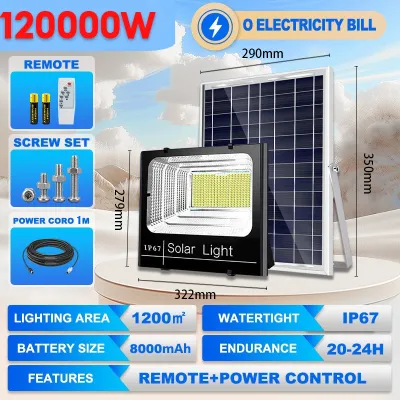
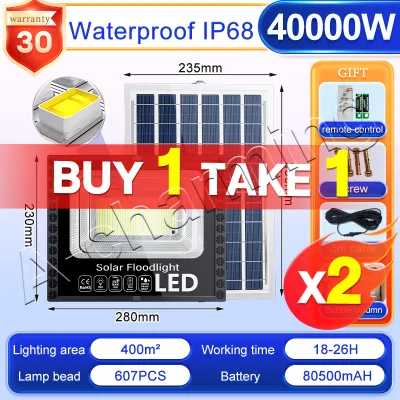
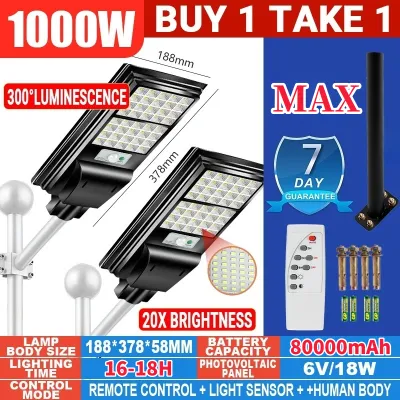
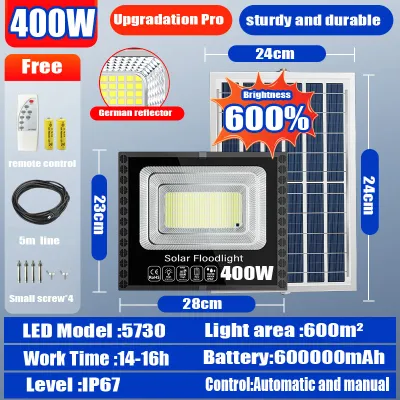
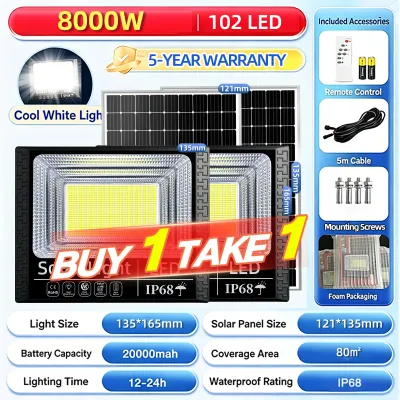
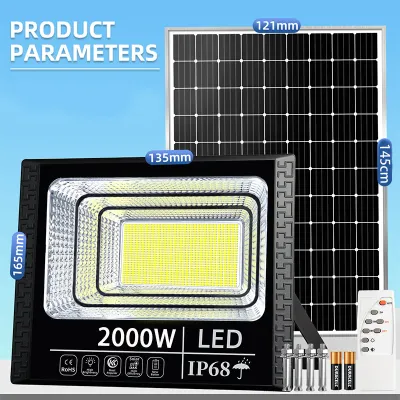
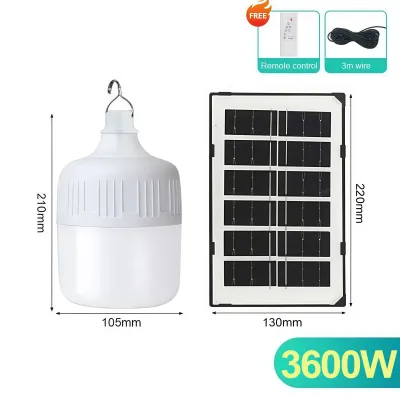
Prices are valid at publication and may change. Please refer to the product page for the latest price.
Essential Specifications to Evaluate for Solar Lights with Solar Panel
Selecting the right outdoor lighting system requires looking beyond aesthetic appeal. To ensure long-term durability and sufficient brightness, you must evaluate the technical specifications listed on the product packaging or manufacturer documentation. This technical verification prevents common issues such as inadequate brightness, short runtimes, or water damage during the wet season.

Brightness, Beam Angle, and Color Temperature
When evaluating light output, focus on the lumen rating rather than the electrical wattage, as LED efficiency varies between brands. For pathway safety, where the primary goal is illuminating steps or changes in elevation, look for fixtures delivering 100 to 300 lumens with a focused, downward beam angle (typically 45 to 90 degrees) to prevent blinding glare. For broader courtyard ambiance, a wider beam angle of 120 degrees or more with a softer output of 50 to 150 lumens is ideal for creating a warm, inviting atmosphere.
Color temperature and spatial effects are subjective design preferences that dictate the mood of your outdoor space, rather than absolute performance metrics. Cool white light (5000K to 6500K) offers high visibility and a modern, crisp look, making it excellent for security floodlights or highly functional pathways. Warm white light (2700K to 3000K) provides a soft, golden glow that enhances the natural textures of stone walls and tropical foliage, making it the preferred choice for relaxing courtyard seating areas. Always verify the manufacturer’s specification sheet to confirm the color temperature matches your landscape’s design goals.
Battery Capacity and Solar Panel Wattage
The relationship between the solar panel’s wattage rating and the battery’s capacity—measured in milliamp-hours (mAh) or Watt-hours (Wh)—determines how long your lights will stay illuminated at night. A common mistake is choosing a light with a high-capacity battery but an undersized solar panel. In regions with frequent afternoon rain or seasonal cloud cover, a panel with a low wattage rating (e.g., under 2 watts) cannot generate enough current to fully charge a large 5,000 mAh battery during the day, resulting in lights that turn off after only a few hours.
To ensure reliable all-night operation, look for balanced systems where the solar panel wattage is sufficient to charge the battery fully within 6 to 8 hours of partial sunlight. For example, a heavy-duty courtyard floodlight may require a panel rated at 5 to 10 watts to adequately replenish a high-capacity lithium-ion battery. Before purchasing, verify the system’s operational voltage (typically low-voltage DC for safety), base or interface compatibility, wattage limits, physical dimensions, dimming methods, installation environment suitability, and local electrical certifications (such as the Philippine Standard mark or international equivalents) to ensure safe and compatible operations.
Weather Resistance for Humid and Rainy Seasons
Outdoor lighting in tropical environments must withstand intense heat, high humidity, and heavy seasonal downpours. To verify a fixture’s waterproofing capabilities, check its Ingress Protection (IP) rating. A minimum rating of IP65 is necessary for general outdoor use, indicating the fixture is dust-tight and protected against water jets from any angle. For low-lying pathway lights or areas prone to temporary pooling water during heavy rains, look for an IP67 rating, which certifies protection against temporary submersion.
Do not assume that all products labeled “outdoor-ready” are built to survive prolonged moisture exposure or high humidity. Carefully review the manufacturer’s warranty terms, paying close attention to exclusions regarding water ingress and corrosion. High-quality fixtures often utilize corrosion-resistant materials like ABS plastic, aluminum with anti-oxidation coatings, or stainless steel to prevent rust and degradation over time.
Matching Light Designs to Your Pathway and Courtyard Layouts
Different areas of your garden require distinct lighting form factors to balance safety, aesthetics, and functionality. Matching the physical design of the fixture to its intended location ensures optimal light distribution and a seamless visual integration with your home’s architecture.
Stake and Bollard Lights for Pathways
Pathway lighting should guide movement safely without creating harsh shadows or glare. Stake lights are excellent for low-profile, ground-level illumination along winding garden paths, flower beds, and stepping stones. Because they insert directly into the ground, they are easy to position and adjust. Bollard lights, which are taller and more structurally substantial, offer a modern, architectural presence that works well along wider driveways or formal walkways.
Before purchasing, verify the length and material of the mounting stakes. In tropical soils, which can range from dense clay to loose sand, sturdy stakes made of reinforced polymer or metal are essential to prevent the lights from tilting or falling over during high winds. Ensure the ground is sufficiently soft before inserting the stakes to avoid breaking the mounting hardware, and adjust the spacing to maintain a continuous, low-glare path of light.
Wall-Mount, Hanging, and Flood Lights for Courtyards
Courtyards, patios, and outdoor dining areas require elevated lighting to distribute illumination over seating zones and entryways. Wall-mounted sconces or hanging pendant lights with separate solar panels are ideal for these spaces, as they can be mounted directly to walls, pergolas, or roof eaves. For security or high-intensity illumination, multi-directional solar floodlights with motion sensors provide broad coverage across large open areas.
Installing elevated fixtures requires careful attention to mounting hardware and cable management. Ensure all screws, brackets, and anchors are rated for outdoor use and compatible with your wall material (such as concrete, brick, or wood). If your installation involves routing cables at height, working near damp areas, or connecting to fixed electrical wiring, prioritize safety by isolating the power supply, reading the manufacturer’s installation instructions explicitly, and consulting a qualified professional to prevent electrical hazards or warranty voids. Keep cables neatly secured along architectural lines using UV-resistant cable clips to maintain a clean appearance and prevent physical damage.
Strategic Panel Placement and Safe Cable Routing
The performance of your split-design solar lighting system depends entirely on the placement of the solar panel and the integrity of the connecting cables. Proper planning during the installation phase prevents charging failures and eliminates safety hazards in your yard.
Position the solar panel in a location that receives unobstructed, direct sunlight for the majority of the day. In the Philippines, which sits close to the equator, the sun’s path shifts slightly north and south throughout the year. To maximize year-round solar collection, mount the panel flat or at a slight tilt facing south or north, ensuring it is entirely free from shadows cast by rooflines, neighboring buildings, or growing foliage. Even a small shadow covering a fraction of the solar panel can drastically reduce its overall power output.
Once the panel and light fixtures are mounted, focus on safe cable routing. Loose, dangling wires not only detract from your garden’s beauty but also pose serious tripping hazards and are highly susceptible to damage from lawnmowers, weed weeders, or pets. Route the cables along existing structures like fences, walls, or garden borders, securing them with UV-resistant cable ties or clips. For ground-level crossings, bury the cables inside a shallow trench protected by a durable PVC conduit to shield them from moisture and accidental cuts from gardening tools.
Always check the manufacturer’s specifications regarding the maximum cable length before attempting to extend the wires. While some brands offer official, weatherproof extension cables, cutting and splicing the wires yourself can cause a significant voltage drop, reduce charging efficiency, compromise the system’s weatherproofing, and void the product warranty.
Routine Maintenance for Tropical Climates and Heavy Rain
Tropical climates present unique challenges for outdoor electronics, including rapid dust accumulation, mold growth, insect nesting, and intense humidity. Implementing a regular maintenance routine is essential to preserve the efficiency of your solar panels and extend the overall lifespan of your lighting system.
At least once a month, inspect and clean the surface of the solar panel. Use a soft, damp microfiber cloth and clean water to gently wipe away accumulated dust, pollen, bird droppings, and algae that can block sunlight and reduce charging efficiency. Avoid using abrasive sponges, harsh chemical cleaners, or high-pressure washers, as these can scratch the tempered glass or damage the protective seals around the panel frame.
Next, inspect the cable connections and housing seals for signs of wear, moisture ingress, or corrosion. Ensure all screw caps on waterproof connectors are tightly fastened. If you notice any dirt or moisture inside the connection ports, disconnect the power, clean the terminals with an electrical contact cleaner, allow them to dry completely, and reassemble them securely. Additionally, trim back any fast-growing tropical foliage, vines, or tree branches that may have grown over the solar panel and cast new shadows.
When the internal battery eventually reaches the end of its lifespan—typically after two to three years of daily charge cycles—consult the manufacturer’s manual for the correct replacement procedure. Always use batteries that match the original voltage, chemistry (such as LiFePO4 or Li-ion), and capacity specifications. During extreme weather events like typhoons, safely disconnect the fixtures and store them indoors if recommended by the manufacturer to prevent physical damage from flying debris or severe flooding.
Frequently Asked Questions (FAQ)
Can I extend the cable between the solar panel and the light?
While some manufacturers offer official, plug-and-play extension cables designed specifically for their systems, DIY cutting and splicing of the standard wires is generally discouraged. Altering the factory cable can compromise the waterproof seal, allowing moisture to seep into the wiring and cause short circuits or corrosion. Furthermore, extending the cable beyond the manufacturer’s recommended limit introduces electrical resistance, leading to a voltage drop that prevents the battery from charging efficiently. Always check the included cable length before purchasing, and use only official, brand-approved extension accessories to maintain your warranty and system safety.
Do solar lights with separate panels work during prolonged rainy seasons?
Yes, solar panels can still generate electricity on overcast or rainy days by utilizing diffuse sunlight, but their charging efficiency will be significantly reduced compared to bright, sunny days. During the peak of the rainy season, you can expect shorter nighttime runtimes and dimmer light output. To mitigate this, choose systems with a high solar-panel-to-battery ratio, which charge more efficiently under low-light conditions, or models that feature adjustable brightness settings or motion sensors. These features conserve battery power by keeping the lights dim or off until motion is detected, ensuring reliable operation even during consecutive cloudy days.
Community discussion
Share your experience or ask a question. Comments are reviewed before publication.