
Selecting the right solar lights with solar panels for your garden or yard in the Philippines requires balancing aesthetic appeal with practical durability. Our tropical climate brings intense sunlight, high humidity, heavy monsoon rains, and powerful typhoons. To ensure your outdoor lighting survives these demanding conditions while keeping your pathways and seating areas beautifully illuminated, you must look closely at product specifications, construction materials, and installation methods.
By understanding how to read product labels, matching specific light styles to your garden zones, and taking steps to secure your fixtures against extreme weather, you can build a reliable, energy-independent outdoor lighting system. This guide provides the essential frameworks, checklists, and verification steps to help you make an informed decision before purchasing your next set of solar lanterns or torches.
Key Specifications to Check on Solar Light Labels
When browsing outdoor lighting options, product labels and specification sheets are your first line of defense against poor performance. The most critical values to examine are the lumen output and the battery capacity. Lumens measure the total amount of visible light emitted by the fixture. For gentle accent lighting along a garden border, a rating of 10 to 50 lumens is usually sufficient, whereas active pathways or security zones may require 100 to 300 lumens or more.
Products mentioned in this guide
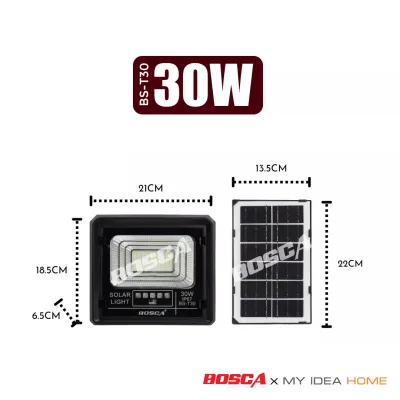
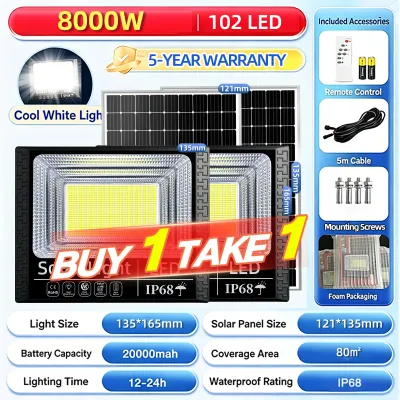
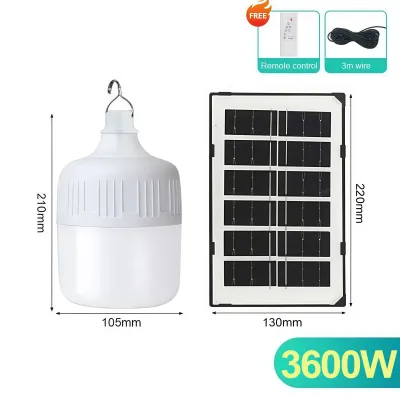
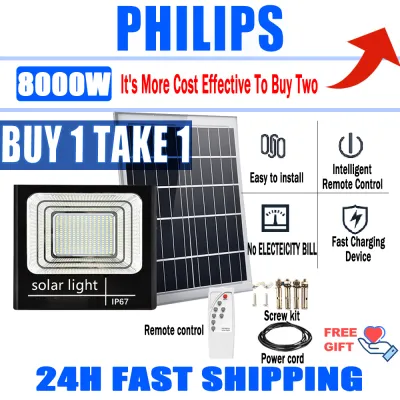
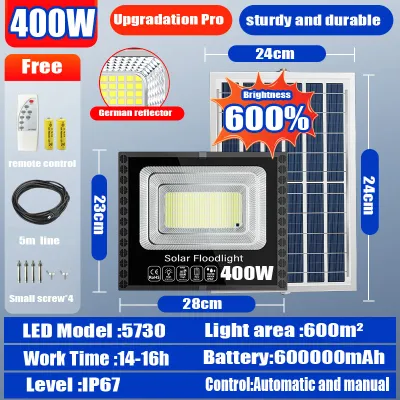
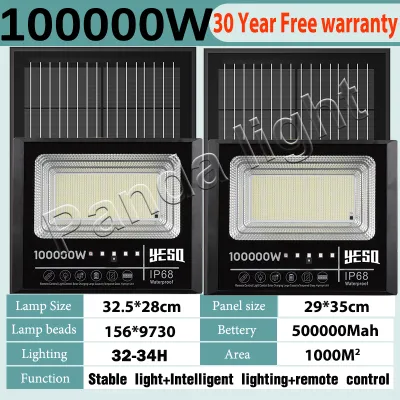
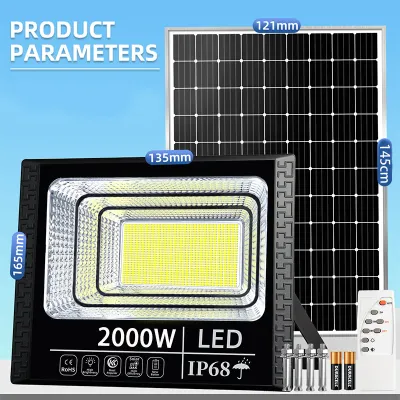
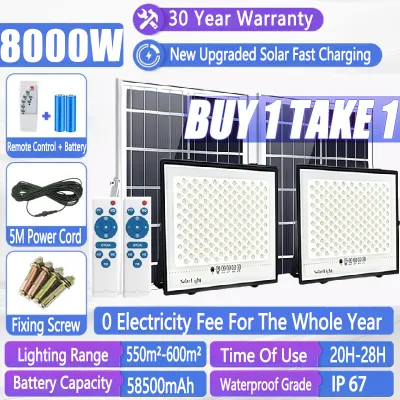
Prices are valid at publication and may change. Please refer to the product page for the latest price.
To ensure the light can sustain this output throughout the night, you must cross-reference the lumens with the battery capacity, typically measured in milliampere-hours (mAh) or watt-hours (Wh). A high-lumen light paired with a low-capacity battery will drain quickly, leaving your yard dark after only a few hours. Look for manufacturer specifications that detail the expected runtime on a full charge, and verify that the battery voltage matches the requirements of the light engine to prevent premature component failure.
Weather resistance is another non-negotiable specification for outdoor fixtures in a tropical environment. You should always check the Ingress Protection (IP) rating on the packaging. An IP rating consists of two digits: the first represents protection against solid particles like dust, and the second represents protection against liquids. For general garden use where fixtures are exposed to heavy downpours, look for a minimum rating of IP65, which indicates the housing can withstand water jets from any direction. For low-lying garden areas prone to temporary pooling or flooding during heavy rains, consider fixtures rated IP67 or higher, which can survive temporary submersion.
Additionally, pay close attention to the solar panel efficiency type listed by the manufacturer. Solar panels integrated into garden lights generally fall into three categories: monocrystalline, polycrystalline, or amorphous silicon. Monocrystalline panels feature the highest energy conversion rates, meaning they can generate more electricity in a smaller surface area and perform better under partial shade or overcast skies. Polycrystalline panels are highly common and cost-effective but require slightly more surface area to achieve the same output. Amorphous panels are typically found on budget fixtures; while they are highly flexible, they generally offer lower efficiency and a shorter overall lifespan.
Finally, verify that the product carries recognized electrical and safety certifications. Certifications such as CE, RoHS, or local quality marks indicate that the product has undergone standardized testing for electrical safety, material hazards, and environmental compliance. Avoid products that lack clear certification labels, as they may use substandard wiring or low-grade battery cells that pose safety risks under high heat and humidity.
Matching Lantern and Torch Styles to Garden Zones
Different areas of your yard serve different purposes, and your lighting choices should reflect these functions. For pathways, walkways, and garden borders, low-profile solar torch lights are highly effective. These fixtures are typically mounted on ground spikes, casting light downward or outward at a low angle to illuminate potential tripping hazards without creating harsh glare. Many modern solar torches feature realistic flickering flame effects created by programmed LEDs, adding a warm, welcoming ambiance to your entryways while keeping the ground clearly visible.

For ambient seating areas, patios, verandas, and pergolas, hanging or tabletop solar lanterns are the preferred choice. These fixtures are designed to provide diffused, comfortable light that encourages relaxation. Hanging lanterns can be suspended from tree branches, shepherd’s hooks, or structural beams, while tabletop models offer portable illumination that can be moved as needed. When selecting lanterns for these social zones, consider the housing materials; high-quality plastics, treated metals, and thick glass are better suited to withstand constant exposure to humid air than untreated metals, which can rust rapidly.
For accenting specific landscape features—such as a prominent tree, a water feature, or a garden sculpture—or for enhancing security around entry points, look for directional spotlights or floodlights. These fixtures often feature a split design where the light head is separate from the solar panel, connected by a durable, weather-sealed cable. This configuration is incredibly useful because it allows you to place the light fixture in a shaded area, such as under a deep roof overhang or beneath dense foliage, while mounting the solar panel in a high-exposure spot that receives direct sunlight.
When planning these zones, keep in mind that decorative style and perceived color temperature are highly subjective. Warm white light (around 2700K to 3000K) is generally preferred for cozy seating areas and garden paths because it mimics traditional incandescent lighting and blends naturally with outdoor foliage. Cool white light (5000K to 6500K) provides higher contrast and visibility, making it more suitable for security zones, driveways, and active work areas. Ensure you check the color temperature specification on the box to maintain a cohesive look across your entire yard.
Installation and Weather Resilience in the Philippines
Proper installation is key to maximizing the lifespan and performance of your solar lights. The primary rule of solar placement is to avoid shadows. Before mounting your fixtures or separate panels, observe your yard at different times of the day to identify shadows cast by rooflines, tree canopies, fences, and adjacent structures. Because the sun’s path shifts throughout the year, position your solar panels where they will receive unobstructed, direct sunlight for at least six to eight hours daily, preferably facing south to capture the maximum amount of solar radiation.
Securing your fixtures against the strong winds and heavy gusts of the typhoon season is a critical step that many homeowners overlook. Ground-mounted torches and path lights should be driven deep into firmly compacted soil; if your garden soil becomes loose or muddy when wet, consider reinforcing the base with a small concrete footing or securing the spike inside a heavier decorative planter. For hanging lanterns, avoid simple open S-hooks, which can easily unhook and fall during high winds. Instead, use closed-loop carabiners, screw-gate links, or heavy-duty zip ties to secure the fixtures to their mounting points.
If your installation requires mounting solar panels or heavy light fixtures at height—such as on a high roofline, a gutter, or a tall pole—always prioritize safety. Use sturdy ladders, wear appropriate personal protective equipment, and ensure all mounting brackets are bolted securely into structural members rather than thin fascia boards. If your solar lighting setup involves fixed electrical wiring, integration with existing home circuits, or structural modifications, always isolate the power supply before starting work and consult a qualified professional to ensure compliance with local electrical codes.
Routine maintenance is essential to keep your solar lights operating at peak efficiency. Over time, dust, pollen, salt spray in coastal regions, and bird droppings can accumulate on the surface of the solar panel, blocking sunlight and reducing charging efficiency. Clean the panels every few weeks using a soft, damp microfiber cloth and mild soapy water; avoid abrasive scrubbers or harsh chemical cleaners that can scratch or degrade the protective outer coating. Additionally, periodically open the battery compartments to check for signs of moisture ingress, rust, or corrosion. If you detect moisture, dry the compartment thoroughly, clean any light corrosion off the contacts with a dry cloth, and ensure the rubber sealing gasket is properly seated before reassembling the fixture.
Pre-Purchase Verification for Online and In-Store Shopping
Before finalizing your purchase on an online marketplace or at a local home improvement store, go through a systematic verification checklist to ensure you are getting a reliable product. First, verify all included components listed in the product description. Ensure that the package contains all necessary mounting hardware, brackets, screws, ground spikes, and, if applicable, the correct length of connecting cable for split-panel designs. Measuring your planned installation path beforehand will help you confirm if the included cable is long enough to reach from the sunny panel location to the shaded light fixture.
Second, check the warranty terms and the availability of replacement parts. High-quality solar lights often come with a manufacturer’s warranty that covers defects in materials and workmanship for a specified period. Furthermore, find out if the internal battery is user-replaceable. Many budget-friendly solar lights feature sealed compartments with soldered batteries that cannot be replaced, meaning the entire fixture must be discarded once the battery degrades. Choosing fixtures that use standard, easily accessible rechargeable battery sizes (such as AA or AAA NiMH, or standard 18650 lithium-ion cells) ensures you can easily swap out old batteries and extend the life of your lights for several years.
Third, read through user reviews and feedback, focusing specifically on how the lights perform during the local rainy season or after a major storm. Look for comments regarding water leakage, fogging inside the lens, or rapid battery drain on overcast days. Real-world feedback from other buyers in similar tropical climates provides invaluable insight into the actual build quality and weatherproofing of the product, helping you avoid models that are prone to premature failure.
Finally, verify the seller’s return policy and customer support reputation. Buying from authorized brand stores or highly rated sellers on ecommerce platforms gives you recourse if the product arrives damaged, is missing parts, or fails to operate out of the box. Taking these extra verification steps before checkout will save you time, money, and frustration, ensuring your garden remains beautifully lit for seasons to come.
Frequently Asked Questions (FAQ)
Do solar lights work during the Philippine rainy season?
Yes, solar lights will still charge and operate during the rainy season, but their performance will be noticeably reduced. Solar panels do not require hot weather to function; they rely on light energy, which can still penetrate cloud cover. However, because overcast skies significantly reduce the intensity of the light reaching the panel, the battery will not receive a full charge.
This incomplete charging cycle results in shorter runtimes at night. To compensate for consecutive cloudy days, look for solar lights equipped with power-saving modes, such as motion-sensor activation or adjustable brightness settings. These features allow the light to remain dim or off until motion is detected, conserving the limited battery power for when it is actually needed.
Can I replace the battery in a solar garden lantern?
Whether you can replace the battery depends entirely on the design of the specific solar lantern. Many high-quality fixtures are designed with accessible battery compartments secured by screws and sealed with rubber gaskets to prevent water entry. These models typically use standard rechargeable batteries, such as NiMH (Nickel-Metal Hydride) or Li-ion (Lithium-ion) cells, which can be easily replaced once they lose their ability to hold a charge.
Before attempting a replacement, always consult the manufacturer’s manual to verify the exact battery type, voltage, and capacity required. To replace the battery safely, first turn off the fixture or isolate the power. Carefully unscrew the compartment cover, remove the old battery, and insert the new one while paying close attention to the correct polarity. Before sealing the compartment, inspect the rubber gasket for cracks or debris, and tighten the screws securely to maintain a watertight seal.
Community discussion
Share your experience or ask a question. Comments are reviewed before publication.