
Selecting the right solar pathway lights for your home in the Philippines requires matching the specific demands of each outdoor zone with the technical features of the fixture. Because tropical weather brings both intense, direct sunlight and prolonged rainy seasons, a single type of solar light will not perform optimally across all areas. For driveways and entryways, the priority is high visibility and physical durability. Garden paths require soft, glare-free illumination that highlights landscaping without overpowering the space. For perimeter security, motion-activated sensors and flexible panel placement are essential to deter intruders and light up dark corners. By evaluating these distinct zones, you can establish an efficient, reliable outdoor lighting system that withstands local climate conditions.
Quick Guide to Matching Solar Lights with Outdoor Areas
Outdoor lighting is not a one-size-fits-all addition to your property. Each zone serves a unique purpose, meaning the ideal fixture for a garden bed will likely fail to secure a dark alleyway or safely guide a vehicle down a driveway. Driveway lighting focuses primarily on safety and navigation, requiring bright, consistent illumination to mark boundaries. Garden lighting, on the other hand, emphasizes aesthetics and gentle guidance, using softer tones to create a welcoming atmosphere. Security lighting operates on demand, using sudden brightness to alert homeowners of movement.
Before purchasing any solar fixture, it is crucial to inspect the product packaging or manufacturer specifications. Pay close attention to the lumen output, which indicates the brightness of the light, and the beam angle, which determines how wide the light spreads. Additionally, verify the sensor types integrated into the unit, such as dusk-to-dawn photocells or motion detectors, to ensure the light behaves exactly as needed for its designated location.
Products mentioned in this guide
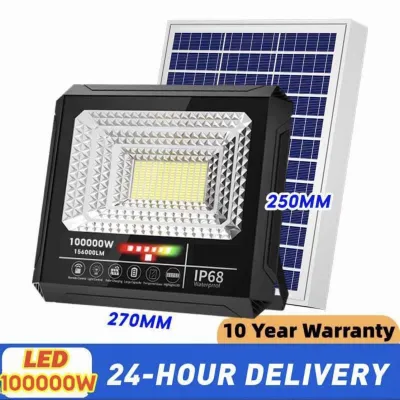
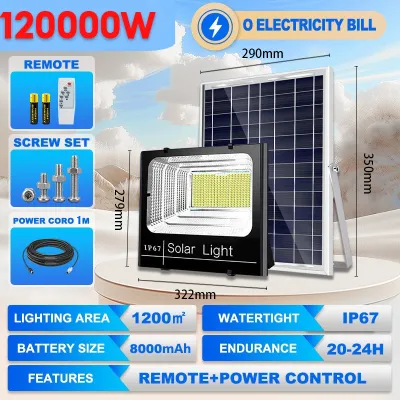
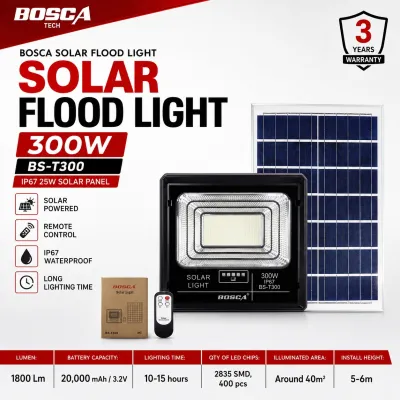
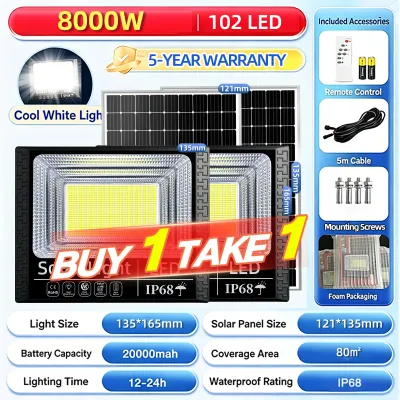
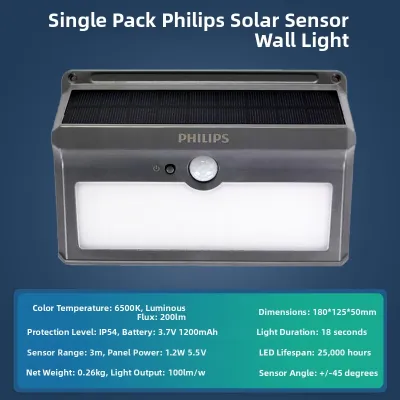
Prices are valid at publication and may change. Please refer to the product page for the latest price.
Lighting Up Driveways and Entryways
Driveways and main entryways demand robust lighting that ensures safe passage for both vehicles and pedestrians. Because these areas involve active movement and potential hazards, low-intensity accent lights are insufficient. Instead, look for solar fixtures that offer higher lumen outputs to clearly define the edges of the driveway and illuminate any obstacles. A wider beam angle is also beneficial here, as it allows the light to spread across the broad pavement rather than focusing on a single, narrow spot.

When planning the layout, check the manufacturer’s recommended mounting height and spacing guidelines. Placing fixtures too far apart creates dark patches that compromise safety, while placing them too close together can cause unnecessary glare. For ground-installed stake lights along a driveway, ensure they are positioned slightly back from the pavement edge to prevent them from being run over by car tires or struck by car doors.
Durability is another critical factor for these highly exposed zones. Driveways are fully open to the elements, meaning fixtures must endure intense tropical heat, heavy downpours, and high humidity. Check the product specifications for a high water-resistance rating, such as IP65 or higher, which indicates the housing can withstand low-pressure water jets from any direction. The structural material should also be robust; look for heavy-duty plastics, aluminum, or stainless steel that will not easily crack under the sun or degrade when exposed to moisture.
Illuminating Garden Paths and Landscaping
In garden beds and along walking paths, the goal of lighting shifts from intense visibility to subtle ambiance and safe footing. High-lumen floodlights in these areas can wash out the natural colors of your plants and create harsh shadows that ruin the landscape’s visual appeal. Instead, opt for fixtures with lower lumen outputs and warm color temperatures, typically ranging from 2700K to 3000K. Downward-facing designs are highly recommended for paths, as they direct the light precisely where your feet tread while keeping the bulb hidden from direct line of sight, minimizing eye strain.
Physical dimensions play a significant role in how well the lights integrate into your garden. Check the product dimensions and stake lengths before buying. Tall stakes are useful in thick ground cover or flowerbeds where low-profile lights would be swallowed by foliage. Conversely, shorter stakes work best along clean, manicured lawn edges or gravel paths where they remain unobtrusive.
Solar panel placement is a unique challenge in lush, tropical gardens. Philippine gardens often feature dense foliage, broad-leafed ornamental plants, and overhanging trees that cast deep shadows. When selecting garden solar lights, verify where the solar panel is positioned on the fixture. If the panel is integrated directly onto the top of the light head, ensure the chosen installation spot receives several hours of unobstructed sunlight daily. If a path is permanently shaded, you may need to look for fixtures that connect to a small, external solar panel that can be positioned a few meters away in a sunnier spot.
Securing Perimeters and Dark Corners
Securing the perimeter of your home and illuminating dark side-streets or blind spots requires a proactive lighting strategy. Standard continuous-on pathway lights are rarely bright enough to deter intruders, and they can deplete their battery charge long before dawn. For these vulnerable areas, solar security lights equipped with passive infrared (PIR) motion sensors are the most effective choice. These sensors detect heat signatures from moving objects, triggering the light to switch from a dim standby mode to full brightness.
When comparing security fixtures, review the manufacturer’s specifications for the detection range and detection angle. A wider detection angle, such as 120 to 180 degrees, ensures that movement approaching from the sides is caught early. Adjustable sensitivity settings are also highly valuable, allowing you to fine-tune the sensor so that small animals or wind-blown plants do not constantly trigger the light, which would unnecessarily drain the battery.
Because dark corners, side alleys, and under-eave areas rarely receive direct sunlight, standard all-in-one solar fixtures are often impractical for security. Instead, look for specialized security lights that feature a separate solar panel connected to the light fixture via a long, weather-resistant cable. This design allows you to mount the light fixture exactly where illumination is needed—such as under a dark roof overhang or inside a carport—while placing the solar panel high up on a roof or wall where it can capture maximum sunlight throughout the day.
Installation Checks and Cross-Area Compatibility
Before finalizing your purchase or driving stakes into the ground, conduct a thorough site assessment. Observe the sunlight patterns around your property at different times of the day. A spot that seems bright at noon might be shaded by a neighbor’s wall or a large tree for the rest of the day. Identify any overhead obstructions, such as roof gutters or tree branches, that could block sunlight or drop debris onto the solar panels. Additionally, check the soil drainage; areas where water pools during heavy rains can submerge the base of your light stakes, potentially damaging the internal electronics over time.
If you prefer a unified look across your property, evaluate whether a single, versatile fixture type can serve multiple areas. Some modern solar lights offer adjustable mounting options, allowing them to be staked into the ground, mounted on a wall, or clamped to a fence. Look for models with switchable lighting modes, which let you set a bright, motion-activated mode for the driveway and a soft, continuous-on mode for the garden path.
While many solar pathway lights are designed for simple, tool-free DIY installation, certain setups require professional assistance. If your lighting plan involves drilling into structural concrete walls, mounting heavy fixtures at height, or routing cables through existing electrical conduits, consult a qualified professional. This ensures the installation remains structurally secure and does not interfere with your home’s existing electrical wiring.
Frequently Asked Questions (FAQ)
How do solar pathway lights perform during the rainy season?
During the rainy season in the Philippines, prolonged cloudy days and heavy downpours naturally reduce the amount of sunlight available to charge solar batteries. The performance of your lights during these periods depends heavily on the battery capacity and solar panel efficiency specified on the product label. High-efficiency monocrystalline panels tend to convert light better under overcast skies than polycrystalline alternatives. To manage performance during extended wet spells, check if your fixtures feature a manual power switch or a power-saving mode that dims the light output to conserve battery life through the night.
Can the batteries in solar lights be replaced?
Whether you can replace the batteries depends entirely on the design of the specific fixture. Always consult the manufacturer’s manual or product packaging to verify if the battery compartment is accessible and what type of replacement battery is required. Many high-quality solar lights use standard rechargeable batteries that can be easily swapped out once they reach the end of their lifespan. However, avoid attempting to open sealed, waterproof units that are not designed for user maintenance, as doing so can ruin the protective seals, void the warranty, and allow moisture to enter the housing.
What is the best way to clean solar panels on outdoor lights?
To maintain optimal charging efficiency, solar panels must be kept free of dust, pollen, and water spots. The safest cleaning method is to use a soft, damp microfiber cloth to gently wipe the surface of the panel. For stubborn dirt, a mild mixture of water and a drop of gentle dish soap is usually sufficient. Never use harsh chemical cleaners, abrasive scrubbing pads, or high-pressure water sprays, as these can scratch the protective coating of the solar panel or compromise the water-resistant seals of the fixture.
Community discussion
Share your experience or ask a question. Comments are reviewed before publication.