
To illuminate a garden pathway in the Philippines, outdoor lighting must endure some of the most punishing environmental conditions on earth. The combination of intense ultraviolet (UV) radiation during the dry season and torrential downpours during the monsoon season can quickly degrade subpar outdoor fixtures. Selecting the right solar walkway lights requires looking past generic “waterproof” labels and focusing on specific engineering standards, material choices, and battery chemistries designed to withstand high humidity, extreme heat, and heavy rainfall.
To ensure long-term durability, the ideal solar walkway lights for Philippine landscapes must feature an Ingress Protection rating of at least IP65, a housing made of UV-stabilized polycarbonate, cast aluminum, or marine-grade stainless steel, and a high-temperature tolerant battery chemistry such as Lithium Iron Phosphate (LiFePO4). Additionally, monocrystalline solar panels are critical for generating power during consecutive overcast days. By verifying these specifications, you can secure a reliable, low-maintenance lighting system that keeps your garden paths safely illuminated year-round.
Quick Guide: Essential Specs for Tropical Solar Walkway Lights
The tropical climate of the Philippines presents a unique set of challenges for outdoor electronics. High ambient temperatures, perpetual humidity, and intense solar exposure accelerate the physical degradation of plastics, seals, and batteries. During the wet season, prolonged exposure to moisture can lead to internal condensation, while the dry season’s relentless UV rays can make cheap plastics brittle and yellowed within months.
Products mentioned in this guide
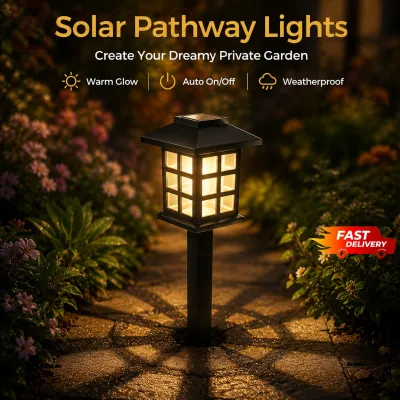
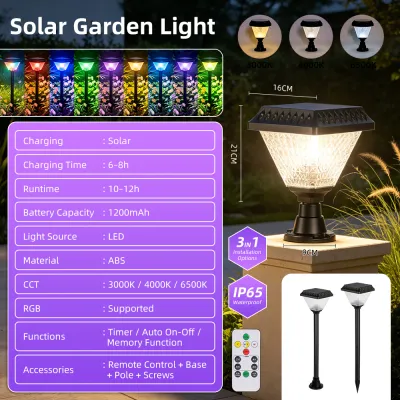
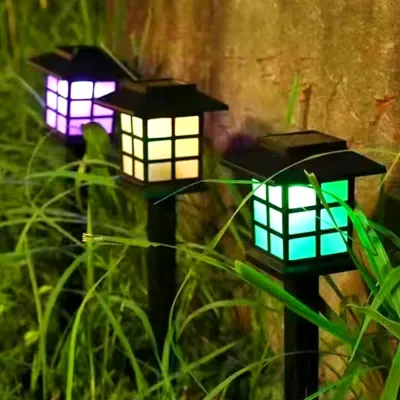
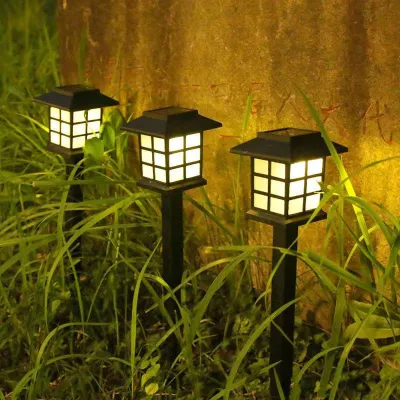
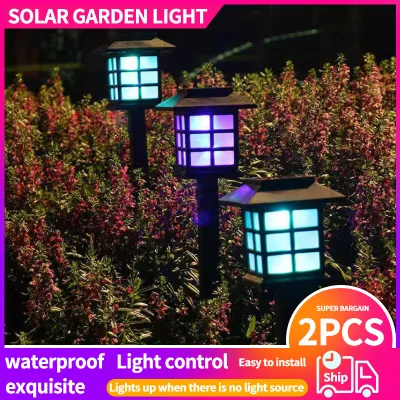
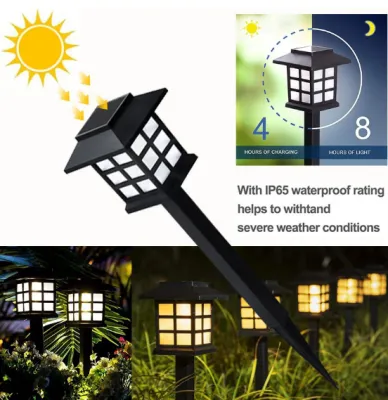
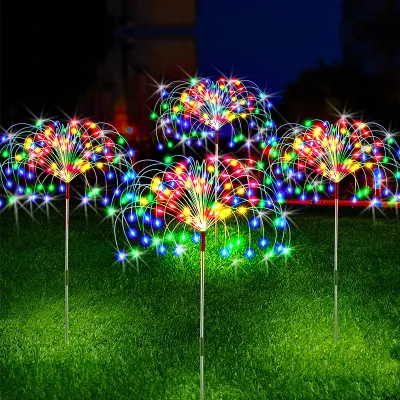
Prices are valid at publication and may change. Please refer to the product page for the latest price.
To avoid premature failure, buyers must learn to read beyond basic marketing terms. Standard retail descriptions often use vague phrases like “weather-resistant” or “outdoor-ready,” which do not guarantee survival against tropical storms. Instead, you should actively verify the following technical specifications on product packaging or manufacturer data sheets:
- Ingress Protection (IP) Rating: A minimum of IP65 is required for general rain resistance, while IP67 is highly recommended for low-lying, flood-prone areas.
- Housing Material: Look for cast aluminum with anti-corrosion powder coatings, marine-grade stainless steel, or UV-stabilized ABS/polycarbonate plastics.
- Battery Chemistry: Prioritize Lithium Iron Phosphate (LiFePO4) over standard Nickel-Metal Hydride (NiMH) or basic Lithium-ion (Li-ion) due to its superior thermal stability and longer life cycle in hot environments.
- Solar Panel Type: Monocrystalline silicon panels offer the highest conversion efficiency, which is essential for capturing energy on cloudy, overcast days.
- Electrical Certifications: Look for international safety and quality standards (such as CE, RoHS, or FCC marks) to ensure the internal circuitry meets basic manufacturing guidelines.
Additionally, consider the physical terrain of your garden. If your pathways are bordered by low-lying soil beds that accumulate standing water during heavy downpours, choosing elevated bollards or surface-mounted deck lights rather than short stake lights will prevent the fixtures from being submerged. Note that while low-voltage solar stakes are generally safe for DIY setup, any hybrid systems requiring fixed wiring, damp-area electrical connections, or integration with main power lines must follow strict power-isolation rules and should be installed by a qualified professional.
Evaluating Waterproofing for Solar Walkway Lights in Monsoon Rains
Water ingress is the leading cause of premature failure in outdoor solar walkway lights. When heavy monsoon rains sweep across the Philippines, ground-level fixtures are subjected to high-velocity water droplets, splashing mud, and saturated soil conditions. Understanding how to evaluate the waterproofing design of a fixture is essential before making a purchase.

The primary metric for assessing water resistance is the Ingress Protection (IP) rating, which consists of two digits. The first digit (0 to 6) rates protection against solid objects like dust, while the second digit (0 to 9) rates protection against liquids. For standard garden pathways that experience heavy rain but no standing water, an IP65 rating is the absolute baseline. This ensures the fixture can resist low-pressure water jets from any direction. However, if your garden path is prone to temporary pooling, mud accumulation, or occasional flooding, you should opt for IP67-rated fixtures. An IP67 rating indicates that the light can withstand complete immersion in water up to one meter deep for limited periods, providing a crucial safety margin during intense tropical depressions.
Beyond the rating on the box, inspect the physical construction of the light. High-quality waterproof fixtures utilize seamless housing designs or tightly sealed joints. Look for thick, pliable rubber or silicone gaskets at every junction where the lens meets the housing, and where the battery compartment opens. In premium fixtures, the internal electronic driver and wiring are often protected by potting compounds—a specialized resin that completely seals the delicate circuitry away from air and moisture, preventing internal condensation when temperatures drop suddenly during a storm.
Another critical vulnerability is the ground stake itself. Saturated soil can create a capillary effect, wicking moisture upward through the stake and into the lower housing of the light. To prevent this, verify if the fixture features a fully sealed base connection or a hollow-core stake design that allows water to drain out naturally rather than pooling inside the shaft. For low-lying garden beds where soil remains waterlogged for days, avoid standard stake lights entirely. Instead, select surface-mounted path lights, wall-mounted step lights, or taller bollards that elevate the delicate solar and battery components well above the wet ground.
Choosing UV-Resistant Materials for Intense Sun Exposure
While water is the threat during the wet season, the intense tropical sun is the primary hazard during the dry months. High UV index levels in the Philippines can rapidly degrade materials, causing structural weakness and aesthetic ruin. Choosing the right housing and lens materials is key to ensuring your solar walkway lights survive years of direct sunlight.
When evaluating housing materials, cast aluminum and stainless steel are highly durable options, but they behave differently under intense heat. Cast aluminum offers excellent structural integrity and naturally dissipates heat, though it must be treated with an anti-corrosion powder coating to prevent oxidation in humid air. Stainless steel is highly resistant to rust, but you must ensure it is marine-grade (such as 316 stainless steel) if your garden is located near coastal areas where salty air accelerates corrosion. For budget-friendly options, plastics are widely used, but standard plastics will degrade quickly. Ensure any plastic housing is explicitly labeled as UV-stabilized ABS or high-impact polycarbonate. These materials are engineered with chemical additives that absorb or reflect harmful UV rays, preventing the plastic from becoming brittle, cracking, or fading.
The lens material is equally important because it protects the light-emitting diode (LED) and determines the quality of light output. Cheap plastic lenses will yellow and cloud over under constant sun exposure, which drastically reduces the light’s brightness and alters the color temperature. Tempered glass is the gold standard for outdoor lenses because it is completely impervious to UV degradation, scratch-resistant, and maintains pristine clarity over its entire lifespan. If glass is not practical due to budget or safety concerns in high-traffic garden areas, look for thick, UV-treated polycarbonate lenses.
Thermal management is another factor linked to material choice. Dark-colored fixtures, such as matte black aluminum, absorb a significant amount of solar heat. On hot afternoons, internal temperatures within a dark housing can soar, which can degrade internal wiring insulation and reduce the efficiency of the battery. To mitigate this, look for fixtures with integrated heat sinks or select lighter finishes (such as silver or brushed bronze) that reflect a portion of the solar radiation. When browsing products, always check for explicit manufacturer mentions of “UV inhibitors,” “anti-yellowing coatings,” or “thermal relief designs” rather than relying on the material name alone. Keep in mind that decorative styles, perceived color temperatures (such as warm white versus cool white), and spatial lighting effects are conditional preferences rather than universal performance facts; choose what best complements your garden’s aesthetic.
Optimizing Battery and Panel Specs for Heat and Overcast Days
The performance of solar walkway lights relies entirely on their ability to harvest energy during the day and store it for nighttime use. In the Philippines, this process is challenged by high ambient temperatures—which reduce battery efficiency—and prolonged overcast skies during the rainy season. Optimizing these electrical specifications is vital for year-round reliability.
The battery chemistry is the heart of the system. Traditional outdoor solar lights often use Nickel-Cadmium (NiCd) or Nickel-Metal Hydride (NiMH) batteries because they are inexpensive. However, these chemistries have low energy density and degrade quickly when subjected to high ambient temperatures. Standard Lithium-ion (Li-ion) batteries offer better capacity but can suffer from thermal instability and safety risks under extreme heat. For tropical climates, Lithium Iron Phosphate (LiFePO4) is the superior choice. LiFePO4 batteries feature exceptional thermal stability, a high tolerance for ambient heat, and a significantly longer lifespan—often lasting up to 2,000 charge cycles compared to the 300 to 500 cycles of standard lithium or NiMH batteries. This thermal resilience prevents battery swelling and premature capacity loss.
Equally critical is the solar panel type. Polycrystalline panels are recognizable by their speckled blue appearance and are cheap to produce, but they perform poorly under diffuse light. Monocrystalline panels, which are uniform black, offer much higher energy conversion efficiency. This efficiency is crucial during the monsoon season when heavy cloud cover and rain can persist for days. A monocrystalline panel can harvest significantly more energy from weak, indirect sunlight, ensuring the battery receives at least a partial charge even on dark, rainy afternoons.
To maximize this charging capability, pay attention to the physical size and wattage of the solar panel. A larger panel surface area allows for faster charging, which is essential when the daily window of usable sunlight is short. Additionally, verify that the light features built-in protection circuitry. High-quality solar walkway lights incorporate charge controllers with overcharge, deep-discharge, and thermal protection. These circuits prevent the battery from overcharging during intense summer days and stop it from draining completely during long winter nights, preserving the battery’s health and preventing catastrophic failure.
Installation and Maintenance Tips for Tropical Gardens
Even the most durable solar walkway lights require proper installation and regular upkeep to survive the harsh tropical climate of the Philippines. Taking a few proactive steps during setup and establishing a basic maintenance routine will greatly extend the operational life of your fixtures.
When planning your installation, balance the need for direct sunlight with protection from physical hazards. Position the lights where the solar panels will receive at least six hours of unshaded sunlight daily. Avoid placing fixtures directly beneath heavy roof gutters or tree canopies, where concentrated run-off during downpours can cause severe soil erosion around the base or physically damage the light. If your garden soil is loose or sandy, reinforce the ground around the stake with gravel or small stones to prevent the fixture from tilting or falling over when the ground becomes saturated.
Maintenance in a tropical environment should focus on keeping the solar panels clean and inspecting the physical seals. Over time, a film of dust, pollen, and dried rain spots will accumulate on the panel surface, blocking sunlight and reducing charging efficiency. Establish a routine to clean the panels every few months, or more frequently during the dusty dry season.
When cleaning, use only mild dish soap, warm water, and a soft microfiber cloth. Gently wipe the surface to remove grime. Never use harsh chemical solvents, abrasive cleaners, or stiff brushes, as these can strip away protective UV coatings, scratch the lens, or compromise the waterproof seals. After severe storms or typhoons, perform a quick visual inspection of each fixture. Check for any visible water entry inside the lens, loose ground stakes, or cracked housings. If you notice persistent internal condensation, consult the manufacturer’s specific care instructions before attempting any disassembly. If a waterproof seal is visibly torn or compromised, it is best to replace the unit to prevent electrical short-circuits.
Frequently Asked Questions (FAQ)
Do solar walkway lights work during the prolonged rainy season?
Yes, high-quality solar walkway lights can function during the rainy season, though their runtime will naturally be shorter on heavily overcast days. To ensure consistent performance during consecutive rainy days, look for fixtures equipped with larger monocrystalline solar panels and high-capacity LiFePO4 batteries, which store more energy when sunlight is available. Many modern fixtures also feature intelligent power-saving modes, such as motion-sensor activation or automatic dimming. These systems keep the light at a low, energy-saving brightness level (e.g., 10%) and only boost to 100% brightness when motion is detected, significantly conserving battery life throughout the night.
How can I prevent the metal stakes from rusting in wet soil?
Preventing rust starts with choosing the right materials. Opt for ground stakes made of heavy-duty ABS plastic, high-grade stainless steel, or thick aluminum treated with an outdoor-rated powder coating. Avoid cheap, thin metal stakes that lack protective coatings. To protect metal stakes in highly acidic or perpetually damp tropical soil, you can slide a short piece of PVC pipe over the stake before driving it into the ground, creating a protective barrier between the metal and the wet earth. Additionally, ensuring proper soil drainage by mixing sand or gravel into the installation hole will prevent water from pooling directly around the base of the stake.
Community discussion
Share your experience or ask a question. Comments are reviewed before publication.