
The most suitable floor lights for wedding receptions and ceremonies depend on your venue’s physical layout, safety requirements, and the specific atmosphere you want to create. Versatile LED uplights work exceptionally well for indoor wall washing, while weather-resistant pathway markers and fairy lights are ideal for outdoor garden settings. For heritage spaces or modern backdrops, low-heat neon strips and battery-operated accent lights offer flexible, non-invasive illumination. Selecting the right setup requires balancing visual appeal with technical checks like IP ratings, voltage compatibility, and secure cable management.
Matching Floor Light Styles to Wedding Venues
Indoor reception halls benefit greatly from strategic wall washing using LED uplights. Placing these fixtures at the base of columns or along flat walls projects light upward, highlighting architectural details and bathing the room in your chosen color theme. Because indoor venues often feature high foot traffic, securing all power cables with heavy-duty gaffer tape or rubber cord covers is essential to prevent tripping hazards.
Garden and outdoor venues in tropical climates like the Philippines require lighting that can withstand high humidity, evening dew, and sudden rain showers. Weather-resistant fairy lights and low-profile pathway markers are excellent for defining walkways and creating a magical, romantic ambiance. When selecting outdoor fixtures, always verify their Ingress Protection (IP) ratings to ensure they are safe for damp ground conditions.
Products mentioned in this guide
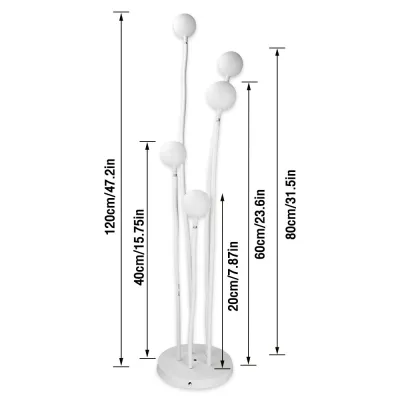
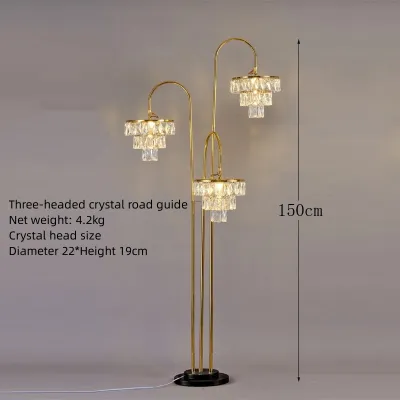
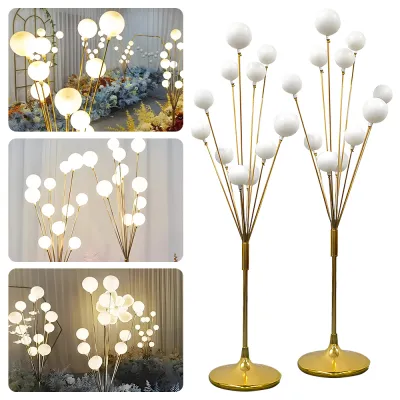
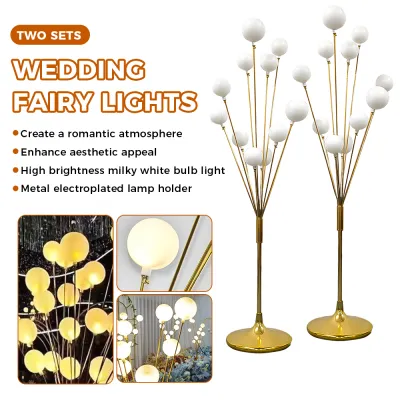
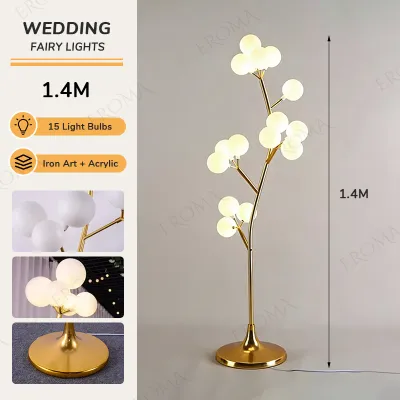
Prices are valid at publication and may change. Please refer to the product page for the latest price.
Church and heritage spaces often have strict rules against permanent installations, tape, or high-heat equipment that could damage historic walls or delicate finishes. Low-heat, non-invasive neon strips or subtle, freestanding LED uplights are perfect for these sensitive environments. They provide a modern or classic glow without risking damage to the venue’s structure, allowing you to respect historical preservation guidelines while still achieving a beautiful setup.
Key Technical and Safety Checks for Wedding Lighting
Before finalizing your lighting design, verify that all fixtures are compatible with the local electrical standard of 220V at 60Hz. Calculate the total power draw of your planned lighting setup and compare it against the venue’s specific circuit limits to prevent overloaded breakers during the event. Using energy-efficient LED fixtures is a practical way to keep the total wattage low while maximizing brightness.

For any outdoor or semi-outdoor garden area, checking the IP rating of your floor lights is a critical safety step. Look for fixtures with an IP65 rating or higher, which indicates they are protected against dust ingress and water splashes from any direction. Never use indoor-rated extension cords or fixtures in areas exposed to grass, soil, or potential rain.
Cable management is a vital safety priority in high-traffic zones such as dining areas, bar lines, and the dance floor. Use heavy-duty rubber cord ramps to cover cables that must cross walkways, ensuring they lie completely flat. Whenever possible, route cables along the perimeter of the room and secure them tightly to keep paths clear for guests wearing formal attire and high heels.
While setting up a few plug-and-play LED uplights is a manageable DIY task, you must hire a licensed electrician for complex installations. Professional assistance is required for fixed wiring, high-load power distributions, routing cables through complex outdoor terrains, or hanging heavy overhead fixtures. Prioritizing professional installation ensures compliance with local safety standards and protects your guests.
Designing Lighting Effects for Different Wedding Moments
During the solemn ceremony phase, the lighting should remain focused, romantic, and respectful. Warm, dimmable floor lights or soft white uplights (around 2700K to 3000K) work best to highlight the altar and aisle without creating harsh shadows or distracting glare. This subtle illumination keeps the focus on the couple while ensuring the photographer has enough light to capture clear images.
As the event transitions to the reception and dancing, the lighting can shift to build energy and excitement. Dynamic, color-changing LED uplights can be programmed to transition from warm amber to vibrant purples, blues, or festive pinks. Adding vibrant neon accents or custom light signs near the dance floor or photo booth creates highly engaging backdrops for guest photos.
To ensure these transitions occur seamlessly during the live event, check the compatibility of your dimmers and smart hubs beforehand. Test the range of your remote controls or wireless transmitters inside the venue prior to guest arrival. Keep in mind that wireless signals can be partially blocked or weakened once the room is filled with people, so positioning controllers with a clear line of sight is highly recommended.
Cross-Venue Compatibility and Sourcing Considerations
If your wedding features separate zones for the ceremony and reception, look for highly versatile lighting fixtures that can serve multiple purposes. Rechargeable, battery-operated LED uplights are incredibly convenient because they can be easily moved from the ceremony aisle to the reception hall without the need to run new power cables. This flexibility saves valuable setup time and keeps your venue looking clean and clutter-free.
When sourcing your equipment, compare the practical benefits of renting professional-grade fixtures versus buying consumer-grade novelty lamps. Renting from a local lighting supplier often grants you access to high-output, durable, and certified equipment, along with technical support for setup and troubleshooting. Buying may be more cost-effective for smaller, intimate gatherings where you plan to reuse the lights for future home decor or backyard parties.
Before signing any rental agreement or purchasing from online marketplaces, carefully inspect the return policies, damage waivers, and technical support options. Ensure the supplier provides clear instructions on how to operate the fixtures and what to do in the rare event of equipment failure. Having a clear, written agreement protects you from unexpected fees and ensures a stress-free setup on your special day.
Frequently Asked Questions (FAQ)
Can I use standard indoor floor lamps for an outdoor garden wedding?
No, standard indoor floor lamps should not be used in outdoor garden settings. They lack the necessary weatherproofing to protect against moisture, humidity, and dust, which creates severe electrical shock and fire hazards. Always check the manufacturer’s explicit IP rating and safety labels to confirm outdoor suitability before installing any light fixture outside.
How many LED uplights do I need for a standard reception hall?
The number of uplights required depends on several variables, including the hall’s wall length, ceiling height, wall color, and the fixture’s beam angle. Darker or textured walls absorb more light and may require closer spacing to achieve a vibrant effect. Instead of relying on a generic estimate, consult your lighting supplier’s specific spacing guidelines based on your venue’s exact dimensions.
Are battery-operated floor lights reliable for a full-day wedding?
Battery-operated floor lights offer excellent portability, but they involve a trade-off between runtime and maximum brightness. To ensure they last through both the ceremony and reception, verify the manufacturer’s stated battery life under the exact brightness and color settings you plan to use. Always ensure the fixtures are fully charged before the event begins and have a backup power plan if needed.
Community discussion
Share your experience or ask a question. Comments are reviewed before publication.