
Choosing the right lampshade for living room floor lamps depends on balancing functional light distribution with the room’s design aesthetic. In many homes, the living room serves as a multi-functional hub for family gatherings, quiet reading, and entertaining guests. A floor lamp is a highly visible element in this space, meaning its shade must serve as both an efficient light diffuser and a cohesive decorative accent. Selecting the ideal style requires evaluating how different shapes direct light, how materials interact with your room’s climate, and how the physical proportions align with your lamp base.
Rather than viewing a lampshade as a minor accessory, treating it as an active lighting tool allows you to customize your living room’s atmosphere. The right choice can soften harsh glare, highlight specific architectural features, or provide focused illumination for tasks. By understanding the structural and aesthetic differences between common lampshade styles, you can make an informed decision that enhances both the utility and the visual appeal of your living space.
Understanding How Lampshade Shapes Affect Light and Mood
The shape of a lampshade determines how light is directed, focused, and dispersed throughout your living room. Different silhouettes alter the path of light, creating distinct visual zones and moods. When selecting a shape, consider whether your primary goal is general ambient illumination, focused task lighting, or decorative accenting.
Products mentioned in this guide
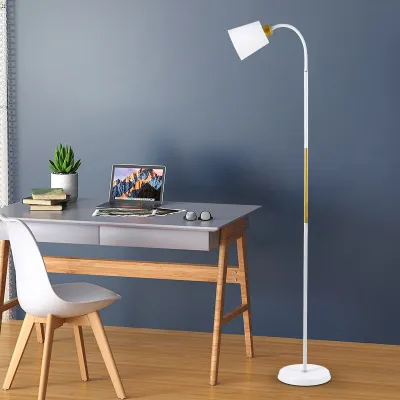
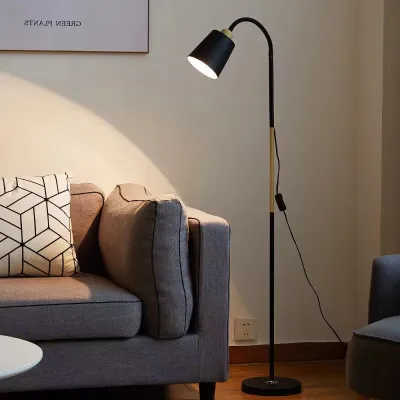
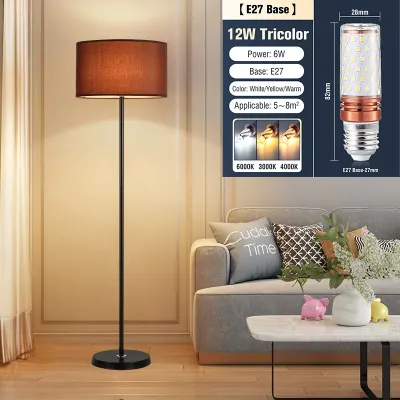
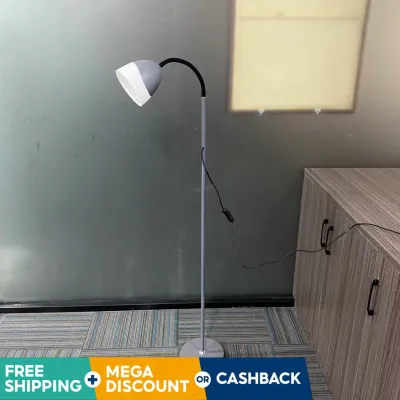
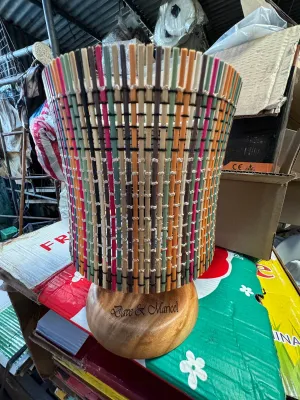
Prices are valid at publication and may change. Please refer to the product page for the latest price.
Drum shades feature a cylindrical profile with equal openings at the top and bottom. This symmetrical design allows light to escape evenly upward and downward, while also diffusing light horizontally through the fabric sides. Drum shades are highly effective for creating a balanced, ambient glow in open-plan living rooms, as they distribute light broadly without harsh shadows.
Empire shades have a classic flared design, with a top opening that is significantly narrower than the bottom. This sloping structure directs the majority of the light downward in a wide cone, making it an excellent choice for placement next to reading chairs or sofas. A smaller portion of light escapes through the top, casting a soft glow on the ceiling that helps reduce eye strain.
Bell shades feature a curved, bell-like silhouette that flares outward at the bottom. This shape behaves similarly to the empire shade but offers a slightly wider spread of downward light due to its curved edges. The bell shape provides a soft, traditional aesthetic while delivering generous illumination to the immediate seating area below.
Coolie shades have a very wide bottom opening and a highly tapered, narrow top. This extreme flare concentrates almost all light downward, creating a sharp, dramatic pool of illumination. Coolie shades are highly directional and are best suited for low-set task lighting or for creating high-contrast focal points in specific corners of the room.
Matching Lampshade Styles to Living Room Interior Themes
A cohesive living room relies on visual harmony between your lighting fixtures and your overall interior design theme. The style, texture, and silhouette of your lampshade should complement your existing furniture, wall finishes, and decorative accents.

For modern and minimalist living rooms, clean lines and geometric simplicity are essential. Drum and cylindrical shades are highly compatible with these spaces, especially when finished in neutral tones like off-white, grey, or charcoal. These shapes integrate seamlessly into contemporary layouts, providing a neat, uncluttered look that does not compete with minimalist furniture.
Traditional and classic interiors benefit from the elegant curves of empire or bell shades. These classic silhouettes pair naturally with polished wood furniture, detailed moldings, and vintage decor. To enhance a traditional feel, look for shades with subtle details such as pleating, piping, or fabric trim, which add texture and depth to the lighting fixture.
Industrial and vintage themes often call for more rugged, textured, or utilitarian designs. Metal shades, wireframe structures, or shades made from heavy canvas or parchment work well in these environments. If your living room features exposed brick, concrete, or dark iron accents, a structured metal or dark-toned fabric shade can reinforce the industrial aesthetic while directing light precisely where it is needed.
Achieving visual coherence requires balancing the visual weight of the lampshade with the rest of the room. A large, heavy sofa set pairs well with a substantial, structured shade, whereas a delicate, mid-century modern chair is better complemented by a slender lamp base and a lightweight, simple shade.
Sizing and Proportion: Ensuring the Shade Fits Your Floor Lamp
An improperly sized lampshade can make a floor lamp look top-heavy, stunted, or visually unbalanced. To ensure a proper fit, you must evaluate the physical proportions of both the shade and the lamp base, while also verifying the mechanical compatibility of the hardware.
As a general guideline, the height of the lampshade should be approximately two-thirds the height of the lamp base. Additionally, the width of the shade’s bottom opening should be wider than the widest part of the lamp base to maintain a stable, grounded appearance. If you have a very thick or ornate base, a wider shade is necessary to balance the visual weight; a slender pole lamp can accommodate a narrower, more streamlined shade.
Beyond visual proportions, you must check the fitter type to ensure the shade can be securely mounted to your lamp. The three most common fitter types are:
- Spider Fitters: These feature a central ring supported by metal spokes that rest on a lamp harp. They are secured at the top with a decorative finial and are the most common option for standard floor lamps.
- Uno Fitters: These thread directly onto the lamp socket, holding the shade in place beneath the bulb. They are frequently used on downward-pointing or bridge-arm floor lamps.
- Clip-on Fitters: These clip directly onto the lightbulb itself. While more common on smaller table lamps, some smaller floor lamps may use them, though they require sturdy bulbs to support the weight.
Finally, consider the physical footprint of the lamp in your living room. Ensure the shade does not extend into high-traffic walkways where it could be easily bumped or damaged. The bottom of the shade should ideally sit at eye level when you are seated nearby, which conceals the bare bulb from direct view and prevents uncomfortable glare.
Material and Color: Fine-Tuning the Visual Atmosphere
The material and color of your lampshade directly influence the quality, color temperature, and intensity of the light emitted into your living room. Choosing the right combination allows you to control whether your lamp acts as a soft ambient light source or a dramatic spotlight.
Translucent materials like linen, cotton, silk, and lightweight paper allow light to filter through the body of the shade. This creates a soft, diffused glow that illuminates the surrounding walls and ceiling, making the entire room feel warmer and more spacious. These materials are ideal for general family living areas where comfortable, non-directional light is preferred.
Opaque materials, such as metal, thick parchment, or fabrics with dark, reflective inner linings, block lateral light entirely. Instead, they channel all light out of the top and bottom openings. This creates a high-contrast, dramatic lighting effect that is excellent for highlighting specific decor items, creating cozy reading nooks, or reducing overall ambient glare in media rooms.
Color choices also play a significant role in defining the room’s atmosphere. White, cream, and light beige shades preserve the natural color temperature of your lightbulb, keeping the space bright and clean. Darker shades, such as navy, forest green, or black, absorb more light and cast a warmer, more intimate glow, which can make a large living room feel cozier.
In tropical climates with high humidity, material durability is an important consideration. Delicate materials like untreated silk or thin paper can warp, sag, or develop mildew over time when exposed to moisture. Sturdier fabrics like linen, cotton-polyester blends, or synthetic materials are generally more resilient and easier to maintain in humid conditions.
Safety must always be a priority when selecting a lampshade. Always verify the maximum bulb wattage limit printed on your lamp’s socket and match it with the heat-resistance specifications of the shade. High-wattage incandescent bulbs generate substantial heat, which can scorch or degrade fabric and paper shades if there is insufficient clearance. Utilizing low-heat LED bulbs is a practical way to minimize heat buildup, protect your lampshade material, and improve energy efficiency.
Practical Tips for Testing and Finalizing Your Choice
Before making a final purchase, taking a few practical steps to verify your choice can save time and prevent dissatisfaction. Testing the shade in your actual living room environment is the most reliable way to ensure it meets your expectations.
When testing a new lampshade, pair it with the exact bulb type and color temperature you plan to use. Observe how the light interacts with your living room’s wall colors, furniture placement, and natural daylight. A shade that looks bright white in a retail showroom may take on a completely different hue under the warm LED lighting of your home.
Consider the cleaning and maintenance requirements of the material. Living rooms with open windows or ceiling fans can accumulate dust quickly. Fabric shades with heavy pleating or intricate textures require regular dusting with a soft brush or a lint roller to maintain their appearance. If you prefer low-maintenance decor, smooth drum shades or metal options are much easier to wipe clean.
Lastly, always confirm the return and exchange policies of the retailer or online marketplace before finalizing your purchase. Because it can be difficult to judge scale, color, and light diffusion accurately from a product listing or in-store display, having the option to exchange the shade ensures you can find the perfect match for your living room floor lamp.
Frequently Asked Questions (FAQ)
Can I use a drum shade on a traditional floor lamp base?
Yes, you can use a drum shade on a traditional floor lamp base to create a transitional look that blends classic and modern elements. When doing so, ensure the drum shade is wide enough to balance the visual weight of the traditional base, and verify that the fitter type is compatible with your existing lamp harp.
What is the safest lampshade material for a high-wattage bulb?
Metal, glass, and specially treated flame-retardant fabrics are the safest options for high-wattage bulbs. To prevent heat damage or fire hazards, always check the manufacturer’s maximum wattage label on both the lamp socket and the shade, and consider upgrading to a cool-running LED bulb.
How do I clean a fabric lampshade without damaging it?
To clean a fabric lampshade, gently remove surface dust using a dry microfiber cloth, a lint roller, or a soft-bristle brush. Avoid using wet cleaning solutions or soaking the fabric, as moisture can dissolve the adhesives holding the fabric to the inner frame, particularly in humid environments.
Community discussion
Share your experience or ask a question. Comments are reviewed before publication.