
Selecting a mini cross garden ornament for an outdoor space in the Philippines requires careful consideration of the materials used. The tropical climate, characterized by alternating periods of intense sunlight, high humidity, and torrential rains, can rapidly degrade low-quality decor. To ensure your ornament remains a beautiful and lasting feature of your landscape, the best materials to choose are cast stone, high-grade powder-coated metals, UV-treated polyresin, and dense hardwoods like teak. Each material offers a unique balance of durability, aesthetic appeal, and wind resistance, allowing it to withstand the local environment with minimal degradation.
Understanding How Tropical Weather Affects Garden Decor
The Philippine climate presents a unique set of challenges for any outdoor decor. High ultraviolet (UV) radiation from the intense tropical sun can break down chemical bonds in plastics and paints, leading to severe fading, chalking, and eventual structural brittleness. Following the dry season, the southwest monsoon brings heavy, prolonged rains that can saturate porous materials, causing them to crack under thermal expansion when the sun reappears.
Furthermore, the country’s high year-round relative humidity accelerates chemical reactions such as oxidation on metal surfaces and provides an ideal breeding ground for mold, mildew, and fungal wood rot. For a small, intricate item like a mini cross, these environmental stressors mean that choosing the wrong material can result in rapid deterioration, loss of detail, or structural failure within just one or two seasons.
Products mentioned in this guide
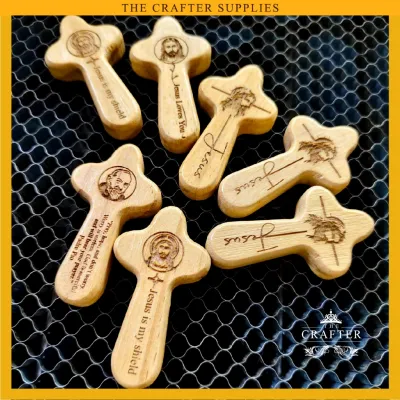
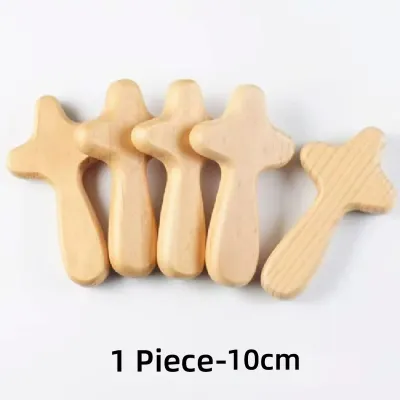
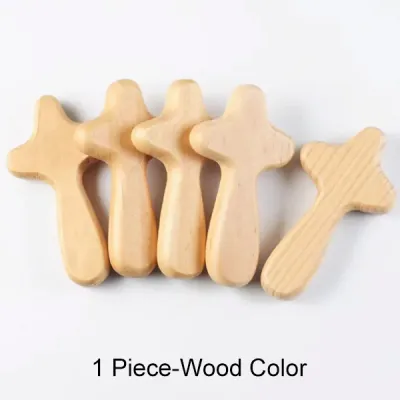
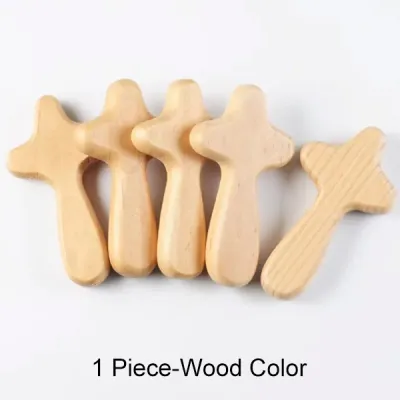
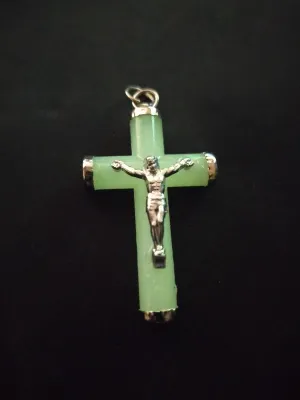
Prices are valid at publication and may change. Please refer to the product page for the latest price.
Top Material Choices for a Mini Cross Garden Ornament
Selecting the right material for a mini cross garden ornament involves balancing durability against weight and the level of maintenance you are willing to perform. Because these ornaments are often placed in exposed areas like garden beds, patios, or gravesites, they must endure constant exposure to the elements. Below are the most resilient materials available, each suited to different aesthetic preferences and placement conditions.

Cast Stone and Concrete
Cast stone and concrete are exceptionally durable options for outdoor ornaments, offering the substantial weight needed to resist strong winds. These materials are highly resistant to intense UV rays and will not degrade or become brittle over time. However, because concrete is naturally porous, it can absorb moisture during the rainy season.
In humid, shaded garden spots, this moisture absorption often leads to the growth of green moss or dark algae. While some homeowners appreciate this weathered, antique appearance as it blends naturally with the foliage, others may prefer a pristine look. To maintain the original finish, you can gently clean the surface periodically or apply a breathable, penetrating outdoor concrete sealer.
Rust-Resistant and Patina Metals
Metals can provide a sleek, classic, or rustic look for a mini cross, but their longevity depends entirely on their resistance to moisture. Aluminum and stainless steel are highly recommended for tropical environments because they naturally resist rust and corrosion without requiring constant upkeep.
Other metals, such as bronze and brass, will oxidize over time when exposed to rain and humidity, developing a natural greenish-brown patina known as verdigris. This patina acts as a protective barrier for the underlying metal, though it will permanently alter the ornament’s original color. If you prefer cast iron, ensure the piece has a high-quality, multi-layered protective powder coating; untreated or poorly coated cast iron will quickly develop severe rust when subjected to heavy monsoon rains.
UV-Treated Polyresin and Fiberglass
For highly detailed designs and lighter handling, UV-treated polyresin and fiberglass are excellent modern alternatives. High-quality polyresin is formulated with UV stabilizers that prevent the material from breaking down, fading, or becoming brittle under intense sunlight. It is also completely non-porous, meaning it will not absorb water or suffer from rot.
However, there is a significant difference between premium, weather-resistant resin and cheap, untreated alternatives. Untreated resin will quickly chalk, fade, and crack when exposed to direct sunlight. When purchasing a resin mini cross, always inspect the product label or manufacturer specifications to verify that it is explicitly rated for outdoor use and UV-stabilized.
Dense Hardwoods Like Teak
Wood offers an organic, warm aesthetic that complements natural garden settings, but only specific types can survive the Philippine climate. Dense hardwoods, with teak being the premier choice, contain natural oils and silica that make them highly resistant to rot, water penetration, and wood-boring insects like termites.
Despite their durability, even the finest hardwoods will undergo changes when left outdoors. Over time, exposure to sun and rain will cause teak to weather from its original golden-brown to a soft, silvery-gray hue. If you prefer to preserve the warm, original wood tones, you must commit to regularly cleaning the ornament and applying a high-quality marine-grade sealer or outdoor wood oil.
Materials to Avoid in High Humidity and Heavy Rain
To prevent disappointment and frequent replacements, certain materials should be avoided entirely for outdoor garden ornaments in tropical regions. Standard terracotta and unglazed ceramics are highly susceptible to damage in wet environments; they absorb water during heavy downpours, and when the intense tropical sun heats them rapidly, the trapped moisture expands, causing the material to crack or flake.
Untreated softwoods, such as standard pine or plywood, should also be avoided, as they quickly succumb to fungal rot and are highly vulnerable to termite infestations. Finally, thin, non-UV-stabilized plastics should be left indoors, as they degrade rapidly under solar radiation, turning yellow, becoming brittle, and shattering under the slightest impact.
Simple Maintenance to Protect Your Ornament Year-Round
Regular maintenance is the key to extending the lifespan of your mini cross garden ornament, regardless of the material you choose. For general cleaning, use a mild, biodegradable soap mixed with warm water and a soft-bristled brush to gently scrub away dirt, bird droppings, and algae. Avoid using harsh chemical cleaners, bleach, or abrasive scrubbing pads, as these can strip away protective UV coatings, paint, or natural patinas.
During your routine garden care, check the base of the ornament to ensure water is not pooling around it, which can accelerate rot in wood or cause concrete to degrade. For metal crosses, inspect the surface annually for any small chips or scratches in the paint or powder coating; touch up these areas promptly with an outdoor-grade rust-inhibiting paint to prevent moisture from reaching the bare metal. If you have a wooden cross, inspect it periodically for signs of insect boring or soft spots that indicate moisture damage, and reapply protective oil or sealer as recommended by the manufacturer.
Smart Placement Tips to Minimize Weather Damage
Where and how you place your mini cross garden ornament can significantly reduce the wear and tear it experiences from the elements. Instead of placing the ornament directly on damp soil, elevate it slightly by positioning it on a small stone riser, a concrete pedestal, or a bed of decorative gravel. This simple step prevents the bottom of the ornament from constantly wicking up ground moisture, which is a primary cause of rot, rust, and algae growth.
Additionally, consider the microclimate of your garden when choosing a spot. If your ornament is made of wood or resin, placing it in an area that receives partial afternoon shade, such as under the canopy of larger garden plants or near a patio overhang, will shield it from the harshest midday UV rays. However, ensure the location still receives adequate airflow; stagnant, highly humid air in deep shade can encourage mold and mildew to develop rapidly on the surface of the ornament.
Frequently Asked Questions (FAQ)
Should I bring my mini cross indoors during typhoon season?
Yes, bringing lightweight ornaments indoors is highly recommended when a typhoon warning is active. Small, lightweight items made of polyresin, fiberglass, or wood can easily become airborne in strong winds, posing a safety hazard or causing the ornament to shatter against hard surfaces. If your mini cross is made of heavy cast stone, concrete, or is securely anchored deep into the ground or a concrete base, it can safely remain outdoors. For any ornament left outside, ensure there are no loose overhanging branches nearby that could fall and damage the piece during severe weather.
Community discussion
Share your experience or ask a question. Comments are reviewed before publication.