
Understanding Tropical Weather Challenges for Garden Ornaments
Selecting a lucky turtle charm for your outdoor garden in the Philippines requires balancing cultural symbolism with extreme weather durability. The ideal material must withstand intense tropical heat, torrential monsoon rains, and persistent high humidity without cracking, fading, or deteriorating. While there is no single universal material for every setup, heavy cast stone, fully glazed ceramics, and high-grade UV-treated polyresin each offer distinct advantages depending on your specific garden placement and maintenance routine.
The climate in the Philippines presents a unique set of environmental stressors that can rapidly degrade outdoor decor. High humidity levels combined with heavy monsoon rains create a constant moisture barrier around garden ornaments. When porous materials absorb this moisture, they become breeding grounds for mold, mildew, and algae, which gradually weaken the structural integrity of the piece.
Intense ultraviolet (UV) exposure and tropical heat pose another significant threat. The midday sun can heat outdoor surfaces to extreme temperatures, causing materials to expand. As the temperature drops during evening rain showers, rapid contraction occurs. This thermal cycling leads to micro-fractures, surface chalking, and severe color fading on unprotected surfaces.
Products mentioned in this guide
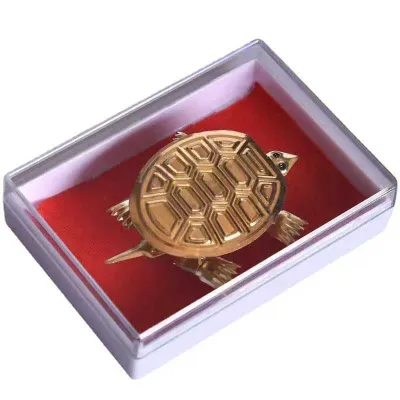
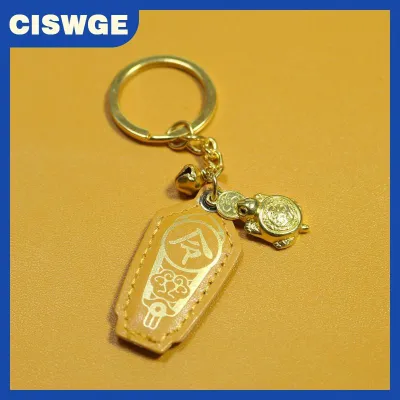
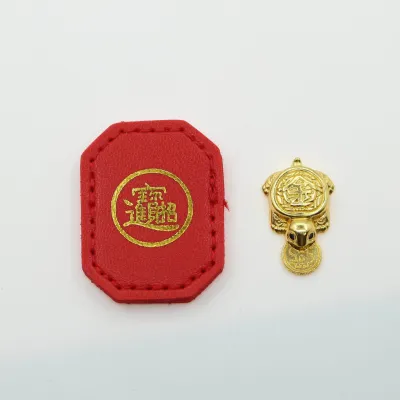
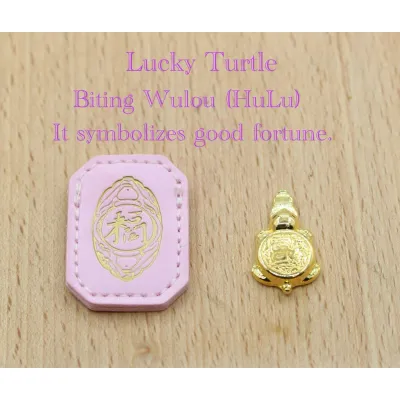
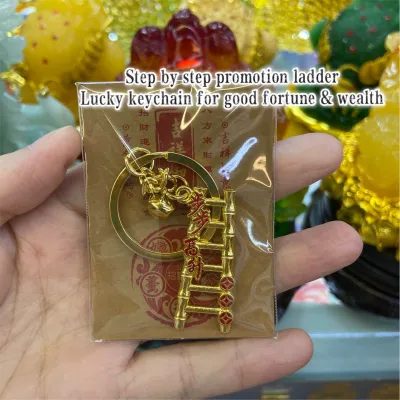
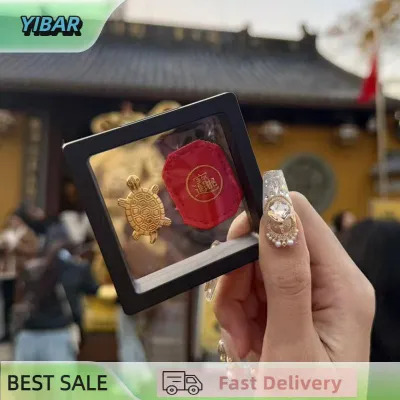
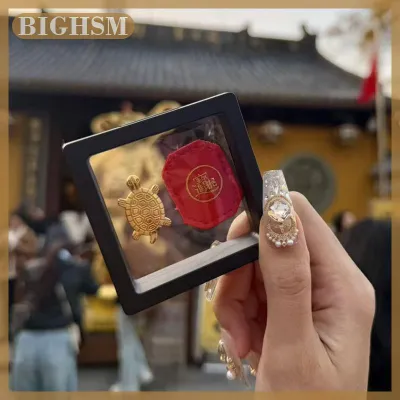
Prices are valid at publication and may change. Please refer to the product page for the latest price.
Understanding the difference between temporary water resistance and long-term structural weatherproofing is essential. A product labeled water-resistant might survive a light splash, but true weatherproofing requires materials and finishes designed to resist water penetration, UV degradation, and thermal expansion over several seasons.
Comparing Common Materials for Outdoor Turtle Charms
To choose the right lucky turtle charm, you must evaluate how different materials behave under tropical conditions. Each material has inherent structural traits that dictate how it handles moisture, heat, and physical impact.

Polyresin and Synthetic Composites
Polyresin and synthetic composites are highly popular for garden decor because they allow for intricate, detailed carvings and lifelike textures. These materials are lightweight, making them easy to reposition around your garden or patio. However, raw synthetic resins are highly susceptible to UV damage, which can make them brittle and prone to cracking over time.
When shopping for a polyresin lucky turtle charm, look for manufacturer specifications that explicitly mention UV inhibitors mixed into the resin or factory-applied, outdoor-grade polyurethane sealants. These protective layers act as sunscreen for your ornament, shielding the underlying material from solar degradation.
Over time, you should perform regular observable checks on polyresin charms. Look closely for surface chalking (a powdery white residue), noticeable color loss, or tiny hairline cracks. If you spot these signs, it indicates the protective coating has worn down and needs a fresh application of an outdoor-safe clear sealant.
Cast Stone and Concrete
Cast stone and concrete are excellent choices if you want a heavy, stable lucky turtle charm that can withstand strong winds during typhoon season. These materials are highly durable and offer a classic, rustic aesthetic that blends naturally into garden landscapes.
However, concrete and cast stone are naturally porous. Without proper protection, they absorb rainwater, which can lead to the growth of dark moss, green algae, or unsightly white mineral deposits known as efflorescence. To prevent this, verify if the product is pre-sealed at the factory or if you need to apply a breathable masonry water repellent before placing it outdoors.
Keep an eye out for dark water spots that linger long after the rain has stopped, which indicates water absorption. You should also check for surface spalling, where the outer layer of the concrete begins to flake or peel due to trapped moisture and thermal stress.
Treated Metals
Metal lucky turtle charms, such as those made of iron, steel, aluminum, or bronze, bring a sophisticated and timeless look to outdoor spaces. They are exceptionally strong and impact-resistant, meaning they will not chip or crack if accidentally knocked over by pets or garden tools.
The primary challenge with metal in a humid tropical climate is oxidation. High humidity and frequent rainfall accelerate rust and corrosion, especially at joints, welds, or areas where the protective paint has scratched off. To mitigate this risk, prioritize metals with powder-coated finishes, galvanized steel, or naturally rust-resistant alloys like cast aluminum and bronze.
Regularly inspect your metal charm for early warning signs of corrosion. Look for bubbling paint, which indicates rust is forming underneath the surface, or orange-brown rust spots near the base and joints. Addressing these spots early with a rust-inhibiting primer can prevent structural failure.
Glazed Ceramics and Terracotta
Glazed ceramics and fired clay terracotta offer vibrant colors and a beautiful glossy finish that can make your lucky turtle charm stand out. The glazing process fuses a glass-like layer to the clay, providing excellent color retention that does not fade under intense sunlight.
Despite their beauty, ceramics are inherently fragile and vulnerable to chipping. If moisture penetrates unglazed areas, such as the bottom of the charm, the clay can absorb water. Under the hot tropical sun, this trapped water heats up and expands, causing the glaze to crack or the clay to fracture.
To ensure longevity, verify that the lucky turtle charm is fully glazed on all visible surfaces and specifically rated for outdoor use. Inspect the piece regularly for crazing—a network of fine, spiderweb-like cracks in the glaze—or deeper structural cracks that could allow water to seep into the clay body.
How to Verify Weather Resistance Before Buying
When searching for the perfect lucky turtle charm, do not rely solely on generic material names or vague marketing terms. It is crucial to distinguish between “indoor/outdoor” multi-use labels and dedicated “outdoor-only” weatherproof ratings. Multi-use items are often designed for sheltered areas like covered patios, whereas outdoor-only items are engineered to survive direct exposure to rain and sun.
Always check the manufacturer’s care instructions and product specifications. Look for details regarding mandatory sealing requirements, curing times for any protective coatings, or specific cleaning restrictions. If a manufacturer notes that the item must be brought indoors during heavy rain, it is likely not suited for a permanent outdoor spot in the Philippines.
Additionally, evaluate the structural design features of the charm. A well-designed outdoor turtle charm should have features that prevent water from pooling on or inside it. Look for drainage holes at the bottom of hollow designs, or an elevated base that keeps the main body of the charm from sitting directly in puddles.
Placement and Maintenance Tips for Tropical Climates
Proper placement and routine maintenance can significantly extend the lifespan of your lucky turtle charm, regardless of the material you choose. Avoid placing the charm directly on bare soil, as constant contact with wet earth allows moisture to wick upward into the material. Instead, elevate the charm by placing it on a concrete paver, a flat stone, or a dedicated garden stand.
Establish a routine cleaning schedule to prevent the buildup of dirt, bird droppings, and algae, which can trap moisture against the surface. Use a mild, biodegradable soap, lukewarm water, and a soft-bristled brush to gently scrub the surface. Avoid harsh chemical cleaners, abrasive pads, or high-pressure washers, as these can strip away protective UV coatings and paint.
Knowing when to stop DIY maintenance is key to preserving your ornament. If you observe deep structural cracks, extensive rust that has eaten through metal joints, or severe peeling of the factory coating, halt your cleaning efforts. In these cases, consult the manufacturer’s guidelines or contact a professional restoration specialist to determine if the charm can be safely repaired or if it needs replacement.
Frequently Asked Questions (FAQ)
Can I use an indoor lucky turtle charm outdoors if I seal it myself?
Repurposing an indoor lucky turtle charm for outdoor use is generally not recommended, even with a DIY sealant. Indoor ornaments are often constructed with water-soluble glues, low-fire clays, or untreated plastics that lack the structural integrity to withstand outdoor elements. While a DIY clear coat can offer temporary water resistance, it rarely provides sufficient UV protection to prevent the underlying material from warping, melting, or cracking under intense tropical heat. Furthermore, applying aftermarket sealants or exposing an indoor item to the elements will typically void any manufacturer warranty.
Does the color of the turtle charm affect its heat resistance?
Yes, the color of your lucky turtle charm plays a significant role in how it manages heat. Darker colors, such as deep greens, blacks, or dark bronzes, absorb more solar radiation, leading to higher surface temperatures. This intense heat absorption can accelerate thermal expansion, making materials like polyresin or low-grade plastics more susceptible to warping and cracking. When choosing a color, balance your aesthetic preferences with the material’s thermal tolerance. If you prefer a dark-colored charm, ensure it features high-quality, UV-stable pigments and is placed in a partially shaded area of your garden to minimize heat stress.
Community discussion
Share your experience or ask a question. Comments are reviewed before publication.