
When choosing a durable pillars stand for your outdoor space, selecting the right material is the single most important decision you will make. In the tropical climate of the Philippines, outdoor decor must endure intense UV radiation, high humidity, and torrential monsoon rains. If you want a low-maintenance, highly weather-resistant option for a fully exposed garden or open lawn, synthetic resin is generally the best choice. However, if your setup requires supporting heavy stone sculptures or large planters, a powder-coated metal pillars stand offers unmatched structural strength. For shaded, covered spaces like a lānaʻi or veranda, treated hardwood stands provide a premium, natural aesthetic that complements lush tropical foliage. Balancing these material characteristics against your local micro-environment, wind exposure, and maintenance preferences will ensure your garden display remains stable and beautiful for years.
How the Philippine Climate Affects Outdoor Pillar Stands
The Philippine climate presents a unique set of harsh environmental challenges that can rapidly degrade outdoor furniture and garden ornaments. With relative humidity levels frequently hovering above 80 percent year-round and distinct seasons driven by the Amihan (northeast monsoon) and Habagat (southwest monsoon), materials are subjected to constant moisture cycles. During the dry season, the ultraviolet (UV) index regularly reaches extreme levels of 11 or higher, causing unprotected materials to fade, crack, or warp. Conversely, the wet season brings prolonged downpours and high-velocity winds from tropical storms, which test the physical stability and water resistance of any outdoor structure.
These climatic forces act differently on each material type. For instance, high humidity and rainwater create a highly corrosive environment that accelerates rust in untreated metals, particularly in coastal provinces like Batangas, Cebu, or La Union where salt-laden air acts as an electrolyte. For synthetic resins, intense solar radiation breaks down chemical bonds at a molecular level, leading to color fading and structural brittleness. Meanwhile, natural wood faces the double threat of moisture-induced rot and wood-boring insects, most notably subterranean termites (locally known as anay), which thrive in warm, damp soils. Understanding these specific localized stressors is essential before spending your hard-earned pesos on any outdoor pillars stand.
Products mentioned in this guide
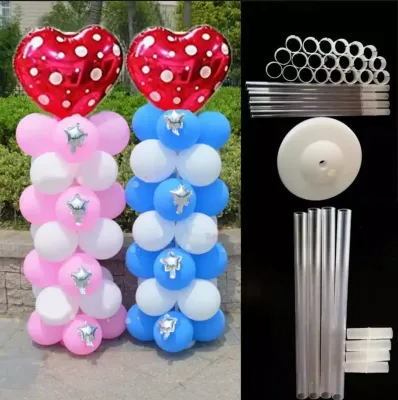
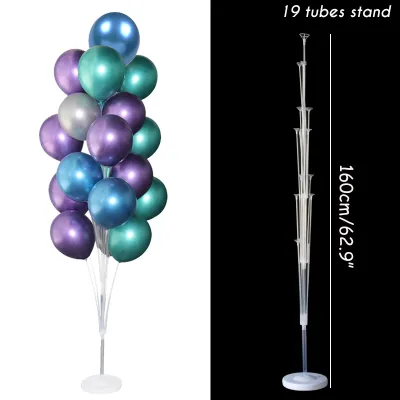
Prices are valid at publication and may change. Please refer to the product page for the latest price.
Metal Pillars Stand Options: Durability and Rust Prevention
Metal stands are highly valued for their exceptional structural integrity, high weight capacity, and classic ornamental designs. They are ideal for supporting heavy ceramic planters, concrete statues, or even integrated outdoor lighting fixtures that require a stable, unyielding base. However, because “metal” is an incredibly broad category, its performance in a tropical environment is not uniform. The longevity of a metal stand depends entirely on the specific alloy used and the quality of its protective surface treatment.

When shopping for a metal stand, never assume that all metals are inherently weatherproof. Untreated iron or standard carbon steel will begin to oxidize and rust within weeks of exposure to Philippine humidity. To prevent this, always check the product specifications or labels for explicit protective coatings. Look for terms like powder-coating, hot-dip galvanization, or marine-grade finishes. These industrial coatings form an impermeable barrier that prevents water and oxygen from reaching the underlying metal, thereby stopping rust before it can start.
If you choose a metal pillars stand that features integrated electrical wiring for decorative accent lights, safety must be your top priority. Ensure the entire fixture is rated for wet locations (look for an IP65 or higher ingress protection rating), verify that the voltage matches your home’s electrical supply, and strictly follow the manufacturer’s installation instructions. For any fixed electrical wiring, working in damp garden areas, or mounting heavy suspended loads, always isolate the main power supply and hire a qualified professional electrician to handle the installation safely.
Aluminum vs. Steel and Wrought Iron
To make an informed choice, you must understand the key differences between common outdoor metals. Cast or extruded aluminum is highly recommended for Philippine gardens because it naturally forms a microscopic oxide layer that resists corrosion, even if the outer paint layer is scratched or chipped. Aluminum is also lightweight, making it easy to move indoors during typhoon warnings; however, this lighter weight means it may require anchoring or sandbagging to prevent tipping in high winds. On the other hand, steel and wrought iron provide massive weight and structural strength, ensuring they will not easily blow over during a storm. However, they are highly susceptible to deep rust if their protective paint layer is compromised, making them a higher-maintenance option.
Maintenance and Coating Checks
To keep your metal stands in pristine condition, establish a regular inspection routine. Every few months—especially before the heavy rains of the monsoon season arrive—carefully examine the stand for any signs of paint chipping, deep scratches, or bubbling. Bubbles under the paint indicate that moisture has already penetrated the coating and rust is beginning to form underneath.
- Cleaning: Wipe down the metal stand using a soft microfiber cloth, warm water, and a mild, non-abrasive soap to remove dirt, salt residue, and bird droppings.
- Touch-ups: For minor scratches or chips, lightly sand the affected area with fine-grit sandpaper, wipe away the dust, and apply a matching rust-inhibiting outdoor touch-up paint or primer to seal the metal.
- Professional Assessment: If you detect structural sagging, cracked welds, or severe deep-seated rust on a stand supporting a heavy load, discontinue its use and consult a local metal fabricator to prevent accidental collapse.
Resin and Synthetic Pillar Stands: Weather Resistance
Resin and synthetic composite stands have become increasingly popular among Philippine homeowners due to their outstanding weather resistance and low-maintenance requirements. Unlike metal or wood, high-quality synthetic resins are completely immune to rust, corrosion, rot, and insect damage. This makes them an outstanding choice for wet garden zones, poolside areas, and open lawns where automatic sprinkler systems or heavy monsoon rains would quickly ruin other materials.
Despite these advantages, resin is not entirely indestructible. Its primary vulnerability is ultraviolet (UV) degradation from the intense Philippine sun. Over time, prolonged exposure to solar radiation can break down the polymer chains within cheap plastics, causing them to fade, turn yellow, develop micro-cracks, and eventually become brittle enough to crack under pressure. Therefore, choosing the right type of synthetic material is critical to ensuring long-term durability.
UV-Resistant Specifications and Structural Integrity
When selecting a resin pillars stand, look closely at the manufacturer’s material specifications. High-quality outdoor resins are typically made from high-density polyethylene (HDPE), fiberglass-reinforced plastic (FRP), or engineered stone-plastic composites.
- UV Stabilizers: Verify that the product description explicitly states the material is "UV-resistant," "UV-stabilized," or rated for "all-weather" use. These terms indicate that chemical UV inhibitors were mixed into the resin during production to absorb and neutralize harmful solar rays.
- Weight and Wind Resistance: Because resin is inherently lightweight, a hollow stand can easily be blown over by strong winds, potentially damaging any valuable planters or sculptures resting on top. Look for models designed with a wide, stable base, or choose hollow stands that feature a fill port at the bottom, allowing you to add dry sand or gravel to increase weight and lower the center of gravity.
Cleaning and Upkeep
One of the greatest benefits of resin stands is how easy they are to clean. In the humid Philippine climate, organic matter, dust, and moisture can combine to form a layer of green algae or dark mildew on the surface of your outdoor decor.
- Washing: To restore the stand's appearance, mix a few drops of mild dishwashing liquid or laundry detergent in a bucket of warm water. Scrub the surface gently using a soft-bristled brush, sponge, or microfiber cloth.
- Rinsing: Rinse the stand thoroughly with clean water from a garden hose to remove all soap residue.
- Precautions: Never use abrasive scouring pads, steel wool, or harsh chemical solvents like acetone, bleach, or ammonia. These harsh agents can scratch the plastic surface and strip away the protective UV-resistant coatings, accelerating solar degradation.
Wood Pillar Stands: Aesthetics and Moisture Management
For many homeowners, nothing compares to the warm, organic, and timeless beauty of a natural wood pillars stand. Wooden stands blend seamlessly into lush tropical gardens, providing an elegant platform for vibrant orchids, hanging ferns, or traditional terracotta pots. However, wood is undoubtedly the most challenging material to maintain in a tropical environment like the Philippines.
Wood is highly hygroscopic, meaning it naturally absorbs and releases moisture from the surrounding air. When exposed to heavy monsoon rains followed by intense afternoon heat, wood undergoes rapid expansion and contraction cycles. This constant movement leads to warping, splitting, cracking, and joint failure. Additionally, damp wood is highly attractive to fungal spores that cause rot, as well as destructive pests like subterranean termites (anay) that can quickly hollow out the core of an unprotected wooden stand.
Wood Types and Treatment Labels
If you are committed to the aesthetic of a wooden pillars stand, you must carefully select the right wood species and verify how it was treated.
- Hardwoods: Naturally dense, oil-rich tropical hardwoods such as teak, yakal, ipil, or narra are the gold standard for outdoor use. Their natural oils provide built-in resistance to moisture, rot, and insects, though they represent a significant financial investment.
- Softwoods and Treatment: If you choose less dense woods like pine or cedar, ensure the product label explicitly states the wood is "pressure-treated," "kiln-dried," or treated with active wood preservatives.
- Indoor Warnings: Strictly avoid using untreated indoor wooden stands, MDF (medium-density fiberboard), or plywood outdoors. These materials lack the structural defenses needed for outdoor use and will warp, swell, and rot within a single rainy season.
Sealing and Seasonal Care
To extend the life of a wooden stand, you must actively manage its exposure to moisture. This requires a commitment to regular preventative maintenance and seasonal care.
- Sealing: Apply a high-quality outdoor wood sealer, marine-grade varnish, or penetrating teak oil to all surfaces of the stand, including the bottom. This creates a hydrophobic barrier that prevents water absorption.
- The Water-Bead Test: Every six months, perform a quick check by splashing a few drops of water onto the wood. If the water beads up on the surface, the sealer is still working. If the water quickly soaks in and darkens the wood, it is time to lightly sand the surface and apply a fresh coat of sealer.
- Ground Elevation: Never place a wooden stand directly on wet soil or damp concrete. Moisture will wick up through the end grain of the wood legs, causing rapid rot. Always attach small rubber or plastic glide pads to the bottom of the feet to elevate the wood slightly off the ground.
Quick Comparison: Matching Material to Your Garden Setup
To simplify your decision, match the material of your pillars stand to the specific micro-environment and conditions of your outdoor space:
- Fully Exposed Gardens, Lawns, and Poolside Areas: Choose UV-stabilized resin or heavy, powder-coated cast aluminum. These materials can handle intense, direct sunlight and heavy monsoon rains without rusting, rotting, or requiring constant maintenance.
- Coastal Regions and High-Humidity Zones: Opt for powder-coated aluminum or synthetic resin. Avoid wrought iron or standard carbon steel, as the salt-laden sea air will rapidly corrode them if the paint is scratched.
- Covered Verandas, Lānaʻis, and Shaded Patios: Treated hardwoods or decorative wrought iron stands are excellent choices here. The overhead roof protects them from direct UV rays and heavy downpours, allowing you to enjoy their premium, elegant aesthetics with minimal maintenance.
Always check the manufacturer’s maximum weight capacity guidelines before placing heavy planters or sculptures on your stand, and ensure the base is sufficiently weighted or anchored to handle local wind conditions.
Frequently Asked Questions (FAQ)
Can I leave wooden pillar stands outside during the monsoon season?
It is highly discouraged to leave even treated wooden stands fully exposed to the elements during the peak of the Philippine monsoon season. Prolonged saturation from weeks of heavy rain will eventually bypass protective sealants, leading to wood rot, warping, and fungal growth. For the best longevity, move wooden stands under a covered patio, carport, or indoors before the heavy rains begin.
How do I stop metal stands from leaving rust stains on my patio?
To prevent unsightly orange rust stains on your concrete, tile, or stone patio, attach non-marking rubber or plastic caps to the feet of the metal stand. Alternatively, place a weatherproof outdoor rug or a durable plastic saucer beneath the stand. Regularly inspect the bottom of the feet for paint wear, and promptly apply a rust-inhibiting primer to any exposed metal.
Community discussion
Share your experience or ask a question. Comments are reviewed before publication.