
Transforming a Philippine courtyard into a beautifully illuminated evening retreat requires matching the right solar fixtures to the specific demands of each outdoor zone. Because tropical climates bring intense sunlight alongside heavy seasonal downpours, high humidity, and occasional typhoons, a successful lighting plan relies on selecting durable, weather-resistant fixtures. By zoning your outdoor space—focusing on pathways, entryways, and plant beds—you can establish a safe, visually balanced landscape that charges efficiently by day and shines reliably throughout the night. Taking the time to evaluate your courtyard’s layout and environmental exposure before purchasing ensures your lighting investment withstands the elements while enhancing your home’s curb appeal.
Core Selection Criteria for Solar Landscape Lighting
Before purchasing any outdoor fixtures, verifying the technical specifications on the product label is essential for ensuring long-term performance in tropical conditions. The relationship between solar panel efficiency and battery capacity determines how long your lights will stay illuminated after sunset. Look for monocrystalline solar panels, which generally offer higher conversion rates in overcast weather, paired with lithium-ion or lithium iron phosphate (LiFePO4) batteries that can withstand repeated charge cycles in warm climates. Avoid nickel-cadmium (NiCd) batteries when possible, as they tend to degrade faster under high ambient temperatures.
Moisture resistance is another critical factor due to the heavy rainfall and high humidity experienced across the Philippines. Check the product packaging for an Ingress Protection (IP) rating, which indicates how well the fixture seals against dust and water. For general garden exposure, a minimum rating of IP65 is typically recommended to protect against low-pressure water jets, while ground-level well lights subject to temporary pooling may require an IP67 rating. Ensuring the housing material is UV-resistant and corrosion-proof, such as high-grade ABS plastic or treated aluminum, will prevent the casing from becoming brittle under the intense tropical sun.
Products mentioned in this guide
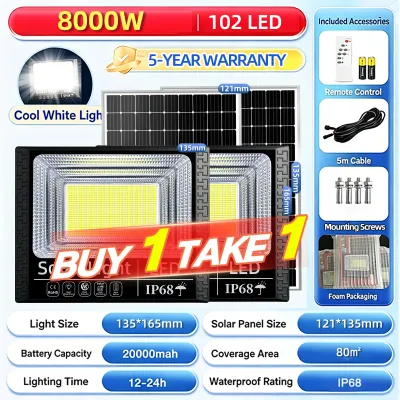
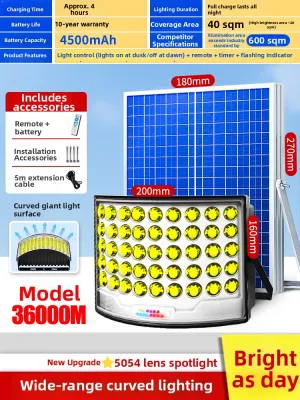
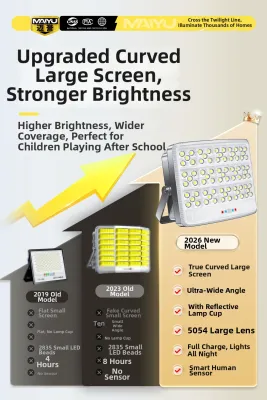
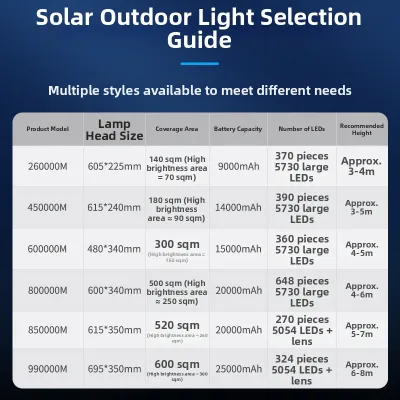
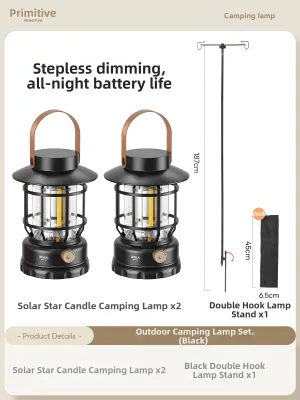
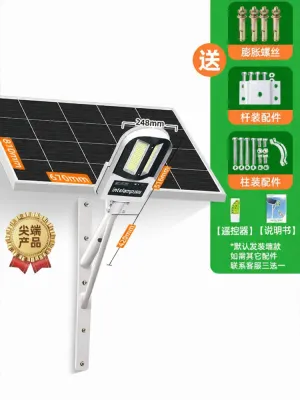
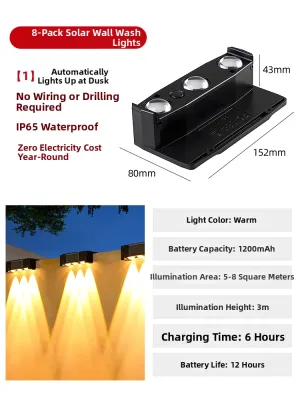
Prices are valid at publication and may change. Please refer to the product page for the latest price.
Finally, evaluate the light output, measured in lumens, and the color temperature to match the functional needs of each zone. Low-lumen fixtures (around 10 to 50 lumens) work well for subtle accentuation, while brighter options (100 to 300 lumens or more) are better suited for security and visibility. Color temperature is a matter of personal preference; warm white tones (2700K to 3000K) create a cozy, inviting atmosphere, whereas cool white tones (4000K to 5000K) offer higher contrast and a modern aesthetic. Be sure to verify the voltage and wattage limits on any hybrid solar-wired systems to prevent electrical hazards.
Recommended Solar Light Types for Pathways and Walkways
Navigating garden paths safely at night requires low-glare, evenly distributed illumination that clearly defines walking boundaries. Path lights and bollard lights are excellent choices for this task, as they typically feature top caps or shielded designs that direct light downward onto the ground rather than upward into your eyes. Placing these fixtures along the edges of your walkways helps prevent accidental trips while highlighting the natural contours of your garden path. They also serve as visual guides, drawing the eye through the landscape and creating a sense of depth.

For curved walkways or areas where your landscaping layout might change, solar stake lights offer exceptional flexibility. These fixtures can be easily pushed into soft soil or turf, allowing you to reposition them as plants grow or as you adjust your garden design. When installing stake lights, ensure the ground is sufficiently moist to avoid bending the stakes during insertion, and position them slightly back from the path edge to prevent damage from lawnmowers or foot traffic. If your soil is particularly hard or rocky, pre-drilling a pilot hole can prevent structural damage to the stake.
To achieve a seamless lighting effect without dark spots or excessive glare, consult the manufacturer’s guidelines for beam angles and recommended spacing. Spacing fixtures too far apart creates a “runway” effect with harsh pools of light separated by pitch-black gaps, while placing them too close together can clutter the landscape. A balanced approach involves spacing the lights so that their beam edges gently overlap, providing a continuous, soft guide path. Additionally, verify that the height of the fixtures matches the surrounding vegetation so the light is not blocked by low-lying leaves.
Solar Lighting Solutions for Entryways and Gates
Courtyard entrances and main gates require high-visibility lighting to ensure security and ease of access during evening hours. Wall-mounted solar sconces are ideal for these vertical surfaces, casting light downward or outward to illuminate door locks, house numbers, and architectural details. When selecting wall sconces, verify that the integrated solar panel will receive sufficient daily sunlight, or opt for models with a detachable solar panel that can be mounted in a sunnier spot nearby. This separation allows you to place the light fixture in a shaded entryway while keeping the panel fully exposed to the sun.
Pillar and post cap lights serve as excellent markers for gate columns and structural boundaries, defining the physical limits of your property. These fixtures sit directly on top of concrete or wooden pillars, casting a welcoming glow that guides visitors toward the entrance. Before purchasing, measure the dimensions of your pillars carefully to ensure a secure fit, and check the mounting hardware compatibility to avoid damaging the structural integrity of your columns. Properly secured post caps also help prevent water from pooling on top of wooden posts, reducing the risk of rot.
Integrating motion sensors into your entryway lighting is a highly effective way to enhance security while conserving battery power. Many solar security lights operate on a low-power standby mode, dimming to a soft glow until motion is detected, at which point they switch to full brightness. This feature is particularly useful during consecutive rainy days in the Philippines, as it prevents the battery from draining completely during low-traffic hours. When positioning motion-sensor lights, adjust the sensitivity and detection angle to avoid false triggers from passing street traffic or swaying tree branches.
Accent and Spotlight Options for Plant Beds and Features
Highlighting the unique textures of tropical foliage, statues, or water features adds depth and drama to a courtyard after dark. Adjustable solar spotlights are designed for this purpose, allowing you to direct a concentrated beam of light toward specific focal points from a distance. By positioning the spotlight at the base of a palm tree or large shrub and angling it upward, you can create striking shadow patterns against nearby walls. This technique, known as uplighting, emphasizes the architectural beauty of your plants and creates a captivating focal point.
For a more subtle, integrated look within dense plant beds, low-profile well lights or in-ground fixtures provide excellent uplighting. These lights sit flush with the ground or nestle quietly among groundcover plants, casting a soft glow upward through the leaves without exposing the fixture itself. This technique, often called silhouetting, emphasizes the natural shape of your plants while keeping the light source completely hidden from view. Because these fixtures sit low to the ground, ensure they are placed in well-draining soil to prevent prolonged water submersion during heavy downpours.
When positioning fixtures within garden beds, always verify the heat output of the light source to prevent thermal damage to delicate foliage. While LED solar lights generate minimal heat compared to traditional halogen bulbs, placing any fixture too close to sensitive leaves or stems can still cause localized drying or scorching. Maintain a safe clearance distance as recommended by the manufacturer, and regularly trim back growing plants to keep the solar panels clear of shade. Additionally, ensure that any ground-level wiring or connections are rated for wet environments to prevent short circuits.
Pre-Purchase Checks and Installation Boundaries
A successful solar lighting project relies heavily on assessing your courtyard’s daily sun exposure before making any purchases. Because solar panels require direct, unobstructed sunlight to charge their internal batteries fully, take note of how shadows move across your garden throughout the day. Areas shaded by large trees, roof overhangs, or high walls may not receive enough sunlight to power fixtures for their rated runtimes, requiring you to position panels carefully or select models with remote solar collectors. Keep in mind that seasonal changes can also alter shadow patterns, affecting charging efficiency.
Additionally, verify the compatibility of all mounting hardware and weight limits for your existing walls, fences, or pillars. Standard plastic anchors and screws may not hold securely in hollow concrete blocks or weathered wood, potentially leading to damaged fixtures during high winds or heavy tropical storms. Always use the appropriate masonry anchors or heavy-duty fasteners recommended for your specific mounting surface. If you are mounting fixtures to vinyl or composite fencing, check the manufacturer’s guidelines to avoid voiding any warranties.
While many solar lights are designed for simple, tool-free DIY installation, certain scenarios require professional assistance. If your project involves altering existing fixed electrical wiring, drilling into load-bearing concrete structures, or mounting heavy fixtures at significant heights, stop and consult a qualified professional. Prioritizing safety ensures your installation remains secure and compliant with local building standards. Never attempt to modify the internal circuitry of a solar fixture or connect it directly to household AC power without professional guidance.
Routine Maintenance for Optimal Solar Performance
To keep your solar garden lights operating at peak efficiency, establishing a simple routine maintenance schedule is highly beneficial. Over time, dust, pollen, bird droppings, and salt residue from coastal air can accumulate on the surface of the solar panels, significantly reducing their ability to absorb sunlight. Gently wiping the panels with a damp, soft microfiber cloth and mild soapy water will restore clarity; avoid using abrasive scrubbers or harsh chemical cleaners that could scratch the protective coating. Performing this cleaning once a month is usually sufficient to maintain optimal charging.
Regularly inspect each fixture for signs of moisture ingress, seal degradation, or battery corrosion, especially after heavy monsoon rains. If you notice condensation inside the lens, carefully open the fixture according to the instruction manual, dry the interior thoroughly, and check that the rubber gaskets are seated correctly. If the battery terminals show signs of white, powdery corrosion, clean them gently with a small brush to maintain a solid electrical connection. Applying a thin layer of dielectric grease to the terminals can help prevent future corrosion in high-humidity environments.
Finally, consider adjusting the angles of adjustable solar panels seasonally to account for the changing path of the sun. In the Philippines, the sun’s angle shifts slightly between the dry and wet seasons, and tilting your panels to face the sun directly will maximize daily charging efficiency. Keeping nearby foliage trimmed back also prevents growing branches from casting unwanted shadows over your solar collectors. If a fixture fails to turn on after a thorough cleaning and battery check, inspect the light sensor to ensure it is not blocked by dirt or debris.
Frequently Asked Questions (FAQ)
Do solar garden lights work during the rainy season?
Yes, solar garden lights will still charge during the rainy season, though their performance and nightly runtime will be reduced. Solar panels can absorb indirect sunlight through cloud cover, but the charging rate is significantly slower than on a clear, sunny day. To manage expectations during extended overcast periods, look for fixtures with larger battery capacities or power-saving modes that dim the light output to extend the battery’s reserve power through the night. Some advanced models also feature dual-charging capabilities, allowing you to charge them via USB if needed.
Can I replace the batteries in my solar landscape lights?
Whether you can replace the batteries depends entirely on the design of the specific fixture. Many budget-friendly solar lights feature sealed units that cannot be opened without damaging the waterproof housing, meaning the entire fixture must be replaced once the battery degrades. However, higher-quality models often include user-replaceable battery compartments. When replacing batteries, always consult the product manual and strictly match the original battery chemistry, voltage, and capacity specifications to ensure safe and reliable operation. Using incompatible batteries can damage the internal circuitry or pose a safety hazard.
Community discussion
Share your experience or ask a question. Comments are reviewed before publication.