
Quick Answer: Matching Light Types to Garden Zones
To illuminate a Philippine garden effectively, you must match the specific solar light type to the unique demands of each garden zone. Walkways require low-glare, downward-shielded pathway lights to guide footsteps safely without blinding night vision. Flower beds and focal points benefit from adjustable spotlights or low-profile accent lights that highlight textures, foliage, and architectural features. For perimeter security, high-output, motion-activated floodlights are ideal, while patios and social spaces are best served by warm, ambient string or deck lights.
The core principle of successful landscape lighting is matching the brightness (measured in lumens) and the beam angle to the functional or aesthetic goal of each space. Before purchasing any fixture, always verify its outdoor weather ratings on the product packaging to ensure it can withstand tropical weather conditions.
Solar Light Types for Specific Garden Areas
Dividing your outdoor space into distinct functional zones simplifies the process of planning your lighting. Instead of treating the garden as a single dark canvas, look at it as a collection of pathways, plant beds, boundaries, and social hubs.
Products mentioned in this guide
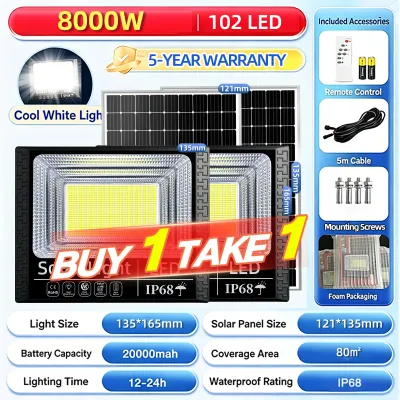
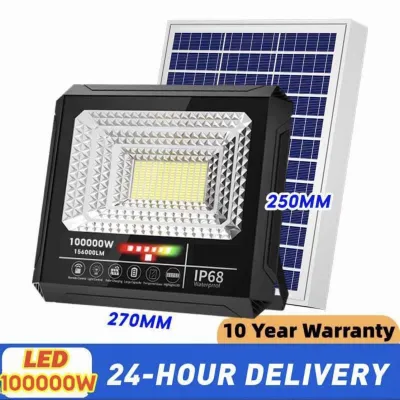
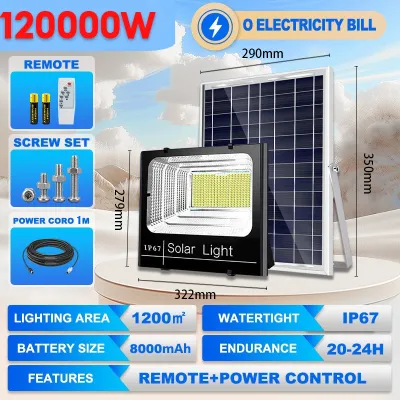
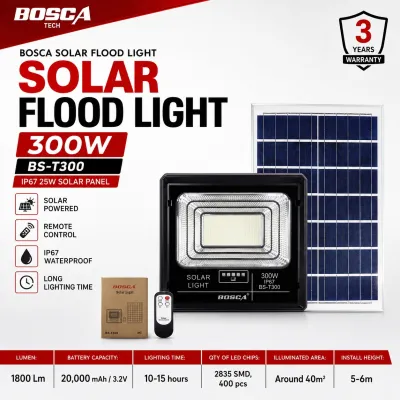
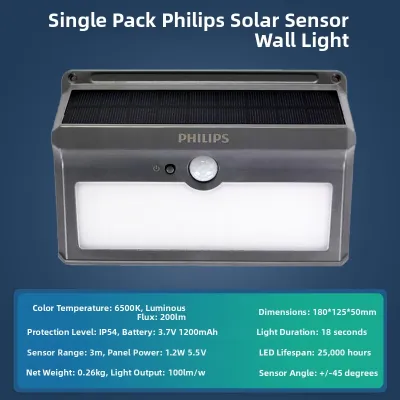
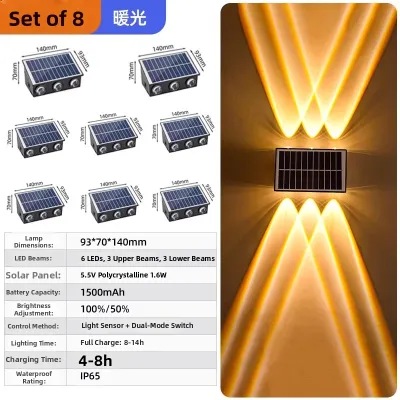
Prices are valid at publication and may change. Please refer to the product page for the latest price.

Layering different light types—combining low-level path markers with mid-level accent lights and high-level security fixtures—creates visual depth and enhances safety. This approach prevents flat, harsh lighting and allows you to control the mood of each area.
Walkways and Pathways
Stake-Mounted vs. Surface-Mounted Designs
Stake-mounted solar lights are the traditional choice for soft soil borders along garden paths, allowing easy adjustment as plants grow. Surface-mounted or flush-mounted disc lights work best on hard paving, concrete walkways, or wooden steps where stakes cannot penetrate. They sit flat against the surface, minimizing tripping hazards while casting a clean, horizontal glow across the walking path.
Light Spread, Height, and Shielding
Look for fixtures with downward-facing shields or frosted lenses. These designs direct light onto the walking surface rather than shining upward into your eyes, preserving your night vision. Taller pathway lights, standing between 12 to 24 inches, cast a wider pool of light, meaning you need fewer fixtures to illuminate a long stretch of path. Shorter, low-profile lights offer a more concentrated, intimate glow that highlights the texture of the path itself.
Spacing Guidelines
To avoid a “runway” look with overlapping bright spots or dark gaps, space your pathway lights evenly. Aim for a staggered layout, placing lights on alternating sides of the path. Generally, spacing lights 6 to 8 feet apart ensures continuous, gentle illumination without creating overlapping bright spots or leaving dangerous, pitch-black gaps. This staggered arrangement guides the eye naturally through the landscape, creating a sense of movement and depth.
Flower Beds and Focal Points
Adjustable Beam Angles
Flower beds, specimen trees, and garden sculptures are the artistic highlights of your landscape, and they require a different lighting strategy than functional walkways. Accent lighting and spotlights are designed to draw the eye to these features, creating dramatic focal points after dark. When selecting spotlights, look for models with adjustable beam angles. A narrow beam (around 15 to 30 degrees) is perfect for highlighting tall, slender features like a palm tree trunk or a vertical statue. A wider beam angle (45 degrees or more) is better suited for washing broad shrubbery, low flower beds, or textured stone walls with a soft, even layer of light.
Color Temperatures
The color temperature of your solar lights significantly affects how the natural colors of your garden are perceived. Warm white light, ranging from 2700K to 3000K, is highly recommended for most garden features. This warm glow enhances the natural, earthy tones of wooden pergolas, brick pathways, and warm-colored flowers. Cool white light, between 4000K and 5000K, can make green foliage look exceptionally crisp and vibrant, but it must be used with caution. If overused, cool white light can make a garden feel sterile, cold, or artificial.
Placement and Angling
Achieving the perfect visual effect requires careful placement and angling of your fixtures. To highlight a beautiful tree, place the spotlight near the base of the trunk and angle it upward. This technique, known as uplighting, emphasizes the texture of the bark and the structure of the canopy. Always test the angles at night before permanently securing the fixtures. Ensure that the light beams are directed away from seating areas, patios, and windows to prevent harsh glare from disrupting your outdoor relaxation.
Perimeter and Security Zones
Motion-Sensor vs. Dusk-to-Dawn
Perimeter and security zones require high-performance lighting designed to deter intruders and provide clear visibility along the boundaries of your property. Unlike decorative garden lights, security fixtures must deliver high-intensity illumination over a wide area. When choosing solar security lights, the first decision is whether to use motion-sensor activation or continuous dusk-to-dawn operation. Motion-sensor lights remain off or at a very low dimming level until they detect movement, at which point they burst into full brightness. This sudden change in light is highly effective at startling potential intruders and conserves battery power, ensuring the light has enough energy to last through the night.
Lumen Output and Mounting Height
Continuous dusk-to-dawn lights, on the other hand, provide a constant level of illumination from sunset to sunrise. While this offers uninterrupted visibility for security cameras or manual monitoring, it places a heavy demand on the solar battery. If you choose dusk-to-dawn lights, ensure they have large solar panels and high-capacity batteries to sustain the output. For both types of fixtures, check the product labels for lumen output. Security floodlights should deliver at least 300 to 1000 lumens to be effective. Mounting height is also crucial; installing these fixtures 7 to 10 feet above the ground ensures a wide light footprint and prevents the lights from being easily tampered with or blocked by low-lying vegetation.
Detection Range and Sensitivity
The effectiveness of a motion-activated security light depends heavily on its integrated sensor. Review the manufacturer’s specifications for the detection range and angle. A high-quality sensor should have a detection angle of at least 120 to 180 degrees and a range of 20 to 30 feet. Look for fixtures that offer adjustable sensitivity and duration settings. This allows you to fine-tune the sensor so it does not trigger every time a stray cat walks by or when the wind rustles nearby tree branches, which can drain the battery unnecessarily.
Patios and Entertainment Areas
Hanging Methods and Support
Patios, decks, and outdoor dining areas are the social hubs of the home, where lighting should focus on comfort, warmth, and ambiance. Overhead string lights and low-profile deck lights are excellent solar-powered options for these spaces, providing soft, glare-free illumination that encourages relaxation. When installing overhead string lights, proper hanging methods are critical for safety and durability. Solar string lights can be surprisingly heavy, especially over long spans. To prevent sagging and reduce physical strain on the electrical cords, always use a guide wire or tension cable. Secure the wire to sturdy posts, walls, or trees, and then clip the string lights to the wire using cable ties or outdoor-rated hooks.
Weather Resistance
Because patio lights are often suspended directly overhead, they are highly exposed to the elements. It is vital to check the weather resistance specifications of any fixture you plan to hang. Look for commercial-grade string lights with heavy-duty rubber cables and fully sealed sockets that form a tight seal around the bulbs. This prevents rainwater from seeping into the electrical connections, which can cause short circuits or corrosion. For deck steps and railings, flush-mounted solar cap lights or recessed step lights provide excellent low-level illumination that highlights structural boundaries and prevents trips without cluttering the social space.
Dimming and Color Temperature
To create the perfect atmosphere for entertaining, pay close attention to color temperature and control features. A very warm color temperature, between 2200K and 2700K, mimics the cozy, inviting glow of traditional incandescent bulbs or candlelight. This soft light is highly flattering and comfortable for long evenings of dining and conversation. If possible, select solar string lights that feature dimming capabilities or multiple operating modes. Some advanced solar controllers include remote controls or built-in buttons that allow you to switch between steady light, slow fades, or different brightness levels, giving you full control over the mood of your outdoor gathering.
Key Specifications to Verify on Product Labels
Lumens vs. Wattage
Navigating the technical specifications on solar light packaging can be challenging, but understanding these details is essential for making an informed purchase. One of the most common points of confusion is the difference between lumens and wattage. In traditional wired lighting, wattage was often used as a shorthand for brightness. However, in solar-powered LED lighting, wattage only indicates the power consumption of the LED or the power generation of the solar panel. To determine how bright a light will actually be, you must look at the lumen rating. A pathway light typically requires only 10 to 50 lumens to guide your steps, while an accent spotlight needs 100 to 200 lumens, and a security floodlight should deliver 300 to 1000 lumens.
Battery Type and Capacity
The battery is the heart of any solar lighting system, determining how long the light can run after a day of charging. Avoid older nickel-cadmium (NiCd) batteries, which suffer from memory effects and have a short lifespan. Instead, look for fixtures equipped with lithium-ion (Li-ion) or lithium iron phosphate (LiFePO4) batteries. These modern battery chemistries offer higher energy density, faster charging times, and significantly more charge cycles before they begin to degrade. Additionally, check whether the battery compartment is easily accessible and if the battery is user-replaceable. Being able to swap out a dead battery after a few years of use is much more cost-effective and environmentally friendly than replacing the entire light fixture.
IP (Ingress Protection) Ratings
The Ingress Protection (IP) rating is another critical specification to verify, as it measures how well the fixture is sealed against dust and water. The IP rating consists of two digits: the first digit (ranging from 0 to 6) indicates protection against solid particles like dust and dirt, while the second digit (ranging from 0 to 8) indicates water resistance. For general garden use, a minimum rating of IP44 is acceptable for sheltered areas. However, for fixtures that will be fully exposed to heavy tropical downpours, look for an IP65 rating. Ground-level disc lights or fixtures placed near lawn sprinklers should ideally carry an IP67 or IP68 rating, which certifies that they can withstand temporary submersion in water.
Price-to-Feature Ratio in ₱
Finally, consider the overall price-to-feature ratio of the fixtures, keeping your budget in Philippine Pesos (₱) in mind. While cheap plastic solar lights may seem appealing at first, they often degrade rapidly under intense tropical sun and heavy rain. Investing a bit more in fixtures made from durable materials like rust-resistant stainless steel, die-cast aluminum, or high-grade ABS plastic will save you money in the long run. Pay attention to the type of solar panel included; monocrystalline panels are more efficient and charge faster in low-light conditions than cheaper polycrystalline panels. Always check if the product includes a manufacturer’s warranty, as this provides peace of mind and guarantees support if a component fails prematurely.
Installation and Weather Considerations in the Philippines
Maximizing Sun Exposure
Installing solar landscape lights in the Philippines requires special consideration of the local climate, which is characterized by intense sunlight, high humidity, and severe wet seasons. To get the most out of your solar lights, proper panel placement is paramount. Solar panels must receive direct, unobstructed sunlight to charge their batteries fully. In the Philippines, positioning panels to face south or utility-upward generally maximizes daily sun exposure throughout the year. Be mindful of the surrounding environment; dense tropical canopies, large banana leaves, and roof overhangs can cast shadows that drastically reduce charging efficiency. Even partial shade for a few hours can prevent a battery from reaching full capacity.
Routine Maintenance and Storm Prep
The tropical climate also demands a regular maintenance routine to keep your solar lights functioning at their best. Heavy monsoon rains and typhoons can splash mud and debris onto the solar panels, while high humidity can encourage the growth of algae or mold on the glass surfaces. A dirty solar panel cannot absorb sunlight effectively, leading to shorter runtimes at night. At least once a month, wipe the solar panels clean with a soft, damp microfiber cloth and a mild, non-abrasive soap. Avoid using harsh chemical cleaners or rough scrubbing pads, which can scratch the protective coating on the panels. During your cleaning routine, take a moment to inspect the rubber seals on the light housings to ensure they remain intact and free of cracks.
DIY vs. Professional Installation
While most stake-mounted and low-voltage solar lights are simple DIY projects, some situations require professional expertise. If you are planning a comprehensive landscape lighting design that involves mounting heavy fixtures at high elevations, installing hybrid solar-wired systems, or running fixed wiring through damp garden zones, it is best to consult a qualified professional. Working with electricity in wet outdoor environments carries inherent risks. A professional installer can ensure that all fixed wiring is properly isolated, grounded, and compliant with local electrical standards, protecting your home and family from potential electrical hazards.
Frequently Asked Questions (FAQ)
Do solar lights work effectively during the rainy season?
Yes, solar lights can still function during the rainy season, but their performance will naturally be affected by the lack of direct sunlight. Solar panels do not require bright, clear skies to generate electricity; they can absorb ambient daylight and charge the battery even on heavily overcast or rainy days. However, because the intensity of daylight is significantly lower when filtered through thick storm clouds, the solar panel will generate less power. This means the battery may not reach a full charge, resulting in shorter runtimes and dimmer light output during the night.
To ensure your solar lights remain as effective as possible during the wet season, look for fixtures equipped with high-efficiency monocrystalline solar panels, which perform better in low-light conditions than polycrystalline alternatives. Additionally, prioritize lights with larger battery capacities that can store extra energy during sunny intervals. Some modern solar lights also feature intelligent power-saving modes. These smart systems automatically detect when the battery charge is low and dim the light output slightly to conserve energy, allowing the fixture to remain illuminated for the entire night rather than shutting off after just a few hours.
How do I maintain solar lights to ensure longevity?
Ensuring the longevity of your solar landscape lights requires a simple but consistent maintenance routine. The most important step is keeping the solar panels clean. Dust, pollen, bird droppings, and mineral deposits from rain can accumulate on the panel surface, blocking sunlight and reducing charging efficiency. Wipe the panels regularly with a soft, damp cloth. If the panels are particularly dirty, use a mild, non-abrasive soap mixed with water, and rinse thoroughly. Never use abrasive cleaners, steel wool, or harsh chemicals, as scratching the panel’s surface will permanently reduce its ability to absorb light.
In addition to cleaning, perform regular physical inspections of each fixture. Check the light housings for signs of moisture ingress, such as condensation behind the lens, which indicates a failing seal. If you find water inside a fixture, turn it off, open the housing to let it dry completely, and apply a small amount of silicone sealant to the joint before reassembling. Inspect the battery compartment for corrosion, which can prevent proper electrical contact. Most rechargeable solar batteries last between one to two years before their capacity begins to decline. When you notice a significant drop in runtime despite sunny weather, replace the old batteries with high-quality, compatible rechargeable batteries of the same voltage and chemistry.
Community discussion
Share your experience or ask a question. Comments are reviewed before publication.