
Waterproof solar Christmas lights offer a highly flexible, cordless, and energy-efficient way to bring festive warmth into condo bedrooms and living rooms. By eliminating the need for nearby wall outlets, they solve a common layout challenge in compact urban apartments where power sources are often limited or awkwardly positioned. However, successful setup relies entirely on matching the solar panel’s placement with adequate sunlight exposure and selecting the right light styles to complement your indoor spaces. Understanding how to evaluate technical specifications and install these systems safely ensures a cozy, hassle-free holiday atmosphere.
Condo living often requires creative decorating solutions, especially when dealing with strict rental agreements or limited electrical outlets. Running extension cords across high-traffic living room floors or bedroom walkways creates tripping hazards and looks cluttered. Solar-powered string lights bypass these issues entirely by operating on self-contained battery systems charged by the sun, making them an excellent choice for renters who want to avoid modifying their walls or electrical wiring.
Why Solar Fairy String Lights Work for Condo Ambient Lighting
Using solar-powered lighting in a high-rise condominium offers distinct advantages, primarily centered around energy efficiency and cordless convenience. Traditional plug-in lights contribute to your monthly electricity bill and require you to position your furniture close to wall outlets. Solar lights operate entirely off the grid, harvesting free solar energy during the day and automatically illuminating your space at night. This self-sustaining cycle is particularly beneficial in the Philippines, where abundant tropical sunshine can be harnessed throughout the year to power decorative displays.
Products mentioned in this guide
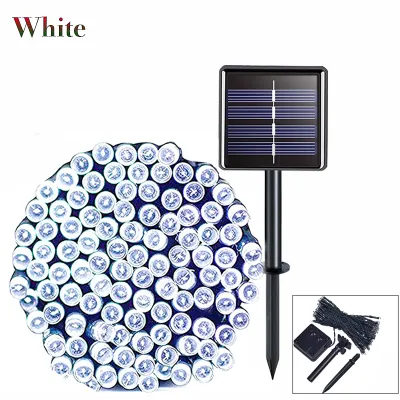
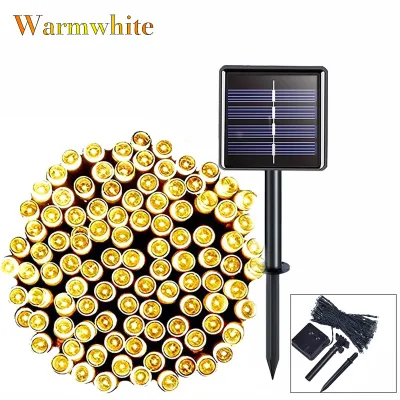
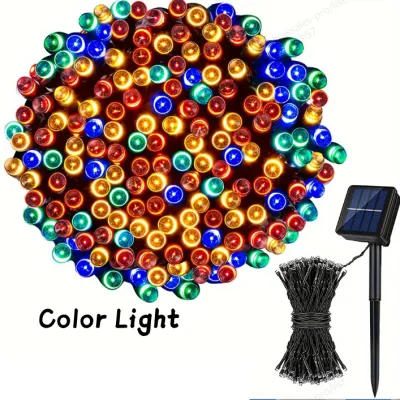
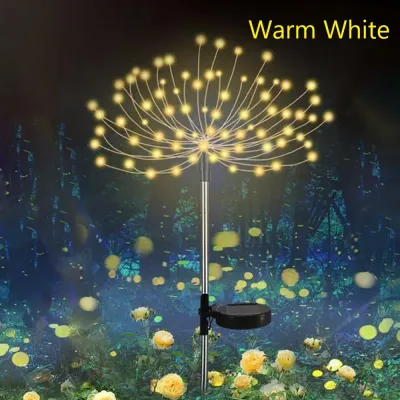
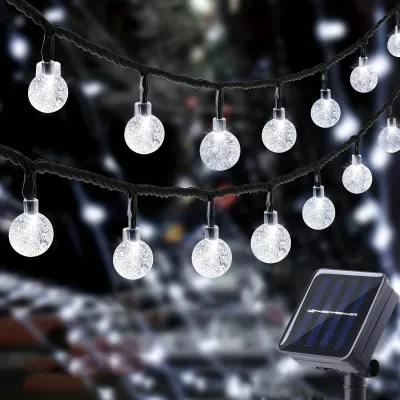
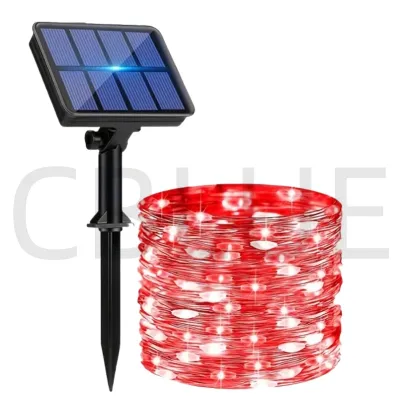
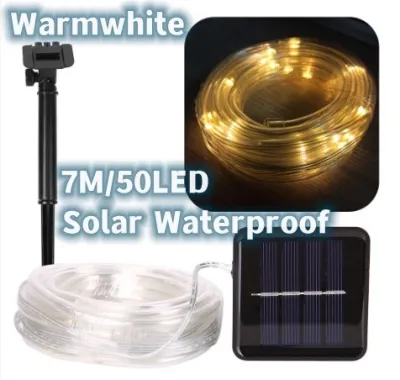
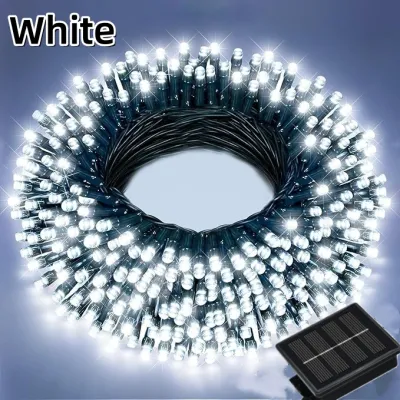
Prices are valid at publication and may change. Please refer to the product page for the latest price.
However, the viability of solar lighting in a condo depends heavily on your unit’s layout and orientation. To charge the internal battery effectively, the solar panel must have direct access to sunlight. This typically requires an open balcony, a wide window ledge, or a glass sliding door that faces the sun for several hours a day. If your panel is placed behind thick, UV-resistant window glass or inside a deeply recessed window frame, the charging efficiency will drop significantly.
Furthermore, physical limitations can restrict solar charging in certain condo units. If your apartment faces a narrow inner courtyard, is heavily shaded by neighboring skyscrapers, or is oriented strictly north, it may receive only ambient daylight rather than the direct sun rays needed for a full charge. In such cases, the lights may only operate for a short period or fail to turn on entirely. Assessing your unit’s daily sun exposure before purchasing ensures that your solar setup will perform as expected.
Key Features to Check Before Buying Waterproof Solar Lights
When shopping for solar Christmas lights, understanding technical specifications is crucial to finding a durable and safe product. The first specification to verify is the Ingress Protection (IP) rating, which indicates how well the lights and the solar panel resist dust and water. For balcony or open-window installations, look for at least an IP44 rating, which protects against splashing water from any direction. If your balcony is completely exposed to heavy tropical downpours, upgrading to an IP65 or IP67 rating ensures the light string and its controller remain fully protected against water penetration.

Another critical factor is the design of the solar panel assembly. Solar lights generally come in two configurations: integrated units where the panel and light sensor are fixed directly to the light string, and separate panels connected to the lights by a long lead wire. For indoor condo setups, a separate panel design is highly recommended. This configuration allows you to mount the solar panel outdoors on a balcony railing or suction-cupped to a window pane, while running the thin lead wire indoors to drape the actual lights across your bedroom or living room.
Battery capacity and chemistry also dictate how long your lights will stay illuminated after sunset. Most solar lights use either Nickel-Metal Hydride (NiMH) or Lithium-ion (Li-ion) rechargeable batteries, with capacities typically ranging from 600mAh to 1200mAh or higher. Li-ion batteries generally offer faster charging times and longer lifespans under continuous charge-discharge cycles, making them highly reliable during the rainy season when daylight is limited. Always check the manufacturer’s rated charging-to-running ratio to estimate performance under typical local weather conditions.
Finally, pay close attention to color temperature and lighting modes to ensure the lights match your desired indoor atmosphere. Perceived color temperature is a subjective preference, but warm white lights (around 2700K to 3000K) are generally preferred for cozy bedroom and living room environments because they mimic the soft glow of traditional incandescent bulbs. Cool white lights (5000K or higher) can feel clinical or harsh indoors. Additionally, verify that the solar controller includes a “steady on” mode, as constant flashing or aggressive chasing patterns can quickly become distracting in small, enclosed living spaces.
Even though solar lights operate on low-voltage direct current (typically 1.2V to 3.7V), safety certifications should not be overlooked. Look for recognized certification marks like CE or RoHS on the product packaging. These labels indicate that the product has been manufactured without hazardous materials and that the electrical components meet basic safety standards, reducing the risk of overheating or short circuits in humid environments.
Matching Light Styles to Your Bedroom and Living Room Setup
Selecting the right style of fairy lights allows you to enhance the architectural features of your condo while maintaining a balanced, uncluttered look. In the bedroom, the primary goal is to create a calm, low-glare sanctuary that promotes relaxation. Micro LED copper wire strings are exceptionally suited for this purpose. The ultra-thin, flexible wire can be easily wrapped around wooden headboards, woven through bed canopy fabrics, or draped along floating shelves. Because the copper wire is nearly invisible when the lights are turned off, it preserves a clean, minimalist aesthetic during the day.
For living rooms, you can opt for higher-impact light styles that serve as visual focal points. Curtain lights hung behind sheer window drapes create a stunning waterfall effect, softening the hard glass surface of large condo windows and adding depth to the room. Alternatively, globe string lights (such as G40 or small cherry bulbs) can be strung along a feature wall or suspended above a sofa to introduce a rustic, cafe-like charm. Starburst or branch-style solar lights can also be placed inside decorative glass vases to act as unique, glowing sculptural accents on side tables.
Regardless of the style you choose, it is important to balance these decorative accents with your condo’s primary functional lighting. Ambient string lights should complement, not compete with, your main ceiling downlights, track lighting, or reading lamps. If your decorative lights are excessively bright, they can cause uncomfortable screen glare on televisions or computer monitors. Selecting lower-lumen strings or models with adjustable brightness levels helps you maintain a comfortable, balanced visual environment.
Installation and Safety Guidelines for Indoor and Balcony Use
Installing solar lights in a condominium requires careful planning to ensure safety, protect property, and comply with community guidelines. When positioning the solar panel on a balcony, secure mounting is paramount. High winds during tropical storms can easily dislodge loose panels, turning them into dangerous falling hazards for residents below. Always consult your condominium’s Property Management Office (PMO) guidelines before attaching anything to exterior structures. Many building associations strictly prohibit hanging items on the outside of balcony railings for safety and aesthetic uniformity.
To avoid losing your security deposit or damaging your walls, utilize renter-friendly, damage-free mounting solutions. Avoid drilling holes or using permanent screws on window frames and walls. Instead, use high-quality adhesive hooks designed for humid environments, tension rods placed inside window frames, or specialized plastic curtain clips. These tools allow you to hang curtain lights or heavy globe strings securely and remove them cleanly when the festive season ends.
Cable management is another critical safety consideration, particularly in compact condo layouts. Keep the lead wire running from the outdoor solar panel to the indoor light string clear of walkways to prevent tripping hazards. Use low-profile adhesive cable clips or cord covers along baseboards to keep wires neat and flat. Ensure that any wire passing through a sliding balcony door or window is not pinched or crimped when the door is closed, as physical damage to the wire insulation can cause short circuits or cut off power to the lights.
Keep all electrical connections, even low-voltage solar lines, away from indoor moisture sources such as humidifiers, indoor plants, or pet water bowls. If your installation requires working at heights on a balcony, mounting heavy fixtures to concrete ceilings, or modifying any fixed electrical wiring in your unit, stop immediately. These tasks carry significant safety risks and should only be handled with proper safety equipment or by a qualified professional. Always prioritize personal safety and structural integrity over a DIY setup.
How to Build Your Shortlist and Verify Product Claims
With numerous solar lighting options available on e-commerce platforms, building a reliable shortlist requires a systematic approach to verifying product claims. Start by cross-referencing the seller’s product descriptions with photos of the actual packaging, user manuals, or physical specification labels. Look for clear, non-contradictory listings of technical details. If a product listing claims to be “fully waterproof” but the user manual warns against exposing the solar panel to rain, the product may not be suitable for outdoor balcony use.
Analyzing user reviews is one of the most effective ways to gauge real-world performance. Look past the initial star ratings and focus on detailed feedback from buyers who live in tropical climates. Pay close attention to comments regarding battery degradation over several months, water ingress after heavy downpours, and whether the actual light output matches the promotional photos. Reviews that include real-life photos or videos provide the most accurate representation of color temperature, wire flexibility, and overall build quality.
Avoid listings that rely on exaggerated marketing terms without providing technical proof. A seller who cannot specify the battery type, capacity, or exact IP rating is likely offering a low-quality item that may fail after a few weeks of exposure to high humidity. Budgeting around ₱500 to ₱1,500 per set for well-documented, certified products is a practical way to ensure you receive a durable, safe, and long-lasting lighting setup for your condo home.
Frequently Asked Questions (FAQ)
Can I use waterproof solar lights strictly indoors without a balcony?
Solar panels require direct ultraviolet (UV) light to charge efficiently. Standard window glass filters out a significant portion of solar radiation, and indoor ambient light from ceiling fixtures is entirely insufficient for charging. If your condo lacks a balcony or a window ledge with direct sun exposure, look for solar models that feature a detachable panel with an alternative USB charging port. This allows you to charge the battery via a standard wall adapter indoors when sunlight is unavailable, giving you the cordless benefits of the lights without relying solely on the sun.
How do I maintain the solar panel to ensure consistent charging?
In urban environments, dust, vehicle emissions, and pollen quickly accumulate on the solar panel’s surface, blocking sunlight and reducing charging efficiency. Wipe the panel clean every few weeks using a soft, damp microfiber cloth. Avoid abrasive sponges or harsh chemical cleaners that can scratch or degrade the protective plastic coating. Periodically inspect the housing for signs of yellowing from UV exposure or moisture fogging inside the lens, and adjust the panel’s angle to match seasonal shifts in the sun’s path across the sky.
Community discussion
Share your experience or ask a question. Comments are reviewed before publication.