
The most popular rattan fruit baskets with handles for Buwan ng Wika celebrations are those that showcase traditional Filipino weaving patterns, feature robust integrated or arched handles, and offer a natural, unvarnished or lightly finished aesthetic. During this cultural season, shoppers prioritize functional centerpieces that can hold heavy tropical fruits like mangoes, pineapples, and bananas while serving as a rustic focal point for salo-salo feasts. To find the best option, you must evaluate the basket’s structural integrity, handle attachment points, and weave quality rather than relying solely on generic online listings.
Choosing a basket for this specific occasion requires balancing cultural authenticity with practical utility. Because trending inventory and best-selling models change rapidly across online marketplaces and local artisan shops, identifying the perfect rattan fruit basket with a handle requires knowing which weave styles, handle structures, and sizes align with traditional Filipino aesthetics. This guide provides the practical criteria to evaluate, select, and style the most suitable piece for your celebration, ensuring it serves as both a functional centerpiece and a meaningful cultural accent.
Why Rattan Baskets Fit Buwan ng Wika Celebrations
Buwan ng Wika is a month-long celebration in the Philippines that honors the national language and shines a spotlight on indigenous culture, heritage, and traditional arts. Incorporating native materials like rattan into your home or event decor is a direct way to pay homage to local craftsmanship. Rattan, known locally as yantok, is a climbing palm native to tropical regions of Asia and Africa, with the Philippines being home to several high-quality species. Its natural, earthy tones and organic textures instantly evoke a sense of rural warmth, reminiscent of traditional bahay kubo living and countryside harvest festivals.
Products mentioned in this guide
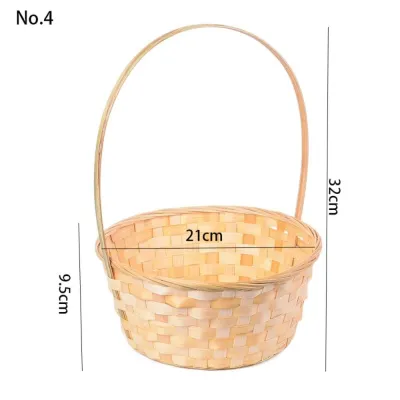
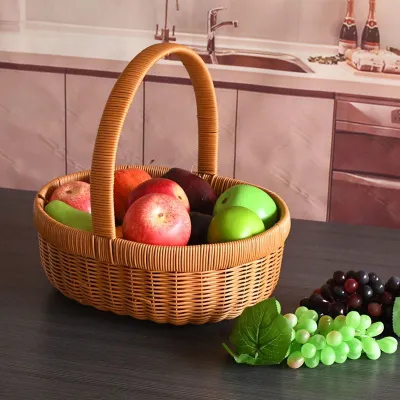
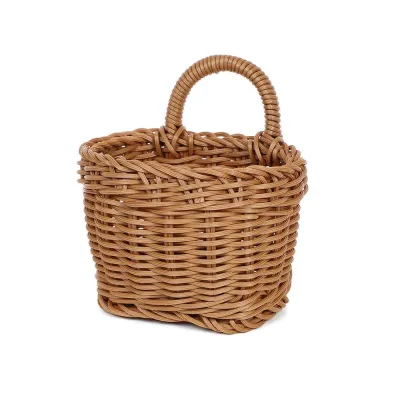
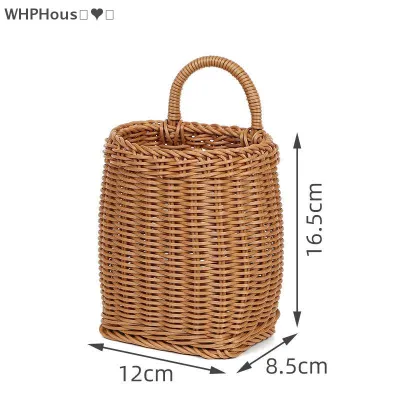
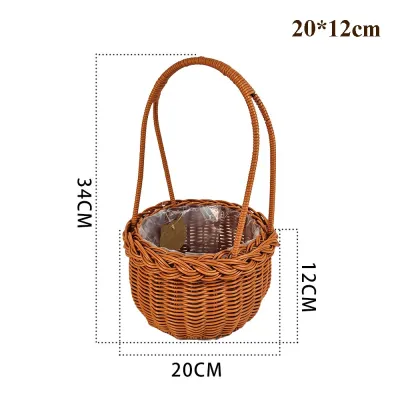
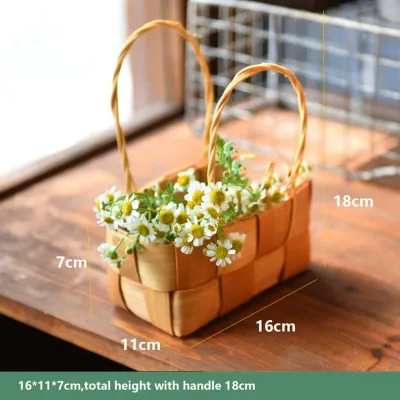
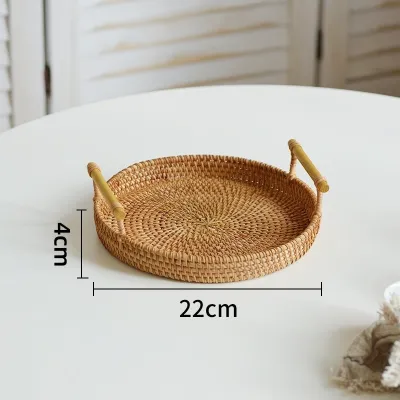
Prices are valid at publication and may change. Please refer to the product page for the latest price.
When styling a table for a Buwan ng Wika feast, natural textures complement traditional Filipino dishes and local fruits beautifully. A handwoven rattan basket filled with bright yellow mangoes, green bananas, red siniguelas, or a textured pineapple creates an eye-catching contrast against dark wooden dining tables or bamboo slats. The neutral, warm palette of rattan acts as a grounding element, allowing the vibrant colors of the harvest to stand out.
Beyond aesthetics, these baskets serve a dual purpose during the festivities. They are not merely passive decorative items; they are highly functional serving pieces. A sturdy basket with a handle can be used to transport fruits from the kitchen to the dining area, pass treats around the table during a family gathering, or serve as a portable gift container for native delicacies. This blend of utility and cultural symbolism makes the rattan fruit basket an indispensable element of seasonal Filipino decor.
Handle Designs and Structural Stability to Evaluate
When selecting a rattan fruit basket, the design of the handle is critical to both its visual appeal and its physical usability. The most common configuration is the fixed arch handle, which rises in a high curve over the top of the basket. This style provides a classic, rustic silhouette that mimics traditional harvest baskets. It is highly decorative and frames the fruit arrangement beautifully, but it does require sufficient vertical clearance on your table or shelf.

Alternatively, folding side handles or integrated woven grips offer a more compact profile. Baskets with small, woven loop handles on opposite sides are excellent for low-profile centerpieces, as they do not obstruct the view across the dining table. These integrated grips are woven directly into the rim of the basket, making them incredibly sturdy because there are no separate joints that can weaken over time.
Because tropical fruits like watermelons, papayas, and pineapples can be surprisingly heavy, you must consider weight distribution. A single, high arch handle must be perfectly centered to prevent the basket from tipping when lifted. If the weave is uneven or the handle is off-center, carrying a fully loaded basket can lead to spilled fruit or strained fibers.
Before purchasing, closely inspect the reinforcement points where the handle meets the basket body. In high-quality rattan ware, the handle is not merely glued or stapled to the rim. Instead, the core rattan poles of the handle should extend down into the base of the basket, woven securely into the main structure. Look for tight wrapping around these joints, often done with thinner split rattan or wicker, to ensure the handle will not snap or deform under a heavy load. Avoid baskets where the handle is attached only by thin metal wire or superficial staples, as these are prone to pulling loose after minimal use.
Sizing Your Basket for Fruits and Table Centerpieces
Selecting the right dimensions for your rattan fruit basket ensures it looks balanced on your table and comfortably holds your planned display. For standard dining tables or buffet setups, a tabletop basket typically ranges from 10 to 14 inches (approximately 25 to 35 centimeters) in diameter. A basket of this size is large enough to hold a modest assortment of medium-sized fruits, such as a hand of bananas, a few mangoes, and some local citrus, without overwhelming the dining space.
If you are planning a grand buffet or a floor-standing display for a school or office Buwan ng Wika exhibit, you may want to opt for larger harvest-style baskets. These can range from 16 to 20 inches in diameter and feature deeper walls. However, keep in mind that a very deep basket requires a large volume of fruit to look full. If you use a deep basket for a tabletop display, you may end up hiding the fruits at the bottom, or you will need to use fillers like clean straw, crumpled paper, or banana leaves to elevate the produce.
Proportions relative to your dining setup are key. A centerpiece should never block the line of sight between guests seated across from one another. If you choose a basket with a high, fixed arch handle, ensure the total height does not exceed 12 to 15 inches, or place it on a side buffet table rather than the main dining table. For the main dining table, a shallower, wider basket with low side handles is often the most practical choice, allowing guests to easily reach for fruits while maintaining an open, conversational atmosphere.
Checking Material Quality and Weave Durability
With the rise of synthetic home decor, it is important to distinguish between natural rattan, synthetic alternatives, and other native materials like bamboo or pandan. Natural rattan is prized for its strength, flexibility, and lightweight nature. It has a distinct texture with natural variations in color, small blemishes, and visible joints along the cane, which add to its rustic charm. Synthetic rattan, usually made of polyethylene or PVC, is highly weather-resistant but lacks the authentic warmth, organic scent, and cultural significance required for a traditional Buwan ng Wika theme. Bamboo is also common, but it tends to be stiffer and lighter, with flat, split strips rather than the round, solid cords characteristic of rattan.
To ensure durability, examine the tightness and uniformity of the weave. A well-made basket should feel firm and hold its shape when light pressure is applied to the sides. There should be no loose strands poking out, which can snag clothing or scratch delicate fruit skins. Run your hand carefully along the inside and outside of the basket to check for sharp splinters or protruding metal fasteners. High-quality artisan baskets rely on traditional interlocking weaving techniques rather than nails or staples to hold the structure together.
Food safety is another crucial consideration. Natural rattan is porous and can absorb moisture from ripe or damaged fruits, which may lead to mold growth. Check if the basket has a food-safe lacquer or liner. If the weave is completely untreated or very open, it is best to line the basket before placing food inside. You can use traditional banana leaves, which not only protect the rattan from moisture and stains but also enhance the authentic Filipino aesthetic of your display. Alternatively, you can place a small, clear glass or food-grade plastic bowl inside the basket to hold the fruits, keeping them completely separate from the raw fibers.
Finding Popular Rattan Baskets Online and Locally
Finding the perfect rattan basket involves knowing where to look and how to filter your options. If you are shopping on online marketplaces or e-commerce platforms, use specific search terms to bypass generic, mass-produced plastic items. Keywords like “handwoven natural rattan fruit basket,” “native basket with handle,” or “locally made yantok basket” will yield better results. When browsing listings, pay close attention to customer reviews. Look for photos uploaded by previous buyers to verify the actual color, size, and weave quality, as studio photos can sometimes be misleading. Reviews that mention the sturdiness of the handle and how well the basket handles weight are particularly valuable.
While online shopping offers convenience, visiting local physical markets, cooperative shops, or regional trade fairs provides distinct advantages. In the Philippines, markets like Dapitan Arcade, Quiapo, or local handicraft cooperatives showcase authentic work directly from regional weaving communities, such as those in Pangasinan, Bicol, or the Cordilleras.
Buying directly from these sources allows you to physically inspect the basket’s weight, feel the texture of the weave, and test the strength of the handle yourself. Furthermore, purchasing from local artisans or cooperatives ensures that your money directly supports the weavers who preserve these traditional crafts. This direct support aligns perfectly with the spirit of Buwan ng Wika, which seeks to celebrate and sustain Filipino heritage and local industries.
Styling and Maintaining Your Rattan Decor
Once you have selected your rattan fruit basket, styling it thoughtfully will elevate your Buwan ng Wika setup. To create a cohesive, festive look, pair the basket with other traditional Filipino textiles. Use an Inabel runner from the Ilocos region or a colorful Yakan weave as a tablecloth. Lining the basket with fresh, clean banana leaves adds a vibrant green contrast to the warm brown of the rattan. You can also tuck in a few local flowers, like sampaguita or yellow bell blossoms, around the edges of the fruit display to add a touch of fragrance and color.
During the event, keep the basket away from direct heat sources, such as buffet chafing dishes, candles, or food warmers. Excessive heat can dry out the natural fibers, making them brittle and prone to cracking. Similarly, avoid placing the basket in highly damp areas or leaving wet fruits inside for extended periods, as moisture can seep into the porous rattan and encourage mold.
After the celebrations are over, proper maintenance will keep your basket in excellent condition for future use. Start by removing all fruits and liners. Use a soft-bristled brush or a dry microfiber cloth to gently dust the weave, paying close attention to the crevices where dust and small debris can accumulate. If there are sticky residues from ripe fruits, wipe the affected area with a slightly damp cloth and immediately dry it with a clean towel. Store the basket in a cool, dry, and well-ventilated place to prevent moisture buildup and preserve the natural strength of the rattan fibers.
Frequently Asked Questions (FAQ)
Can I wash a natural rattan fruit basket with water?
It is highly recommended to avoid washing a natural rattan basket with water or soaking it entirely. Natural rattan is highly porous and absorbs water quickly. If the fibers remain wet for too long, they can swell, warp, weaken, and eventually develop mold or mildew, which ruins the basket. Instead, clean the basket by dusting it with a soft brush or wiping it with a dry microfiber cloth. For sticky spots, use a slightly damp cloth to spot-clean the area, then dry it immediately with a towel or let it air-dry completely in a well-ventilated space away from direct sunlight.
How do I prevent the rattan handles from drying out or cracking?
Prolonged exposure to dry environments, such as air-conditioned rooms, or direct sunlight can strip natural moisture from rattan, causing the handles to become brittle and crack. To maintain their flexibility and strength, check the manufacturer’s care instructions first. You can occasionally apply a very thin layer of food-safe mineral oil or natural beeswax to the handles using a soft cloth. Gently buff the oil into the fibers to help seal in moisture and keep the rattan supple. Avoid using harsh chemical conditioners or synthetic polishes, which can damage the natural finish.

Community discussion
Share your experience or ask a question. Comments are reviewed before publication.