
Selecting the right outdoor lighting involves balancing style, durability, and energy efficiency. For homeowners looking to illuminate their gardens, balconies, or patios without increasing their electricity bills, solar-powered options offer an ideal solution. A popular choice in this category is the bluecore solar string light lineup, known for its balance of modern aesthetics and solar efficiency.
Before purchasing any outdoor lighting system, you must evaluate the unique physical characteristics of your space. Factors such as daily sunlight exposure, the linear distance of the area you want to cover, and local weather patterns all play a critical role in how well your solar setup will perform. By taking the time to match your specific layout with the right technical specifications, you can ensure your outdoor space remains beautifully lit throughout the night.
Identifying Your Outdoor Lighting Goals
To begin, determine whether your primary objective is ambient decoration or functional illumination. Ambient lighting focuses on creating a warm, inviting atmosphere, which is perfect for cozy evening gatherings or quiet relaxation. Functional lighting, on the other hand, serves a practical safety purpose by illuminating dark pathways, steps, or entryways to prevent trips and falls.
Products mentioned in this guide
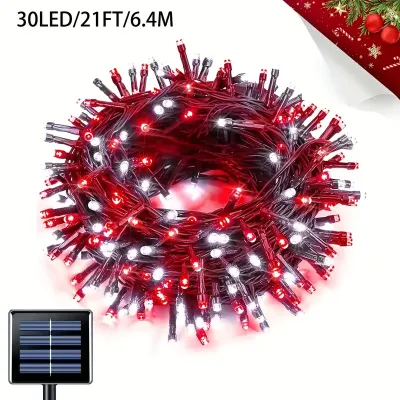
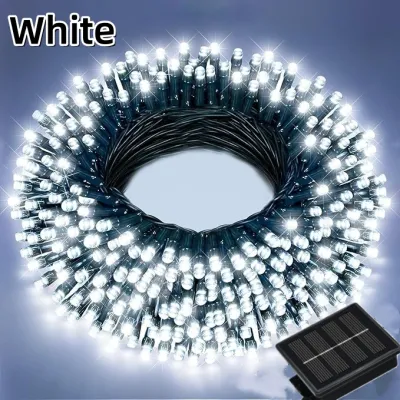
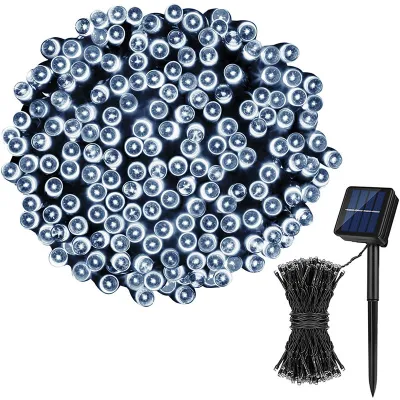
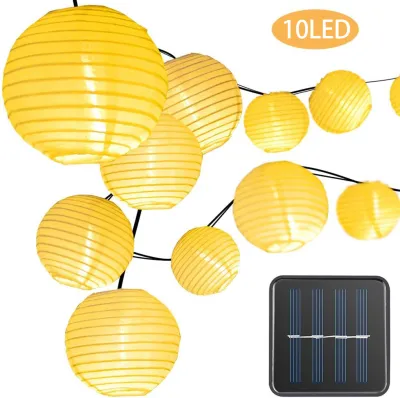
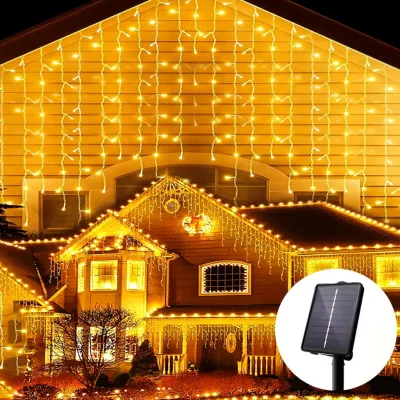
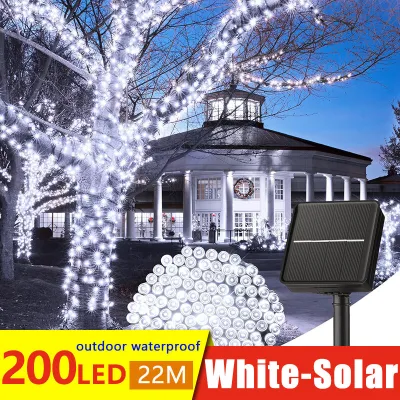
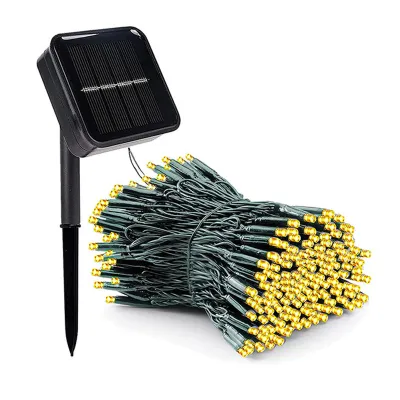
Prices are valid at publication and may change. Please refer to the product page for the latest price.
Once you have defined your lighting goals, measure the exact layout of your intended hanging area. Use a flexible measuring tape to map out the path where the wires will run, taking into account any extra length needed to drape or wrap the cords. Knowing the precise physical dimensions beforehand prevents the frustration of buying a string that is too short or excessively long for your space.
Next, observe the daily sunlight patterns across your outdoor area over the course of a full day. Solar panels require direct, unobstructed sunlight to charge their internal batteries efficiently. Identify any potential obstructions, such as overhanging tree branches, roof gutters, or neighboring walls, that might cast shadows on your solar panel during peak daylight hours.
Selecting the ideal bluecore solar configuration depends heavily on aligning these environmental factors with the product’s physical design. If your desired lighting area is permanently shaded, you will need a model that features a generous lead cable. This design allows you to position the solar panel in a sunny spot while routing the light string into the shaded zone.
Matching Bluecore Solar String Lights to Specific Outdoor Scenes
Different outdoor spaces present distinct installation challenges and environmental exposures. Matching the physical features of your string lights to the specific scene ensures both visual appeal and long-term durability.

Balconies and Small Patios
Urban balconies and compact patios require subtle, low-glare illumination that creates an intimate environment without overwhelming the small space. In these settings, shorter string lengths ranging from 5 to 10 meters are usually sufficient to provide adequate coverage without cluttering the area with excess wiring.
For these cozy spots, warm white color temperatures—typically between 2700K and 3000K—are highly recommended. This soft golden glow mimics traditional incandescent bulbs, fostering a relaxing ambiance that is ideal for unwinding after a long day. Highly flexible wire designs, such as thin copper wire or micro LEDs, are perfect for wrapping tightly around metal railings or weaving through small potted plants.
Because many balconies are covered by concrete ceilings or deep roof overhangs, standard integrated solar lights may struggle to charge. To solve this, select a model where the solar panel is attached to a separate, long lead cord rather than being fixed directly to the first bulb. This allows you to mount the solar panel on the outermost edge of the balcony railing where it can capture direct sunlight, while the decorative lights remain safely under the covered ceiling.
Gardens and Pathways
Gardens and walkways are fully exposed to the elements, meaning they require robust lighting solutions that can handle high humidity and heavy tropical rainfall. When shopping for these areas, always verify the product’s IP (Ingress Protection) rating on the packaging to ensure it is rated for continuous outdoor exposure.
For garden beds and pathway borders, look for models that include a sturdy, adjustable ground stake for the solar panel. This stake allows you to secure the panel firmly into the soil or grass at an angle that maximizes sun exposure. Ensure the panel is positioned high enough so that growing foliage or ground cover plants will not block the solar cells over time.
Safety is another major consideration for ground-level installations. Because garden paths are high-traffic zones, choose string lights featuring shatterproof bulb housings made of heavy-duty polycarbonate or acrylic rather than fragile glass. Shatterproof materials prevent dangerous breakages caused by wind-blown garden debris, falling twigs, or accidental kicks from family members and pets.
Large Gazebos and Entertainment Areas
Large outdoor structures, such as spacious gazebos, pergolas, or open-air backyard dining areas, require a higher volume of light to cover the expansive footprint. For these entertainment hubs, look for longer string lengths of 15 meters or more, featuring a higher density of LED bulbs to provide consistent, bright illumination across the entire structure.
Because lighting a large area requires more electrical power, you must carefully examine the solar panel size and battery capacity specifications on the product label. A small, low-capacity battery will not be able to sustain a long, high-density LED string for more than a few hours. A larger setup demands a high-capacity lithium-ion battery to ensure the lights remain bright throughout your evening social gatherings.
Additionally, consider how the lights will be suspended across these wide spans. Heavy-duty commercial-grade strings often feature built-in hanging loops above each bulb socket. These loops allow you to run a support guide wire (such as a stainless steel cable) to carry the weight of the string, preventing the electrical wire from stretching or snapping under tension.
Key Specifications to Verify for Tropical Climates
Operating solar-powered electronics in a tropical climate like the Philippines requires careful attention to build quality. High humidity, intense UV radiation, and seasonal monsoons can quickly degrade substandard materials.
Solar Panel and Battery Specifications
When reviewing product labels, pay close attention to the solar panel type. Monocrystalline solar panels are generally more efficient at converting sunlight into electricity than polycrystalline alternatives. This higher efficiency is particularly valuable during the rainy season, when overcast skies limit the amount of daily sunlight available for charging.
Equally important is the battery capacity, which is measured in milliampere-hours (mAh). The battery must be appropriately sized to match the number of LEDs on the string; for example, a 100-LED string requires a much larger battery capacity (such as 2000mAh or higher) than a 30-LED micro string to achieve the same runtime. Look for lithium-ion (Li-ion) or lithium iron phosphate (LiFePO4) batteries, as they offer better heat tolerance and longer lifespans in warm climates compared to older nickel-metal hydride (Ni-MH) batteries.
Weather Resistance and IP Ratings
The Ingress Protection (IP) rating is a standardized scale that indicates how well an electrical enclosure protects against dust and water. The first digit ranges from 0 to 6 and measures solid protection, while the second digit ranges from 0 to 9 and measures liquid protection. For reliable outdoor performance in tropical climates, look for a minimum rating of IP65, which indicates the product is dust-tight and protected against water jets.
Never assume that the entire product shares the same waterproof rating. In some budget models, the light bulbs themselves may be waterproof, but the solar panel or the integrated control box may have a lower rating. Ensure the product specifications explicitly state that both the string lights and the solar panel/control unit are fully rated for outdoor wet environments.
Lighting Modes and Energy Consumption
Many solar string lights feature multiple operating modes, including steady-on, slow fade, flashing, and sequential patterns. Some models also include dimming options or built-in timers. These features are not just decorative; they also serve as useful tools for managing energy consumption.
Continuous steady-on mode draws the maximum amount of power from the battery. If you experience consecutive cloudy or rainy days, switching the lights to a flashing or blinking mode can reduce power consumption by up to fifty percent. This simple adjustment allows the system to operate for a longer duration on a limited charge.
Cable and Build Quality
Intense exposure to ultraviolet (UV) rays from the tropical sun can cause cheap plastic wire insulation to become brittle, crack, and yellow over time. Once the insulation cracks, moisture can seep into the copper wiring, causing corrosion and electrical failure.
To prevent this, look for cables made from thick, UV-resistant materials such as commercial-grade PVC or heavy-duty rubber. Inspect the bulb sockets to ensure they feature tight-fitting rubber gaskets or seals. These seals prevent rainwater from entering the socket interface, protecting the electrical contacts from rust and short circuits.
Safe Installation and Maintenance Practices
Proper installation and regular upkeep are essential to maximize the performance and lifespan of your solar lighting system. Following safe practices protects both your property and the product from damage.
Panel Placement
To achieve the best charging performance, mount the solar panel in a location that receives at least 6 to 8 hours of direct, unfiltered sunlight daily. Angle the panel upward at approximately 15 to 30 degrees, facing south or southwest, to capture the maximum amount of solar energy throughout the year. Ensure that nearby trees, roof lines, or drying laundry do not cast shadows on the panel during the middle of the day.
Mounting
When securing the light strings, prioritize safety and material integrity. Use gentle, outdoor-rated mounting accessories such as plastic cable clips, cup hooks, or UV-resistant nylon zip ties. These fasteners hold the wires securely without pinching or damaging the protective outer insulation.
Never use metal nails, staples, or tacks directly over the electrical wires. These sharp fasteners can easily pierce the rubber casing, exposing the live copper wires to moisture and creating a serious short-circuit or shock hazard. If your installation requires working at heights—such as hanging lights along a high pergola or roofline—always isolate any nearby power sources, use a stable ladder on flat ground, and have a second person assist you to prevent falls.
Maintenance
Dust, pollen, salt spray, and bird droppings can accumulate on the surface of the solar panel, creating a barrier that blocks sunlight and reduces charging efficiency. To prevent this, wipe the panel surface at least once a month using a soft, damp microfiber cloth. Avoid using abrasive scrubbing pads or harsh chemical cleaners, as these can scratch the protective plastic or glass cover, permanently reducing its transparency.
Over several years of continuous use, the rechargeable battery inside the solar unit will naturally degrade and hold less charge. When you notice a significant drop in nightly runtime despite sunny weather, the battery likely needs to be replaced. Always consult the manufacturer’s instruction manual for the correct battery specifications, and follow the safe replacement procedures outlined in the guide to avoid damaging the internal circuitry.
Frequently Asked Questions (FAQ)
How long do Bluecore solar string lights typically stay on at night?
The nighttime runtime of solar string lights is not a fixed number; it varies based on the battery capacity, the selected lighting mode, and the amount of direct sunlight the panel received during the day. Under optimal sunny conditions with a fully charged battery, you can typically expect between 6 to 10 hours of continuous illumination. However, during the rainy season or on heavily overcast days, the reduced charging efficiency will naturally result in a shorter operating time at night.
Can I leave the string lights outside during heavy monsoon rains?
Yes, provided that the product packaging explicitly indicates an IP65 or higher weatherproofing rating for both the light string and the solar panel/control box. These ratings ensure the components are sealed against heavy rain and high humidity. However, during severe weather events such as tropical typhoons, extreme winds can tear down wires or cause physical damage from flying debris. For safety and to prolong the lifespan of your lights, it is highly recommended to temporarily take them down or securely store the control components when a severe storm warning is active.
Community discussion
Share your experience or ask a question. Comments are reviewed before publication.