
Selecting the right Bosca indoor track lights for your home in the Philippines depends on matching the specific functional needs of each room with the technical specifications found on the product packaging. Because track lighting offers a modular design, you can customize the number of light heads, adjust their angles, and choose specific color temperatures to suit different spaces. To make an informed purchase, you must verify local electrical compatibility, ceiling load capacities, and the physical connector types of your chosen track system.
Assessing Lighting Needs by Room Function
Before purchasing any track lighting components, you must determine what role the light will play in each room. Ambient lighting provides general illumination to help you navigate a space safely, while task lighting focuses a concentrated beam on work surfaces like kitchen counters or study desks. Many homes in the Philippines feature open-plan layouts where a single room serves multiple purposes, making the adjustable nature of track lights highly practical for creating distinct functional zones.
Natural light also plays a significant role, as tropical sunlight may flood certain areas of your home during the day while leaving deep corridors or recessed corners in shadow. Positioning track lights to target these darker zones helps balance the overall brightness of the room, preventing eye strain when transitioning between natural and artificial light.
Products mentioned in this guide
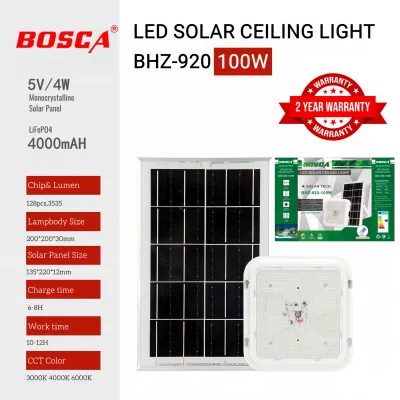
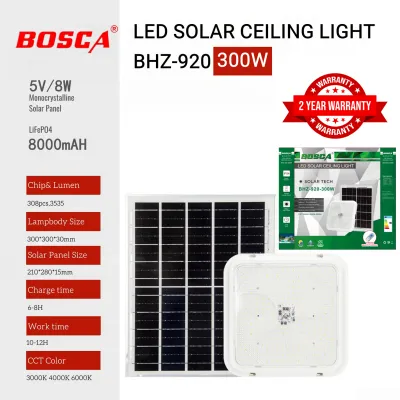
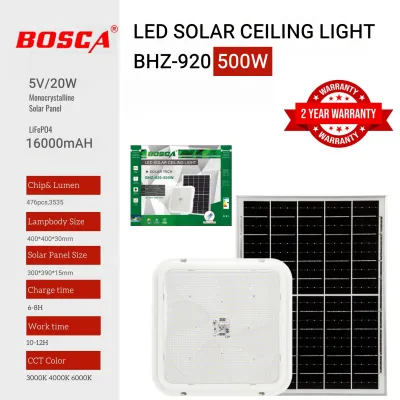
Prices are valid at publication and may change. Please refer to the product page for the latest price.
Finally, take precise measurements of your ceiling height and room dimensions. High ceilings generally require fixtures with narrower beam angles or higher light output to project illumination effectively down to the living plane. Conversely, standard or low ceilings benefit from wider beam angles that spread light evenly without creating intense, uncomfortable hot spots directly overhead.
Essential Specifications to Verify Before Purchase
When evaluating Bosca indoor track lights, you must verify that the technical specifications on the product label match the standard Philippine residential electrical supply of 220 volts (V) at 60 hertz (Hz). You must confirm that any track, connector, or light head you purchase is rated for this specific voltage to ensure safe operation and prevent premature component failure.

You must also check the maximum wattage limit of both the track rail and the individual light heads to prevent overheating, melted insulation, or electrical hazards. Always calculate the cumulative wattage of all planned light heads and verify that it remains well below the maximum capacity specified by the manufacturer for that specific track length.
System compatibility is vital if you plan to expand your setup, as track systems typically utilize specific standards (such as H-type, J-type, or L-type tracks) that dictate how the light heads lock into the rail. Ensure that your Bosca track rails and light heads share the exact same interface type, as components from different standards are not physically or electrically interchangeable.
Lastly, review the beam angle and color temperature options listed on the packaging. Beam angles determine how wide or focused the light spread will be, ranging from narrow spot beams for accenting objects to wide flood beams for general illumination. Color temperature, measured in Kelvin (K), dictates the visual warmth of the light, which directly influences the mood and functionality of your indoor spaces.
Matching Track Light Features to Specific Rooms
Achieving the ideal lighting balance involves matching the physical features of your track system to the unique demands of each living area. By utilizing adjustable track heads, you can establish distinct lighting zones that adapt to your daily routines and changing furniture layouts.
Living and Dining Spaces
In social areas like the living and dining rooms, track lighting should enhance comfort while highlighting key design elements. Adjustable spot heads allow you to direct light toward artwork, bookshelves, or architectural features without casting harsh glare on seated guests. This technique of accent lighting adds depth to the room, making the space feel larger and more inviting.
For these relaxation-focused areas, selecting warmer color temperatures is generally recommended. Look for specifications indicating a warm white range, typically between 2700K and 3000K, on the product packaging. This warm glow mimics traditional incandescent lighting, which helps create a cozy, relaxed atmosphere suitable for unwinding at the end of the day or hosting family dinners.
When planning the physical placement of the tracks, avoid positioning them directly above seating areas or dining tables where the light heads would point straight down. Instead, offset the tracks slightly and angle the fixtures toward walls or decorative features. This indirect approach ensures that the light is diffused and comfortable, preventing direct glare from disrupting conversations.
Kitchens and Task Areas
Kitchens and home workspaces demand high-visibility lighting for safety and precision. Prioritize specifications indicating a high Color Rendering Index (CRI) of 80 or above to ensure colors appear natural and vibrant. Brighter, cooler light temperatures, such as cool white (4000K) or daylight (6500K), are highly effective here as they improve focus and reduce eye fatigue during food preparation or detailed work.
Proper track placement is crucial in a kitchen to prevent your body from casting shadows over your workspace. Install the track rails directly above the front edge of your countertops rather than behind you. This positioning ensures that the light shines directly onto your cutting boards, stove, and prep areas, keeping your hands and tools clearly visible.
Additionally, you must consider the environmental conditions of your kitchen. Areas near sinks, stoves, or dishwashers are prone to steam, moisture, and grease accumulation. Check the product specifications for appropriate Ingress Protection (IP) ratings or manufacturer guidelines regarding damp-rated installations to ensure the fixtures can withstand these conditions without short-circuiting or corroding.
Bedrooms and Transitional Zones
Bedrooms and hallways require a softer, more subtle approach to lighting to maintain a sense of calm. Direct overhead light in the bedroom can be jarring, especially when lying down. To avoid this, position your track heads to bounce light off walls or wardrobes, creating a soft, indirect glow that illuminates the room gently without exposing your eyes to direct bulb glare.
For transitional zones like hallways, corridors, or entryways, you generally need fewer light heads and lower-wattage bulbs. These areas do not require intense illumination; instead, they benefit from a clear path of light that guides you safely through the home. Keeping the wattage low within the fixture’s rated limits also helps conserve energy in spaces where lights may remain turned on for extended periods.
If you prefer adjustable brightness levels in your bedroom or living areas, you must verify dimming compatibility before purchasing. Not all track lights or LED bulbs support dimming. Check the product packaging to confirm that both the track fixtures and your wall dimmer switch are explicitly rated as compatible to prevent flickering, buzzing, or damage to the electrical components.
Installation Safety and Electrical Compatibility
Installing fixed track lighting systems carries inherent risks that require strict safety protocols. Always turn off the main power supply at your home’s circuit breaker before inspecting, adjusting, or connecting any ceiling wiring. Never rely solely on a wall switch to isolate the power, as current may still be present in the ceiling junction box.
For any hardwired track installations, it is highly recommended to consult a licensed electrician. This is particularly important in older homes in the Philippines, where electrical panels, wiring insulation, or grounding systems may not meet modern safety standards or support additional electrical loads. A professional can verify that your home’s electrical system can safely handle the new fixtures and ensure all connections are secure and code-compliant.
Furthermore, you must evaluate the structural integrity of your ceiling before mounting the track rails. Track systems, especially longer configurations with multiple heavy light heads, exert a continuous downward pull on the ceiling material. If you are mounting to gypsum board, plaster, or wooden ceilings, ensure you use appropriate heavy-duty anchors or secure the track directly to structural joists. If you suspect the ceiling material cannot safely support the weight, stop the installation immediately and consult a structural professional or the manufacturer for guidance.
Frequently Asked Questions (FAQ)
Can I mix different Bosca light heads on the same track?
You can only mix different light heads on the same track if they share the exact same physical connector standard (such as H-type) and operate on the same voltage. Before adding new heads, you must calculate the total wattage of all fixtures on the track to ensure it does not exceed the track’s maximum rated wattage capacity. Never mix fixtures from different manufacturers or product lines unless the official documentation explicitly states they are compatible.
How do I clean and maintain indoor track light fixtures?
To clean your track light fixtures safely, first turn off the power at the wall switch and allow the bulbs to cool down completely to avoid burns. Use a dry or slightly damp microfiber cloth to gently wipe away dust and dirt from the track rail and the exterior of the light heads. Avoid using harsh chemical cleaners, abrasive pads, or excessive moisture, as these can damage the protective finish and pose an electrical hazard if liquid enters the track.
Community discussion
Share your experience or ask a question. Comments are reviewed before publication.