
Transforming a compact condo balcony into a relaxing outdoor retreat relies heavily on the right lighting. For high-rise dwellers in the Philippines, solar light Ecolum options offer an energy-efficient, wire-free way to introduce warm, inviting illumination without adding a single ₱ to your monthly electricity bill. Choosing the best style involves matching the physical layout of your balcony with fixtures designed to maximize limited sunlight.
Whether you want to drape delicate string lights along your railing, mount sleek sconces on concrete walls, or tuck subtle stake lights into potted palms, selecting the right design requires balancing aesthetics with practical constraints. By understanding how different solar light styles operate, you can curate a cozy, functional outdoor space that charges by day and glows beautifully by night.
Assessing Your Condo Balcony Constraints and Lighting Needs
Before purchasing any solar fixtures, you must evaluate the unique environmental conditions of your balcony. High-rise buildings in dense urban areas often face significant shading from adjacent towers, which can drastically limit the amount of direct sunlight your balcony receives. Because solar panels require direct exposure to UV rays to charge their internal batteries efficiently, you need to observe which areas of your balcony receive uninterrupted sunlight and for how many hours a day.
Products mentioned in this guide
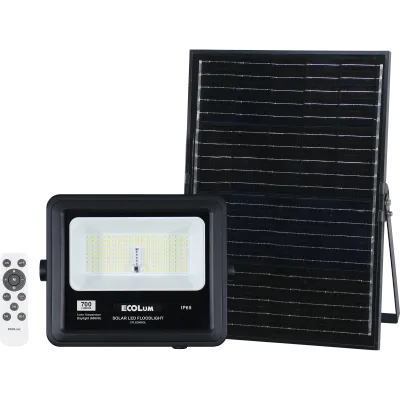
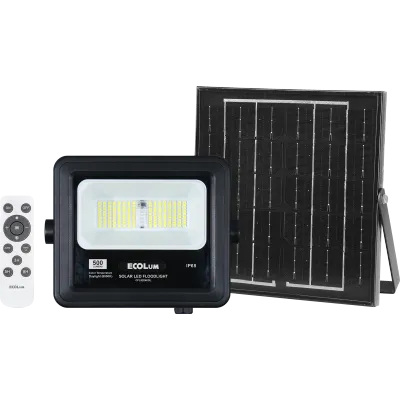
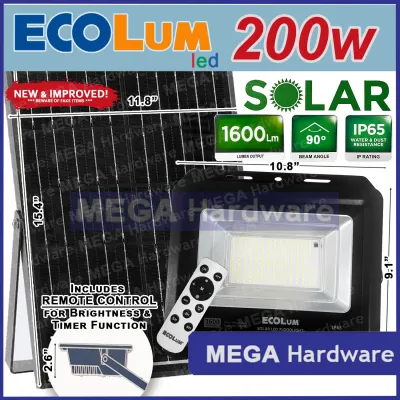
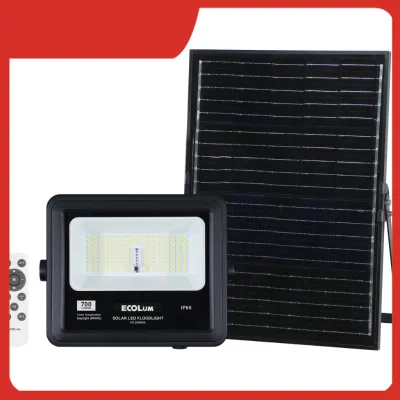
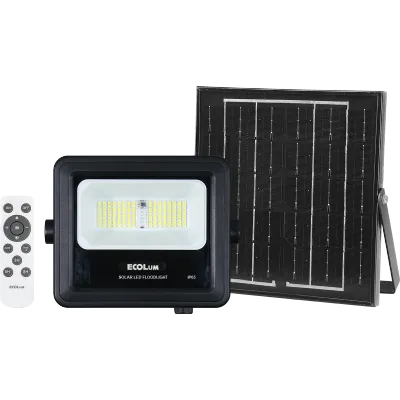
Prices are valid at publication and may change. Please refer to the product page for the latest price.
Physical dimensions and structural materials also dictate your lighting choices. Narrow balconies require low-profile fixtures that do not obstruct foot traffic or create tripping hazards. Additionally, take note of the surfaces available for mounting; concrete walls, metal railings, and tiled floors each require different installation approaches.
Finally, always review your condominium’s house rules and property management guidelines before making any modifications. Many developer associations strictly prohibit drilling into exterior walls, painting structural elements, or hanging items that extend beyond the vertical plane of the balcony railing. Understanding these boundaries beforehand prevents costly compliance issues and ensures your setup remains safe during high winds and tropical storms.
Matching Ecolum Solar Light Designs to Balcony Zones
Achieving a balanced, cozy atmosphere requires layering your light sources at different heights rather than relying on a single, harsh overhead fixture. Dividing your balcony into distinct vertical zones allows you to select specific solar light styles that complement each area’s physical characteristics and sunlight access.

Overhead and Railing Areas
The perimeter of your balcony is the most visible zone from both inside your condo and the street below. Solar string lights and hanging lanterns are excellent choices for outlining railings or wrapping around overhead beams, creating a soft frame that defines your outdoor living space.
When selecting these styles, carefully inspect the mounting mechanisms to ensure they fit your specific railing profile. Heavy-duty zip ties, outdoor-rated clips, or specialized railing brackets can secure the wires firmly without scratching the metal or damaging the building’s exterior finish.
Safety is paramount when installing elevated fixtures, especially on high floors where wind speeds can be intense. Ensure all hanging lights are secured tightly and do not hang over the outer edge of the railing, where they could fall and pose a hazard to people or property below.
Wall and Corner Spaces
Vertical surfaces and unused corners offer prime real estate for adding depth and architectural interest to your balcony. Solar wall sconces or compact corner spotlights can wash bare concrete walls with warm light, making the entire space feel larger and more integrated with your interior decor.
For shaded walls that receive minimal direct sunlight, look for solar fixtures that feature a detached solar panel connected by a thin cable. This design allows you to mount the light fixture in a dark corner while positioning the charging panel in a sunny spot along the railing.
If your condominium association prohibits drilling into exterior walls, look for non-destructive mounting alternatives. High-strength, weather-resistant adhesive strips or heavy-duty mounting tape designed for rough outdoor surfaces can hold lightweight solar sconces securely without damaging the underlying paint or concrete.
Floor and Table Surfaces
Ground-level and tabletop lighting completes the layered look by grounding the space and providing functional illumination where you sit. Low-profile pathway markers, small stake lights placed inside potted plants, or portable solar table lamps add a subtle, enchanting glow at the lowest level of your balcony.
Because space is often at a premium on a condo balcony, check the physical footprint of any floor lights to ensure they do not block pathways or create obstacles. Placing stake lights directly into the soil of existing planters is an excellent way to save floor space while highlighting your greenery.
Keep in mind that floor-level lights are more susceptible to being shaded by furniture and plants. Ensure these fixtures are placed where they can still access daylight, or opt for models with adjustable solar panels that can be angled toward the sky.
Key Specifications to Check for Outdoor Balcony Use
To ensure your solar lights withstand the elements and perform reliably, you must verify several technical specifications on the product packaging or manufacturer listings before buying.
First, check the Ingress Protection (IP) rating to confirm the fixture’s weather resistance. For outdoor balconies in the Philippines, which experience heavy monsoon rains and high humidity, look for a rating of at least IP44 for general use, or IP65 if the lights will be fully exposed to direct rainfall without any overhead cover.
Next, evaluate the light output and color temperature. For ambient, cozy lighting, look for fixtures that emit a warm white light, typically specified between 2700K and 3000K on the product label. Avoid high-lumen, cool-white utility lights, which can feel clinical and harsh; instead, choose lower-lumen decorative lights that provide a soft, glare-free glow.
You should also compare the solar panel type and battery capacity listed by the manufacturer. Monocrystalline solar panels generally offer higher efficiency in limited sunlight compared to polycrystalline alternatives. Pair this with a sufficient milliampere-hour (mAh) battery capacity to ensure the lights can store enough energy to run through the evening.
Additionally, verify the physical dimensions, base or interface types, and dimming methods of any integrated fixtures. If you are planning to install any fixed wiring or heavy suspended loads, always prioritize safety by isolating the power source, following the manufacturer’s installation instructions, and consulting a qualified professional for complex setups.
Finally, look for fixtures with adjustable lighting modes. Models that offer dimming options, steady-on modes, or integrated motion sensors allow you to customize the light output and conserve battery power during consecutive cloudy or rainy days.
Arrangement Tips for a Cozy Ambient Aesthetic
Creating a cozy ambiance is as much about where you place the lights as it is about the fixtures themselves. To avoid uncomfortable glare, position your solar lights so the light source is diffused or partially hidden behind plants, outdoor furniture, or decorative screens.
Integrating your solar lights with existing balcony elements creates a cohesive, natural look. Try wrapping delicate micro-string lights around a wooden trellis, or placing small spotlights at the base of large-leafed tropical plants like monstera or palms to cast dramatic, soft shadows against the wall.
Before permanently mounting any fixtures, conduct a temporary test run at night. Use temporary tape or clamps to position the lights, turn them on, and view the arrangement from both the balcony seating area and from inside your living room to ensure the glow is balanced and inviting.
Frequently Asked Questions (FAQ)
How do I maintain solar lights on a balcony with limited direct sunlight?
To keep your solar lights performing optimally in shaded or high-rise environments, regular maintenance is essential. Wipe the solar panel surface weekly with a soft, damp microfiber cloth to remove dust, pollen, and urban grime, which can significantly reduce charging efficiency. If your balcony experiences shifting seasonal shadows from neighboring buildings, adjust the angle or position of separate solar panels to maximize daily sun exposure. Additionally, check the manufacturer’s instructions regarding battery life; rechargeable solar batteries typically need replacement every one to two years to maintain their capacity.
Can I use indoor extension cords if my balcony solar lights do not hold a charge?
No, you should never run standard indoor extension cords through windows or sliding doors to power outdoor lights. Indoor cords are not rated to withstand UV exposure, moisture, or temperature fluctuations, and pinching them in door frames can damage the insulation, creating severe shock or fire hazards. If your solar lights struggle to hold a charge due to lack of sun, consult the product manual to see if the manufacturer offers official, outdoor-rated charging accessories or USB-charging options. For permanent, reliable outdoor power, consult a qualified electrician to install a dedicated, weatherproof outdoor outlet on your balcony.

Community discussion
Share your experience or ask a question. Comments are reviewed before publication.