
When a severe tropical storm or typhoon disrupts the electrical grid, having a reliable emergency light is essential for safety, navigation, and peace of mind. Choosing the right setup requires understanding how different power sources—rechargeable, solar, and battery-operated—perform under the unique pressures of extended blackouts. The ideal preparation strategy rarely relies on a single device; instead, it combines automatic indoor fixtures, portable high-capacity lanterns, and rugged outdoor backups to keep your household secure when the power goes out.
Identifying Your Home's Lighting Needs During Typhoons and Blackouts
Power outages during the Philippine typhoon season can range from brief voltage fluctuations to multi-day blackouts caused by downed transmission lines and flooded substations. Preparing for these scenarios requires a clear assessment of your household’s daily routines and physical layout. A short-term power flicker may only require a quick-activating light to find your bearings, whereas an extended outage lasting several days demands highly efficient, long-running illumination options that do not rely on immediate grid access.
Every home has distinct zones that require tailored lighting strategies. High-traffic communal spaces like living rooms and kitchens need broad, ambient light to allow family members to gather and prepare meals safely. Bathrooms and steep staircases present significant tripping hazards and require immediate, reliable illumination the moment the grid fails. Additionally, outdoor perimeters, gates, and balconies must remain visible to maintain home security and allow you to monitor rising water levels or structural wind damage safely from inside.
Products mentioned in this guide
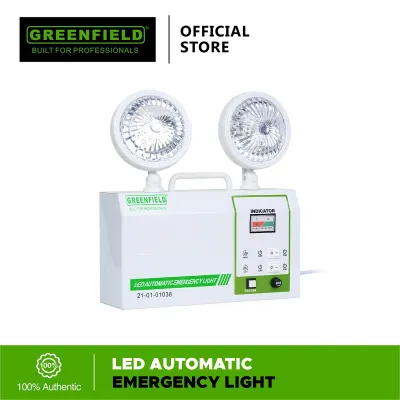
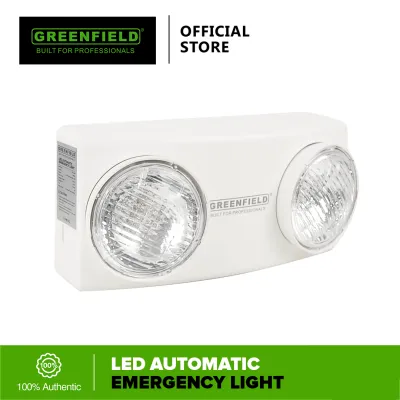
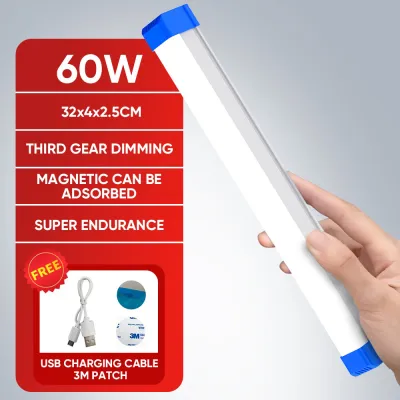
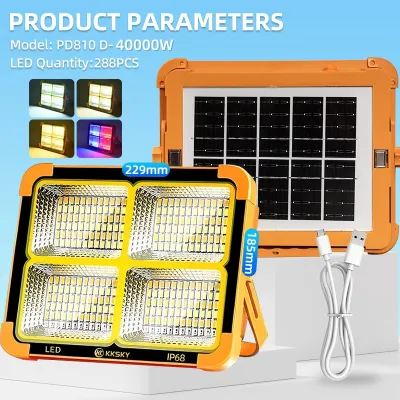
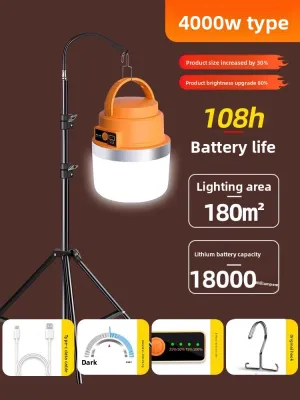
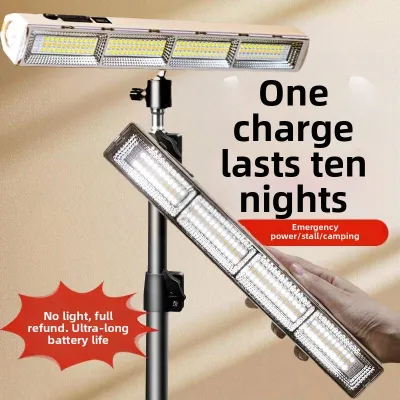
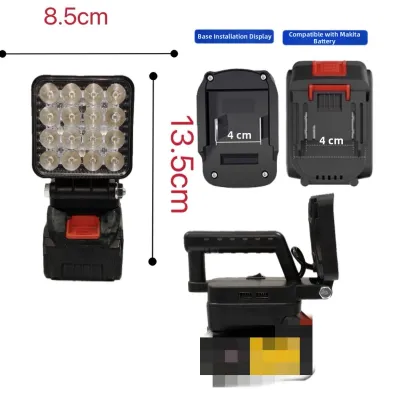
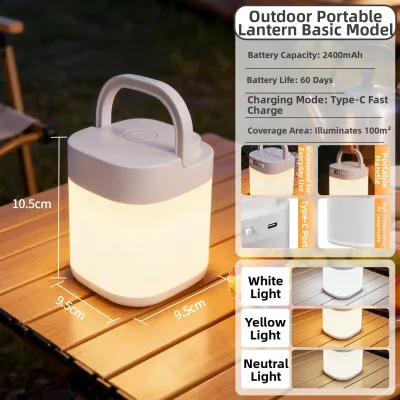
Prices are valid at publication and may change. Please refer to the product page for the latest price.
The specific needs of your household members should dictate your equipment choices. Families with young children or elderly relatives require highly intuitive, automatic lighting solutions that do not require searching through dark drawers for a switch. Safe, cool-to-the-touch LED fixtures prevent accidental burns or fire hazards, which are major risks when using traditional candles or kerosene lamps. Balancing brightness, runtime, and ease of operation ensures that everyone in the home remains calm and safe until grid power is restored.
Rechargeable, Solar, or Battery? Comparing Emergency Light Power Sources
Selecting the best emergency light requires evaluating how each power source behaves during a prolonged crisis. No single technology is perfect for every situation, and understanding their distinct trade-offs helps you build a resilient household emergency kit.

Rechargeable LED Emergency Lights
Rechargeable emergency lights feature built-in lithium-ion or lead-acid batteries and remain plugged directly into standard 220V wall outlets. These devices monitor the electrical current and automatically switch on the moment they detect a power failure, providing instant illumination without manual intervention.
The primary benefit of these units is their constant readiness and high lumen output, making them excellent for immediate panic prevention. However, if they are left unplugged or if the internal battery degrades over years of constant trickle charging, they may fail to hold a charge when actually needed. Lead-acid variants are particularly heavy and prone to degradation if left completely discharged, while lithium-ion models offer better longevity but can be sensitive to extreme tropical heat. These units are best suited for indoor hallways, bedrooms, and living rooms where accessible wall outlets are readily available.
Solar-Powered Emergency Lights
Solar-powered emergency lights utilize small photovoltaic panels to convert sunlight into electrical energy, storing it in internal batteries for nighttime use. This design offers complete independence from the local electrical grid, making them highly cost-effective and environmentally friendly.
While solar lights are incredibly resilient for off-grid living, their main limitation during a typhoon is their reliance on direct sunlight. Consecutive days of heavy rain, thick cloud cover, and storm conditions can severely limit their ability to recharge fully. To overcome this, look for solar units that feature detachable solar panels with long cables; this allows you to mount the panel outside or against a window while keeping the light fixture safely indoors. These systems are ideal for outdoor security, balconies, and backup indoor lighting when grid power remains down for a week or more.
Battery-Operated Flashlights and Lanterns
Traditional battery-operated lights rely on replaceable dry-cell batteries, such as AA, AAA, C, or D-cell alkaline or lithium batteries. Because these devices do not require an active electrical connection or sunlight to prepare, they can sit dormant in an emergency drawer for years while remaining completely functional.
The outstanding advantage of battery-operated lights is their immediate, predictable reliability; if the light goes dim, you simply swap in a fresh set of spare batteries. The trade-off is the recurring cost of purchasing replacement batteries and the environmental impact of disposing of them. Additionally, leaving alkaline batteries inside a device for extended periods carries a high risk of chemical leakage and acid corrosion, which can permanently ruin the flashlight’s internal contacts. These portable options are best reserved for emergency go-bags, disaster kits, and long-term storage where grid-independent reliability is non-negotiable.
Matching the Right Emergency Light to Specific Home Scenarios
Deploying the correct form factor in the right area of your home maximizes safety, conserves battery power, and improves overall comfort during a blackout.
Whole-Room Illumination for Living and Dining Areas
To keep communal spaces functional, you need high-lumen, wide-beam lanterns or rechargeable bulb-style lights that provide diffused, 360-degree illumination. Placing a single directional flashlight on a table creates harsh shadows and intense glare, which can cause eye strain and headaches over several hours. Instead, hang a diffused LED lantern from a central ceiling hook or place it on a high shelf to allow the light to bounce off the ceiling, creating a softer, more natural ambient glow. Many modern rechargeable lanterns feature dimming controls, allowing you to lower the brightness to conserve battery power once the family settles down for the evening.
Task Lighting and Safe Evacuation Routes
Navigating dark corridors, cooking over a portable stove, or checking your home’s electrical panel requires focused, directional light. Handheld flashlights or hands-free LED headlamps are ideal for these tasks, as they direct a concentrated beam exactly where you look while keeping your hands free to handle tools or guide family members. For staircases, bathrooms, and dark hallways, consider installing small, battery-powered motion-sensor puck lights. These compact units stick easily to walls and activate only when they detect movement, preventing dangerous slips and falls in the dark without wasting battery life during the day.
Outdoor Perimeter and Balcony Security
When the neighborhood grid goes dark, maintaining visibility around your property’s exterior is crucial for home security and safety. Outdoor emergency lights must be rugged and weather-resistant to withstand the heavy downpours and high winds typical of Philippine typhoons. Look for wall-mounted solar floodlights or battery-powered motion-sensor security lights designed specifically for exterior use. If severe winds threaten to damage outdoor fixtures, choose portable, waterproof lanterns that can be hung securely on a balcony and easily brought indoors if the weather conditions deteriorate.
Critical Specifications and Safety Features to Check Before Buying
Before purchasing any emergency light, it is essential to verify its technical specifications to ensure it can handle the demands of a tropical storm.
- Brightness vs. Runtime: Do not simply buy the brightest light available. High-lumen outputs drain batteries rapidly; look for units that offer adjustable brightness levels (such as high, medium, and low modes) so you can dial down the intensity and extend the runtime to 12 hours or more on a single charge.
- Ingress Protection (IP) Ratings: For any light used outdoors, on a balcony, or in damp indoor areas like bathrooms, check the IP rating. A rating of IP44 offers basic splash protection, while IP65 or higher ensures the device is dust-tight and protected against water jets, making it safe to use in heavy rain.
- Build Quality: Prioritize lights constructed from impact-resistant materials such as ABS plastic or aircraft-grade aluminum. Sturdy, integrated carrying handles and hanging hooks are vital for versatile placement.
- Electrical Safety: Because emergency lights are often left plugged into the wall, they must be compatible with the local 220V/60Hz electrical grid. Ensure the device has built-in overcharge and over-discharge protection to prevent battery swelling or fire hazards when the power grid surges back online after a blackout. Always look for recognized electrical safety certifications, such as the Philippine Standard (PS) mark or Import Commodity Clearance (ICC) sticker, to verify the product's safety compliance. For any fixed electrical installations, always isolate the power at the circuit breaker and consult a licensed professional.
Maintaining Your Emergency Lights for Typhoon Season Readiness
An emergency light is only useful if it works when the power grid fails. Establishing a simple maintenance routine ensures your equipment is always ready for a storm.
Create a quarterly testing schedule to check all rechargeable units. Every three months, unplug the devices and let them run on battery power for an hour to cycle the battery, then charge them back to full capacity. For battery-operated flashlights, store the spare alkaline batteries separately in a sealed plastic container next to the device rather than leaving them inside the compartment; this simple habit prevents corrosive acid leaks from ruining your lights. Keep all charging cables, spare batteries, and detachable solar panels organized in a dedicated, waterproof emergency bin in an easily accessible location so you never have to search for them in the dark.
Frequently Asked Questions (FAQ)
How many lumens do I need for an emergency light at home?
For basic navigation through hallways, bathrooms, and staircases, a light output of 100 to 300 lumens is generally sufficient. If you need to illuminate an entire living room or dining area for family activities, look for a lantern or bulb that delivers 300 to 500 lumens or more. Choosing a device with adjustable brightness settings allows you to switch to lower lumen outputs, which significantly extends the battery runtime during multi-day blackouts.
Can I use my smartphone flashlight instead of a dedicated emergency light?
While a smartphone flashlight is convenient for brief power flickers, you should not rely on it as your primary emergency light during a typhoon. Flashlight apps drain phone batteries very quickly, leaving you without a vital tool for communication, weather monitoring, or calling for emergency services. Dedicated emergency lights offer far better runtimes, superior light dispersion, and leave your phone fully charged for critical tasks.
How do I safely dispose of old emergency light batteries?
Never dispose of swollen lithium-ion batteries, corroded alkaline cells, or old lead-acid batteries in your regular household trash, as they contain toxic chemicals that can harm the environment. Instead, place damaged batteries in a secure plastic bag and bring them to designated e-waste collection bins, local recycling centers, or participating hardware stores that offer battery recycling programs.
Community discussion
Share your experience or ask a question. Comments are reviewed before publication.