
Selecting floor lights for a wedding depends entirely on the specific venue zones they will illuminate, such as aisles, reception tables, and photo booths. Rather than searching for a single universal style, successful wedding lighting requires matching the lamp’s profile, brightness, and color temperature to the functional needs of each area while prioritizing guest safety, cord management, and heat clearance around delicate decor.
Matching Floor Light Styles to Wedding Zones
Aisles and walkways require careful planning to balance illumination with physical safety. For these high-traffic pathways, slim, low-profile floor lamps with heavy, weighted bases are practical options. These designs provide subtle guidance along the path without obstructing the view of the ceremony or creating physical barriers for guests walking to their seats. Choosing fixtures with recessed or downward-facing bulbs helps direct light exactly where people step, keeping the focus on the aisle while preventing glare from shining directly into guests’ eyes. When positioning these lights, place them slightly behind the row of chairs or pews to keep the walking path completely clear of physical obstacles.
In the reception and dining areas, floor lighting should enhance the intimate atmosphere without overpowering the table settings. Dimmable floor lamps with fabric or paper shades work well here, casting a soft, diffused glow that complements table centerpieces and overhead installations. Positioning these lamps slightly behind dining zones or in lounge seating areas allows you to layer the light, creating depth in the room. It is helpful to select fixtures with adjustable brightness settings so you can lower the intensity as the evening transitions from dinner to dancing. This flexibility helps maintain a warm, inviting ambiance that encourages guests to relax and mingle.
Products mentioned in this guide
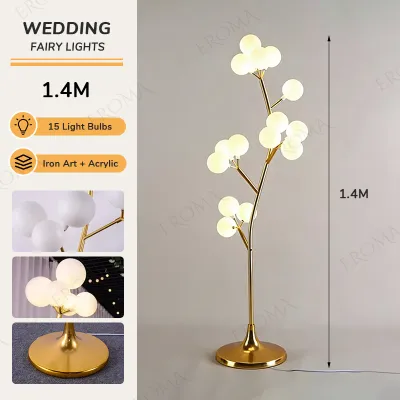
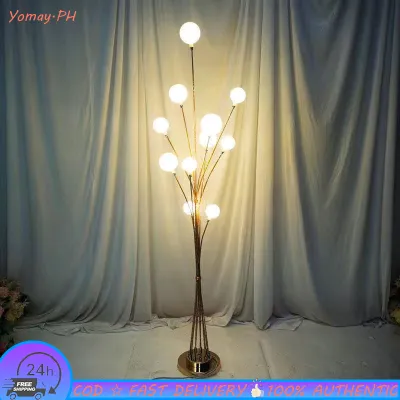
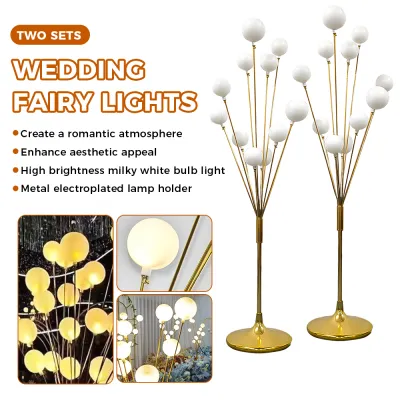
Prices are valid at publication and may change. Please refer to the product page for the latest price.
Photo booths and backdrop areas demand a different lighting approach to ensure high-quality photographs. For these zones, look for floor lights that offer adjustable heads and consistent color temperatures, ideally matching the ambient light of the venue or the photographer’s setup. Soft, indirect lighting directed toward a backdrop prevents harsh shadows on guests’ faces and minimizes the risk of lens flare. Testing the setup with a mobile camera during the afternoon setup helps verify that the light is flattering and free of distracting hot spots. Ensure the lamps are positioned at an angle that does not cast the shadow of the photographer or the camera onto the guests.
Safety and Venue Compliance Checks
Before finalizing your lighting layout, you must verify the electrical capacity of your wedding venue. Event spaces, especially older heritage homes or rustic garden pavilions, often have limited electrical circuits. Calculate the total wattage of your planned floor lights and confirm with the venue coordinator where the main outlets are located. Relying on daisy-chained extension cords can overload circuits, leading to sudden blackouts during key moments of the celebration. Additionally, verify that the voltage of your lighting equipment matches the venue’s supply, and ensure that all plugs fit securely into the outlets without the need for loose, unstable adapters.

Heat management is another critical safety factor when integrating floor lamps with wedding decor. Many traditional bulbs generate significant heat, which poses a fire hazard when placed near flammable materials like tulle, drapes, paper lanterns, or dried floral arrangements. Opt for low-wattage LED bulbs, which remain cool to the touch even after hours of continuous operation. Even when using LEDs, maintain a safe physical clearance between the lamp shade and any decorative elements to prevent heat buildup. In warm, tropical environments, high ambient temperatures can compound heat buildup in enclosed spaces, making proper ventilation around light fixtures even more important.
Physical stability is paramount in areas where guests will be moving, dancing, or carrying drinks. Floor lamps placed near the dance floor, bar, or main walkways must have wide, heavy bases that resist tipping if accidentally bumped. If a chosen lamp feels top-heavy, you can secure the base with discrete sandbags or decorative weights that match the wedding theme. Always check that the lamp is rated for the specific environment, particularly if the venue is semi-outdoor and exposed to tropical humidity or sudden breezes. For outdoor garden weddings, ensure the ground is level and stable before placing any tall fixtures on grass or gravel.
Setup and Cable Management Strategies
Securing power cords is a vital step in preparing the venue for guests. Loose cables running across walkways are major tripping hazards and can pull heavy lamps down if caught on a heel. Use heavy-duty, event-grade gaffer tape to secure cords flat against hard floors, choosing a color that matches the flooring to keep the setup visually clean. For carpeted or delicate surfaces, coordinate with the venue to run cables along the perimeter of the room, hidden behind drapes or temporary partitions. Cable protectors should be used in any area where service staff or guests must cross a power line.
Strategic positioning ensures that your floor lights do not disrupt the visual flow of the event. Avoid placing bright light sources directly in the line of sight of the head table, stage, or main projector screens. If a lamp must stand near a seating area, angle the shade or adjust the height so the bulb is not visible to seated guests. This keeps the focus on the couple and the program while maintaining a comfortable, glare-free environment for everyone in attendance. Working closely with your photographer and videographer during setup ensures that the placement of floor lamps enhances their shots rather than creating unwanted glare or lens reflections.
A thorough pre-event walkthrough is essential to catch and resolve any lighting issues before the first guest arrives. Turn on all floor lights simultaneously to check for flickering, which can be highly distracting and ruin wedding videos. Verify that the color temperatures of all lamps are consistent across the venue, as mixing cool white and warm yellow bulbs in the same zone can look disorganized. Adjust all dimmers to their planned levels to ensure the transition from day to night is seamless. Testing the lights during the late afternoon allows you to see exactly how the artificial light blends with fading natural light, ensuring a smooth transition into the evening festivities.
Frequently Asked Questions (FAQ)
Can I use outdoor-rated floor lights for an indoor wedding venue?
Yes, outdoor-rated floor lights can be used indoors, and they often offer reliable durability and moisture resistance. When using them inside, verify that the power plug and any integrated switches are compatible with standard indoor outlets and extension cords. Keep in mind that outdoor fixtures sometimes feature heavier bases and thicker, industrial-looking cables, which may require extra effort to conceal behind indoor decor or drapes.
How do I prevent floor lamps from overheating near wedding centerpieces?
To prevent overheating, always equip your floor lamps with high-efficiency LED bulbs rather than traditional incandescent or halogen options. LEDs generate minimal heat, making them much safer to use near delicate fabrics, paper decorations, and floral arrangements. Additionally, maintain a clear physical distance of at least several inches between the lamp shade and any decorative elements, ensuring that warm air can rise and dissipate freely.
Community discussion
Share your experience or ask a question. Comments are reviewed before publication.