
Quick Answer: Which IP Rating to Look For
When installing LED vine tree lights outdoors in the Philippines, the minimum recommended rating for fully exposed areas is IP65. This rating ensures the lights can withstand heavy tropical downpours and dust. For semi-sheltered spaces like covered patios, verandas, or deep eaves, an IP44 rating is generally sufficient to handle light splashes and high humidity. Always verify the rating by checking the physical product label or the manufacturer’s stamped packaging rather than relying solely on online marketplace descriptions, as incorrect listings can lead to premature product failure.
Decoding IP Ratings: What the Numbers Actually Mean
The Ingress Protection (IP) rating system is an international standard used to define levels of sealing effectiveness against solids and liquids. An IP rating consists of two digits, each representing a specific type of protection. Understanding these numbers helps you choose the right LED vine tree lights for your specific outdoor setup.

The first digit, ranging from 0 to 6, indicates protection against solid particles like dust, dirt, and accidental contact. A rating of 5 means dust-protected, while a 6 means the product is completely dust-tight. For outdoor garden installations, a high solid protection rating prevents fine soil particles and small insects from entering the light housing.
Products mentioned in this guide
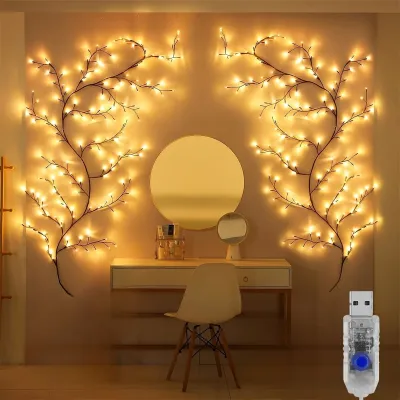
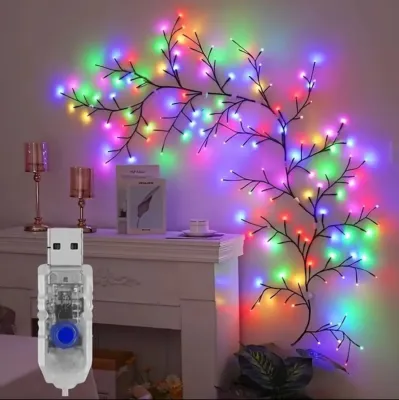
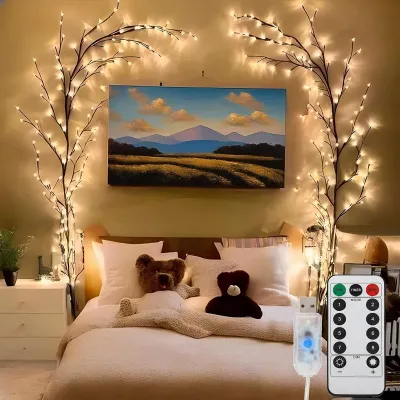
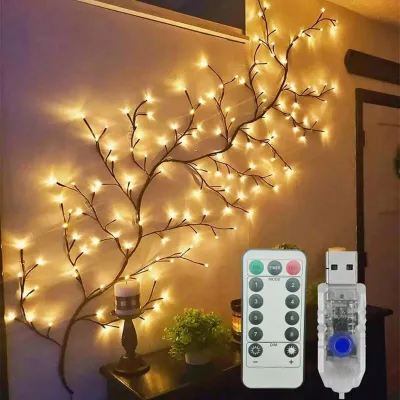
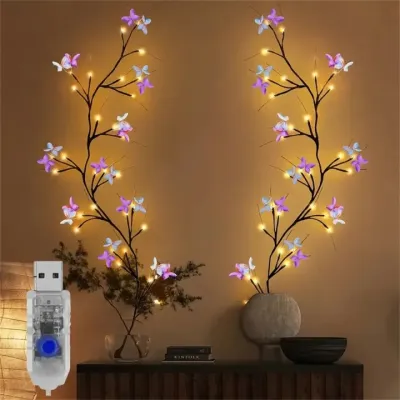
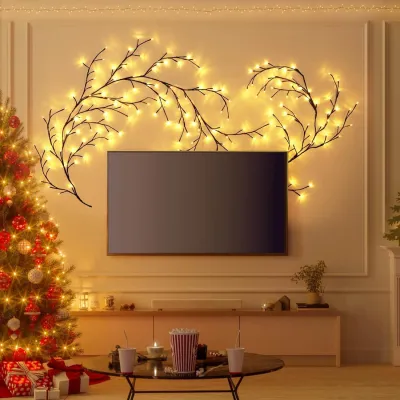
Prices are valid at publication and may change. Please refer to the product page for the latest price.
The second digit, ranging from 0 to 9, measures protection against liquid ingress. For decorative vine lighting, the most common liquid protection levels are 4, 5, and 7:
- IP44: This rating protects against water splashes from any direction. It is suitable for covered outdoor zones where direct rain exposure is minimal.
- IP65: This rating indicates protection against low-pressure water jets from any angle. Lights with this rating can easily handle heavy tropical rainstorms without water penetrating the seals.
- IP67: This rating means the lights can withstand temporary submersion in water up to one meter deep for a limited time. This is highly useful for ground-level installations where water might pool temporarily.
While higher ratings offer more robust protection, they are not always necessary for every zone. If your lights are destined for a well-protected balcony, opting for an IP44 rating is a practical choice that often provides more flexible cabling options, whereas fully exposed garden trees demand the durability of IP65 or higher.
Matching IP Ratings to Local Weather and Installation Spots
Selecting the right IP rating requires evaluating where the LED vine tree lights will be installed and how they will interact with the local climate. The Philippines experiences high humidity, intense heat, and heavy seasonal rainfall, all of which place significant stress on outdoor electrical decorations.
For elevated installations, such as wrapping lights around high tree branches or hanging them from pergolas, wind-driven rain is the primary concern. While water drains quickly from elevated positions, the wind can force rain into small gaps in the light fixtures. An IP65 rating is ideal here, as it resists pressurized water from any direction.
For ground-level installations, such as wrapping low bushes, garden borders, or the base of tree trunks, the risk of water pooling is much higher. During the monsoon season, soil can become saturated, leading to temporary puddles around the base of your plants. If your vine lights are wrapped close to the ground, choosing IP67-rated lights ensures that even if the lower sections are temporarily submerged, the system remains safe and functional.
Additionally, consider your regular garden maintenance. If you use a garden hose or a sprinkler system near your decorative lights, the fixtures will be subjected to direct water spray. IP65-rated lights are designed to withstand this type of exposure, whereas IP44 lights may fail if hit directly by a pressurized garden hose.
Keep in mind that decorative style, perceived color temperature (such as warm white versus cool white), and spatial effects are conditional preferences. While a warm glow may create a cozy tropical resort aesthetic, these visual choices do not affect the physical durability of the lights. Always prioritize the technical IP rating and build quality over purely aesthetic features when planning your outdoor layout.
Beyond Waterproofing: Essential Electrical and Setup Checks
While a high IP rating is crucial, it only covers the light string itself. A safe and reliable outdoor lighting setup requires verifying several electrical and physical factors before installation.
First, verify the voltage requirements of your LED vine tree lights. Most standard systems in the Philippines operate on 220V, but many decorative lights use a step-down transformer to run on low voltage (such as 12V or 24V) for safety. Ensure that the transformer, plug, and any extension cables are specifically rated for outdoor use. Check the wattage limits of your power source and the maximum run length specified by the manufacturer to avoid overloading the circuit.
Second, inspect the connection joints, battery boxes, and controllers. These components are often the weakest links in an outdoor setup. Even if the light string is rated IP65, the controller or plug might only be rated IP44 or designed for indoor use only. Ensure all connection points are tightly sealed. You can use waterproof junction boxes, silicone sealant, or specialized outdoor electrical tape to secure threaded connections against moisture ingress.
Finally, practice safe mounting and installation. For fixed wiring, installations in damp areas, or work at height—such as climbing ladders to wrap tall palm trees—always isolate the power source before starting. Follow the manufacturer’s installation instructions carefully. If your project involves permanent outdoor wiring, underground conduits, or complex electrical connections, always consult a qualified professional or a licensed electrician to ensure compliance with local safety standards.
Frequently Asked Questions (FAQ)
Can I use indoor LED vine lights outside if I cover them?
No, you should not use indoor-rated LED vine lights outdoors, even if you attempt to cover them with plastic or temporary shielding. Outdoor environments present challenges beyond direct rainfall, including high ambient humidity and temperature fluctuations. These conditions cause condensation to form inside the light covers and wire insulation, which can easily bypass temporary physical covers. Using indoor lights outside increases the risk of electrical short circuits, shocks, and fire hazards, and will void the manufacturer’s warranty.
How do I protect the plug and controller from heavy rain?
To protect the plug and controller from heavy rain, place them inside a dedicated, IP-rated weatherproof connection box designed for outdoor electrical connections. Mount the box on a wall, post, or tree trunk well above the ground to prevent it from sitting in pooling water. Avoid wrapping the controller tightly in non-breathable materials like plastic bags or cling wrap; these materials trap heat generated by the device and collect condensation, which can corrode the internal electronics.
Community discussion
Share your experience or ask a question. Comments are reviewed before publication.