
To protect your outdoor wall lamps from the intense tropical climate of the Philippines, you generally need a minimum rating of IP44 for sheltered areas and IP65 for fully exposed locations. The combination of heavy monsoon rains, high ambient humidity, and intense heat requires careful selection of ingress protection to prevent electrical short circuits and premature fixture failure. By matching the specific exposure level of your installation site to the correct rating, you ensure both safety and longevity for your exterior lighting.
Understanding IP Ratings for Tropical Climates
The Ingress Protection (IP) rating system is an international standard that defines how effectively an electrical enclosure seals against foreign bodies and moisture. When shopping for an outdoor wall lamp, you will see the letters “IP” followed by two digits. Understanding what these numbers represent is the first step in choosing a fixture that can survive the local climate.
The first digit ranges from 0 to 6 and indicates protection against solid particles, such as dust, insects, and accidental contact. In outdoor environments, a rating of 5 or 6 is ideal. A solid protection rating of 5 means the fixture is dust-protected, allowing only minimal, non-harmful dust entry, while a rating of 6 indicates the unit is completely dust-tight. This protection is crucial in preventing small insects, which are highly active in tropical climates, from nesting inside the housing and causing electrical faults.
Products mentioned in this guide
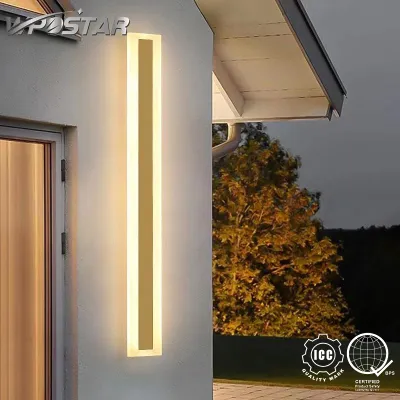
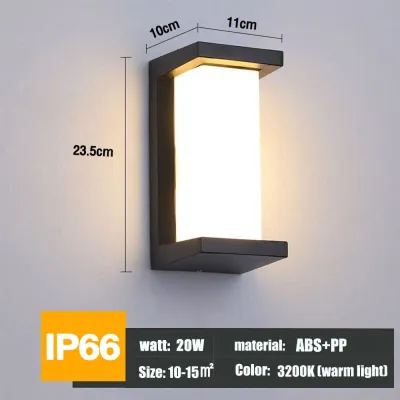
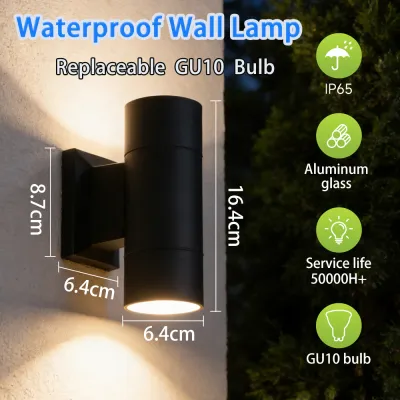
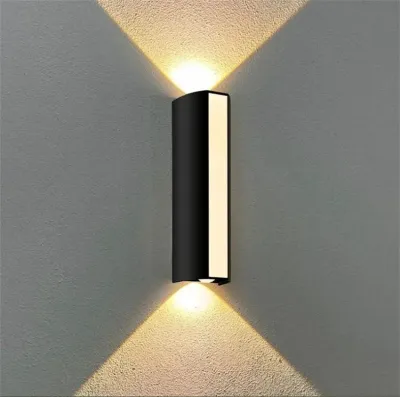
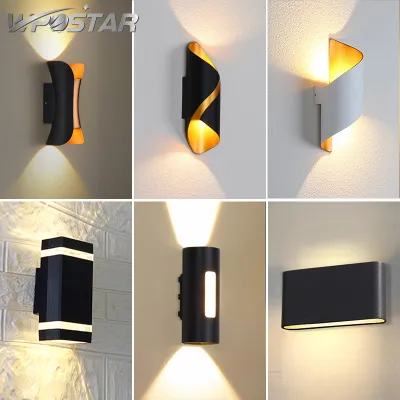
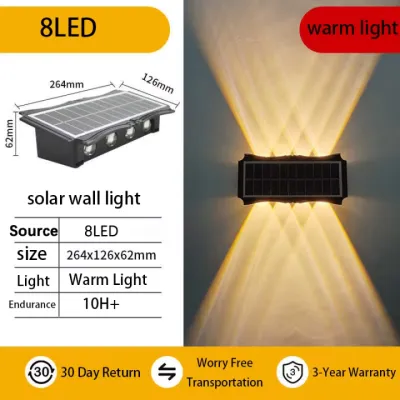
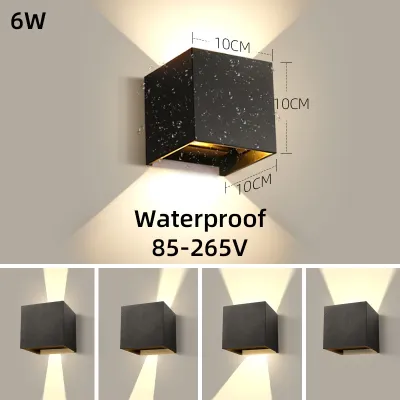
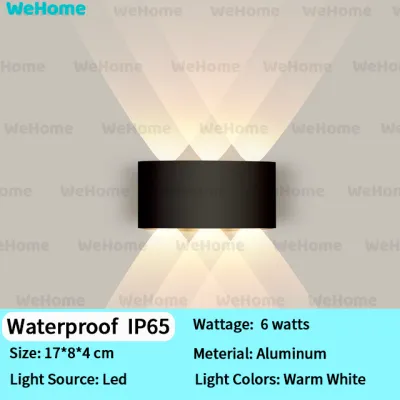
Prices are valid at publication and may change. Please refer to the product page for the latest price.
The second digit ranges from 0 to 9 and measures protection against liquids. For outdoor fixtures, this digit is the most critical indicator of weather resistance. A liquid protection rating of 4 means the lamp can withstand splashing water from any direction, while a rating of 5 protects against water jets projected by a nozzle. A rating of 6 indicates protection against powerful water jets, which is particularly relevant during severe tropical storms and typhoons.
High humidity presents a unique challenge that differs from direct rainfall. In the Philippines, relative humidity levels often remain exceptionally high throughout the year. When a lamp is turned on, the air inside the fixture heats up and expands; when turned off, the fixture cools, drawing in warm, moisture-laden ambient air through microscopic gaps. As this air cools inside the housing, it condenses into water droplets. Over time, this internal condensation can corrode electrical contacts and damage LED drivers, even if the fixture is completely shielded from direct rain.
Matching IP Ratings to Your Installation Location
Not every outdoor wall lamp requires the highest possible IP rating. The level of protection you need depends heavily on where the fixture is mounted on your property. Assessing the physical exposure of each installation zone allows you to balance design preferences and technical durability.

Sheltered zones include areas that are partially protected from direct downpours by architectural features. Covered porches, deep roof eaves, carports, and recessed entryways fall into this category. For these locations, an IP44 rating is typically sufficient. An IP44 fixture is protected against solid objects larger than one millimeter and splashing water from any angle. While it cannot withstand direct, heavy rain, the physical barrier of the roof or eave shields it from the worst of the weather, while the rating protects it from wind-blown mist and high humidity.
Fully exposed zones are areas with no overhead protection, leaving the fixture entirely vulnerable to the elements. Examples include open perimeter walls, gate pillars, uncovered patios, and garden pathways. For these installations, a minimum rating of IP65 is highly recommended. An IP65 fixture is completely dust-tight and can withstand low-pressure water jets from any direction. This level of protection ensures that even during intense monsoon downpours, water cannot penetrate the electrical housing.
To help visualize these requirements, consider the following conditional guidelines for common residential installation zones:
- Deep Eaves and Covered Porches: IP44 minimum. Suitable for areas where direct rain rarely reaches the fixture.
- Semi-Sheltered Balconies and Verandas: IP54 minimum. Provides enhanced dust protection and better resistance to splashing water carried by strong winds.
- Exposed Perimeter Walls and Gate Pillars: IP65 or IP66. Essential for fixtures subjected to direct, heavy rainfall and high-pressure wind-driven water.
While decorative style, perceived color temperature (such as warm white versus cool white), and the resulting spatial effects are important for your home’s curb appeal, these are conditional aesthetic preferences rather than universal performance indicators. Your primary focus for safety and durability must remain on the technical specifications and ingress protection.
When selecting your outdoor wall lamp, you must also verify its electrical compatibility alongside its IP rating. In the Philippines, the standard residential voltage is typically 220V at 60Hz. Ensure the fixture’s voltage rating matches this standard. Additionally, check the base or interface type (such as the common E27 screw base), the maximum wattage limit allowed for the housing, the physical dimensions to ensure a proper fit on your mounting surface, and whether the fixture supports your preferred dimming method. Look for official electrical safety certifications, such as the Philippine Standard (PS) mark or the Import Commodity Clearance (ICC) sticker, to verify that the product has undergone rigorous safety testing.
Always verify the manufacturer’s specific environmental guidelines before purchasing. Do not assume a fixture is suitable for wet locations simply because it is labeled as an “outdoor wall lamp.” Check the product packaging, specification sheets, or user manuals to confirm the exact IP rating and any installation limits specified by the manufacturer.
Beyond IP Ratings: Material and Build Considerations
While the IP rating tells you how well a fixture resists water and dust entry, it does not measure how well the materials themselves will hold up over years of exposure to intense tropical heat, UV radiation, and salt air. To ensure your outdoor wall lamp lasts, you must look closely at its construction materials and build quality.
Corrosion is a major threat to outdoor lighting, especially in coastal regions of the Philippines where salt-laden air accelerates the rusting process. Look for fixtures constructed from high-quality, corrosion-resistant materials. Anodized or powder-coated aluminum, marine-grade stainless steel, and high-impact polycarbonate are excellent choices. When reviewing product labels, check for specific material treatments, such as UV-stabilized coatings, which prevent plastic housings from yellowing, cracking, and becoming brittle under the harsh tropical sun.
The integrity of the seals and gaskets is what maintains the IP rating over time. High-quality fixtures use silicone or synthetic rubber gaskets rather than cheap, standard rubber. Standard rubber degrades rapidly when exposed to continuous heat and UV rays, leading to cracking, shrinking, and eventual seal failure. When inspecting a fixture, ensure the gaskets are thick, pliable, and securely seated in their channels.
If your property is located within a few kilometers of the sea, standard outdoor fixtures may fail prematurely due to salt spray. In these environments, look for marine-grade certifications or fixtures specifically rated for coastal use. These products undergo specialized salt-spray testing to verify that their finishes and structural components can withstand highly corrosive marine atmospheres without degrading.
Safe Installation and Maintenance in Wet Conditions
Installing and maintaining outdoor electrical fixtures requires strict adherence to safety protocols to prevent electrical shocks, short circuits, and fire hazards. Because water conducts electricity, any moisture ingress combined with faulty wiring can have dangerous consequences.
Before undertaking any installation, inspection, or maintenance work, you must isolate the power supply. Turn off the corresponding circuit breaker at the main electrical panel and verify that the power is completely off using a reliable voltage tester. Never rely solely on the wall switch to isolate the power. All outdoor wiring must comply with the Philippine Electrical Code and local municipal regulations. This includes using appropriate outdoor-rated cables and running them through rigid or flexible non-metallic conduits to protect them from moisture and physical damage.
While basic maintenance can often be performed by a homeowner, fixed wiring installations in wet or damp zones present significant risks. If you are not fully confident in your understanding of electrical systems, or if the installation involves running new circuits from the main panel, you should hire a licensed electrician. A professional will ensure that all connections are properly sealed, grounded, and protected by a Ground Fault Circuit Interrupter (GFCI), which is essential for outdoor wet-zone safety.
Routine maintenance is vital to preserving the weatherproofing of your outdoor wall lamps. At least twice a year, perform a gentle inspection and cleaning. Use a soft, damp cloth and a mild, non-abrasive soap to wipe away dirt, salt residue, and insect debris. Avoid using high-pressure washers, harsh chemical solvents, or abrasive scrubbing pads, as these can degrade the protective coatings and damage the rubber seals. During your inspection, check the seals for signs of brittleness, cracking, or misalignment, and ensure that any built-in drainage channels or weep holes at the bottom of the fixture remain clear of debris so that trapped moisture can escape.
Frequently Asked Questions (FAQ)
Can I use an indoor wall sconce outside if it is under a roof?
No, you should not use an indoor wall sconce in any outdoor setting, even if it is fully sheltered under a roof. Indoor fixtures lack the necessary seals to protect against high ambient humidity and wind-blown moisture. Over time, the moisture in the air will penetrate the unsealed housing, leading to rapid corrosion of the internal electrical components, short circuits, and potential safety hazards. Always check the manufacturer’s specifications to ensure the fixture has a minimum rating of IP44 for sheltered outdoor use.
Does a higher IP rating mean the lamp is completely waterproof?
A higher IP rating does not mean a fixture is universally waterproof or suitable for all wet conditions. For example, a lamp rated IP65 is protected against water jets and heavy rain, but it is not designed to be submerged in water. Submersion protection requires ratings of IP67 or IP68. Additionally, the weatherproofing of any fixture depends on the condition of its seals, which naturally degrade over time due to heat, UV exposure, and environmental wear.
How do I clean outdoor wall lamps without damaging the seals?
To clean your outdoor wall lamps safely, use a soft microfiber cloth dampened with water and a mild, pH-neutral dish soap. Gently wipe the exterior surfaces to remove dust, salt, and grime. Never use high-pressure water sprays, stiff brushes, or harsh chemical cleaners containing bleach, ammonia, or alcohol, as these substances can dry out and crack the rubber gaskets, strip away protective anti-corrosion coatings, and compromise the fixture’s IP rating.
Community discussion
Share your experience or ask a question. Comments are reviewed before publication.