
Designing a custom Christmas parol for a compact condominium requires balancing festive tradition with modern spatial realities. In a limited living space, traditional incandescent bulbs can pose challenges due to heat generation, high power consumption, and rigid mounting requirements. Modern light-emitting diode (LED) technology offers a versatile alternative, allowing you to craft intricate, lightweight, and energy-efficient designs. The most suitable LED lighting for a condo parol depends on your design’s geometry, the structural strength of your frame, and the physical limitations of your room. By selecting the right combination of LED strips, rope lights, or fairy lights, you can create a stunning holiday centerpiece that fits safely within your living space.
Assessing Your Condo Space and Parol Design Constraints
Before purchasing any lighting components, you must carefully evaluate the physical environment of your condominium. Begin by measuring the exact wall or ceiling area where you plan to display the parol. In small units, clearance is a primary concern; a parol that protrudes too far from the wall can obstruct walkways or interfere with high-traffic areas near furniture. Aim for a design footprint that leaves at least several inches of clearance from curtains, air conditioning vents, and door frames.
Evaluate the structural material of your parol frame. Traditional bamboo split (baskag) is highly flexible but can warp under heavy loads, whereas wire or acrylic frames offer more rigidity but add weight. You must ensure the frame can support not only the weight of the lights themselves but also the associated power adapters, controllers, and cabling. A heavy parol hanging from a temporary fixture poses a safety hazard in a compact space.
Products mentioned in this guide
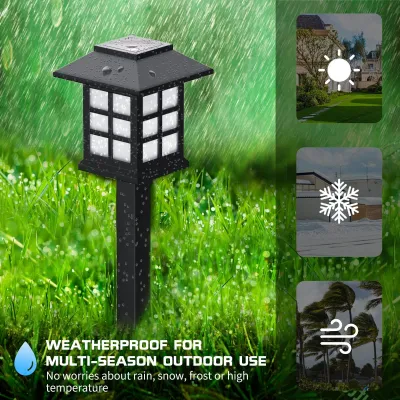
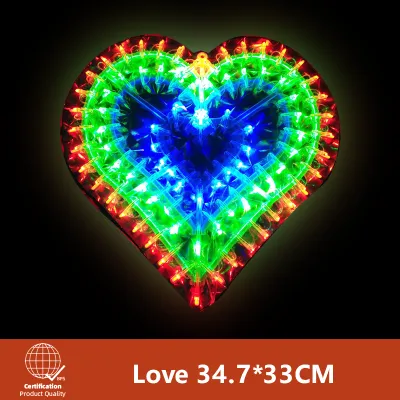
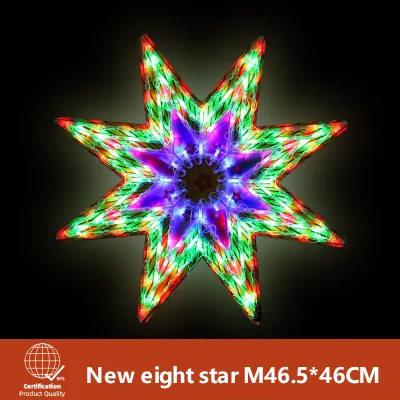
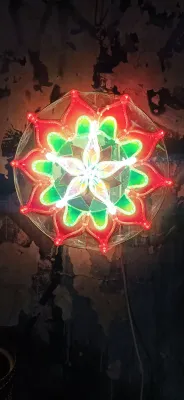
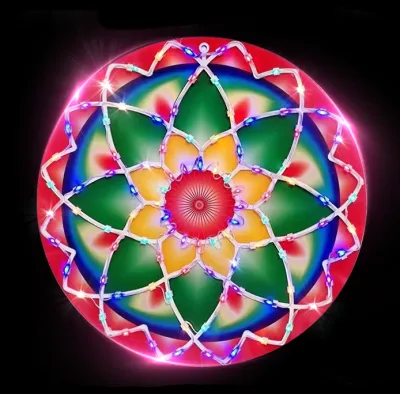
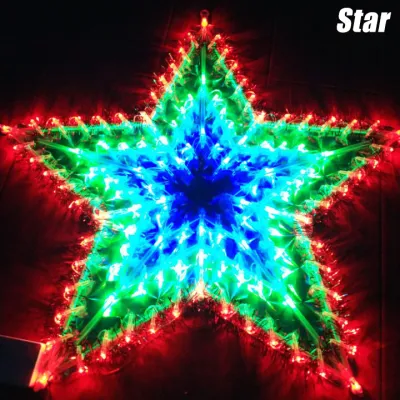
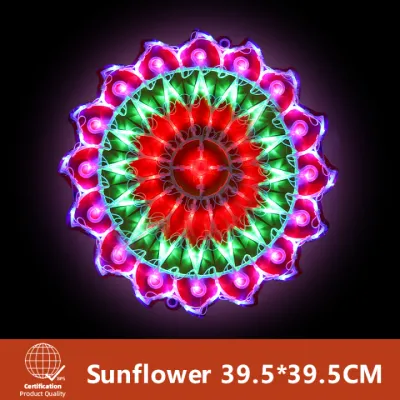
Prices are valid at publication and may change. Please refer to the product page for the latest price.
Power accessibility is another critical factor. Map out the locations of nearby wall outlets and plan your cord routing before finalizing your design. In a small room, running long extension cords across floors creates tripping hazards and unsightly visual clutter. If your desired mounting spot is far from an outlet, you may need to design a parol that utilizes low-profile cabling or integrates battery-operated elements.
Finally, consider environmental factors unique to condo living, such as proximity to open windows, balconies, or kitchenettes. High humidity levels, common in tropical climates, can affect electrical components. If your parol will be exposed to drafts from windows or moisture from cooking areas, you must select lighting with appropriate moisture resistance to prevent short circuits and premature component failure.
Comparing LED Light Types for Parol Crafting
Selecting the right light source involves matching the physical characteristics of the LED to the geometric demands of your parol design. Different LED formats offer distinct advantages in terms of flexibility, brightness, and ease of installation. A successful custom build often relies on a decision matrix that balances design complexity, frame rigidity, and the desired visual effect.

For instance, a design featuring sharp, clean geometric lines requires a different lighting approach than one with traditional curved star points or delicate, glowing internal details. Understanding how LED strips, rope lights, and fairy lights behave structurally allows you to choose the correct medium for each element of your parol, ensuring a clean finish and reliable performance.
LED Strip Lights for Bold Outlines and Flat Panels
LED strip lights are flat, flexible circuit boards populated with surface-mounted diodes (SMDs). They are effective for creating sharp, high-visibility outlines and backlighting flat panels, such as those made of capiz shells or translucent paper. The flat profile of strip lights allows them to sit flush against a frame, projecting a clean, directional beam of light forward or backward to create a halo effect.
However, mounting these strips requires careful consideration of the frame material. While most LED strips come with self-adhesive backing, this adhesive often struggles to adhere permanently to porous or textured surfaces like raw bamboo or fabric. To ensure a secure bond, you may need to supplement the adhesive with mechanical mounting clips, zip ties, or specialized clear adhesives compatible with your frame material.
The physical rigidity of the strip also dictates how well it can follow complex geometry. LED strips can bend easily along a flat plane, but they cannot be twisted or bent sideways without damaging the internal circuitry. You must pay close attention to the designated cutting intervals marked on the strip; these intervals determine where you can safely cut and splice the strip to fit the exact segments of your parol star.
Additionally, high-brightness LED strips require adequate heat dissipation to prevent the diodes from degrading. While they do not get as hot as traditional bulbs, operating them in enclosed, unventilated spaces can shorten their lifespan. You must also plan for the placement of the power brick and controller, which can be relatively bulky and difficult to conceal within a compact parol frame.
LED Rope Lights for Curved Edges and 3D Structures
LED rope lights consist of light-emitting diodes encased in a thick, protective plastic or silicone tube. This casing diffuses the light, creating a continuous, neon-like glow rather than individual points of light. This characteristic makes rope lights well-suited for defining traditional curved edges, rounded star points, and multi-dimensional frames that require a seamless, uniform appearance.
The primary limitation of rope lights is their bending radius. Because of the thick protective casing and internal wiring, rope lights cannot be bent at sharp, acute angles without risking internal wire breakage or kinking the tube. When designing your parol, you must plan for gradual curves and soft transitions rather than sharp, jagged corners.
Weight and volume are also significant factors. Rope lights are substantially heavier and bulkier than flat LED strips. If you are building a lightweight frame out of thin bamboo or wire, the weight of the rope light can cause the structure to sag or deform. You must ensure your frame is sufficiently reinforced to handle the load.
Concealing the connection points of rope lights can also be challenging in a small condo parol. The power connectors, end caps, and splice joints are typically much larger than those of strip lights. You will need to design dedicated cavities or decorative backing panels within the parol to hide these bulky components from view.
Fairy Lights for Intricate Details and Ambient Fill
Fairy lights, often featuring tiny LEDs mounted on thin, bendable copper or silver wire, are ideal for adding intricate details and ambient depth to your parol. Their low profile allows them to be woven through tight spaces, wrapped around delicate spokes, or bunched inside hollow sections of the design without altering the parol’s external silhouette.
One of the main decisions when using fairy lights is choosing between battery-operated, USB-powered, or plug-in models. Battery-operated fairy lights offer maximum placement flexibility, allowing you to hang your parol anywhere without worrying about cord management. However, they require frequent battery replacements if used continuously, which can become inconvenient and costly over the holiday season. USB-powered options provide a practical middle ground, allowing you to power the lights using a standard phone charger or a portable power bank hidden behind the frame.
While fairy lights excel at creating a soft, magical glow, they have limited brightness compared to strips or rope lights. They are primarily used as secondary accent lighting or internal fill rather than the primary light source for a highly visible outdoor-facing window display.
Additionally, the thin wire construction makes fairy lights delicate. During the assembly process, excessive twisting, pulling, or bending can easily break the internal copper strands, rendering the entire string useless. Handle them with care, and avoid tight knots or sharp bends around metal frame edges that could cut through the thin protective insulation.
Essential Specifications to Verify Before Purchase
To ensure your custom parol operates safely and reliably in your condominium, you must verify several key technical specifications before purchasing any lighting components. First, check the voltage requirements of the LED system. In the Philippines, the standard residential electrical supply is 220V at 60Hz. Ensure that any power adapter or driver included with your lights is rated to handle this input voltage safely. Avoid using ungrounded or cheap travel adapters to force compatibility, as these can create loose connections and electrical hazards.
Next, evaluate the Ingress Protection (IP) rating of the lights, especially if you plan to hang the parol near an open window, on a balcony, or in an area prone to high humidity. An IP rating consists of two digits: the first indicates protection against solid objects, and the second indicates protection against liquids. For indoor condo use near windows, look for at least an IP44 rating, which protects against splashing water from any direction. If the parol is fully indoors in a dry living room, an IP20 rating is generally sufficient, provided it is kept away from condensation.
Color temperature and the Color Rendering Index (CRI) significantly impact the visual appeal of your parol. Color temperature is measured in Kelvin (K). Warm white lights (typically 2700K to 3000K) create a cozy, traditional holiday glow that enhances warm tones in wood, paper, and capiz shells. Cool white lights (5000K to 6500K) provide a modern, crisp look but can sometimes make traditional materials appear washed out or clinical. Look for a CRI of 80 or higher to ensure the colors of your parol materials are rendered accurately and vibrantly.
Finally, prioritize electrical safety by looking for recognized certification marks on the product packaging. In the local market, look for the Philippine Standard (PS) quality mark or the Import Commodity Clearance (ICC) sticker. These certifications indicate that the product has undergone rigorous safety testing to verify it meets national standards, reducing the risk of electrical fires or short circuits in your home.
Safe Installation and Mounting in Limited Spaces
Installing a custom parol in a condominium, especially a rental unit, requires secure mounting methods that do not damage walls or ceilings. Avoid drilling holes into concrete walls or ceiling slabs without prior approval from your condo administration. Instead, opt for renter-friendly solutions such as heavy-duty adhesive hooks or tension rods. When using adhesive hooks, verify the weight capacity listed on the packaging and ensure the total weight of your parol—including all lights and cables—is well below that limit. Clean the mounting surface thoroughly with rubbing alcohol before application to ensure a strong bond.
Electrical safety must be maintained when powering your creation. Calculate the total wattage of your parol lights along with any other holiday decorations sharing the same outlet. While LEDs consume very little power compared to traditional bulbs, overloading a single power strip or wall outlet with multiple daisy-chained adapters can still lead to overheating. Use a high-quality, surge-protected power strip and ensure all plugs are inserted firmly.
Before hanging the parol, inspect the structural integrity of your chosen mounting point. If you are hanging it from a ceiling fixture or a curtain rod, gently test the anchor to ensure it does not wobble or feel loose. If there is any sign of instability, stop immediately and find an alternative mounting location.
It is crucial to define the boundaries of do-it-yourself (DIY) electrical work. While assembling pre-made LED strips, plugging in adapters, and routing low-voltage cables are safe DIY tasks, you should never attempt to splice high-voltage AC wires, modify wall outlets, or hardwire a parol directly into your condo’s electrical system. If your design requires custom electrical modifications, halt the project and consult a qualified, licensed electrician to perform the work safely.
Frequently Asked Questions (FAQ)
Can I use smart LED strips for my custom parol?
Yes, smart LED strips can be integrated into a custom parol, provided you have a stable Wi-Fi connection in your condo. These systems allow you to adjust colors, set schedules, and sync the lights to music via a smartphone app. However, you must account for the physical space required to house the smart controller hub, which is often larger than standard inline controllers. Additionally, ensure the smart strip’s power adapter fits safely within your cable management setup.
How do I manage power cords in a small living area?
Managing power cords in a compact space is essential for safety and aesthetics. Use paintable, adhesive-backed cord covers to run cables neatly along baseboards or wall corners. You can also route cords behind existing furniture, such as television consoles or bookshelves, to keep them out of sight. Never run power cords under rugs, carpets, or heavy furniture, as physical pressure and friction can damage the wire insulation over time, creating a hidden fire hazard.
Are battery-operated lights safe inside enclosed parol frames?
Battery-operated lights are generally safe for enclosed parol frames because they operate at very low voltages and generate minimal heat. However, you should still check the battery pack periodically during extended use to ensure it does not feel excessively warm. Always provide some ventilation within the parol structure to allow heat to dissipate. Additionally, remember to remove the batteries if you plan to store the parol or leave it unused for an extended period, as leaking battery acid can corrode the terminals and ruin your custom design.
Community discussion
Share your experience or ask a question. Comments are reviewed before publication.