
Transforming your bedroom into a relaxing sanctuary at night requires a careful balance of light and shadow. To create a soothing nighttime ambiance without disrupting your sleep, the most effective option is to use low-lumen, warm-toned LED lights with a color temperature between 1800K and 2700K, or adjustable smart lights set to amber or red spectrums. These specific wavelengths minimize exposure to blue light, which is known to suppress melatonin production and disrupt your body’s natural circadian rhythm. By selecting fixtures that offer indirect illumination and adjustable brightness, you can wind down comfortably while keeping your sleep cycle fully protected.
Assessing Your Current Nighttime Lighting Setup
Many bedrooms and modern condo units in the Philippines default to high-intensity, cool-toned overhead lighting. While bright daylight bulbs (typically 6000K to 6500K) are excellent for daytime productivity and keeping spaces feeling open, using them after sunset signals your brain to stay awake. Recognizing the signs of sleep-disruptive lighting is the first step toward a better setup. If you find yourself squinting when you turn on a lamp, or if your bedroom feels as bright as an office cubicle during your evening routine, your current lighting is likely delaying your body’s natural transition into sleep mode.
To design a better system, evaluate your typical nighttime activities. Reading, winding down with a cup of tea, or safely navigating your room in the dark each require different light spreads and intensities. For instance, a focused, low-wattage reading light is highly localized, whereas general ambient lighting should softly fill the room without creating harsh shadows. Identifying these distinct needs helps you determine which fixtures can be easily upgraded and which ones require complete replacement.
Products mentioned in this guide
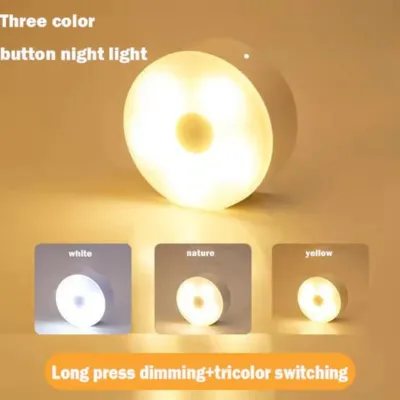
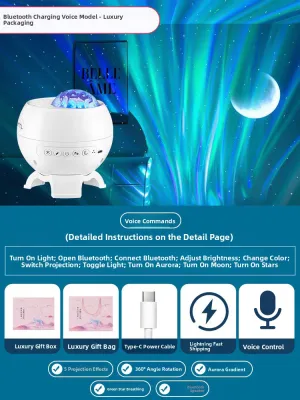
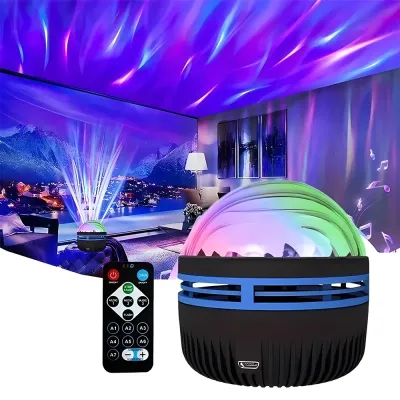
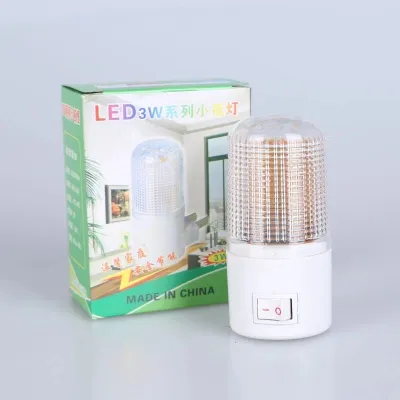
Prices are valid at publication and may change. Please refer to the product page for the latest price.
Before purchasing new fixtures, inspect your existing lamps and wall sockets to see what can be repurposed. Often, you do not need to replace an entire lamp assembly; simply swapping a harsh daylight bulb for a warm, low-lumen LED alternative can instantly soften the space. However, if your current fixtures lack proper shading or cannot be positioned to avoid direct eye contact, investing in dedicated ambient options like adjustable smart bulbs or indirect LED strips will yield much better results for your sleep hygiene.
Key Specifications to Check on LED Packaging
When shopping for ambient LED lights at local home improvement stores or online marketplaces, reading the product packaging carefully is essential to avoid buying the wrong bulb. The most critical specification to check is the color temperature, measured in Kelvin (K). To protect your sleep, look for labels explicitly marked “Warm White” (2700K) or “Extra Warm White” (1800K to 2200K). Avoid any bulbs labeled “Cool White” (4000K) or “Daylight” (6500K) for nighttime use, as these contain high levels of blue light that mimic midday sun.

Next, verify the voltage, base type, and local safety certifications to ensure compatibility and electrical safety in your home. In the Philippines, standard household electrical systems operate at 220V to 240V at 60Hz. Ensure the packaging matches these electrical specifications. Additionally, look for the Philippine Standard (PS) quality mark or the Import Commodity Clearance (ICC) sticker on the box. These certifications verify that the product has undergone rigorous safety testing, reducing the risk of electrical shorts or overheating in your bedroom.
Dimming capability is another vital feature to confirm before making a purchase. Not all LED bulbs are dimmable; using a non-dimmable LED on a dimming circuit can cause annoying flickering, buzzing, or premature bulb failure. Check the packaging for a clear “Dimmable” label. If you plan to use a traditional wall dimmer switch, verify that the bulb is compatible with leading-edge or trailing-edge dimmers. For smart bulbs, ensure they can dim smoothly down to 1% to 10% brightness via their companion mobile application.
Finally, pay close attention to the lumen rating rather than the wattage. While wattage indicates power consumption, lumens measure actual light output. For a relaxing nighttime atmosphere, you want a low-lumen bulb—ideally between 200 and 400 lumens. If you are installing fixed cove lighting or hardwired fixtures that require working at heights or modifying your home’s electrical wiring, always isolate the power at your main circuit breaker before installation, and consult a licensed electrician to handle the wiring safely.
Comparing Popular Ambient LED Light Types
Sunset Projection Lamps
Sunset projection lamps have become highly popular for their ability to project a warm, circular gradient of amber, orange, and red light across a room. These lamps act as excellent secondary accent lights, mimicking the natural, low-angle light of a setting sun, which naturally prepares the mind for rest. When choosing a sunset lamp, look for models with sturdy, heat-dissipating aluminum casings rather than cheap plastic, as the projection lenses can generate localized heat during extended use. Because they project a focused beam, they are best aimed at a blank concrete wall or ceiling to create a soft, reflected glow.
Warm White LED Strip Lights
LED strip lights offer a highly versatile way to introduce indirect, continuous illumination along bed frames, headboards, or ceiling coves. When selecting strip lights, prioritize warm white options (2700K or lower) with high-density diodes to ensure a smooth, unbroken line of light rather than a series of harsh, dotted glare points. In humid tropical climates, the pre-applied adhesive backing on budget LED strips can degrade over time, causing the strip to sag. To prevent this, clean the mounting surface thoroughly with rubbing alcohol before application, or use dedicated mounting clips and silicone brackets to secure the strip to painted concrete or wooden headboards.
Smart RGB Bulbs
Smart RGB (Red, Green, Blue) bulbs provide the ultimate flexibility because they allow you to customize both color and brightness through a smartphone app or smart home assistant. Most smart bulbs use a standard E27 screw base, making them an easy drop-in replacement for existing bedside lamps. The primary advantage of smart bulbs is the ability to program automated schedules. You can set the bulb to transition from a soft warm white at dusk to a deep, low-intensity amber or red hue an hour before bed, helping to naturally cue your body’s melatonin production.
Decorative Mood Lamps
Decorative options such as paper lanterns, salt lamps, or woven rattan fixtures add a natural, organic aesthetic to your bedroom while diffusing light beautifully. When using these fixtures, always check the maximum bulb wattage limit printed on the socket to prevent overheating. In the humid climate of the Philippines, natural salt lamps require extra care; they are hygroscopic, meaning they absorb moisture from the air. If left turned off for long periods in a humid room, they can “sweat” or drip water, which poses an electrical hazard. Ensure your salt lamp is placed on a protective coaster and checked regularly for moisture buildup.
Placement Strategies to Prevent Glare and Heat Risks
To maximize the sleep-friendly benefits of your ambient LED lights, how you position them is just as important as the type of light you choose. The golden rule of nighttime lighting is to employ indirect lighting techniques. Instead of pointing light sources directly at your bed or seating area, aim them at walls, ceilings, or behind furniture. Bouncing the light off matte surfaces diffuses the beam, softening harsh shadows and eliminating direct glare that can startle your eyes and disrupt your winding-down process.
Keep all light sources out of your direct line of sight when you are lying down in bed. Exposed LED diodes or bare bulbs can cause discomfort and eye strain, even if they are set to a warm color temperature. Position bedside lamps slightly behind your headboard or use deep, opaque shades that direct the light downward or upward rather than outward. If you use LED strip lights under your bed frame, ensure they are recessed far enough back so that the individual light sources remain completely hidden from view.
Lastly, prioritize physical safety by managing heat output and electrical cords. While LEDs run significantly cooler than traditional incandescent bulbs, they still generate heat at their base and driver components. Ensure there is adequate ventilation around all fixtures, and never allow fabrics, curtains, or mosquito nets to drape directly over a lamp or projection lens. Keep power cords neatly routed along baseboards and away from walking paths to prevent tripping hazards during late-night bathroom trips, ensuring your bedroom remains both a safe and peaceful environment.
Frequently Asked Questions (FAQ)
How should I configure smart RGB bulbs for nighttime use?
To optimize smart RGB bulbs for sleep, open your bulb’s companion app and create a dedicated nighttime preset. Set the color spectrum to a deep amber, warm orange, or solid red, as these wavelengths have the least impact on your circadian rhythm. Lower the brightness setting to its minimum threshold—ideally between 1% and 5%. Finally, use the app’s scheduling feature to automate this transition, allowing the lights to dim gradually over 30 minutes to help your mind ease naturally into a state of rest.
Is it safe to leave sunset projection lamps on overnight?
It is generally not recommended to leave sunset projection lamps running continuously overnight unless the manufacturer’s manual explicitly states it is safe for 24-hour operation. Many budget projection lamps use high-intensity lenses and compact housings that can accumulate significant heat over several hours. To ensure safety, use these lamps primarily as transitional tools for winding down, and turn them off before you fall asleep. If you prefer overnight illumination, opt for low-lumen, certified nightlights designed specifically for continuous, low-heat operation.

Community discussion
Share your experience or ask a question. Comments are reviewed before publication.