
Selecting the ideal accent lighting for a compact living space requires a careful balance of scale, luminosity, and power management. For a small condo bedroom, a string of fairy lights with battery power offers a highly flexible, renter-friendly way to introduce a soft, ambient glow without the need for nearby wall outlets or invasive electrical installations. Finding the right fit involves matching the string length to your specific furniture layout, choosing a low-intensity brightness that prevents glare, and selecting a color temperature that promotes relaxation. By evaluating your room’s dimensions and understanding the physical requirements of battery-operated setups, you can easily create a cozy, balanced retreat.
Assessing Your Small Bedroom Space for Fairy Lights
Before purchasing any lighting decor, it is essential to identify the specific zones in your condo bedroom that will benefit most from an ambient glow. In a compact room, attempting to light every corner can quickly lead to visual clutter. Instead, focus on a single primary focal point or two minor accent areas. Excellent candidates include the headboard of your bed, the frame of a window, floating shelves, or a cozy reading nook in the corner. Highlighting these specific features adds depth to the room, making the overall space feel more intentional and organized.
To determine the exact length of lights you need, avoid relying on simple visual estimates. Use a soft, flexible tape measure to trace the exact path the wire will follow. If you plan to wrap the lights around a bedpost, drape them in loose swags across a headboard, or zigzag them along a wall, a straight-line measurement will fall short. For every drape or curve, you must factor in extra length to allow the wire to hang naturally. Measuring the exact path ensures you do not buy a string that ends up pulled taut, which looks rigid and puts unnecessary tension on the delicate copper or silver wire.
Products mentioned in this guide
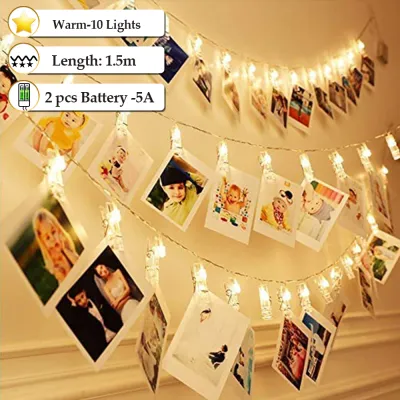
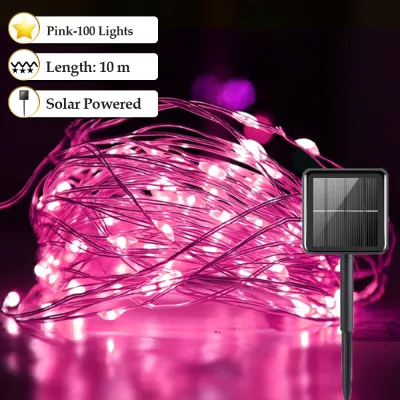
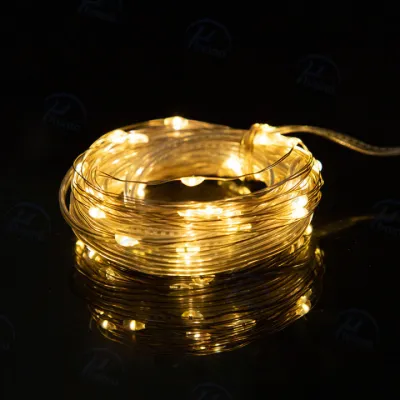
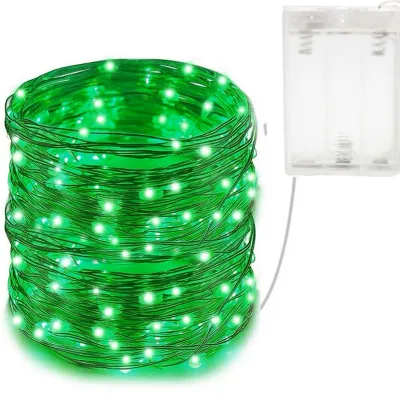
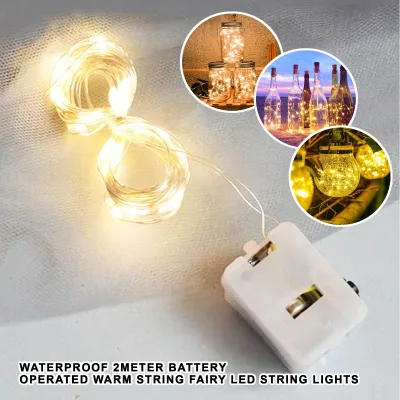
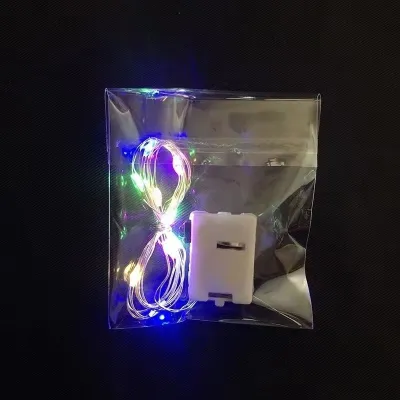
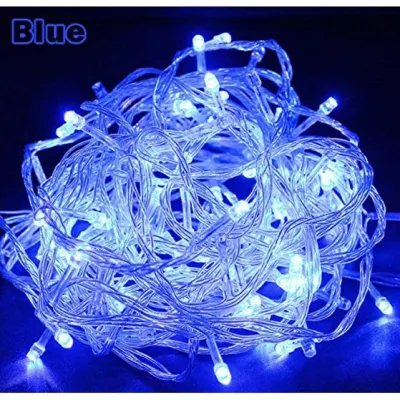
Prices are valid at publication and may change. Please refer to the product page for the latest price.
In small condo bedrooms, the concept of “visual weight” is a critical design consideration. Too many light sources, or strings that are excessively dense, can make a small room feel chaotic and visually overwhelming rather than cozy. A single, well-placed accent string carries enough visual weight to define a space. If your bedroom already features natural light from a window or functional light from a bedside table lamp, your battery-operated string should serve strictly as a secondary, low-intensity accent. Take a moment to observe your room at dusk with your primary lights turned on; this helps you identify where the shadows fall and where a subtle, supplementary glow is actually needed.
Matching Fairy Light Length to Your Layout
Once you have measured your chosen focal point, you can match those dimensions to standard product lengths available on the market. While furniture sizes and window frames vary, there are several general guidelines you can use as starting estimates. For a standard single window frame, a string length of 5 to 6 meters is typically sufficient to outline three sides of the frame with a gentle drape. If you are decorating a standard double or queen-sized headboard, a string of 3 to 5 meters works well for a single clean horizontal drape, while a length of 8 to 10 meters is better suited for a multi-tiered zigzag pattern. For a small decorative canopy over the bed, you will generally need 10 to 15 meters of wire to achieve a cascading effect without stretching the string.

The golden rule of buying string lights is to select a product that is slightly longer than your exact measured distance. Aiming for roughly 10% to 20% more length than your minimum measurement provides several practical advantages. This extra slack allows for natural, relaxed draping, which is central to the soft aesthetic of fairy lighting. Furthermore, it ensures you have enough unlit wire at the end of the string to route the line down to a hidden spot where the battery pack can sit securely without pulling on the rest of the display.
If you find yourself with excess wire after completing your installation, managing it safely and aesthetically is straightforward. You can bundle the extra length neatly and secure it with a plastic twist tie behind a piece of furniture, or coil the remaining lights inside a clean, decorative glass jar placed on a bedside table to create an additional accent piece. Never attempt to cut a battery-operated light string to shorten it unless the manufacturer’s packaging explicitly states that the wire is cuttable. Cutting standard copper or silver wire strings can permanently break the electrical circuit, render the entire string useless, or create a potential short-circuit hazard.
The color of the wire itself also plays a significant role in how the lights look during the day when they are turned off. Common wire options include copper, silver, clear plastic, and green. To keep your bedroom looking tidy, match the wire color to your background surface. Copper wires blend seamlessly with warm wood headboards and neutral beige walls, while silver wires look clean and modern against white, gray, or pastel painted surfaces. Clear plastic wires are highly versatile for glass shelves or metal frames, whereas green wires are best reserved for wrapping around artificial vines or dark-colored furniture. Matching these colors minimizes the daytime visibility of the installation, keeping the focus entirely on the light when evening arrives.
Selecting the Right Brightness and Color Temperature
Evaluating the brightness of a battery-operated light string requires looking beyond basic marketing claims. Because these lights are meant for close-range viewing in a small bedroom, you want to avoid high-intensity options that cause glare or eye strain. When browsing products, check the packaging or product specifications for the LED density, which is often listed as the number of LEDs per meter. A lower density, such as 10 LEDs per meter, provides a soft, spaced-out glow that is ideal for bedrooms. Avoid high-density strings designed for outdoor commercial displays, and prioritize products that are explicitly labeled with terms like “soft glow,” “ambient,” or “accent lighting.”
Color temperature is a key factor in creating a sleep-friendly bedroom environment. For a cozy, relaxing atmosphere, look for packaging labeled “warm white” or “soft white,” which typically corresponds to a color temperature of 2700K to 3000K. This warm, golden hue mimics candlelight and helps signal to your brain that it is time to wind down. Conversely, “cool white” or “daylight” variants, which range from 5000K to 6500K, emit a sharp blue-toned light. In a compact bedroom, cool white light can feel clinical, harsh, and may disrupt your natural circadian rhythms if kept on close to bedtime. Treat color temperature as a highly conditional preference that directly impacts the room’s utility as a resting space.
To gain maximum control over your ambient environment, prioritize fairy lights that feature dimming capabilities or built-in timers. Dimmable battery fairy lights allow you to lower the luminosity as the night progresses, transitioning the room from a reading space to a sleeping space. Built-in timers are exceptionally convenient; a standard 6-hour-on and 18-hour-off timer ensures the lights turn on automatically at dusk and turn off on their own after you fall asleep, which also preserves your battery life.
When purchasing lights from online marketplaces or ecommerce platforms, avoid relying solely on the highly edited promotional photos provided by sellers. Screen brightness, camera exposure, and digital styling can make lights appear much brighter, warmer, or denser than they are in reality. To get an accurate sense of the product’s performance, check the user review section for real-world photos uploaded by previous buyers. Additionally, choose retailers with straightforward return policies so you can easily exchange the lights if the color temperature or brightness does not match your expectations upon unboxing.
Practical Battery and Installation Considerations
Operating fairy lights in a condo requires understanding the practical trade-offs between different battery types. The most common power sources for these lights are AA batteries, AAA batteries, and small coin cells (such as CR2032). AA and AAA battery boxes are larger and heavier, but they offer significantly longer runtimes—often lasting between 40 to 80 hours depending on the quality of the batteries and the number of LEDs on the string. Coin cell battery boxes are incredibly lightweight and tiny, making them very easy to hide, but they typically run out of power after just 12 to 20 hours of use. In the Philippines, where high-quality batteries can represent an ongoing cost, choosing AA or AAA models is generally more economical for daily use, especially if you opt for rechargeable NiMH batteries.
Hiding the battery box is essential for maintaining a clean, professional-looking installation. Because the box has physical weight, it must be supported securely so it does not pull the wire down. You can tuck the box behind a wooden headboard, place it inside a nearby drawer with the wire routed through a rear gap, or use a small piece of hook-and-loop tape to secure it to the underside of a bedside table or shelf. Ensure the power switch remains easily accessible so you do not have to disrupt your decor every time you want to turn the lights on or off.
For condo renters, damage-free installation is crucial to avoid losing your security deposit due to torn paint or wall damage. Avoid using nails, staples, or heavy-duty permanent mounting tapes. Instead, use clear, removable adhesive hooks, mounting putty, or clear plastic clips designed specifically for lightweight cables. Before applying any adhesive, clean the surface thoroughly with rubbing alcohol and let it dry completely. In the humid, tropical climate of the Philippines, high relative humidity can cause adhesives to lose their grip over time. Pressing the adhesive hook firmly against a clean, dry surface and letting it cure for an hour before hanging the wire will help ensure a long-lasting hold.
Always establish clear safety boundaries during installation. Never staple or nail the wires to a surface, as this can easily pierce the protective insulation, damage the copper strand, and create an electrical hazard. Before adjusting, hanging, or untangling your light string, ensure the power is completely isolated by removing the batteries from the box. If you are mounting lights near high-up window frames or ceiling lines, always use a stable step stool or ladder rather than balancing on unstable bedroom furniture.
Common Sizing and Placement Mistakes to Avoid
One of the most common mistakes when decorating a small bedroom is overcrowding a single wall or corner with multiple overlapping light strings. This creates a cluttered, messy appearance during the day and can result in a tangled web of wires that is difficult to clean or adjust. Stick to a single, clean layout that highlights the architectural lines of your room rather than trying to fill every empty space.
Another frequent error is failing to plan for the weight of the battery box. A heavy 3x AA battery pack hanging freely in mid-air will put immense strain on the delicate wire connection, eventually causing the wire to snap or pull the entire light string down from its adhesive hooks. Always ensure the battery box rests on a flat surface or is securely mounted to a solid structure.
Additionally, be cautious about where you place your lights if you use indoor plants, humidifiers, or open windows in your condo. Standard battery fairy lights are rarely waterproof. If they are placed in areas where condensation or water droplets can collect, moisture can seep into the battery compartment, leading to battery corrosion, rust, or short circuits. Always check the Ingress Protection (IP) rating on the product label; while standard indoor lights have no moisture rating, lights rated IP44 or higher are designed to withstand minor splashes and damp environments.
Finally, even though modern LED fairy lights run exceptionally cool compared to traditional incandescent bulbs, they still require basic safety precautions. Avoid wrapping the lights tightly around highly flammable materials, delicate paper decorations, or synthetic fabrics without verifying the manufacturer’s safety guidelines. Always leave a small amount of breathing room around the bulbs to allow any minimal heat to dissipate naturally.
Frequently Asked Questions (FAQ)
Is it safe to leave battery fairy lights on all night?
While high-quality LED bulbs themselves generate very little heat, leaving battery-operated fairy lights on all night is generally not recommended unless the manufacturer’s instructions explicitly state it is safe to do so. The battery compartment can occasionally generate warmth, and low-quality batteries run the risk of leaking or short-circuiting if left active for extended, unattended periods. For maximum safety and to conserve battery life, turn the lights off before going to sleep, or purchase a model equipped with an automatic built-in timer that shuts the system down after 6 hours.
Do battery fairy lights dim over time as the batteries drain?
Yes, battery-operated fairy lights will gradually dim as the voltage of the batteries drops. Unlike plug-in lights that receive a constant power supply, battery-powered LEDs rely entirely on the declining energy curve of the cells. You will notice the light output slowly softening and losing its crispness before the lights eventually begin to flicker or turn off completely. To maintain consistent brightness, keep a fresh set of rechargeable batteries on hand, or look for premium models that feature built-in voltage regulators designed to maintain steady luminosity until the batteries are nearly depleted.
Community discussion
Share your experience or ask a question. Comments are reviewed before publication.