
Choosing the right living room wall light for your home involves balancing space constraints, local architectural styles, and tropical environmental factors. For compact urban condominiums, sleek minimalist profiles and adjustable swing-arm sconces maximize limited floor space while providing targeted illumination. In contrast, larger traditional or transitional family homes benefit from classic fixtures with warm finishes, glass shades, or fabric covers that complement rich wood accents and high ceilings. Selecting the ideal fixture requires evaluating your existing layout, verifying electrical compatibility, and choosing materials that withstand local climate conditions.
Assessing Your Living Room Layout and Lighting Needs
Before browsing designs, evaluate the physical characteristics of your living room to determine the functional role your new wall lights will play. High-rise condominium units in urban areas often feature concrete shear walls and compact, open-plan layouts that require space-saving lighting solutions. Conversely, spacious suburban family homes typically offer higher ceilings, larger wall expanses, and more flexibility for decorative installations.
Identify the primary purpose of the living room wall light before making a purchase. If your main ceiling fixture leaves corners in shadow, wall sconces can provide soft ambient layering to make the room feel larger and more welcoming. If you have a dedicated reading chair, a directional task light is more appropriate, while accent sconces are ideal for highlighting artwork, indoor plants, or textured accent walls.
Products mentioned in this guide
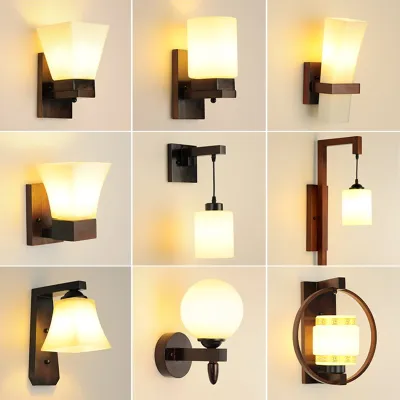
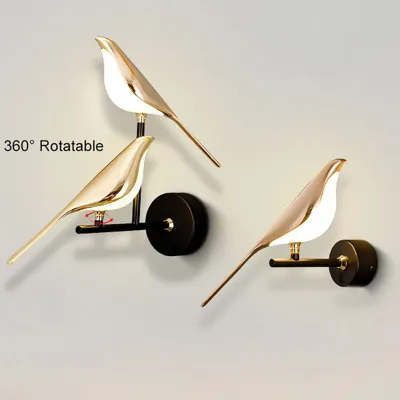
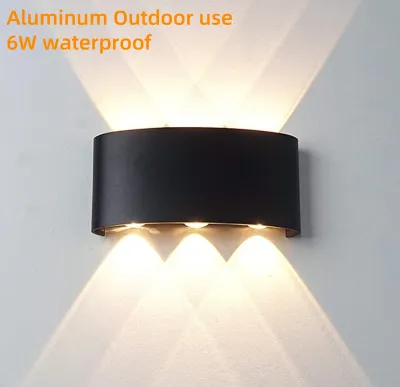
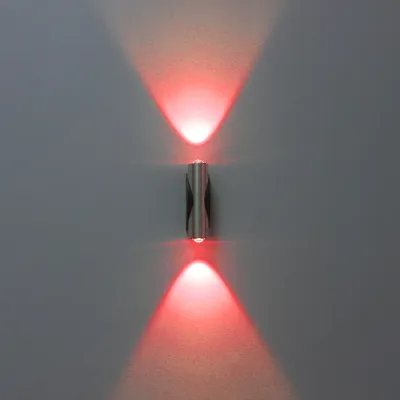
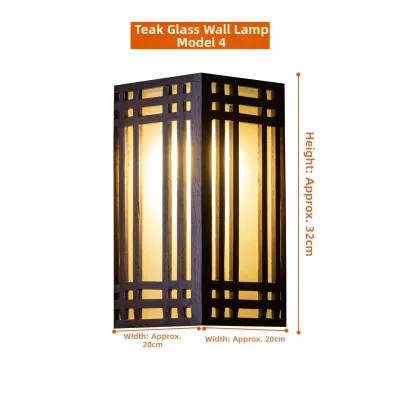
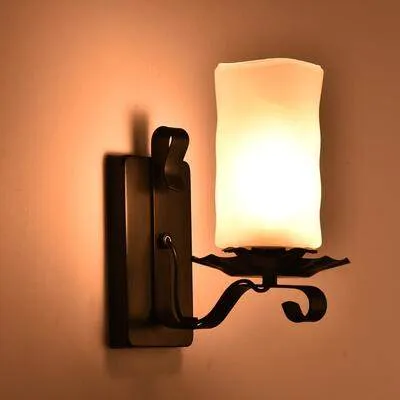
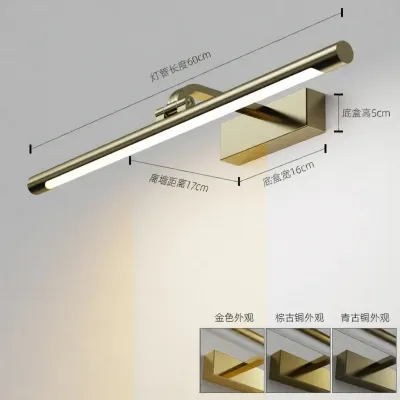
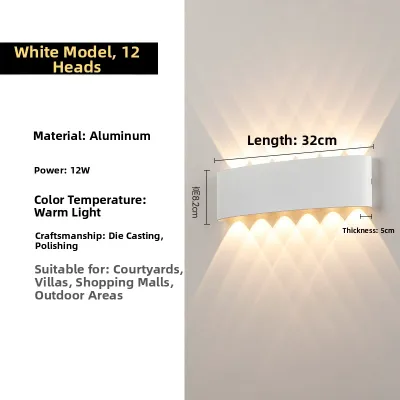
Prices are valid at publication and may change. Please refer to the product page for the latest price.
Always check your wall’s structural conditions and the location of existing electrical junction boxes. Concrete walls require masonry drilling and potentially surface-mounted conduits if internal wiring is not pre-installed. Drywall or wood-paneled walls offer more flexibility for running hidden wires but may require specific anchors to support heavier fixtures securely.
Matching Wall Sconce Styles to Common Local Aesthetics
Aligning your wall lights with your interior design theme creates a cohesive and polished look. Because the local climate brings high humidity, selecting fixtures with durable finishes is essential for preventing premature wear and corrosion.

Modern and Minimalist Condo Spaces
Urban condo living rooms benefit from sleek, low-profile wall lights that do not protrude excessively into narrow walkways or visual paths. Look for fixtures with clean geometric lines, matte black or brushed metallic finishes, and integrated LED light sources that maintain a slim profile. These designs provide excellent illumination without overwhelming a compact room.
Adjustable or swing-arm sconces are highly functional choices for multi-use condo spaces. A swing-arm light mounted beside a sofa can serve as ambient lighting during family gatherings, then pivot to provide direct task lighting when the living room doubles as a temporary home office. This versatility helps maximize the utility of limited square footage.
Before planning any major installation in a condominium, always consult your building administration or condominium corporation guidelines. Many properties have strict rules regarding drilling into structural concrete walls, chasing walls for electrical conduits, or modifying the unit’s original electrical layout. Ensuring compliance beforehand prevents costly restoration fees.
Traditional and Transitional Family Homes
Larger, standalone family homes often feature classic architectural details, warm wood furniture, and textured finishes like stone or plaster. To complement these elements, look for wall sconces with warmer finishes such as antique brass, bronze, or copper. Fixtures featuring frosted glass shades or fabric diffusers help soften the light, creating a cozy and inviting atmosphere.
Scale is a critical consideration when selecting lights for spacious rooms with high ceilings. Small, delicate sconces can easily look lost on a large expanse of wall. Opt for taller or wider fixtures that match the proportions of your high ceilings, ensuring the lighting elements feel balanced with the surrounding furniture and decor.
Symmetrical pairing is a highly effective design strategy in traditional living rooms. Installing matching sconces on either side of a television console, a large mirror, or a prominent piece of artwork creates a sense of order and elegance. This classic arrangement draws the eye to focal points in the room while providing balanced, glare-free illumination.
Key Technical and Installation Checks Before Buying
Verifying technical specifications before purchasing a living room wall light prevents compatibility issues and safety hazards. In the Philippines, the standard utility voltage is 220V at 60Hz. Always confirm that any imported or locally sourced fixture is rated for this voltage to avoid damaging the light source or creating an electrical hazard.
Carefully check the product label for the maximum wattage limit and the compatible bulb base type, such as E27 or GU10. If you plan to use energy-efficient LED bulbs, ensure they match the fixture’s base specifications. Additionally, if you want to adjust the brightness of your lights, verify that both the fixture and your wall dimmer switch are explicitly rated as compatible with dimmable LED bulbs.
Safety must always be the top priority during installation. Before replacing an existing fixture or handling any wiring, isolate the power by turning off the corresponding circuit breaker at your main panel. For running new electrical lines, carving channels into concrete walls, or mounting heavy fixtures at height, stop and hire a licensed electrician. Professional installation ensures compliance with the Philippine Electrical Code and guarantees a safe, reliable setup.
Placement and Layering Strategies for the Best Effect
Proper physical placement of your wall lights ensures comfortable illumination and prevents uncomfortable glare. As a general guideline, mount wall sconces approximately 60 to 66 inches from the finished floor. This height keeps the light source near average standing eye level, ensuring the bulb is shielded from direct view while casting a pleasant glow across the room.
If you are installing multiple sconces along a long living room wall, space them roughly 4 to 6 feet apart. This spacing maintains a balanced visual rhythm and prevents dark spots between the fixtures. For smaller rooms, a single pair of well-placed sconces is often sufficient to frame a key feature without cluttering the walls.
To achieve the best visual effect, layer your wall lights with other light sources rather than relying on them as the sole source of illumination. Combine the soft, eye-level glow of wall sconces with overhead ambient lighting, such as recessed downlights, and localized task lighting, like floor lamps. This layered approach allows you to adjust the room’s brightness to suit different times of day and activities.
Frequently Asked Questions (FAQ)
Can I install wall sconces if my living room has no existing wall wiring?
Yes, you can install wall sconces without pre-existing wall wiring by opting for plug-in models. These fixtures mount directly to the wall and feature an exposed power cord that plugs into a nearby standard outlet. To maintain a clean look, use decorative cord covers that match your wall color, or choose fixtures with stylish textile cords designed to be visible. If you prefer a seamless, hardwired look, you can hire a licensed electrician to retrofit new wiring behind your walls, though this may require minor plaster or drywall repairs afterward.
How high should I mount living room wall lights above the sofa?
When mounting wall lights directly above or beside a sofa, position them so the bottom of the shade sits approximately 24 to 36 inches above the top of the sofa backrest. This height ensures that seated individuals are not exposed to direct glare from an uncovered bulb while enjoying comfortable ambient light. If you are using adjustable swing-arm lamps for reading, mount them slightly lower and to the side of the seating area so you can easily reach and adjust the light source while remaining seated.
Community discussion
Share your experience or ask a question. Comments are reviewed before publication.