
Displaying a jesus christ statue in a home garden, courtyard, or outdoor grotto is a deeply rooted tradition in many Filipino households. These sacred images serve as quiet focal points for daily prayer, family reflection, and community devotion. However, the unique tropical climate of the Philippines presents a harsh environment for any outdoor decor. Choosing the wrong material can lead to rapid deterioration, color fading, cracking, or even structural failure during severe weather.
To ensure your statue remains beautiful and structurally sound for decades, you must evaluate how different materials interact with intense heat, high humidity, torrential rains, and strong winds. While there is no single “perfect” material, understanding the trade-offs between natural stone, cast concrete, fiberglass, polyresin, and ceramics will help you make an informed decision that suits your budget, aesthetic preferences, and maintenance capacity.
Understanding Tropical Weather Challenges for Outdoor Statues
The Philippine climate is characterized by high temperatures, high humidity, and abundant rainfall throughout the year. These environmental factors combine to create a challenging setting for outdoor materials. During the wet season, which typically runs from June to November, outdoor statues are subjected to near-constant moisture. This prolonged dampness allows water to seep into porous materials, leading to the growth of mold, mildew, and green algae. Over time, these biological growths can stain the surface, erode paint, and degrade the structural integrity of the statue.
Products mentioned in this guide
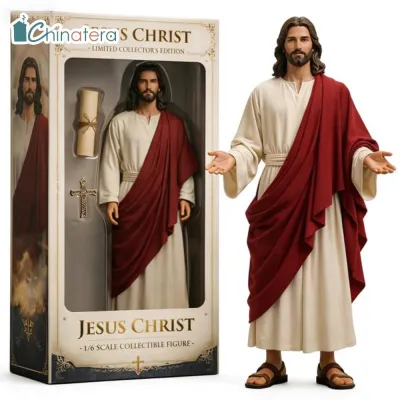
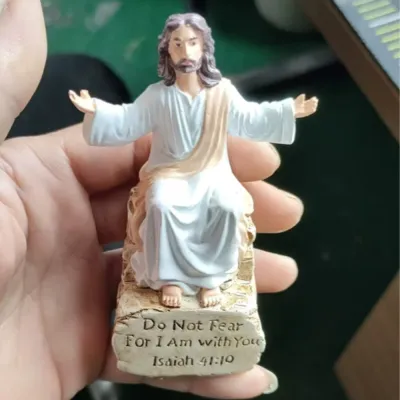

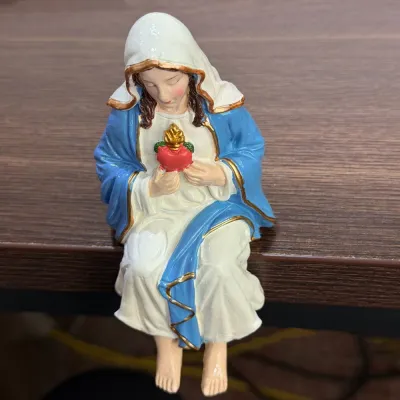
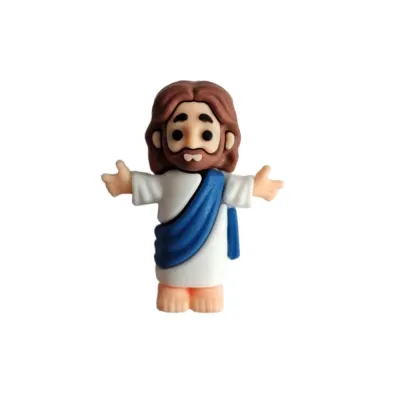
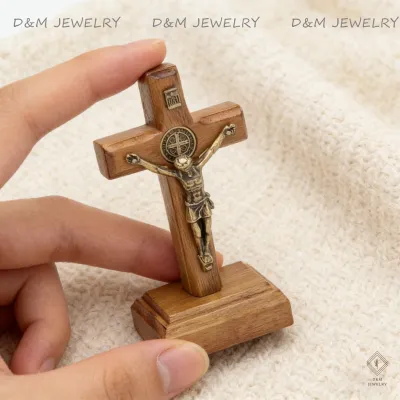
Prices are valid at publication and may change. Please refer to the product page for the latest price.
In addition to moisture, the intense ultraviolet (UV) radiation from the tropical sun poses a significant threat. During the dry season, particularly from March to May, the sun can cause synthetic materials to degrade. UV rays break down the chemical bonds in polymers, leading to a phenomenon known as chalking, where the surface develops a powdery, white residue. UV exposure also causes vibrant paint colors to fade and can make certain plastics and low-quality resins brittle, increasing the risk of cracking under physical stress.
Furthermore, the Philippines experiences an average of 20 typhoons every year, bringing destructive winds and heavy downpours. A statue placed in an open garden or on an elevated pedestal must be able to withstand these extreme forces. Lightweight materials can easily be blown over, resulting in catastrophic damage to the statue or nearby property. Even heavier statues require proper anchoring and a low center of gravity to prevent them from toppling during a severe storm. Therefore, structural stability and wind resistance are just as critical as moisture and UV protection.
Comparing Common Statue Materials for Humid and Rainy Climates
Natural Stone and Cast Stone
Natural stone, such as marble, granite, and volcanic basalt, along with cast stone (highly refined concrete), offers unmatched durability and weight. The primary advantage of these materials is their natural stability. A heavy stone jesus christ statue is highly resistant to being displaced by strong typhoon winds, making it an excellent choice for open, unsheltered areas of your garden. The solid presence of stone also lends a classic, timeless aesthetic that blends seamlessly with natural landscapes.

However, natural and cast stones are inherently porous. In the humid Philippine climate, these microscopic pores can absorb moisture, creating an ideal breeding ground for algae, moss, and lichen. If left untreated, this organic growth can penetrate deep into the stone, causing discoloration and surface pitting. To prevent this, it is essential to verify if the stone has been treated with a high-quality, breathable silane-siloxane sealer before installation. You must also plan for periodic resealing every few years to maintain its water-repellent properties.
Fiberglass and Polyresin
Fiberglass and polyresin (often a blend of polyester resin and stone dust) have become highly popular for outdoor religious statues due to their ability to capture intricate details, such as the folds of robes or facial expressions. High-quality fiberglass is exceptionally strong, lightweight, and completely non-porous. This means it is naturally resistant to water absorption, rot, and rust, allowing it to withstand the heaviest monsoon rains without swelling or decaying.
Despite these benefits, synthetic resins are highly vulnerable to the intense tropical sun. Without a dedicated UV-resistant topcoat or automotive-grade paint, resin statues will quickly fade, turn yellow, and become brittle under constant UV exposure. Additionally, because fiberglass and polyresin statues are relatively lightweight, they are highly susceptible to being blown over by strong winds. To use these materials safely outdoors, you must ensure they are properly anchored, weighted internally, or placed in sheltered locations like grottos or covered alcoves.
Ceramics and Terracotta
Ceramics and terracotta have a long history in decorative arts, but their outdoor use in a tropical climate requires careful consideration. There is a vast difference between high-fired, fully glazed ceramics and low-fired, unglazed terracotta. Glazed ceramics are fired at extremely high temperatures, which vitrifies the clay and seals the surface, making it highly resistant to water penetration and UV fading.
Conversely, unglazed terracotta is highly porous and absorbs water rapidly. In the Philippines, where heavy downpours are often followed by intense, direct sunlight, trapped moisture inside terracotta can expand rapidly due to thermal changes. This thermal shock can cause the material to crack, flake, or shatter over time. Because of these risks, ceramic and terracotta statues are generally recommended only for covered patios, verandas, or semi-outdoor spaces where they are protected from direct rain and extreme sun, unless the manufacturer explicitly certifies them for full outdoor exposure.
Essential Specifications and Features to Verify Before Buying
Before purchasing an outdoor statue, you must look beyond the basic material label. A statue’s long-term survival in a tropical climate depends heavily on its specific manufacturing quality and design features.
- Protective Coatings: Look for product specifications that explicitly mention UV inhibitors, marine-grade polyurethane sealants, or automotive-grade acrylic paints. These coatings act as a shield against both water ingress and UV degradation, significantly extending the lifespan of the statue's finish.
- Water Management: Examine the statue's design for water management. Intricate statues often have deep folds and crevices. Check if these areas allow water to pool. Standing water not only accelerates paint wear and material degradation but also creates a breeding ground for mosquitoes. For hollow statues, ensure there are drainage or weep holes at the base to allow any internal condensation or trapped moisture to escape freely.
- Base Dimensions and Weight: A stable outdoor statue should have a wide, substantial footprint relative to its height. A low center of gravity is crucial for resisting wind loads. If you are choosing a lightweight resin statue, check if the base is hollow and has an opening that allows you to fill it with dry sand or gravel to add weight before sealing it closed.
- Electrical and Lighting Integration: If your statue features integrated LED lighting, or if you plan to install external spotlights to highlight it at night, you must verify the voltage, IP (Ingress Protection) rating, and electrical certification. Outdoor lighting in damp garden environments must be rated at least IP65 to prevent water ingress. Always isolate the power source before installation, follow the manufacturer's wiring instructions, and consult a qualified professional for any fixed electrical wiring to ensure safety and compliance.
- Manufacturer Guidelines: Always read the manufacturer's care label and product guidelines. Do not assume that a statue labeled "indoor/outdoor" is suitable for continuous, unsheltered exposure to the Philippine elements. Look for products that are explicitly rated for "full outdoor use" or "all-weather durability."
Securing Your Statue Against Strong Winds and Typhoons
Proper installation is key to protecting your investment and ensuring safety during the typhoon season. When planning the placement of your statue, take advantage of natural windbreaks. Positioning the statue against a solid concrete firewall, within a deeply recessed grotto, or surrounded by dense, wind-dampening foliage can drastically reduce the direct wind load it experiences during a storm.
For lightweight fiberglass or resin statues, you can use reversible anchoring methods. One effective technique is to mount the statue onto a heavy concrete stepping stone or pre-cast pedestal using outdoor-rated polyurethane construction adhesive. This adds significant weight to the base while remaining semi-permanent. For heavier stone or cast concrete statues, mechanical anchoring is highly recommended. This involves using stainless steel L-brackets or drilling holes into the base of the statue and the concrete pedestal to insert threaded steel rebar pins, which are then secured with epoxy.
Always observe safety boundaries when installing heavy or elevated decor. If your installation requires drilling into structural concrete, mounting a statue weighing more than 50 kilograms, or placing the statue in a high-risk area such as a roof deck or an elevated balcony, you must consult a qualified structural professional or contractor. Incorrect installation of heavy objects can lead to structural damage, void building warranties, or pose a severe safety hazard during high winds.
Safe Cleaning and Upkeep for Outdoor Religious Decor
Regular maintenance is essential to preserve the beauty and dignity of your outdoor religious decor. In the humid Philippine climate, a gentle cleaning routine should be performed at least twice a year, ideally before and after the rainy season. To clean the statue, use a soft-bristle nylon brush, a microfiber cloth, and a mild, pH-neutral dish soap mixed with warm water. This gentle method effectively removes surface dirt, bird droppings, dust, and early algae growth without stripping away protective sealants or delicate paint details.
Never use high-pressure washers, harsh chemical cleaners, or wire brushes on your statue. High-pressure water can easily chip paint, pit natural stone, and blast away protective UV coatings. Acidic cleaners, bleach, and abrasive brushes can cause permanent chemical damage, leaving the material more porous and vulnerable to future staining and weathering.
After the rainy season ends, conduct a thorough visual inspection of the statue. Look closely for any hairline cracks, chipped paint, or areas where the sealant appears worn or chalky. If you notice minor damage, address it promptly to prevent water from penetrating deeper into the material. Reapply a clear, outdoor-rated acrylic or polyurethane sealer every one to two years, strictly following the manufacturer’s instructions regarding application temperature and drying times.
Frequently Asked Questions (FAQ)
Can I leave a lightweight resin statue outside during a typhoon?
While high-quality resin can withstand heavy rain, the extreme winds of a typhoon pose a severe tipping and flying hazard. If your resin statue is not permanently anchored to a heavy concrete base, it is highly recommended to temporarily move it to a secure indoor location, such as a garage or utility room, before the storm arrives. This prevents the statue from being damaged or becoming a dangerous projectile.
How do I safely remove green algae from a stone outdoor statue?
To remove green algae from a porous stone statue, mix a mild, non-acidic, and bleach-free outdoor cleaner or a specialized stone wash with water. Apply the solution to the affected areas and gently scrub with a soft-bristle brush. Rinse thoroughly with clean water. Avoid using household bleach or vinegar, as these harsh substances can etch the surface of natural stone, strip its protective sealant, and make it even more susceptible to future algae growth.
Community discussion
Share your experience or ask a question. Comments are reviewed before publication.