
Selecting an outdoor garden crucifix for a yard in the Philippines requires balancing aesthetic reverence with extreme weather resilience. The local climate presents a relentless combination of intense solar radiation, high humidity, and torrential monsoon rains. To ensure your garden ornament endures for years without cracking, rotting, or rusting, you must evaluate how different materials interact with these tropical forces. While natural stone and high-grade concrete offer the greatest structural longevity, modern UV-stabilized resins and properly treated metals provide excellent alternatives if you prioritize lighter weight or intricate details. Ultimately, the right choice depends on your willingness to perform routine maintenance and the specific environmental exposure of your garden.
Understanding Tropical Weather Impacts on Garden Ornaments
The climate of the Philippines is characterized by high temperatures, high humidity, and abundant rainfall throughout the year. These factors create a highly demanding environment for any outdoor decorative item. Ultraviolet (UV) radiation from the intense tropical sun is one of the most destructive forces, capable of breaking down chemical bonds in paints, plastics, and protective coatings. Over time, this solar exposure leads to severe fading, chalking, and surface micro-cracking, which allows moisture to penetrate deeper into the material.
Moisture absorption is the secondary catalyst for rapid deterioration. When heavy rains saturate an ornament, the material expands; as the sun dries it out, the material contracts. This continuous cycle of thermal expansion and contraction puts immense physical stress on the structure, leading to warping in wood, rust in ferrous metals, and hairline fractures in stone or concrete. Furthermore, persistent dampness combined with warm temperatures creates the perfect breeding ground for mold, mildew, and algae, which not only mar the appearance of the crucifix but can also chemically degrade the surface over time.
Products mentioned in this guide
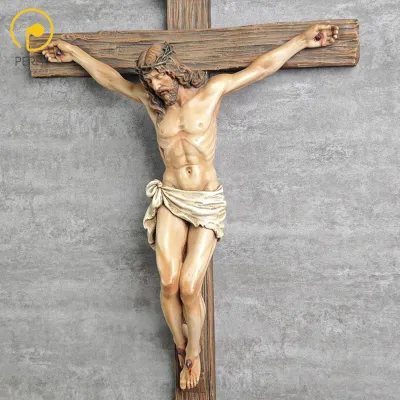
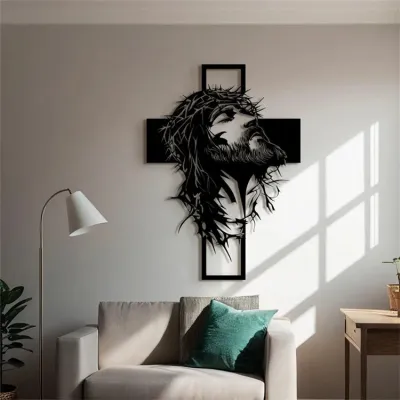

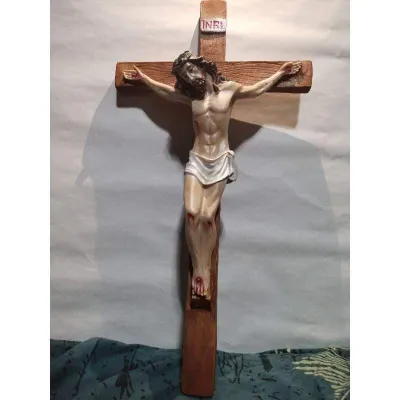
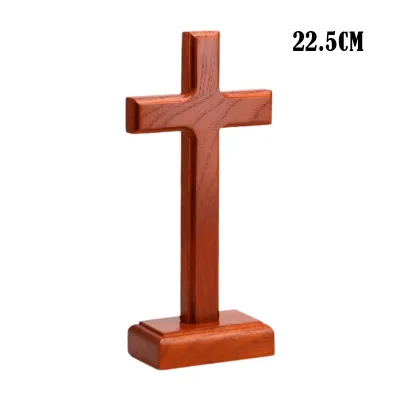
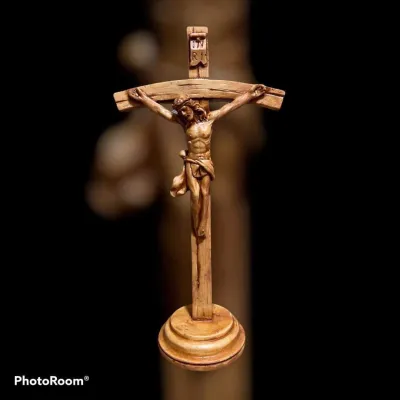
Prices are valid at publication and may change. Please refer to the product page for the latest price.
Evaluating Common Crucifix Materials for Outdoor Use
To choose a crucifix that will stand the test of time in your garden, you must weigh the physical properties of each material against the maintenance you are willing to perform. Every option—whether natural wood, metal, stone, or synthetic resin—has distinct vulnerabilities that require specific protective measures or manufacturing treatments to survive outdoors.

Wood: Natural Appeal vs. Moisture and Pest Risks
Wooden crucifixes offer an organic, traditional warmth that blends beautifully with lush garden foliage, but they are highly vulnerable in tropical climates. Untreated wood quickly absorbs moisture from the humid air and heavy downpours, leading to swelling, warping, and eventual rot. Additionally, the warm, damp environment of a tropical garden is highly attractive to wood-boring pests, particularly termites, which can hollow out a wooden structure from the inside within a single season.
If you prefer the natural look of wood, it is essential to select species known for inherent rot resistance, such as teak, cedar, or durable local hardwoods. Even with durable wood species, the crucifix must be treated with pressure-impregnated preservatives or sealed thoroughly with multiple coats of marine-grade varnish or polyurethane. This protective barrier must be meticulously maintained and reapplied annually to prevent moisture and pests from finding a way into the grain.
Metal: Durability and Rust Prevention Requirements
Metal crucifixes provide exceptional structural strength and can feature incredibly detailed artistry, but their longevity depends entirely on their resistance to corrosion. Ferrous metals, such as cast iron or standard carbon steel, react rapidly with oxygen and moisture in high-humidity environments. Without a robust protective barrier, these metals will develop rust, which expands and flakes away, gradually destroying the structural integrity and staining the surrounding garden area.
To minimize rust issues, look for non-ferrous metals like aluminum or high-grade stainless steel, which naturally form protective oxide layers that resist deep corrosion. If you choose a cast iron or steel crucifix, ensure it has been treated with a professional powder coating, hot-dip galvanization, or a high-quality rust-inhibiting primer followed by outdoor-grade enamel paint. Regular inspections are necessary to spot chips in the paint or coating, which must be touched up immediately to prevent rust from spreading beneath the surface.
Stone and Concrete: Weight, Porosity, and Algae Growth
Natural stone, cast stone, and concrete are among the most durable options for outdoor garden ornaments, offering excellent resistance to wind, sun, and rain. Their substantial weight makes them highly stable during strong tropical storms and typhoons, ensuring the crucifix remains upright. However, this weight also requires careful installation, as heavy stone pieces can sink or tilt if placed directly on soft, rain-saturated garden soil without a solid, compacted foundation or concrete base. For exceptionally large or heavy stone installations, consult a qualified professional to ensure secure mounting and prevent tipping hazards.
The primary challenge with stone and concrete is their inherent porosity. Microscopic pores in the material absorb rainwater and humidity, creating a damp surface that easily hosts algae, moss, and lichen. In a humid climate, a light-colored stone crucifix can quickly turn green or black with organic growth. While some gardeners appreciate this weathered, antique look as a conditional preference, others may find it unsightly. Preventing this requires applying a breathable, penetrating silane or siloxane sealer, which repels liquid water while allowing internal moisture vapor to escape.
Resin and Polyresin: UV Stability and Brittleness Checks
Resin and polyresin crucifixes are highly popular due to their lightweight nature, affordability, and ability to replicate the fine details of carved wood or sculpted stone. However, standard synthetic resins are highly susceptible to UV degradation. When exposed to intense, direct tropical sunlight, the polymer chains within the resin can break down, causing the material to become brittle, lose its color, and develop a chalky surface residue.
When shopping for a resin crucifix, it is critical to verify that the manufacturer has incorporated UV inhibitors directly into the resin formulation or applied a specialized UV-resistant clear coat. Additionally, because resin is relatively lightweight, a hollow resin crucifix can easily be blown over or damaged by strong winds during typhoon season. Look for pieces that feature a reinforced internal structure, or those designed with a hollow cavity at the base that can be filled with sand or gravel to add stability.
Key Specifications and Labels to Check Before Buying
Before purchasing a garden crucifix from an online marketplace or a local garden center, you must carefully review the product specifications and labels to ensure it is truly rated for outdoor use. Many decorative items are labeled as “indoor/outdoor,” but this often means they are only suitable for covered patios or semi-sheltered areas rather than full exposure to tropical elements.
Look for explicit terms such as “weatherproof,” “UV-resistant,” “marine-grade,” or “powder-coated” in the product description. If you are purchasing a wooden item, check if it specifies “pressure-treated” or “kiln-dried” wood, as these processes significantly improve stability and resistance to decay. For metal items, look for “rust-resistant” or “galvanized” certifications.
Additionally, read the manufacturer’s warranty terms and care instructions carefully. A reputable manufacturer of outdoor decor will often provide clear guidelines on how the item should be maintained and whether the warranty covers weather-related damage like cracking, fading, or rusting. If a product listing lacks detailed material specifications or care instructions, it is wise to contact the seller directly to verify these details before making your decision.
Placement and Maintenance Strategies for Longevity
Proper placement and routine maintenance are just as important as selecting the right material when it comes to extending the lifespan of your outdoor garden crucifix. By taking a few proactive steps during installation and establishing a simple care routine, you can protect your investment from the harshest aspects of the tropical climate.
When deciding where to place the crucifix, look for areas that offer partial shade during the hottest parts of the day, such as beneath a canopy of hardy garden trees or near a pergola. This reduces the direct UV exposure and lowers the surface temperature of the material. Ensure the site has excellent drainage so that water does not pool around the base of the ornament after heavy rains. To prevent moisture from wicking upward into wood, stone, or metal, avoid placing the crucifix directly on bare soil or grass; instead, mount it on a raised concrete pad, a gravel bed, or a stone pedestal.
Routine maintenance should be performed at least twice a year, ideally before and after the peak rainy season. Clean the surface gently using a soft-bristled brush, mild dish soap, and clean water to remove accumulated dust, bird droppings, and early signs of algae or mold. Avoid using high-pressure washers, wire brushes, or harsh chemical cleaners like bleach, as these can strip away protective sealants, paint, or the delicate outer layers of resin and stone. After cleaning, allow the crucifix to dry completely. If the manufacturer recommends it, reapply a fresh coat of compatible outdoor sealant—such as a marine varnish for wood, a rust-inhibiting clear coat for metal, or a penetrating sealer for stone—to maintain a strong barrier against the elements.
Frequently Asked Questions (FAQ)
Can I leave a wooden crucifix outside during the monsoon season?
Even if a wooden crucifix has been treated with high-quality weatherproofing sealants, leaving it fully exposed to constant, heavy rainfall during the monsoon season can accelerate its degradation. The continuous saturation prevents the wood from drying out, which weakens the protective coatings and increases the risk of warping, rot, and fungal growth. If possible, it is highly recommended to temporarily relocate the wooden crucifix to a sheltered area, such as a covered porch or veranda, during months of extreme rainfall. Alternatively, you can securely cover the ornament with a breathable, waterproof protective cover designed for outdoor furniture, ensuring there is still some airflow to prevent moisture from trapping underneath.
How do I safely clean algae or moss off a stone or resin cross?
To safely remove algae, moss, or mildew from a stone or resin crucifix without damaging the material, start by wetting the surface with clean water. Mix a mild solution of warm water and a gentle, pH-neutral dish soap or a specialized outdoor ornament cleaner. Gently scrub the affected areas using a soft-bristled nylon brush or a non-abrasive sponge, taking care not to scratch the surface or strip away any painted details. Avoid using high-pressure washers, which can easily pit porous stone or crack brittle resin, and steer clear of harsh chemicals like bleach or acid-based cleaners that can cause discoloration. Always test your cleaning solution on a small, hidden area of the crucifix first, and consult the manufacturer’s manual or care instructions for any material-specific restrictions.
Community discussion
Share your experience or ask a question. Comments are reviewed before publication.