
Selecting the ideal outdoor solar light for your garden, pathway, or patio requires balancing visual appeal with practical functionality. In tropical climates like the Philippines, where intense sunlight is followed by heavy seasonal downpours and high humidity, your choice must also account for environmental durability. The best solar light type is not a single universal fixture, but rather a coordinated combination of stake lights for safe pathways, spotlights for dramatic garden features, and hanging or tabletop lanterns for cozy, functional patio spaces. By understanding how brightness, style, and weather resistance interact, you can transform your outdoor areas into safe, welcoming extensions of your home.
Quick Guide: Matching Solar Lantern Styles to Your Space
To design an effective outdoor lighting layout, you must first align the physical style of the fixture with the specific demands of each outdoor zone. Pathways require clear, downward-directed illumination to mark boundaries and prevent tripping hazards, making low-profile stake lights the standard choice. Gardens and landscaping beds benefit from adjustable spotlights or decorative accent lanterns that highlight natural textures and architectural features without overwhelming the night sky. For social hubs like patios, decks, and outdoor dining areas, hanging lanterns or tabletop solar lamps provide localized, eye-level warmth that encourages conversation and ensures comfortable visibility.
The success of this layout depends heavily on matching the light output, measured in lumens, to the intended function of the space. Ambient mood lighting relies on low-lumen fixtures that emit a soft, gentle glow, preventing glare and preserving the natural darkness of the night. Conversely, safety and task-oriented lighting require higher lumen outputs to ensure clear visibility along steps, walkways, and dining tables. Balancing these levels prevents your outdoor space from feeling either dangerously dark or uncomfortably bright.
Products mentioned in this guide
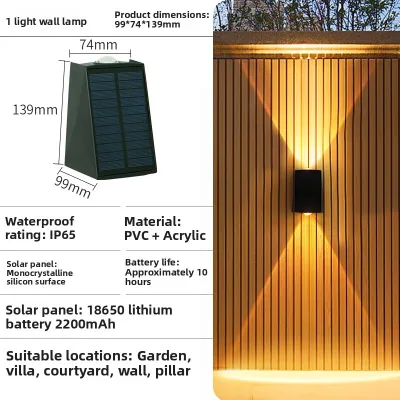
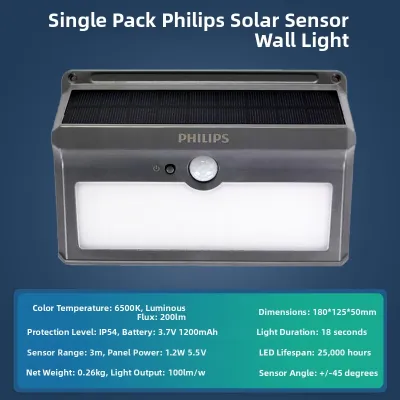
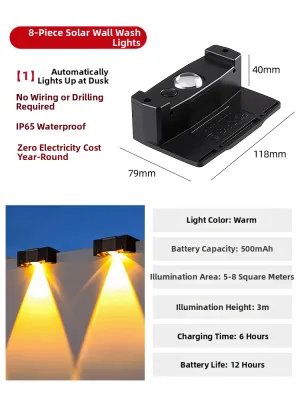
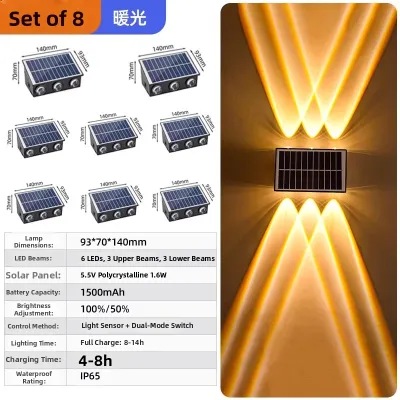
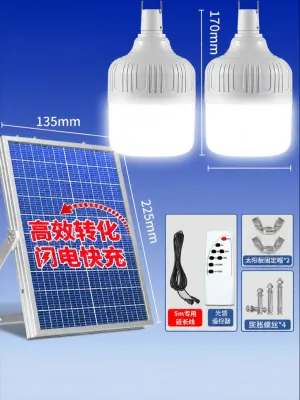
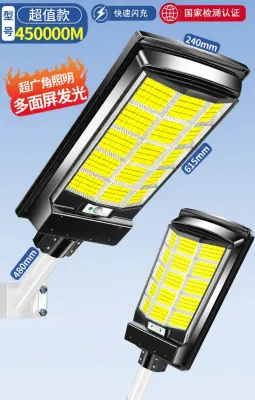
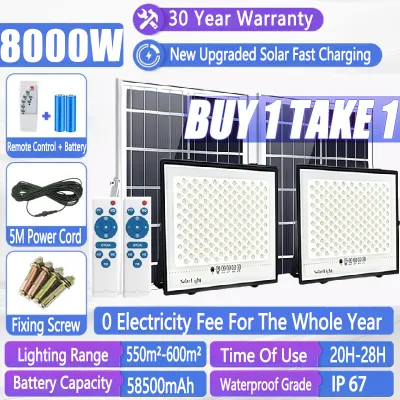
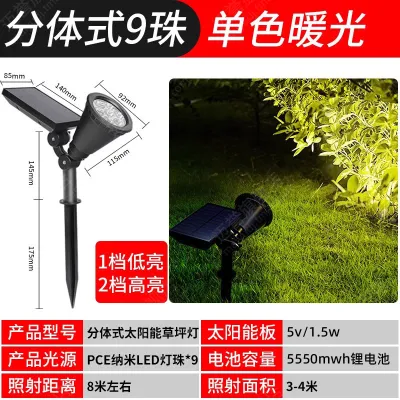
Prices are valid at publication and may change. Please refer to the product page for the latest price.
Understanding Solar Light Styles and Brightness Levels
Before purchasing any outdoor solar fixtures, it is essential to understand the primary form factors available on the market and how their designs dictate their placement. Stake lights are designed with a pointed base that inserts directly into soil, grass, or gravel, making them highly mobile and easy to install along garden borders. Hanging lanterns feature integrated loops, chains, or hooks, allowing them to suspend from tree branches, pergola beams, or wall brackets to cast light downward over a wider area. Tabletop lanterns are freestanding, portable units that sit directly on flat surfaces, offering flexible accent lighting that can be moved as your seating arrangements change. Wall-mounted solar lanterns attach directly to exterior walls, posts, or fences, providing structured downlighting or uplighting along the perimeter of your home.

Brightness in solar lighting is measured in lumens, which represent the total amount of visible light emitted by a source. Unlike traditional incandescent bulbs where wattage indicated brightness, LED-based solar lights use very little power, making lumens the only reliable metric for light output. For decorative accents, fixtures emitting 2 to 50 lumens are generally sufficient to create a soft, inviting glow. Functional task lighting, such as illuminating a barbecue area or a dining table, typically requires 100 to 300 lumens. Security-oriented fixtures, designed to deter intruders or illuminate large driveways, often range from 300 to over 1,000 lumens and are frequently paired with motion sensors to conserve battery power.
Color temperature, measured in Kelvin (K), also plays a critical role in defining the atmosphere of your outdoor space. Warm white light, ranging from 2,200K to 3,000K, mimics the cozy, golden glow of traditional incandescent bulbs or candlelight, making it ideal for relaxing patios and natural garden beds. Cool white light, typically between 4,000K and 6,000K, produces a bright, bluish-white illumination that enhances visibility and alertness, making it highly suitable for security lighting, driveways, and modern architectural features. Mixing these temperatures incorrectly can create a disjointed visual experience, so it is generally best to stick to a cohesive color palette across connected outdoor zones.
Matching Solar Light Types to Specific Outdoor Areas
Achieving a professional lighting design requires zoning your outdoor spaces based on how each area is used throughout the evening. By identifying high-traffic zones, quiet retreat areas, and visual focal points, you can determine exactly where light is needed for safety and where it should be used for aesthetic effect. This systematic approach ensures that every fixture serves a clear purpose, preventing unnecessary light pollution and maximizing the efficiency of your solar-powered system.
The most effective outdoor designs rely on layering different light types to create depth, contrast, and visual interest. Instead of relying on a single, bright overhead light that flattens the landscape, combine path lights, garden accents, and patio lanterns to guide the eye through the space. Layering involves placing low-level path lights to define the ground plane, mid-level tabletop and hanging lanterns to illuminate seating areas, and high-level spotlights to draw attention to tree canopies or architectural peaks. This multi-dimensional approach makes small gardens feel larger and large yards feel more intimate.
Pathways and Driveways
Navigating walkways, steps, and driveways safely at night requires consistent, glare-free illumination that clearly defines transitions in elevation and direction. Stake lights and low-glare pathway lanterns are the ideal choices for these areas, as they direct their light downward toward the ground rather than outward into the eyes of walkers. When selecting fixtures for pathways, look for designs with shielded tops or frosted diffusers that soften the light output and prevent harsh shadows.
For effective boundary marking, high brightness is rarely necessary; instead, focus on low-lumen fixtures ranging from 10 to 80 lumens. This level of brightness provides sufficient contrast against the dark ground to guide footsteps without causing visual fatigue. Spacing is equally critical to achieving a balanced look. Rather than placing lights directly opposite each other, stagger them along both sides of the path. This staggered arrangement creates a natural, winding flow of light that guides the eye forward while maintaining a soft, ambient atmosphere.
Gardens and Landscaping
Your garden contains unique textures, shapes, and colors that can be dramatically highlighted after dark with the right accent lighting. Solar spotlights and decorative lanterns are excellent tools for creating focal points, casting intriguing shadows, and adding visual depth to planting beds. By positioning a spotlight at the base of a mature tree or a sculptural shrub and directing the beam upward, you can create a striking uplighting effect that emphasizes the plant’s structure.
When lighting foliage, the choice of color temperature is vital to preserving the natural beauty of your garden. Warm color temperatures, specifically around 2,700K, enhance the rich greens, deep reds, and earthy browns of tropical plants, creating a warm, organic feel. Cool white light can make natural foliage appear washed out, sterile, or artificially gray. Additionally, consider using decorative lanterns with cut-out patterns or filigree designs; when placed among low-growing groundcovers, these fixtures cast intricate, artistic shadow patterns across the ground, turning simple garden beds into captivating evening displays.
Patios, Decks, and Dining Areas
Patios, decks, and outdoor dining areas serve as the social heart of the home, requiring lighting that supports activities like dining, reading, and entertaining while maintaining a warm, hospitable vibe. Hanging lanterns, solar string lights, and tabletop lamps are highly effective in these zones because they bring the light source closer to eye level. Hanging lanterns suspended from pergolas or patio umbrellas provide excellent overhead ambient light, while portable tabletop lamps offer flexible, localized illumination for dining tables or side tables.
Because these areas host active social gatherings, they generally require higher lumen outputs than decorative garden beds. Aim for fixtures or combinations of lights that deliver between 100 and 200 lumens per seating area to ensure guests can see their food, drinks, and each other clearly. To prevent the space from feeling sterile, combine these brighter functional lights with dimmable options or lower-lumen accent lights along the perimeter of the deck or patio, creating a layered effect that can be adjusted to suit the mood of the evening.
Essential Specifications to Verify Before Purchase
When shopping for outdoor solar lights on any online marketplace or local retailer, verifying technical specifications is crucial to ensuring long-term durability and performance. The first and most important specification to check is the Ingress Protection (IP) rating, which indicates how well the fixture’s housing protects its internal electrical components from water and dust. An IP rating consists of two digits: the first represents dust protection, and the second represents water resistance. For fully exposed garden beds and pathways subject to heavy tropical downpours, look for fixtures with a minimum rating of IP65, which guarantees protection against dust ingress and low-pressure water jets from any direction. For covered patios or semi-protected decks, an IP44 rating may be sufficient, but higher ratings always offer greater peace of mind.
The quality of the solar panel and the internal battery directly determines how long your lights will shine each night and how many years the fixtures will last. Solar panels generally come in two main types: monocrystalline and polycrystalline. Monocrystalline panels, recognizable by their dark, uniform appearance, offer higher energy conversion efficiency, meaning they can generate more electricity in smaller spaces and perform better under partial shade or overcast skies. Polycrystalline panels, which have a blue, speckled look, are more cost-effective but slightly less efficient. Additionally, always verify whether the internal battery is user-replaceable. While basic stake lights can be found on online marketplaces for under ₱500, investing in higher-quality fixtures with replaceable batteries is more cost-effective in the long run. Choosing models with accessible battery compartments and standard rechargeable battery sizes (such as AA or AAA NiMH, or 18650 Li-ion) allows you to extend the life of your investment simply by swapping out the worn-out cells.
Finally, consult the product manual or manufacturer specifications to verify the required direct sunlight hours needed to achieve a full charge. Most standard solar lights require between 6 to 8 hours of unshaded, direct sunlight daily to operate at their maximum runtime, which typically ranges from 8 to 12 hours. In regions with frequent cloud cover or during the rainy season, fixtures with larger solar panels or high-capacity batteries are preferable, as they can store excess energy during sunny days to help bridge the gap during overcast periods.
Placement, Installation, and Basic Maintenance
Proper placement is the single most important factor in maximizing the efficiency and runtime of your outdoor solar lights. To ensure the solar panels receive the maximum amount of solar radiation, install them in fully unshaded areas that face the path of the sun. Carefully inspect your property at different times of the day to identify potential obstructions, such as overhead tree branches, building eaves, fences, or structural overhangs that cast shadows over the panels. Even partial shading on a small portion of a solar panel can drastically reduce its energy output, leading to dim lights or premature shutoffs at night.
Maintaining your solar lights is a simple yet highly effective way to extend their operational lifespan and keep them performing at their best. Over time, a thin film of dust, pollen, bird droppings, and environmental debris can accumulate on the surface of the solar panels, blocking sunlight and reducing charging efficiency. To prevent this, establish a routine of wiping the panels clean with a soft, damp microfiber cloth and a mild, non-abrasive soap solution at least once a month. Avoid harsh chemical cleaners, abrasive pads, or high-pressure sprays, which can scratch the panel or compromise water-resistant seals.
Additionally, always consult the manufacturer’s instructions for specific care procedures, especially regarding battery maintenance and seasonal storage. If you plan to store your solar lights during extended periods of non-use, such as during a prolonged rainy season or home renovations, turn the power switch to the “off” position to prevent the battery from draining completely, which can permanently damage its capacity. Store the fixtures in a dry, cool place, and clean the battery contacts if you notice any signs of corrosion or moisture buildup.
Frequently Asked Questions (FAQ)
Do outdoor solar lights work on cloudy or rainy days?
Yes, outdoor solar lights can still charge on cloudy, rainy, or overcast days, but their efficiency will be significantly reduced. Solar panels rely on sunlight to generate electricity, and while diffuse light passing through clouds is sufficient to trigger a partial charge, it will not produce the same amount of energy as direct, unobstructed sunlight. As a result, you can expect the nightly runtime of your lights to be shorter on overcast days, often lasting only a few hours instead of the full night. To mitigate this, check the product specifications for models featuring high-efficiency monocrystalline solar panels and larger battery capacities, which are better equipped to capture and store energy under low-light conditions.
Can I replace the batteries in solar lanterns?
Whether you can replace the batteries in your solar lanterns depends entirely on the specific model and design of the fixture. High-quality solar lanterns are designed with accessible battery compartments, typically secured by small screws, allowing you to easily replace the old rechargeable batteries with new ones of the same size and chemistry (usually NiMH or Li-ion). Replacing the batteries every one to two years is a cost-effective way to restore the light’s original runtime when the old cells begin to lose their capacity. However, many low-cost or highly compact solar lights feature sealed, glued housings that do not allow battery access. Before making a purchase, always verify the battery replaceability in the product description or user manual to ensure you are buying a sustainable, long-lasting product.
Community discussion
Share your experience or ask a question. Comments are reviewed before publication.