
Enhancing your home’s outdoor space with outdoor solar lights is an excellent way to elevate your garden’s nighttime appeal while ensuring safe navigation along pathways and lawns. In the Philippines, where warm tropical evenings invite families to gather outdoors, proper garden lighting extends the usability of your yard long after sunset. Utilizing solar energy is particularly advantageous in the local context, as it allows homeowners to illuminate expansive outdoor areas without contributing to high monthly electricity bills, saving on monthly bills that can easily exceed ₱1,000 for large, hardwired halogen setups. Because these fixtures operate independently of the main electrical grid, they also eliminate the need for complex trenching, wiring, and professional electrical installation.
However, selecting the right outdoor solar lights for a Philippine home requires more than simply choosing an attractive design from an online marketplace. The local climate presents unique challenges, including intense tropical heat, high humidity, heavy monsoon rains, and powerful typhoons. This guide will help you navigate the essential technical specifications, design styles, and placement strategies needed to choose durable, high-performing solar lights that will beautifully illuminate your garden pathways and lawns for years to come.
Assessing Your Garden's Lighting Requirements
Before purchasing any solar lighting fixtures, it is crucial to evaluate your outdoor space to determine your specific lighting goals. Outdoor lighting generally falls into two categories: functional lighting and decorative accent lighting. Functional lighting ensures safety and security, primarily by illuminating pathways, steps, driveways, and entry points. For these areas, you need fixtures that produce a clear, consistent beam of light to help residents and guests navigate potential tripping hazards like uneven stones or low-lying plants. Decorative accent lighting focuses on aesthetics, highlighting architectural features, casting dramatic shadows on tree trunks, or creating a soft, ambient glow across open lawn areas.
Products mentioned in this guide
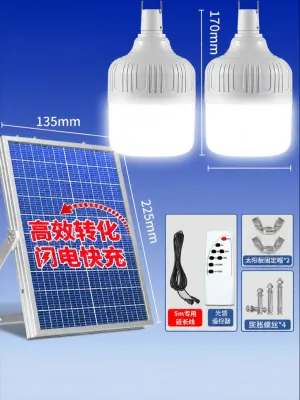
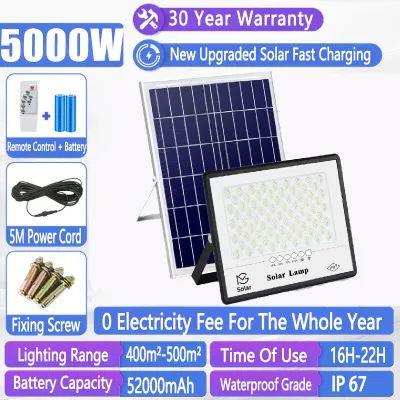
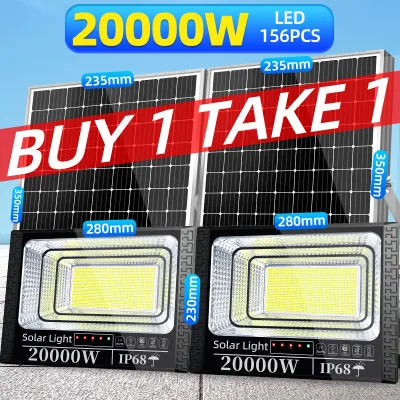
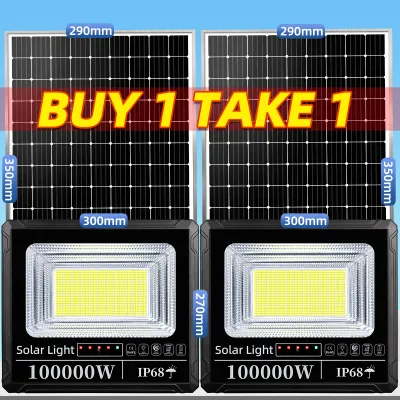
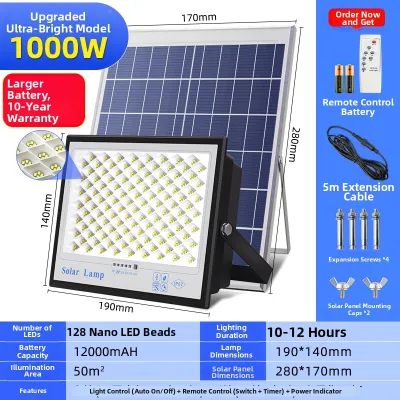
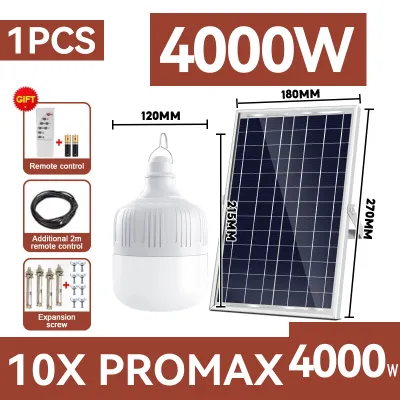
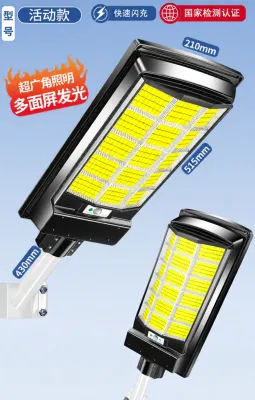
Prices are valid at publication and may change. Please refer to the product page for the latest price.
Understanding lumens and color temperature will help you select the right fixtures for these distinct purposes. Lumens measure the total amount of visible light emitted by a source. For functional pathway lighting, look for fixtures that output between 50 and 200 lumens to provide adequate visibility without causing uncomfortable glare. For decorative lawn accents, a lower output of 10 to 50 lumens is usually sufficient to create a subtle, inviting ambiance. Color temperature, measured in Kelvin (K), determines the color appearance of the light. Warm white light (2700K to 3000K) produces a cozy, yellowish glow that complements natural wood, stone, and foliage. Cool white light (5000K to 6500K) emits a bright, bluish-white light that offers high contrast and visibility, which is excellent for security but can feel clinical if overused in a relaxing garden setting.
Another critical step is mapping out daily sun exposure. Because solar lights rely entirely on sunlight to charge their internal batteries, they must be placed in areas that receive direct, unobstructed sunlight. In the Philippines, dense tropical foliage, large banana leaves, palms, and house overhangs can cast deep shadows. Walk through your garden at different times of the day to identify which zones receive at least six to eight hours of direct sunlight.
Essential Specifications to Verify Before Purchase
To ensure your outdoor solar lights survive the demanding Philippine climate, you must look past aesthetic designs and carefully verify their technical specifications. The most critical specification for outdoor durability is the Ingress Protection (IP) rating, which measures a fixture’s resistance to dust and water penetration. For outdoor solar lights exposed to heavy monsoon rains and tropical storms, look for a minimum rating of IP65. An IP65 rating guarantees that the fixture is completely dust-tight and can withstand water jets from any direction. Avoid fixtures rated IP44 or lower for fully exposed lawn areas, as heavy downpours can easily breach their seals, leading to internal corrosion and electrical failure.

The type and quality of the internal rechargeable battery also dictate the lifespan and performance of your solar lights. Most modern solar lights use either Lithium-ion (Li-ion), Lithium Iron Phosphate (LiFePO4), or Nickel-Metal Hydride (NiMH) batteries. Li-ion and LiFePO4 batteries are highly recommended for tropical climates because they charge quickly, have a high energy density, and can withstand hundreds of charge-discharge cycles before degrading. They also perform better in high ambient temperatures. NiMH batteries are common in budget-friendly fixtures; while they are widely available and easy to replace, they have a shorter lifespan and degrade rapidly when exposed to extreme tropical heat. Always check if the battery compartment is accessible via screws, as this allows you to replace the battery when it eventually degrades.
The efficiency of the solar panel itself is another key factor to consider. Solar panels on garden lights are typically either monocrystalline or polycrystalline. Monocrystalline panels are highly efficient, converting up to 20% of sunlight into electricity, and perform significantly better on overcast or rainy days. Polycrystalline panels, recognizable by their blue, speckled look, are cheaper to manufacture but less efficient, usually converting around 13% to 16% of sunlight. In regions of the Philippines that experience prolonged rainy seasons, investing in monocrystalline solar panels ensures your lights receive a better charge even when the sky is cloudy.
Finally, evaluate the build materials of the light housing. Cheap, untreated plastics degrade rapidly under the intense ultraviolet (UV) rays of the tropical sun, becoming brittle and prone to cracking. If you choose plastic fixtures, ensure they are made from UV-stabilized ABS plastic. For maximum longevity, opt for fixtures constructed from rust-resistant stainless steel, powder-coated cast aluminum, or heavy-duty brass. Additionally, glass lenses are highly preferable to clear plastic lenses, as glass will not cloud, scratch, or yellow over time.
Recommended Light Styles for Specific Garden Zones
Achieving a balanced and visually appealing garden layout requires zoning your outdoor space and matching the physical design of the light fixtures to the specific needs of each zone. Rather than using a single type of light throughout your entire yard, combining different styles creates depth, highlights key features, and ensures safe navigation.
Pathway and Walkway Markers
For pathways, walkways, and garden borders, the primary goal is to guide footsteps safely without creating blinding glare that disrupts the nighttime ambiance. Low-profile stake lights are the ideal choice for this application. These fixtures are designed to be pushed directly into the soil or lawn along the edges of a path, casting a downward-focused or diffused beam of light directly onto the walking surface. This downward orientation ensures that the light source is shielded from the eyes of pedestrians, preventing temporary blindness or discomfort as they walk through the garden.
When installing pathway markers, proper spacing and height are essential to prevent a cluttered look or a “runway” effect. As a general rule, space your pathway lights approximately six to eight feet apart. If you are using low-lumen decorative stakes, you can place them slightly closer together, whereas higher-lumen fixtures should be spaced further apart to avoid over-illumination. The height of the fixtures should ideally range between 12 and 18 inches; this keeps the light close to the ground where it is needed while remaining low enough to blend seamlessly with low-lying border plants and ground cover. Choose designs that complement your home’s architecture, such as sleek, minimalist metal cylinders for modern homes, or classic lantern-style stakes for traditional or rustic garden layouts.
Lawn Accents and Feature Highlights
Lawn areas and garden focal points require a different lighting approach to create visual interest and drama. Adjustable solar spotlights are highly effective for uplighting prominent garden features, such as mature palm trees, large ornamental shrubs, stone sculptures, or water fountains. By placing a spotlight at the base of a tree and angling the head upward, you can highlight the texture of the bark and the structure of the canopy, casting beautiful, soft shadows across the lawn. Look for spotlights with adjustable solar panels that can be tilted independently of the light head, allowing you to position the light precisely while still angling the panel toward the sun.
For a softer, more whimsical aesthetic across open lawn areas, consider decorative solar shapes and ambient fixtures. Solar globe lights, which sit directly on the grass and glow like luminous spheres, add a modern, artistic touch to expansive lawns. Solar string lights draped over pergolas, fences, or low-hanging tree branches can transform a simple backyard into an inviting outdoor living room. When incorporating these decorative elements, it is important to balance their brightness levels. Overpowering your garden with too many bright lights can wash out the natural beauty of the landscape. Use low-intensity, warm-colored decorative lights to establish a gentle background glow, and reserve high-intensity spotlights strictly for one or two key focal points to create a clear visual hierarchy.
Installation and Maintenance for Tropical Climates
To maximize the lifespan and performance of your outdoor solar lights in the humid, rainy, and windy environment of the Philippines, proper installation and regular maintenance are essential. When installing your lights, pay close attention to the surrounding vegetation. Tropical plants grow rapidly, especially during the rainy season. A solar panel that receives full sun in May may be completely shaded by overgrown shrubs or banana leaves by September. Regularly prune back any foliage that begins to overhang your solar fixtures to ensure they continue to receive unobstructed sunlight throughout the year.
Routine cleaning is another simple yet highly effective maintenance task. Over time, a thin layer of dust, pollen, bird droppings, and atmospheric grime will accumulate on the surface of the solar panels. In coastal areas of the Philippines, salt spray can also leave a crusty residue. This accumulation acts as a barrier, blocking sunlight and significantly reducing the panel’s charging efficiency. To prevent this, wipe down the solar panels once a month using a soft, damp microfiber cloth and a mild, non-abrasive soap solution. Avoid using harsh chemical cleaners or abrasive scrubbing pads, as these can scratch the protective coating of the solar panel, permanently reducing its ability to absorb sunlight.
Lastly, ensure your fixtures are securely anchored to withstand the strong winds and torrential downpours of the typhoon season. Heavy rains can quickly turn garden soil into soft mud, causing lightweight plastic stakes to lean or fall over. To prevent this, push ground stakes deep into firm soil, or consider reinforcing them. For pathway lights and spotlights in high-wind areas, you can secure the stakes inside small, buried concrete footings or heavy, soil-filled planters. If a severe typhoon is forecasted, it is highly recommended to temporarily remove lightweight or highly exposed solar lights and store them indoors until the storm passes, protecting your investment from flying debris and extreme wind damage.
Frequently Asked Questions (FAQ)
Do outdoor solar lights work during the rainy season?
Yes, outdoor solar lights will still function during the rainy season, but their runtime and brightness will be reduced. Solar panels do not require direct, scorching sunlight to charge; they can generate electricity using diffused light that penetrates through cloud cover. However, because overcast skies significantly reduce the amount of solar energy reaching the panel, the internal battery will not reach a full charge. To mitigate this, choose fixtures equipped with highly efficient monocrystalline solar panels and larger battery capacities, which are better at capturing and storing limited energy. During prolonged periods of heavy rain and continuous cloud cover, you can temporarily turn the lights off for a day or two to allow the battery to accumulate a deeper charge before turning them back on.
Can I replace the batteries in solar pathway lights?
Whether you can replace the batteries depends entirely on the design of the specific solar light fixture. High-quality solar lights are designed with sustainability in mind and feature accessible battery compartments secured by small screws or clips. This allows you to easily open the housing and swap out the old rechargeable battery once it reaches the end of its lifespan. Budget-friendly, single-use solar lights, however, are often permanently sealed with glue or sonic welding, making battery replacement impossible without damaging the housing. Before purchasing, always check the product description or user manual to confirm that the battery is user-replaceable. When replacing batteries, you must match the chemistry (such as NiMH or Li-ion) and the voltage of the original battery exactly to ensure safe and proper operation.
How do I prevent solar lights from looking too harsh or bright?
To prevent your solar lights from creating a harsh, clinical, or overly bright atmosphere in your garden, focus on color temperature and light diffusion. Avoid fixtures that use cool white LEDs (5000K to 6500K), which emit a stark, bluish light reminiscent of commercial parking lots. Instead, opt for fixtures that feature warm white LEDs (2700K to 3000K), which cast a soft, golden glow that mimics traditional incandescent bulbs and enhances the natural warmth of wood and stone. Additionally, choose fixtures with frosted, textured, or seeded glass lenses rather than completely clear plastic covers; these materials diffuse the light, spreading it evenly and reducing harsh glare. Finally, practice indirect lighting by placing spotlights behind low-lying shrubs, rocks, or garden ornaments, allowing the light to bounce off surfaces rather than shining directly into your eyes.

Community discussion
Share your experience or ask a question. Comments are reviewed before publication.