
Selecting the right outdoor wall light for your garden requires matching the specific physical and functional demands of each zone with the correct fixture specifications. An entrance requires high-visibility, welcoming illumination, while pathways demand low-glare, downward-directed light to ensure safe navigation. Patios and decks thrive on warm, dimmable ambient glow, whereas boundary walls and fences need robust, high-protection security fixtures. By identifying the primary purpose of each garden area, you can choose fixtures that provide safety, security, and visual appeal without causing glare or wasting energy.
Mapping Your Garden Zones for Effective Lighting
Designing a garden lighting scheme begins with dividing your outdoor space into distinct functional zones. A common mistake is applying a single, uniform fixture type across the entire property, which often results in harsh glare in relaxation areas, dark spots along pathways, or insufficient security coverage at entry points. By identifying whether a zone requires high-intensity task lighting, subtle accent lighting, or broad security coverage, you can select fixtures tailored to those exact needs.
Before purchasing any outdoor wall light, you must assess the physical and electrical infrastructure of your garden. Verify the local voltage of your home’s electrical system, which is typically 220V in the Philippines, and ensure the fixture’s base or interface matches your intended bulbs, such as standard E27 screw bases or GU10 bi-pin connectors. You must also confirm the maximum wattage limit of the fixture to prevent overheating, measure the physical dimensions to ensure a proper fit against your walls, and check for recognized electrical safety certifications.
Products mentioned in this guide
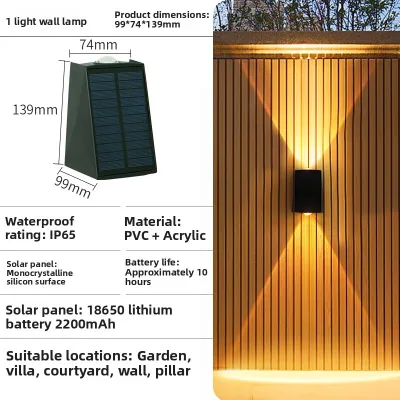
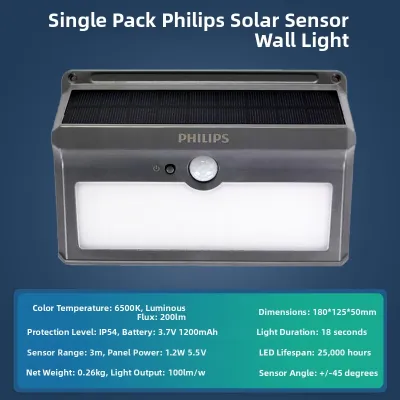
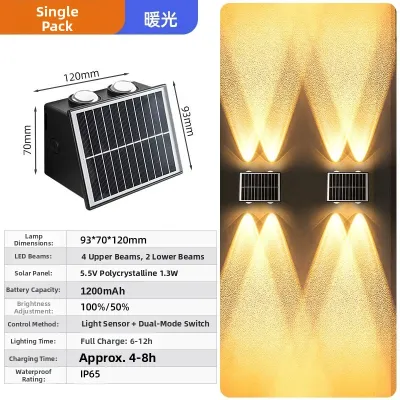
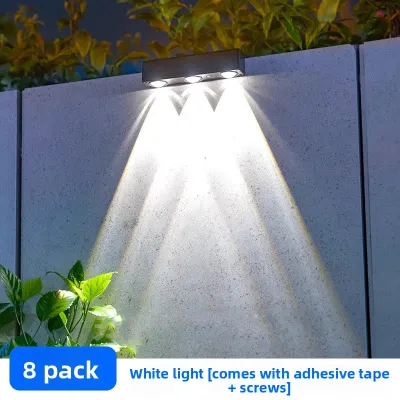
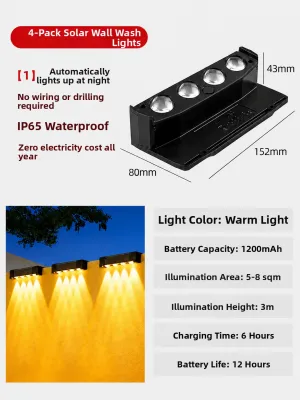
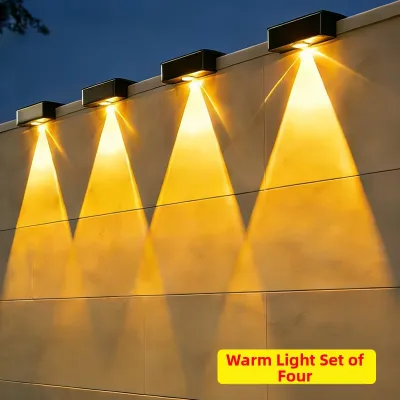
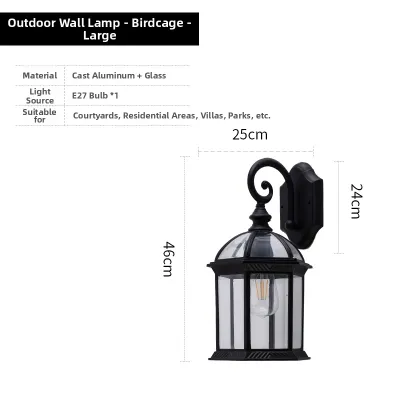
Prices are valid at publication and may change. Please refer to the product page for the latest price.
Environmental factors also play a critical role in how you map your zones. Fixtures mounted under deep eaves or covered patios are partially shielded from the elements, whereas those on perimeter fences or open garden walls face full exposure to heavy tropical downpours and high humidity. Assessing these conditions beforehand allows you to target your budget effectively, investing in high-durability, weather-sealed fixtures where they are needed most.
Entrance and Driveway: Welcoming and Secure Lighting
Your home’s entrance and driveway serve as the transition points between the public street and your private sanctuary. The primary lighting goals here are high visibility for tasks like finding keys, using intercoms, or navigating steps, combined with a bright, deterrent effect against potential intruders. At the same time, the light should offer a pleasant visual transition that makes guests feel welcome as they approach your door.

Lantern-style wall lights, robust bulkhead lights, and modern fixtures with integrated motion sensors are excellent choices for these high-traffic entry zones. Lanterns provide a classic, decorative touch that can cast light in multiple directions, while bulkhead lights offer a rugged, low-profile alternative that resists physical impacts. Integrating motion sensors ensures that high-intensity light is only active when needed, saving energy and alerting you to movement in the driveway.
When evaluating specifications, look for fixtures that deliver moderate to high lumen output—typically between 800 and 1,200 lumens—to ensure clear visibility over a wide area. Opting for neutral to warm color temperatures, such as 3000K to 4000K, is a common conditional preference for creating a balanced, inviting atmosphere that is bright but not clinical. To prevent blinding glare when walking toward the house, select fixtures with downward light distribution or frosted glass diffusers that soften the output.
For optimal performance, mount entrance wall lights at approximately eye level, which is generally 1.5 to 1.7 meters from the ground. If you are installing a single fixture, position it on the keyhole side of the door; if using a pair, balance them symmetrically on both sides of the entrance. Ensure the architectural style and finish of the fixture, whether matte black, brass, or copper, complements your home’s facade to maintain curb appeal during the day.
Pathways and Walkways: Safe Navigation and Accent Lighting
Pathway lighting adjacent to walls, retaining barriers, or low garden fences must prioritize safe navigation without creating visual discomfort. The main challenge in these transition zones is guiding foot traffic safely around obstacles, steps, or elevation changes while keeping the light source itself hidden or shielded. Blinding glare from unshielded bulbs can make it more difficult to see the path ahead, increasing the risk of trips and falls.
Louvered wall lights, low-mounted step lights, and asymmetrical wall washers are ideal for pathways. Louvered fixtures use angled horizontal slats to direct all light downward onto the walking surface, completely shielding the bulb from your direct line of sight. Step lights embedded into low retaining walls cast a concentrated pool of light right where feet land, while asymmetrical wall washers push light outward and downward to illuminate both the path and low-lying foliage.
Because pathway lights are meant for guidance rather than high-intensity tasks, they require lower lumen outputs, typically ranging from 100 to 300 lumens per fixture. Look for fixtures constructed from durable, easy-to-clean materials like thick polycarbonate or marine-grade aluminum, as low-mounted lights are highly susceptible to mud splatters, lawnmower debris, and moisture accumulation from wet grass. Shielded designs also help minimize light pollution, keeping the night sky clear.
To achieve a safe and visually appealing path, space your wall-mounted fixtures evenly to create overlapping pools of light on the ground. Avoid spacing them too far apart, which creates a disorienting “runway” effect of alternating bright spots and deep shadows. A continuous, gentle wash of light along the walkway makes the journey through your garden feel seamless and secure.
Patio and Decking: Ambient and Task Lighting for Gathering
An outdoor patio or deck attached to the house functions as an extension of your living room, serving as a space for dining, socializing, and relaxing. The lighting in this zone must be highly versatile, capable of shifting from bright task lighting for outdoor cooking to soft, warm ambient light for late-night conversations. Additionally, because people spend extended periods in this area, the fixtures must be positioned to avoid casting harsh, unflattering shadows.
Dimmable wall sconces, up/down lights, and decorative filament-style outdoor fixtures are the preferred choices for patios. Up/down lights are particularly effective because they wash the vertical wall surface with light, reflecting a soft, indirect glow back into the seating area. Decorative fixtures with exposed, warm-toned filament bulbs add a cozy, vintage aesthetic that enhances the overall outdoor dining experience.
Key specifications for patio wall lights include dimming compatibility and warm color temperatures. Ensure that both the fixture and the bulb support dimming, and pair them with a compatible outdoor-rated dimmer switch to adjust the light levels as the evening progresses. Selecting a warm color temperature of 2700K to 3000K is a popular choice for creating a cozy, relaxing environment; furthermore, warm-toned yellow or amber light is generally less attractive to nocturnal insects than cool blue light, helping to keep your gathering area more comfortable.
When installing patio lights, position them away from direct eye lines in primary seating areas to prevent glare. Layer your wall lights with other low-level sources, such as under-bench LED strips or portable lanterns, to create depth and eliminate dark corners. This multi-layered approach ensures that the patio remains functional for dining while preserving a soft, relaxed mood.
Perimeter Fences and Walls: Security and Boundary Definition
Lighting your property’s perimeter fences and boundary walls serves a dual purpose: it deters potential intruders by eliminating dark hiding spots, and it visually defines the outer limits of your garden. Because these fixtures are located at the edge of your property, they must be exceptionally durable to withstand constant exposure to the elements, and they must be positioned carefully to avoid disturbing your neighbors.
For pure security, floodlights equipped with integrated motion sensors are highly effective, as they deliver a sudden burst of bright light when activity is detected. If you prefer a more subtle, continuous boundary definition, high-output wall washers or heavy-duty bulkhead lights can be mounted at regular intervals along the fence. Bulkheads provide a rugged, impact-resistant option that can withstand accidental knocks from garden tools or sports equipment.
Perimeter fixtures require a high Ingress Protection (IP) rating, with IP65 or higher recommended for fully exposed boundary walls that receive direct rain and wind. Look for fixtures with adjustable motion sensors so you can customize the detection range and sensitivity, preventing false triggers from passing street traffic or stray animals. The housing should be made of corrosion-resistant materials, such as UV-stabilized plastics or powder-coated die-cast aluminum, to prevent degradation over time.
When positioning perimeter lights, always angle them downward and inward toward your own property. Aiming fixtures outward can blind neighbors, pedestrians, or passing drivers, creating a safety hazard and causing light nuisance. Carefully adjust the sensitivity of motion sensors to account for swaying tree branches or large plants near the fence line, ensuring the lights only activate when genuine movement occurs.
Creating a Cohesive Look with Cross-Zone Fixtures
Achieving a visually unified garden design often involves using the same fixture style across multiple zones. A cohesive look prevents your home’s exterior from feeling disjointed or cluttered with mismatched designs. For example, using a single, elegant black metal sconce design along your front entrance, side pathways, and back patio creates a polished, intentional aesthetic that ties the entire landscape together.
You can easily adapt a single fixture style to meet the differing functional needs of each zone by varying the internal components. Install a high-lumen, neutral-white bulb in the entrance sconces for maximum visibility, while using a low-lumen, warm-white dimmable bulb in the exact same sconce design on the patio. You can also add external accessories, such as inline motion sensors or smart home dimming modules, to customize how each light behaves without changing the physical look of the hardware.
However, there are clear limitations to this uniform approach. A single, low-profile decorative sconce cannot serve as both a low-glare pathway light and a high-intensity driveway security light without physical or electrical compromises. In areas where functional requirements conflict directly, prioritize safety and performance over strict visual uniformity by choosing different fixture types that share a common finish or material.
Installation Safety and Weatherproofing in Tropical Climates
Installing outdoor electrical fixtures in a tropical climate like the Philippines requires strict adherence to safety standards due to high humidity, intense seasonal rainfall, and salt-air exposure in coastal regions. Water and electricity are a lethal combination, making proper weatherproofing and safe installation practices non-negotiable for any outdoor lighting project.
Before beginning any installation work, always isolate the power by turning off the main circuit breaker at your home’s electrical panel. Verify that the circuit you are working on is completely dead using a reliable voltage tester. Additionally, ensure that all outdoor lighting circuits are protected by a functioning Residual Current Device (RCD) or Ground Fault Circuit Interrupter (GFCI), which will instantly cut power if a current leak is detected, preventing severe electrical shocks.
Pay close attention to the Ingress Protection (IP) ratings of your chosen fixtures. For sheltered areas like covered patios or under deep eaves, an IP44 rating is generally sufficient to protect against splashing water. For fully exposed locations, such as perimeter fences, garden walls, or low pathway mountings, you must use fixtures rated IP65 or IP66, which are dust-tight and protected against powerful water jets. During installation, carefully inspect all rubber gaskets and silicone seals to ensure they are seated perfectly, and apply outdoor-rated silicone sealant around the mounting base where it meets the wall to prevent water from seeping into the junction box.
| IP Rating | Protection Level | Best Suited For |
|---|---|---|
| IP44 | Protected against splashing water from all directions | Covered patios, sheltered balconies, and deep eaves |
| IP65 | Dust-tight and protected against water jets | Exposed garden walls, fences, and low-level pathway mounts |
| IP66 | Dust-tight and protected against powerful water jets | Fully exposed coastal areas and high-precipitation zones |
The choice of fixture material is critical for long-term durability in humid environments. Avoid cheap, painted ferrous metals, which will quickly rust and degrade when exposed to tropical moisture. Instead, opt for high-quality, corrosion-resistant materials such as marine-grade 316 stainless steel, solid brass, copper, or high-impact UV-stabilized polycarbonate. These materials resist both rust and the degrading effects of intense solar radiation.
For any complex wiring tasks, such as running new underground conduits, installing new exterior junction boxes, or mounting fixtures at significant heights, always hire a licensed electrician. Always refer to the product’s label and the manufacturer’s installation instructions before proceeding. If the manufacturer’s instructions conflict with your existing home wiring, or if you are unsure of the circuit’s load capacity, stop immediately and consult a qualified professional to ensure a safe, code-compliant installation.
Frequently Asked Questions (FAQ)
Can I use indoor wall lights outside if they are under a covered roof?
No, you should never use indoor wall lights in any outdoor setting, even if the area is completely covered by a roof or canopy. Indoor fixtures lack the specialized rubber gaskets, weather-sealed wire entries, and moisture-resistant coatings required to withstand outdoor environments. Over time, the high ambient humidity, temperature fluctuations, and wind-blown dampness typical of tropical climates will penetrate the fixture, leading to rapid corrosion, short circuits, and serious electrical shock hazards. Always verify that any fixture you install outdoors carries an appropriate outdoor IP rating.
Are solar-powered wall lights reliable for garden security?
Solar-powered wall lights can be useful for supplementary accent lighting, but they are generally not reliable enough to serve as your primary garden security lights. Solar fixtures depend entirely on receiving direct, unobstructed sunlight during the day to charge their internal batteries. In heavily shaded garden zones, along high boundary walls, or during the prolonged rainy and overcast days of the monsoon season, solar lights often fail to charge fully, resulting in dim output or complete failure during the night. For critical security areas like driveways, main entrances, and primary perimeter walls, hardwired fixtures connected to your home’s main power grid are necessary to guarantee consistent, high-reliability illumination year-round.
Community discussion
Share your experience or ask a question. Comments are reviewed before publication.