
Selecting the perfect spot light for display depends entirely on what you are illuminating. Retail shelves require clean, high-coverage angles that drive consumer attention; fine art demands strict material protection and high color accuracy; personal collectibles thrive on dramatic shadows and adjustable beams. In the Philippines, where high ambient humidity and warm indoor temperatures can impact driver longevity, choosing the right fixture involves balancing optical performance with robust thermal management.
To transform your space, you must align technical light metrics with the physical characteristics of your display items. By understanding how light behaves on different surfaces, you can avoid common pitfalls like color distortion, glare, and heat damage.
Decoding Why a Spot Light for Display Requires Specific Metrics
To achieve professional-grade illumination, you must first understand the core metrics that govern light quality. The Color Rendering Index (CRI) measures a light source’s ability to reveal the true colors of an object compared to natural daylight. Measured on a scale up to 100, any high-quality spot light for display should feature a CRI of 90 or higher (Ra 90+). A lower CRI can make vibrant retail packaging, fine oil paintings, or hand-painted figurines look dull, grey, or artificially tinted.
Products mentioned in this guide
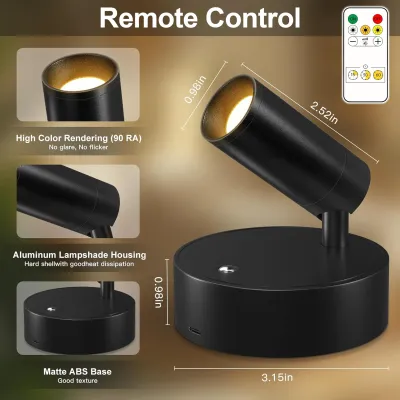
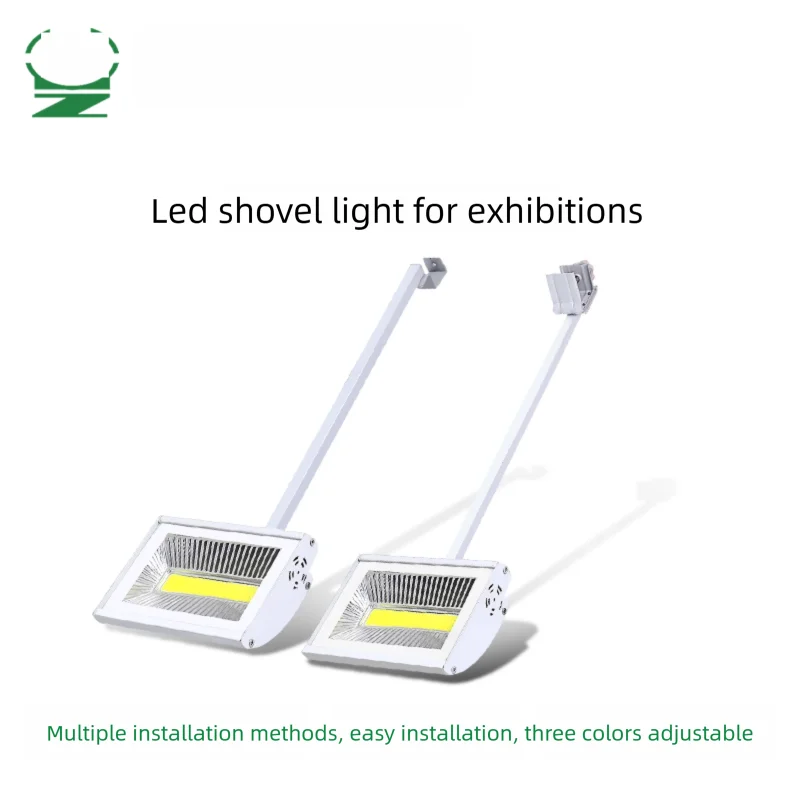
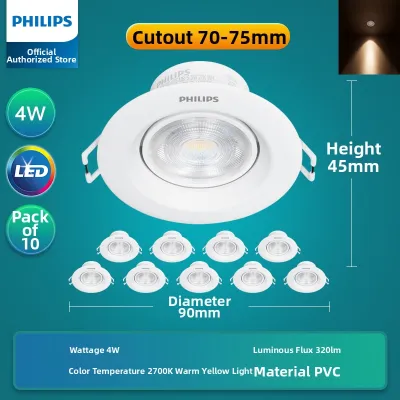
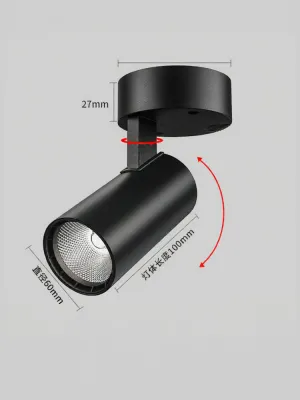
Prices are valid at publication and may change. Please refer to the product page for the latest price.
Beam angle determines how light is distributed from the fixture. Narrow beams, ranging from 15 to 24 degrees, concentrate luminous intensity onto a single focal point, making them ideal for highlighting individual objects or creating dramatic accents. Medium to wide beams, spanning 36 to 60 degrees, spread the light more evenly, which is necessary for illuminating broad shelving units or larger canvases.
Color temperature, measured in Kelvin (K), dictates the psychological feel and visual warmth of the space. Warm white light (2700K to 3000K) highlights reds, oranges, and wood tones, creating a cozy and premium atmosphere. Cool white light (4000K to 6500K) emphasizes blues, whites, and metallic surfaces, conveying a crisp, clean, and modern aesthetic. In tropical homes and commercial spaces across Manila or Cebu, balancing these temperatures is key to setting the right mood without clashing with natural daylight.
Configuring Recessed Lights for Retail Shelves
Retail spaces require a careful balance of ambient visibility and focused product highlighting. Recessed spotlights must guide the shopper’s eyes smoothly down the aisles, turning ordinary shelves into active visual merchandising zones that drive engagement.

Beam Angle and Fixture Placement
When illuminating multi-tiered retail shelves, a medium beam angle of 36 to 45 degrees offers the best coverage. This spread ensures that light washes over multiple shelf levels rather than creating a single, blinding hot spot on the top shelf while leaving the lower merchandise in deep shadow.
To prevent distracting shadows, place the recessed spotlights slightly in front of the shelf edge and angle them inward. If the fixtures are placed directly overhead or too far back, the shelves themselves will cast harsh shadows over the products below, obscuring labels and prices.
Before purchasing, always verify the physical dimensions of the recessed housing. Standard commercial ceiling grids or local gypsum board cutouts require precise hole-saw diameters, commonly 3-inch, 4-inch, or 6-inch options. Ensure the housing height matches the clearance space available in your ceiling plenum, taking into account any structural wooden joists or steel furrings.
Color Temperature for Product Categories
For spaces displaying modern consumer electronics, silver or platinum jewelry, and clinical or pharmaceutical products, natural to cool white light (4000K to 5000K) is highly effective. It conveys high-tech precision, cleanliness, and modern sophistication.
Conversely, apparel boutiques, artisanal bakeries, wooden furniture showrooms, and lifestyle products benefit immensely from warm white light (2700K to 3000K). This range enhances natural textures, coppers, and warm fabrics, creating a comfortable, premium environment that encourages customers to linger.
Maintain strict consistency in color temperature across adjacent displays. Mixing a cool 5000K spotlight with a warm 3000K spotlight on the same wall creates visual chaos, which distracts shoppers and cheapens the store’s presentation.
Protecting and Enhancing Artwork Displays
Lighting fine art requires a delicate touch. The primary objective is to reveal the depth, brushstrokes, and authentic colors of the piece while preventing any long-term structural or pigment degradation caused by light exposure.
Protecting Sensitive Mediums from Heat and Light
Traditional halogen spotlights emit significant amounts of ultraviolet (UV) radiation and infrared heat, which dry out canvas, yellow paper, and cause delicate oil paints to crack over time. Modern LED recessed spotlights are the industry standard for art preservation because they emit virtually no UV light and generate very little forward heat.
Although LEDs run much cooler than halogens, they still generate heat at the back of the diode. Ensure your recessed fixtures feature robust aluminum heat sinks to dissipate this heat away from the ceiling cavity. Maintain a safe physical distance—typically at least 1 to 1.5 meters—between the light source and the artwork to prevent localized air warming.
For highly valuable, antique, or moisture-sensitive pieces, always consult a professional art conservator. Check the specific conservation guidelines of the medium before finalizing your lighting layout, as certain watercolors and organic dyes are exceptionally light-sensitive.
Achieving High Color Rendering for True Tones
To appreciate the true depth of an artist’s palette, select a spot light for display with a CRI of 95 or higher, paying close attention to the R9 value, which measures saturated red rendering. A high R9 ensures that skin tones, warm pigments, and subtle gradients do not look washed out or unnaturally green.
Use adjustable recessed housings or fixtures equipped with internal baffles to shape the light beam. This allows you to focus the illumination directly onto the canvas, minimizing light spill onto the surrounding wall. This technique makes the artwork appear self-illuminated, mimicking a gallery or museum setting.
Matte and glossy finishes interact with light differently. Glossy oil paintings or framed art behind standard glass can produce blinding reflections if illuminated from the wrong angle. Position the recessed spotlight at a 30-degree angle relative to the vertical plane of the wall to direct the glare downward toward the floor rather than back into the viewer’s eyes.
Adding Depth and Drama to Collectible Displays
Collectibles—such as intricate scale models, vinyl figurines, glass art, or sports memorabilia—often feature complex, three-dimensional shapes. The lighting strategy must emphasize these contours, transforming flat shelves into dynamic showcases.
Creating Drama with Narrow Beam Angles
To make individual collectibles pop, utilize narrow beam angles ranging from 15 to 24 degrees. This creates a highly focused pool of light that draws the eye directly to the item, establishing a clear visual hierarchy against a darker, non-illuminated shelf background.
High contrast between the highlighted collectible and its shadow-filled surroundings adds a sense of luxury and importance. It mimics the dramatic lighting found in high-end museums and boutique showrooms.
Avoid positioning your spotlight directly overhead at a sharp 90-degree angle. This overhead placement flattens the object’s features and casts deep, unflattering shadows under protruding parts, such as the face of a figurine or the underside of a model car. Instead, angle the light slightly from the front or side to cast soft, defining shadows that reveal fine textures and sculptural details.
Utilizing Adjustable and Dimmable Features
Collections are rarely static; items are constantly added, removed, or rearranged. Select adjustable recessed trims, often called gimbal or eyeball trims, which let you tilt the light head up to 30 degrees and rotate it 360 degrees. This flexibility allows you to easily redirect the light beam whenever you update your display.
Highly reflective materials like polished metal die-cast cars, glazed ceramics, or crystal glassware can easily become overexposed and lose detail under intense light. Integrating dimmable LED drivers allows you to fine-tune the brightness to match the reflectivity of the material.
Always verify that your dimmable LED spotlights are fully compatible with your wall dimmer switches, such as trailing-edge or leading-edge dimmers. Incompatible pairings can cause annoying flickering, buzzing, or premature driver failure, which ruins the display experience.
Adapting to Multiple Scenes and Ensuring Safe Installation
To get the most out of your lighting setup, especially in multi-use residential or commercial spaces, you must plan for both operational flexibility and strict physical safety.
Consider installing smart or tunable-white recessed spotlights. These advanced fixtures allow you to adjust both the color temperature (from warm 2700K to cool 6500K) and the brightness level via a mobile app or a dedicated wall controller. With a single tap, you can transition a room from a bright, functional retail display mode to a soft, intimate gallery setting.
Installing recessed spotlights requires cutting into ceiling materials and working directly with mains electricity, which typically runs at 220V to 240V at 60Hz in the Philippines. Before inspecting, cleaning, or installing any fixture, you must isolate the power by turning off the circuit breaker at the main electrical panel. Do not rely solely on the wall switch to turn off the power.
For all fixed wiring, junction box installations, and structural ceiling modifications, always hire a licensed and qualified electrician. This is particularly critical in the Philippines, where high humidity can accelerate electrical degradation, and improper wiring can lead to short circuits or fire hazards in wooden ceiling structures.
If your ceiling features thermal or acoustic insulation, verify that the recessed spotlights carry an IC (Insulation Contact) rating. Non-IC rated fixtures require a minimum clearance of 3 inches (approx. 7.6 cm) from any insulation material to prevent heat buildup and potential fire risks. Additionally, ensure all imported or locally purchased fixtures bear the Philippine Standard (PS) mark or the Import Clearance Certificate (ICC) sticker, certifying that the product has passed local electrical safety standards.
Community discussion
Share your experience or ask a question. Comments are reviewed before publication.