
Selecting the ideal Santa Claus LED lights depends on your available space, your desired holiday aesthetic, and the specific installation environment. For classic, cozy setups, flexible string lights and window silhouettes offer a timeless glow that fits easily into compact areas. Modern, high-impact displays benefit from vibrant neon signs and standalone lighted figurines that serve as festive focal points. Matching these styles to your home requires evaluating color temperatures, space constraints, and safety ratings to ensure a beautiful and secure display.
By understanding how different light designs interact with your existing decor, you can create a cohesive holiday theme. Whether you want to transform a spacious front yard in a suburban neighborhood or add a touch of festive cheer to a cozy urban condominium, selecting the right LED style makes all the difference.
Matching Santa LED Styles to Your Holiday Vision
Every holiday theme relies on a specific visual language, and your choice of Santa Claus LED lights should complement that design direction. Flexible string lights, standalone three-dimensional figures, flat window projections, and modern neon novelty lamps each offer distinct visual effects. Assessing how these different formats distribute light helps you avoid a cluttered or mismatched look.
Products mentioned in this guide
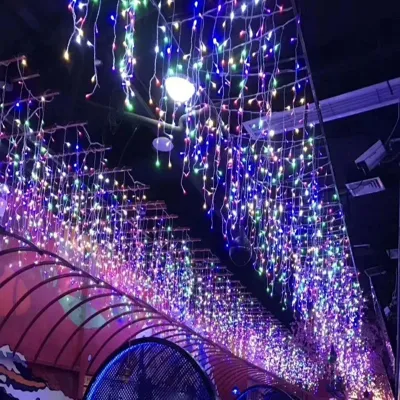
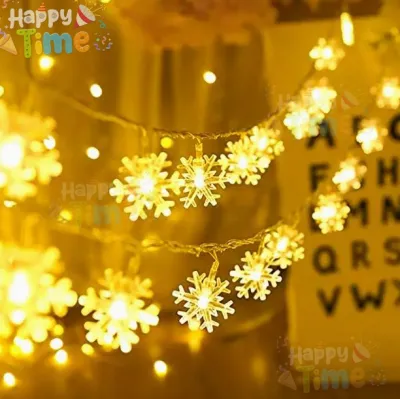
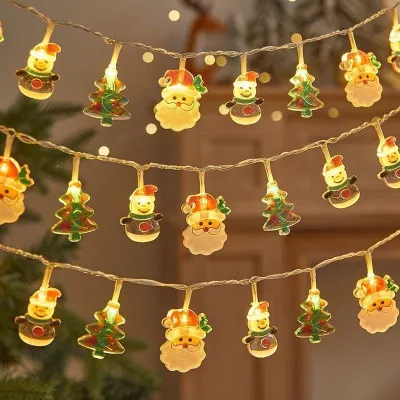
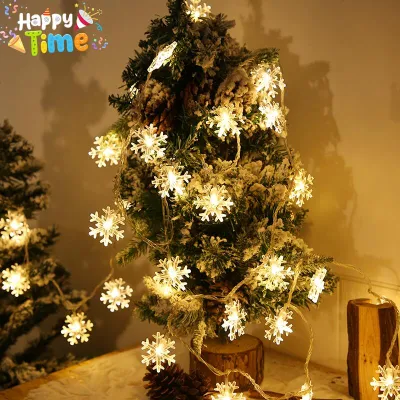
Prices are valid at publication and may change. Please refer to the product page for the latest price.
Color temperature plays a vital role in establishing the mood of your holiday decor. Warm white lights (typically ranging from 2700K to 3000K) evoke a traditional, nostalgic, and cozy atmosphere reminiscent of classic family gatherings. In contrast, cool white lights (5000K to 6500K) deliver a crisp, modern, and snowy aesthetic that pairs well with minimalist or contemporary themes. For a playful, energetic, and kid-friendly environment, multicolor RGB lights provide a vibrant, whimsical charm.
Before making a purchase, always check the product labels for functional features like animation modes, steady-burn options, and dimmability. Some displays benefit from a gentle, slow-fading light pattern, while others require a constant, steady burn to keep the focus on the design details. If you plan to use the lights in a living room or media area, verifying that the system is dimmable allows you to adjust the brightness so it does not interfere with your evening relaxation.
String Lights and Silhouette Projections for Classic Themes
Flexible string lights are incredibly versatile, making them a staple for traditional holiday decorating. You can use them to outline architectural features like window frames, wrap them around indoor columns, or drape them elegantly over a living room mantelpiece. When woven through green garlands, string lights featuring small Santa-shaped bulbs add a layered, classic texture to your home.
For homes where physical floor space is limited, silhouette projections and flat window lights offer an excellent alternative. These devices project a clear, festive Santa image directly onto flat walls, glass doors, or window panes. This approach allows you to create a high-impact visual display without occupying valuable floor space in narrow hallways or compact living areas.
When planning this type of setup, always check the manufacturer’s specifications for the maximum number of connectable strands to prevent overloading the circuit. Additionally, verify the recommended projection distance on the product packaging. Placing a projector too far from the target surface can result in a blurry, distorted image, while placing it too close may shrink the design excessively.
Lighted Figurines and Neon Signs for Focal Points
Three-dimensional lighted figurines serve as excellent visual anchors for larger decorative displays. Placing a bright, illuminated Santa figure in your entryway, on a covered veranda, or beside the Christmas tree instantly draws the eye and establishes a clear festive theme. These standalone pieces work beautifully as the centerpiece of your indoor or outdoor holiday layout.
For a more contemporary or retro-inspired aesthetic, LED neon-style novelty lamps offer a striking alternative. These signs use flexible silicone tubing to mimic traditional glass neon, producing a smooth, concentrated glow. They are highly popular for modern apartments, home offices, or children’s bedrooms, adding a vibrant pop of color without the heat or fragility associated with classic glass neon tubes.
Because these focal pieces are standalone items, you must verify their physical stability and placement safety. Check the base weight of figurines to ensure they will not easily tip over if brushed against by pets or guests. Always measure the included power cord length; a cord that is too short can tempt you to stretch it tightly across a walkway, creating a serious tripping hazard.
Evaluating Placement and Space Requirements
Determining where your Santa Claus LED lights will live is a crucial step in ensuring both visual appeal and operational safety. In tropical climates like the Philippines, where high humidity, sudden afternoon downpours, and warm temperatures are common, checking the environmental rating of your lights is essential. Indoor-only lights must never be exposed to the elements, as moisture can quickly cause short circuits or permanent damage.

To ensure your lights can withstand local weather conditions, read the product labels carefully to identify their Ingress Protection (IP) rating. Lights designated for damp areas are suitable for covered spaces like patios, terraces, or carports, where they are protected from direct rain but exposed to outdoor humidity. For fully exposed areas like open lawns, garden pathways, or exterior walls, look for products explicitly rated for outdoor use (typically IP44 or higher) and verify that they carry local electrical safety certifications.
Key Spatial and Power Checks:
- Measure the Footprint: Ensure large figurines or ground-mounted projectors do not block main walkways, emergency exit paths, or doorways.
- Verify Power Proximity: Identify the nearest safe electrical outlet before positioning your lights to avoid running long cords across high-traffic zones.
- Assess Sightlines: Position window silhouettes and projectors so they are visible to guests and passersby without shining directly into your neighbors' windows.
- Check Surface Compatibility: Ensure walls or glass panels are clean, dry, and structurally sound before mounting heavy suction cups or adhesive hooks.
Electrical Safety and Installation Boundaries
Prioritizing electrical safety prevents hazards like overheating, short circuits, and damage to your home’s electrical system. Before plugging in any holiday lighting—whether it is a newly purchased set or a cherished decoration retrieved from storage—conduct a thorough physical inspection. Examine the entire length of the power cord, the plug prongs, and the controller box for any signs of cracking, fraying, exposed copper wire, or loose connections. If you detect any damage, discard the set immediately rather than attempting a temporary tape repair.
Overloading electrical circuits is a common cause of holiday safety issues. Always calculate the total wattage of your connected light strands and ensure it does not exceed the rating of your extension cords or wall outlets. In the Philippines, standard household outlets operate at 220V; verify that all imported or online-purchased lights are compatible with this voltage rating to prevent immediate damage or fire hazards. Never daisy-chain multiple extension cords together; instead, use a single, properly rated outdoor extension cord for exterior displays.
For complex installations, safety boundaries must be strictly respected. If your holiday vision involves fixed wiring modifications, mounting heavy displays at a significant height, or running power lines through damp outdoor garden areas, always isolate the power source before starting. If the installation requires working at heights on a ladder or handling complex electrical connections, stop and consult a qualified professional electrician to ensure the work is completed safely and in accordance with local electrical codes.
Post-Holiday Storage and Maintenance
Taking the time to properly clean and pack away your Santa Claus LED lights at the end of the season ensures they remain fully functional and beautiful for years to come. Dust, dirt, and tropical humidity can degrade plastic coatings and metal connections if left unaddressed. Before packing, unplug the lights from the power source and wipe down figurines, neon signs, and plastic bulb covers with a dry or slightly damp microfiber cloth, following the manufacturer’s specific care instructions.
Properly handling string lights during teardown prevents internal wire breakage, which is a primary cause of individual bulb failure. Avoid wrapping the cords tightly around your hand and elbow, as this puts excessive tension on the delicate copper wiring inside the insulation. Instead, coil the string lights loosely in a circular pattern, or wrap them around designated plastic spools or clean pieces of cardboard to keep them organized.
Store all your holiday lighting components in sturdy, airtight plastic storage bins rather than cardboard boxes. Cardboard easily absorbs moisture from the air, which can lead to mold growth and corrode metal electrical contacts over the off-season. Keep these storage containers in a cool, dry, and elevated location to protect your investment from pests, high humidity, and accidental physical crushing.
Frequently Asked Questions (FAQ)
Can I mix different brands of Santa LED string lights together?
It is generally not recommended to connect different brands of LED string lights together unless the manufacturer explicitly states they are compatible. Different brands often use varying voltage systems, wire gauges, and connector shapes. Forcing incompatible plugs together or mixing different electrical configurations can cause the lights to flicker, overheat, blow a fuse, or suffer permanent damage. Always check the manufacturer’s instructions for specific connection limits and use only compatible accessories from the same product line.
Do Santa LED lights consume a lot of electricity if left on all night?
LED holiday lights are highly energy-efficient compared to older, traditional incandescent bulbs, consuming up to eighty percent less electricity for the same level of brightness. While their individual power draw is low, leaving them running continuously all night still contributes to your monthly utility bill and subjects the components to unnecessary wear. To manage your energy consumption effectively, use built-in timers, mechanical outlet timers, or smart plugs to automatically turn your Santa displays off during late-night hours when no one is awake to enjoy them.
Community discussion
Share your experience or ask a question. Comments are reviewed before publication.