
Living in a compact condominium in the Philippines often means maximizing every square inch of your bedroom. When space is at a premium, traditional bulky bedside lamps can overwhelm a small nightstand or create unnecessary clutter. A silicone night light offers a soft, squishy, and space-saving alternative that provides just enough ambient glow without crowding your sleeping area. Choosing the right one requires looking closely at its physical footprint, power source, and light output to ensure it complements your layout and lifestyle.
Assessing Space and Placement Needs in Compact Bedrooms
Condo bedrooms in urban areas are known for their efficient, compact layouts. Before purchasing any lighting fixture, grab a measuring tape and assess the exact surface areas available. A typical bedside table in a studio or one-bedroom unit might only have enough room for a phone, a glass of water, and a book. If your nightstand is exceptionally narrow, look for a silicone light with a base diameter of less than ten centimeters, or consider alternative surfaces like floating shelves, headboard ledges, or wide window sills.
Proximity to power outlets is another critical factor. In many condo layouts, wall outlets are placed in specific, sometimes awkward locations that do not align perfectly with your preferred bed placement. If you choose a corded model, map out the path from the outlet to the light. Avoid running cables across high-traffic walkways or narrow passages between the bed and the wardrobe, as loose cords present a tripping hazard in the dark.
Products mentioned in this guide






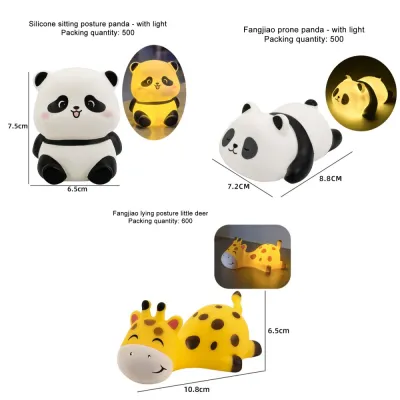
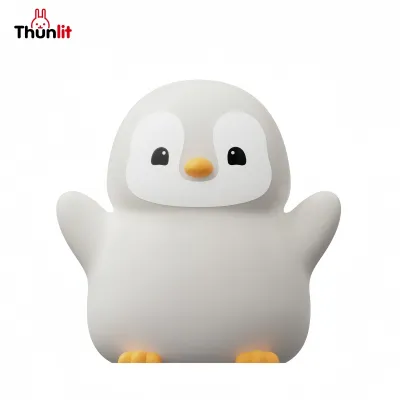
Prices are valid at publication and may change. Please refer to the product page for the latest price.
For spaces where outlets are out of reach, cordless or rechargeable models offer the ultimate placement flexibility. You can set them directly on your mattress corner, a floating shelf above your head, or even hang them if they feature a built-in loop. This flexibility allows you to position the light exactly where you need it for late-night navigation without being restricted by short cords or unsightly extension wires.
Key Features to Look for in Small-Space Silicone Night Lights
When shopping on local ecommerce platforms, the sheer variety of silicone night lights can be overwhelming. To narrow down your choices, prioritize the physical footprint of the base. A compact, stable base ensures the light will not easily tip over if you accidentally bump it in the middle of the night. Look for models with non-slip silicone or rubberized feet that grip smooth laminate or wooden surfaces securely.

Brightness and color temperature are vital for maintaining a healthy sleep environment in a small room. In an enclosed space, harsh white light can bounce off light-colored condo walls, making the entire room feel overly bright and disrupting your body’s natural sleep cycle. Opt for lights that emit a warm, amber, or soft yellow glow, typically around 2200K to 2700K. Adjustable brightness levels or dimming functions are highly beneficial, allowing you to lower the intensity to a faint whisper of light when sleeping, or raise it slightly when preparing for bed.
The debate between rechargeable cordless models and plug-in options comes down to convenience and cable management. Rechargeable lights powered by internal lithium-ion batteries eliminate cable clutter entirely, keeping your bedside looking clean and minimalist. However, they do require periodic charging via a USB port. If you prefer a “set-it-and-forget-it” approach, a plug-in model is ideal, provided you have an available outlet nearby and can conceal the cord behind your furniture.
Control mechanisms significantly impact usability in a tight space. Tap-to-activate controls are incredibly popular for silicone lights; a simple tap on the soft body changes the brightness or turns the unit off, which is much easier to operate in the dark than searching for a tiny inline cord switch. Some advanced models come with small remote controls or built-in sleep timers that automatically turn the light off after 15, 30, or 60 minutes, helping conserve battery life or electricity.
Evaluating Light Diffusion and Ambiance
The primary appeal of a silicone night light is the material itself. Unlike glass or hard plastic, food-grade silicone acts as a natural diffuser, scattering the light evenly in all directions. This diffusion eliminates harsh glare and hot spots, creating a soothing, uniform glow that is gentle on tired eyes. In a small condo bedroom, this soft ambiance helps visually expand the space by softening sharp corners and casting gentle shadows.
If you need a light that serves multiple purposes, such as a gentle night light and a focused reading lamp, pay attention to the design’s directional features. Most silicone lights cast an omnidirectional glow, which is perfect for ambient lighting but less ideal for reading without disturbing a partner sleeping next to you. If reading is a priority, look for models with a semi-shielded design or adjustable heads that allow you to direct the beam downward or toward your book.
Always verify the manufacturer’s specifications for maximum light output, usually measured in lumens. For a small condo bedroom, a night light emitting between 5 to 50 lumens is generally sufficient. Anything higher can make a compact room feel like a workspace rather than a sanctuary. Checking these specifications beforehand prevents the disappointment of purchasing a light that is either too dim to be useful or too bright to sleep near.
Safety, Heat, and Material Care
Safety is paramount when introducing any electrical device into a confined sleeping area. Because silicone night lights are often placed close to bedding, pillows, or curtains, you must verify their heat dissipation properties. High-quality models utilize low-wattage light-emitting diodes (LEDs) that generate virtually no heat, even after hours of continuous operation. Always check the product manual to confirm that the light remains cool to the touch during use.
Electrical safety standards are another crucial consideration for homes in the Philippines. Ensure that any plug-in adapter or charging cable matches the standard household voltage of 220V at 60Hz. Look for recognized safety markings, such as the Philippine Standard (PS) mark or Import Commodity Clearance (ICC) sticker on the packaging or power adapter, to verify that the device has undergone proper safety testing.
The tropical climate of the Philippines, characterized by high humidity and dust, means that silicone surfaces can quickly become sticky or attract lint. Regular maintenance is necessary to keep the light looking clean and functioning well. Before cleaning, always power off the device and unplug it from any electrical outlet or charging cable. Wipe the silicone exterior with a soft, slightly damp microfiber cloth. Avoid using harsh chemical solvents, abrasive pads, or submerging the electrical base in water, as this can permanently damage the internal circuitry.
Frequently Asked Questions (FAQ)
Can I leave a silicone night light on all night in a small bedroom?
Yes, you can generally leave a silicone night light on all night, provided it uses an energy-efficient LED light source and is certified for continuous operation. LEDs generate minimal heat, making them safe to run for extended periods in compact spaces. However, it is always best to consult the manufacturer’s guidelines regarding continuous use. To save energy and prolong the lifespan of rechargeable batteries, consider utilizing the built-in auto-shutoff timers if your model has them.
Are rechargeable silicone night lights bright enough for reading in bed?
Most silicone night lights are designed primarily for ambient, low-intensity mood lighting rather than focused task work. While some models offer adjustable brightness levels that can help you see nearby objects, they typically do not provide the concentrated, directional beam required for comfortable, strain-free reading. If you enjoy reading in bed, check the lumen specifications of the light; you may need a dedicated reading lamp or a hybrid model that offers a higher-lumen directional setting alongside its soft ambient glow.
How do I clean a silicone night light without damaging the material?
To clean your silicone night light safely, first turn off the power and disconnect any charging cables or power adapters. Use a soft, lint-free cloth lightly moistened with plain water or a very mild, diluted soap solution to gently wipe away dust, fingerprints, and smudges. Never use alcohol, bleach, or abrasive cleaners, as these can degrade the silicone material over time. Ensure the entire unit is completely dry before plugging it back in or turning it on.
Community discussion
Share your experience or ask a question. Comments are reviewed before publication.