
Displaying angel decor and figurines on small shelves adds elegance to a room, but narrow ledges require careful planning to prevent accidental damage. Choosing the right size and base involves balancing aesthetic scale with physical stability. To ensure your figurine remains secure, you must evaluate the shelf’s physical dimensions, select a base shape that maximizes contact with the surface, and choose materials that match the load-bearing capacity of your shelving. By prioritizing a low center of gravity and leaving adequate clearance, you can create a beautiful, worry-free display.
Measuring Your Small Shelf for Display
Before purchasing any angel decor and figurines, accurate measurements of your display space are essential. Measure the usable depth of the shelf from the back wall to the front edge. Many decorative shelves feature beveled edges or molding that reduces the actual flat surface area, so measure only the completely flat portion where a figurine’s base can sit securely. Also, measure the total width and vertical clearance, accounting for overhead obstacles like light fixtures or the bottom of the shelf directly above.
Establishing a designated “safe zone” is a critical step in preventing accidental bumps. Ideally, a figurine should sit at least one to two centimeters away from the front edge of the shelf. This buffer zone ensures that minor contact from a passing sleeve or a hand reaching for another item will not immediately send the piece tumbling.
Products mentioned in this guide
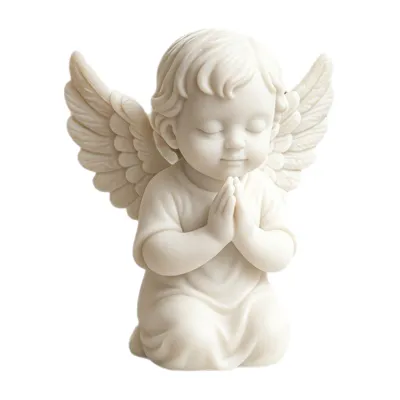
8 Lazada user ratings
💰Price:pretty cheap 🎨Design:slightly different from what is being advertised in terms of the design (the photo being advertised might be enh…Read full reviewShow less
💰Price:pretty cheap 🎨Design:slightly different from what is being advertised in terms of the design (the photo being advertised might be enhanced by ai, idk). also the color, it is pure white unlike in the photo which is cream/dirty white. but it is okay. what i don't like though is the rough edges. it would have been passable if not for the rough edges from being 3d printed. 🛠️Material:plastic
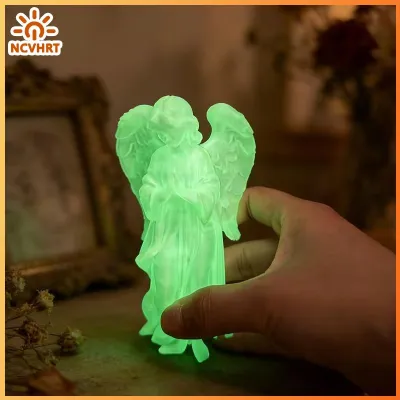
5 Lazada user ratings
All goods price, design and material
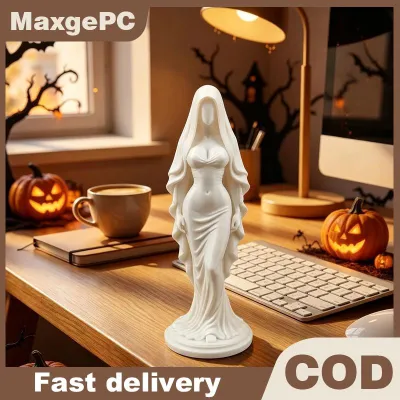
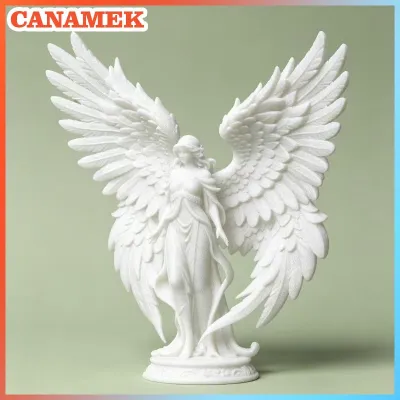
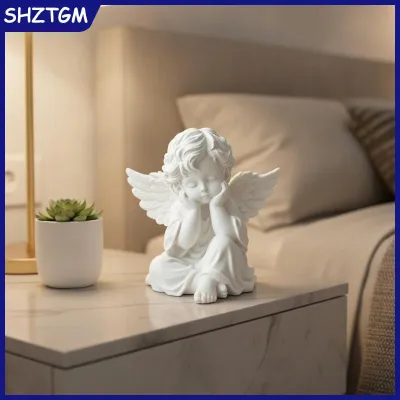
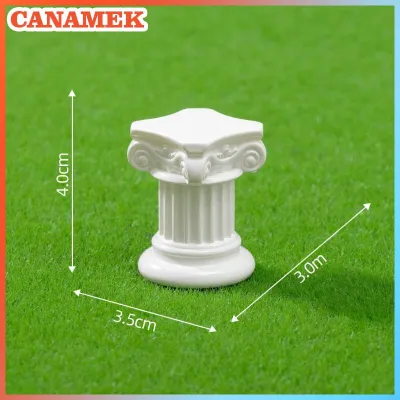
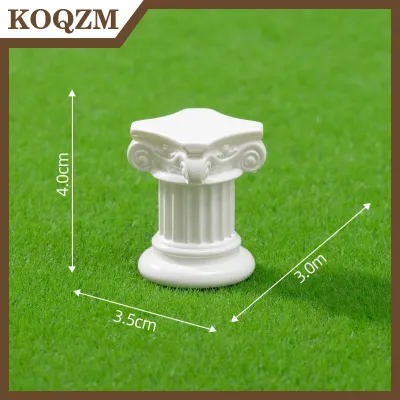
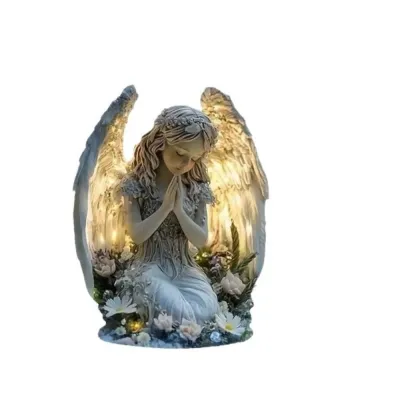
Prices are valid at publication and may change. Please refer to the product page for the latest price.
Additionally, inspect the shelf for structural issues. Check for any slight slope or unevenness using a small bubble level, as even a minor tilt can cause a tall, narrow figurine to slide or tip over time. Consider environmental factors like vibrations from shared walls, heavy doors, or nearby appliances, which may require extra precautions to anchor the figurine’s base securely.
Proportion and Scale: Matching the Figurine to the Space
Achieving visual harmony on a small shelf requires a careful understanding of proportion and scale. A figurine that is too large will make the shelf look cramped and top-heavy, while a piece that is too small may get lost among other decor. To evaluate the visual weight of your angel figurine, leave ample negative space—the empty area around the object—above and beside the piece. As a general guideline, the height of the figurine should not exceed two-thirds of the total vertical clearance of the shelf, allowing the design to breathe.

The ideal size also depends on whether the angel figurine stands alone or as part of a curated group. If the figurine is the sole focal point, you can choose a slightly larger, more detailed piece. However, if you plan to group it with other items like candles, books, or small plants, select a smaller figurine to avoid visual clutter. When styling a group, vary the heights of your objects to create an appealing, tiered display.
Visual anchors help ground your decor within a constrained space. A small, sturdy book placed flat on the shelf can serve as an excellent riser for a lightweight angel figurine, adding height variation while maintaining stability. Ensure the platform is completely flat and wide enough to accommodate the entire base of the figurine without any overhang.
Base Stability: Preventing Tips and Falls on Narrow Ledges
The design of a figurine’s base is the single most important factor in preventing tips and falls on narrow ledges. When evaluating angel decor and figurines, pay close attention to the base-to-height ratio. A tall figurine with a very narrow base has a high center of gravity, making it highly susceptible to tipping. For small or shallow shelves, look for figurines that feature a wide, flat footprint relative to their height. A broader base distributes the weight more evenly and provides greater resistance against accidental lateral forces.
Different footprint shapes offer distinct advantages. Circular bases are versatile and easy to position, while rectangular or square bases maximize the contact area on shallow ledges, aligning neatly with the shelf edges to provide excellent stability. Whichever shape you choose, inspect the bottom of the figurine before placement to ensure it is completely flat, unwarped, and free of manufacturing defects like uneven ceramic glaze or rough resin bumps.
For smooth or slippery surfaces such as glass, polished wood, or metal shelves, adding protective barriers is a smart preventive measure. Applying small, self-adhesive silicone or felt pads to the bottom of the base prevents sliding and protects both the figurine and the shelf from scratches. On exceptionally narrow or high-risk ledges, temporary stabilizers like museum wax or clear removable gel can be applied to the base to secure the figurine firmly in place without causing permanent damage.
Material and Weight Considerations for Compact Spaces
The material of your angel figurine directly influences both its stability and its suitability for different types of shelving. Lightweight materials, such as hollow resin, carved wood, or thin plastics, exert very little pressure on delicate floating shelves or glass ledges. However, because they lack physical mass, lightweight figurines are easily displaced by drafts, pets, or sudden vibrations. If you select a lightweight piece, you may need to rely on adhesive stabilizers to keep it secure.
Conversely, heavier materials like solid ceramic, porcelain, stone, or cast metal offer excellent natural stability due to their weight. These pieces are much harder to knock over, making them ideal for households with active pets or high foot traffic. However, you must verify that your shelf’s weight capacity can safely support these heavier items, especially if the shelf is mounted with adhesive strips rather than wall anchors. Always check the manufacturer’s specifications for both the shelf’s load limit and the figurine’s weight before finalizing your display.
Weight distribution is another critical factor, particularly for angel figurines which often feature prominent wings, halos, or outstretched arms. These decorative elements can make the figurine top-heavy or back-heavy, shifting the center of gravity away from the center of the base. If the wings extend far beyond the footprint of the base, the piece is inherently more vulnerable to tipping backward if bumped, requiring a wider base or additional anchoring to remain upright.
Common Sizing and Placement Mistakes to Avoid
One of the most common mistakes when decorating small shelves is ignoring the actual depth of the shelf, which leads to purchasing figurines that overhang the edge. Even a minor overhang of a few millimeters compromises the structural balance of the piece and increases the risk of it being snagged by passing clothing or cleaning cloths. Always ensure the entire base sits fully within the flat boundaries of the shelf surface.
Overcrowding is another frequent error that compromises both safety and aesthetics. Cramming too many decorative items onto a single narrow shelf not only creates visual chaos but also increases the likelihood of a domino effect. If one item is accidentally nudged, it can easily knock into adjacent pieces, resulting in multiple broken items. Maintain a clear gap of at least a few centimeters between your angel figurine and neighboring decor to ensure each piece can be handled or cleaned safely.
Finally, avoid placing top-heavy or delicate figurines in high-traffic areas, near open windows where strong drafts occur, or on furniture that vibrates frequently, such as next to a washing machine or a frequently slammed door. If you must display a figurine in these zones, always take the time to secure the base with non-slip pads or museum wax. Taking these simple precautions will preserve your beautiful angel decor and keep your display space looking pristine.
Frequently Asked Questions (FAQ)
Can I use adhesive putty to secure an angel figurine on a small shelf?
Yes, temporary adhesives like museum wax, mounting putty, or clear gel are excellent options for securing lightweight angel figurines on narrow shelves. These products provide a strong grip that prevents sliding and tipping caused by vibrations or minor bumps. However, before applying any adhesive, check the compatibility of the product with both the figurine’s base and the shelf’s surface finish. Some oil-based putties can leave permanent stains on unsealed wood, porous stone, or delicate painted finishes. Always follow the manufacturer’s instructions for application and safe removal to avoid stripping away paint or protective glazes.
What is a safe way to clean an angel figurine displayed on a tight shelf?
To clean an angel figurine safely in a restricted space, use a soft-bristled makeup brush, a small paintbrush, or a clean microfiber cloth to gently sweep away dust without applying lateral pressure. Applying too much force while dusting can easily cause a figurine to tip over on a narrow shelf. If the display space is exceptionally tight or if the figurine requires a deeper clean, carefully lift the piece off the shelf and clean it on a flat, stable surface like a table. Avoid using harsh chemical cleaners, abrasive pads, or excessive water, as these can damage delicate hand-painted details, gold leaf accents, or the protective finish on the base.
Community discussion
Share your experience or ask a question. Comments are reviewed before publication.