
Choosing a garden fountain water falls feature requires balancing your outdoor space’s physical dimensions, architectural style, and local environmental conditions. The ideal choice depends on measuring your available footprint, verifying structural load capacities, and matching the fountain’s water volume and material to your specific environment. Whether you are decorating a high-rise balcony in an urban center or a sprawling garden in a suburban estate, selecting the correct size prevents splashing issues, while choosing the right style ensures visual cohesion.
Assessing Your Outdoor Space and Fountain Dimensions
To find the perfect fountain water falls setup, you must first measure the physical boundaries of your designated installation area. Use a tape measure to record the exact length, width, and vertical clearance of the space. Do not rely on visual estimation, as water features often appear smaller in open showrooms than they do when placed in a restricted residential garden or patio.
You must also account for what landscape designers call the “splash zone.” This is the radial area around the fountain where water droplets naturally land due to splashing or wind drift. In open, breezy areas or elevated balconies, wind can carry fine mist far beyond the basin, potentially dampening nearby walls, wooden furniture, or electrical outlets. A good rule of thumb is to allow a splash clearance zone that is at least equal to the total height of the waterfall drop.
Products mentioned in this guide
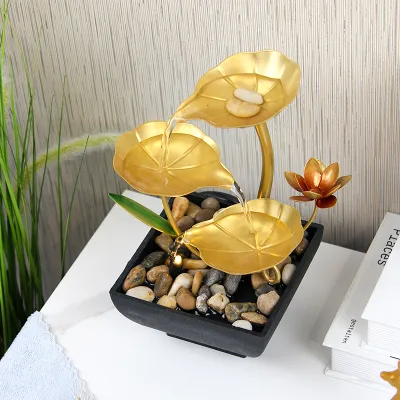
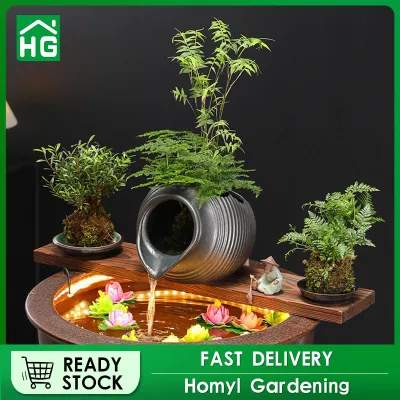
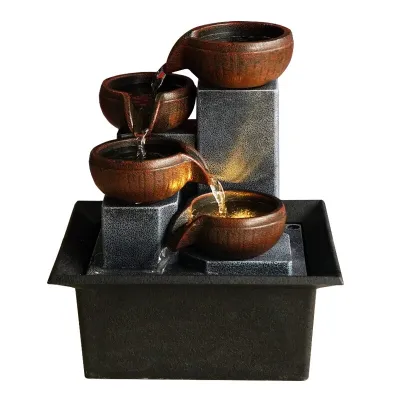
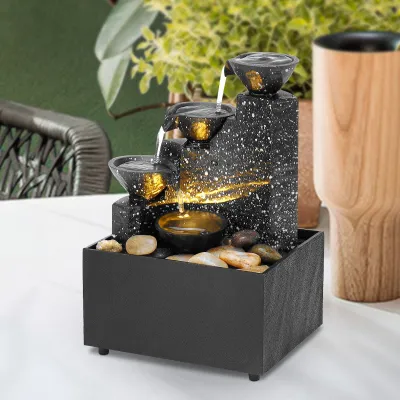
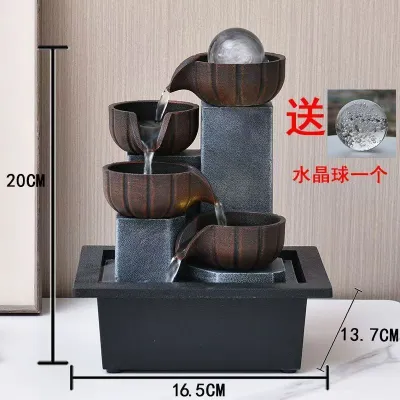
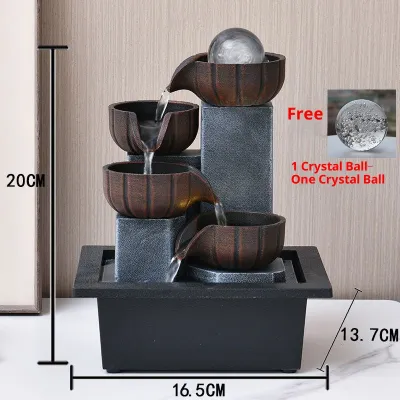
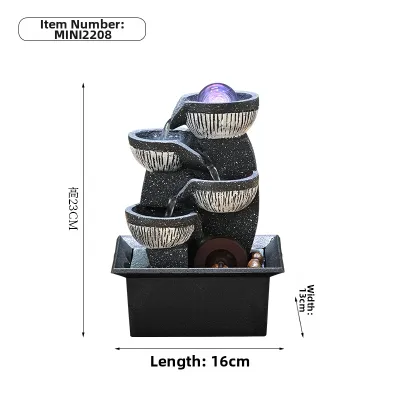
Prices are valid at publication and may change. Please refer to the product page for the latest price.
Pathway clearance is another critical spatial factor. Ensure that the outer edge of the fountain basin does not obstruct walking routes, emergency exits, or door swings. In smaller yards, a fountain that juts into a walkway forces guests to navigate tight corners, which compromises safety and comfort.
Finally, if you plan to install a fountain on an elevated structure, such as a balcony or a raised wooden deck, you must calculate the total wet weight of the unit. This includes the dry weight of the fountain material plus the weight of the water when the basin is filled to capacity. Water weighs approximately 1 kilogram per liter, meaning a medium-sized fountain holding 50 liters of water adds an extra 50 kilograms of load, excluding the heavy stone or concrete structure itself. Always check building regulations and structural weight limits before placing heavy features on suspended surfaces.
Small Spaces: Balconies, Patios, and Compact Corners
In compact outdoor spaces like urban balconies, townhouse patios, or small garden alcoves, floor space is at a premium. For these areas, space-saving designs such as wall-mounted, half-round, or corner fountain water falls systems are highly effective. These styles hug the perimeter of your space, utilizing vertical wall areas while leaving the central floor free for seating, movement, or small potted planters.

Material selection is crucial when weight and mobility are primary concerns. Heavy materials like solid granite or cast concrete are generally impractical for elevated balconies or small patios. Instead, opt for lightweight alternatives such as high-grade resin, fiberglass, or polyresin. These engineered composites mimic the natural texture of stone or clay but are easy to transport and reposition. Before purchasing, verify that the product label explicitly states the material is UV-resistant and weather-resistant to withstand intense tropical sun and heavy rain without cracking or fading.
Stylistically, minimalist, modern, or sleek geometric designs work best in small areas. Clean lines and simple water paths complement contemporary patio furniture and neat rows of foliage without creating visual clutter. A busy, highly ornate fountain can easily overwhelm a small space, making the entire area feel cramped.
Furthermore, pay close attention to the manufacturer’s specified water capacity and pump noise levels. In confined spaces, the sound of falling water is amplified by surrounding walls. A pump that is too loud or a water flow that is too aggressive can disrupt conversation and turn a relaxing feature into an annoying distraction. Look for adjustable-flow pumps that allow you to fine-tune the water sound to a gentle, soothing trickle.
Medium Spaces: Integrating a Fountain Water Falls in Courtyards and Backyards
Medium-sized spaces, such as suburban backyards, open courtyards, or paved garden patios, offer more flexibility for freestanding water features. In these settings, a freestanding, tiered, or pedestal-style fountain water falls design acts as an excellent focal point. These self-contained units can be positioned in the center of a lawn, at the intersection of garden paths, or nested within a medium-sized flower bed.
When selecting a style, aim for visual harmony with your existing outdoor decor and landscaping. If your garden features traditional clay planters, lush tropical ferns, and warm wooden accents, a rustic stone-look or classical tiered fountain will blend seamlessly. For modern homes with clean architectural lines, concrete finishes, and minimalist landscaping, a contemporary sphere fountain or a sleek slate panel waterfall provides a striking, cohesive look.
Material durability becomes highly important in open, medium-sized yards that are exposed to the elements. Cast stone, concrete, and heavy-duty composite materials are excellent choices because they offer the weight and stability required to withstand strong winds during tropical storms. However, because these materials are heavy, they require a solid, perfectly level base to prevent shifting or cracking over time.
Proportion is key to successful integration in medium spaces. The fountain should be large enough to be clearly visible from main seating areas, such as a veranda or gazebo, but not so dominant that it crowds out surrounding plants or outdoor furniture. Ensure there is a comfortable buffer zone around the fountain, allowing guests to walk completely around it or sit nearby without getting sprayed by drifting mist.
Large Spaces: Expansive Gardens and Landscapes
For expansive lawns, estate gardens, and large landscaped properties, small or medium fountains will appear disproportionately small and lost in the landscape. Large-scale spaces demand substantial water features, such as multi-tiered estate fountains, wide-basin rock waterfalls, or pondless fountain water falls kits. Pondless designs, where water cascades over natural stones and disappears into an underground gravel-filled basin, are particularly popular for creating a natural stream-like appearance while keeping maintenance manageable.
Operating a large-scale water feature requires a high-capacity pump to maintain an impressive and consistent water flow over wide drops and multiple tiers. When shopping for a large fountain, check the manufacturer’s product label for the flow rate, usually measured in liters per hour (LPH) or gallons per hour (GPH), as well as the maximum head height (how high the pump can push water). A pump that is underpowered will result in a weak, disappointing trickle rather than a dramatic cascade.
Placement strategies in large gardens should focus on creating visual destinations. Position the fountain at the end of a major visual axis, such as a long garden path or a view framed by large trees, to draw the eye and guide visitors through the landscape. Placing the fountain near an outdoor dining pavilion or a central fire pit area also establishes a natural gathering point for entertaining.
To maximize the visual impact of your water feature after dark, consider integrating outdoor lighting. Low-voltage LED spotlights positioned within the basin or aimed at the cascading water can create stunning reflections. Ensure that any lighting fixtures, cables, and connectors used are explicitly rated for wet or underwater locations (look for an IP68 rating) to guarantee safety and long-term durability in wet environments.
Installation, Power, and Safety Considerations
Installing an outdoor waterfall fountain involves important electrical, structural, and safety protocols that must be followed carefully to protect your property and family.
Electrical Safety and Power Access All outdoor fountain pumps and lighting systems must be connected to a Ground Fault Circuit Interrupter (GFCI) protected outlet. This safety device instantly cuts off electrical power if an electrical short or water ingress is detected, preventing severe shocks. Never run standard indoor extension cords across walkways or lawns, as they are not designed to withstand moisture, foot traffic, or UV exposure. Verify the voltage (typically 220V in the Philippines), base/interface compatibility, wattage limits, and electrical certifications on the pump and lighting before use. For permanent installations, use outdoor-rated, UV-resistant cables buried at the appropriate depth, or hire a qualified, licensed electrician to install a dedicated outdoor outlet near your fountain site. Always isolate the power supply before performing any maintenance, cleaning, or handling of the pump.
Base Leveling and Weight Support A stable, flat, and level foundation is absolutely critical for any fountain water falls installation. If the base is uneven, water will flow disproportionately over one side, leaving other areas dry and putting uneven strain on the pump, which can cause it to burn out prematurely. For medium to large stone or concrete fountains, prepare a solid foundation by clearing the soil, compacting a layer of gravel, and laying heavy paving stones or pouring a concrete pad. For smaller lightweight fountains, ensure the patio tiles or deck boards are perfectly flat and show no signs of sagging.
Weatherproofing and Climate Care In tropical regions, outdoor fountains are exposed to intense sun, high humidity, and torrential seasonal rains. Check the manufacturer’s care instructions for specific guidelines on managing heavy water accumulation. During heavy downpours, the water level in your fountain basin can rise rapidly, potentially submerging electrical connections that are not designed for full submersion. Ensure your fountain has an adequate overflow drainage path, and clear any fallen leaves, twigs, or debris from the basin regularly to prevent the pump intake from becoming clogged.
Common Sizing and Placement Mistakes to Avoid
Avoiding common pitfalls during the planning phase will save you time, money, and maintenance headaches later on.
- Ignoring the Splash Zone: Placing a fountain too close to wooden deck furniture, painted walls, or delicate potted plants can lead to moisture damage, wood rot, unsightly water stains, or soil erosion in nearby garden beds.
- Focusing Only on Height: Many homeowners select a fountain based solely on how tall it is, ignoring the width of the basin. The basin width determines the overall footprint, the amount of water the system can hold, and how effectively it catches falling water to prevent rapid evaporation or splashing.
- Neighbor Disturbance: While the sound of cascading water is relaxing to you, placing a loud, high-volume waterfall fountain directly against a shared property line or close to a neighbor's bedroom window can lead to noise complaints. Test the water flow volume and position the fountain where the sound is buffered by foliage or structural walls.
- Overloading Elevated Decks: Never place a heavy concrete or stone fountain on a wooden deck without verifying the load capacity of the supporting joists. If you are unsure of the structural limits, choose a lightweight fiberglass or resin model, or consult a professional builder to reinforce the deck structure.
Frequently Asked Questions (FAQ)
How do I protect my waterfall fountain during the heavy rainy season?
While outdoor fountains are built to withstand rain, heavy tropical downpours can cause basins to overflow, wash away water treatments, and fill the reservoir with leaves and debris. Check the manufacturer’s guidelines to ensure your pump is fully submersible and can handle temporary water level rises. During severe storms or typhoons, disconnect the power supply, clear the basin of debris, and cover the fountain with a fitted, breathable, waterproof outdoor cover to protect the structure and electrical components from windblown debris.
Can I install a large waterfall fountain on a raised wooden deck?
Installing a large, heavy stone or concrete waterfall fountain on a raised wooden deck is generally not recommended without structural reinforcement. The combined weight of the fountain material and the water can easily exceed standard deck load limits, leading to structural sagging or collapse. If you wish to place a water feature on a deck, consult a structural engineer or qualified contractor to verify the joist spacing and weight capacity first. Alternatively, choose a lightweight fiberglass or resin fountain, ensure the base is perfectly level, and monitor the splash zone to prevent water from pooling and causing wood rot.
Community discussion
Share your experience or ask a question. Comments are reviewed before publication.