
Choosing the right size oval mirror for a small bedroom or living room requires balancing the physical dimensions of your wall with the scale of your existing furniture. In compact spaces, an oval mirror serves as a powerful design tool to soften sharp architectural lines, bounce natural light, and create an illusion of depth. To achieve this without overwhelming the room, the mirror should generally span between 50% and 75% of the width of the furniture piece directly below it, while leaving sufficient breathing room on all sides.
In the Philippines, where urban apartments and condominiums often feature compact layouts, maximizing vertical space is essential. An oval shape is particularly advantageous because its curved edges draw the eye upward, making low ceilings feel higher while occupying less visual weight than a rectangular alternative. Selecting the ideal dimensions involves careful measurement, an understanding of visual proportions, and a clear plan for safe installation.
Assessing Your Wall Space and Room Proportions
Before purchasing an oval mirror, you must accurately measure the specific wall area where you plan to hang it. Use a reliable measuring tape to record both the total width and height of the blank wall space, taking note of any permanent architectural features. Windows, doorways, light switches, wall-mounted air conditioning units, and electrical outlets all establish physical boundaries that your mirror must not obstruct.
Products mentioned in this guide
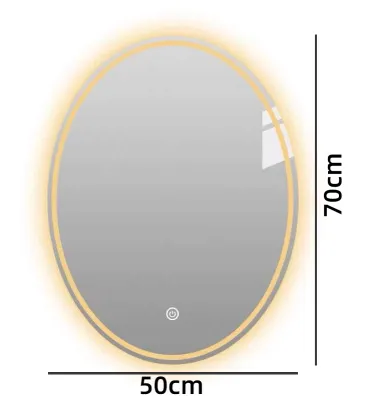
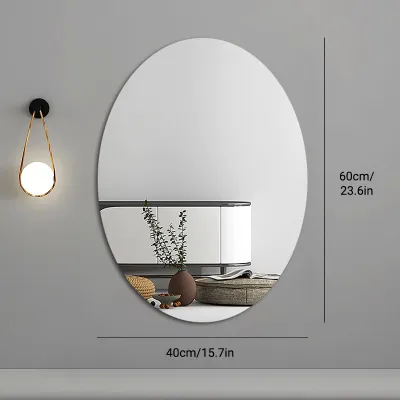
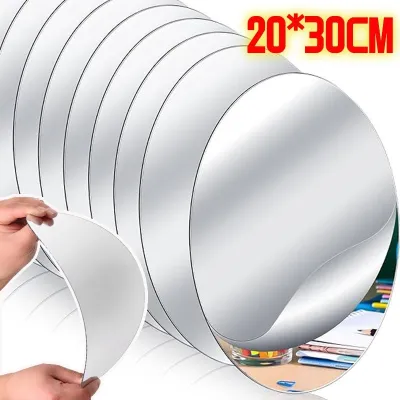
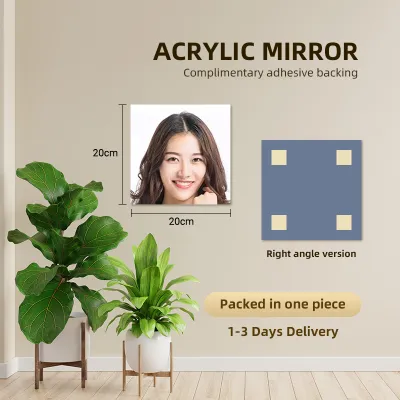
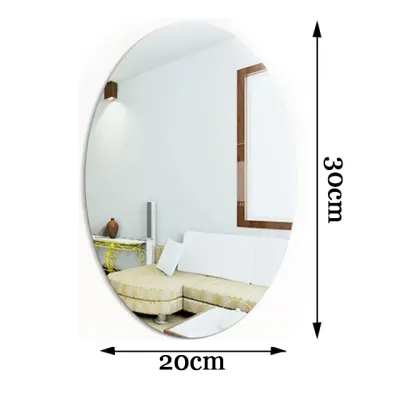
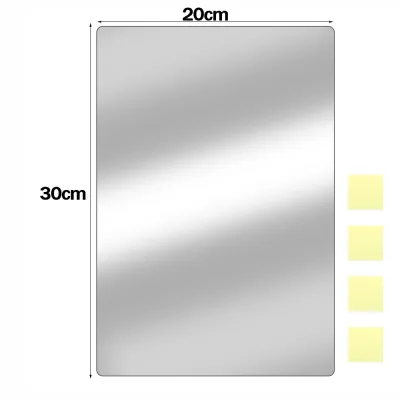
Prices are valid at publication and may change. Please refer to the product page for the latest price.
The visual weight of the mirror should harmonize with the room’s overall square footage and ceiling height. A massive mirror in a tiny room with low ceilings can feel physically oppressive, while a tiny mirror on a tall, expansive wall will look disconnected and lost. To maintain a balanced aesthetic, aim to leave a clear border of exposed wall around the mirror’s perimeter.
Establishing a minimum visual clearance of at least 10 to 15 centimeters from the edges of the mirror to adjacent walls, trim, or furniture is a reliable rule of thumb. This buffer zone prevents the wall from looking cluttered and ensures the oval shape remains distinct. If your wall space is highly restricted, a narrower oval mirror with a higher vertical aspect ratio can provide the desired reflective benefits without crowding nearby fixtures.
Sizing Strategies for Small Bedrooms
In a compact bedroom, an oval mirror is frequently positioned above a dresser, a vanity table, or a pair of nightstands. To maintain visual balance, the width of the mirror should never exceed the width of the furniture below it. A mirror that is roughly two-thirds to three-quarters the width of your dresser creates a grounded, stable composition that feels intentional rather than accidental.

If you are installing a full-length oval mirror to assist with daily dressing, you must evaluate your floor-to-ceiling height alongside your physical clearance. Full-length mirrors need to be tall enough to capture your entire figure from a reasonable standing distance, which typically requires a height of at least 120 to 150 centimeters. Ensure there is enough open floor space in front of the mirror so you can step back comfortably without bumping into the bed frame or wardrobe.
The thickness and material of the mirror’s frame also play a significant role in how its scale is perceived in a small bedroom. Thick, ornate wooden or heavy metal frames add substantial visual weight and reduce the actual reflective surface area of the glass. For small bedrooms, consider thin, minimalist metal frames or even frameless beveled-edge oval mirrors, which maximize light reflection and blend seamlessly into the background. In humid tropical climates, verify that the frame material and backing are moisture-resistant to prevent warping or silvering degradation over time.
Sizing Strategies for Compact Living Areas
In a small living room, an oval mirror often serves as a primary focal point, positioned above a sofa, a console table, or a decorative shelf. When hanging a mirror above a sofa, aim for a width that is approximately two-thirds of the sofa’s total length to anchor the seating area. If you are placing it above a console table in an entryway or narrow hallway, matching the mirror’s width to the table’s proportions creates a clean, symmetrical look.
Strategic positioning is key to maximizing the space-enhancing effects of your oval mirror. Mount the mirror on a wall that directly reflects a natural light source, such as a window or a balcony door, to bounce daylight deep into the living area. Avoid positioning the mirror where it will primarily reflect cluttered storage shelves, dark corners, or utility areas, as this will only double the visual clutter of the room.
You should also adjust the scale of the mirror based on the average viewing distance from your primary seating area. If the sofa is positioned directly opposite the mirror, a slightly larger oval mirror can create a comfortable, expansive view that makes the entire room feel wider. However, if the viewing distance is very short, such as in a narrow pass-through living room, a moderately sized mirror is preferable to prevent the reflection from feeling too immediate or distracting during daily activities.
Installation Clearances and Weight Safety
Before mounting your chosen oval mirror, you must verify the structural integrity of your wall and select the appropriate mounting hardware. In the Philippines, residential walls are commonly constructed from solid concrete, hollow blocks, or drywall over light-gauge steel studs. Heavy mirrors require specialized wall anchors, such as masonry plugs for concrete or toggle bolts for drywall, to prevent the mirror from pulling free and falling.
Always consult the manufacturer’s installation instructions to identify the specific hanging hardware required and to verify the mirror’s total weight limit. Many oval mirrors come equipped with pre-installed D-rings or a wire hanging system on the backboard. Ensure that your wall hooks or screws are rated to support at least double the actual weight of the mirror to provide a safe margin of security.
If your chosen mirror is exceptionally heavy, features integrated LED lighting requiring fixed electrical wiring, or if you are uncertain about the location of hidden utility pipes and electrical conduits behind the wall, stop the DIY process immediately. In these scenarios, hiring a qualified professional installer or electrician ensures that the mirror is mounted safely without damaging your home’s infrastructure or compromising personal safety.
Common Sizing and Placement Mistakes
One of the most frequent errors in small-space design is choosing an oval mirror that is far too small for the wall. A tiny mirror hung in isolation on a large wall segment fails to bounce enough light to make a difference and often looks like an afterthought. If you have a small mirror you wish to use, balance its scale by grouping it with small framed prints or placing it closely above a small accent table.
Conversely, an oversized oval mirror can easily dominate a compact room if its proportions are not carefully managed. When a mirror is too large for the wall, it can create a disorienting wall-of-glass effect that makes the room feel unstable or overly exposed rather than open and airy. Keeping the mirror’s dimensions within the recommended furniture-width ratios prevents this visual imbalance.
Improper hanging height is another common mistake that diminishes the effectiveness of an oval mirror. A mirror should be hung so that its visual center point aligns closely with the average eye level of a standing person, which is typically around 150 centimeters from the floor. In dining or seating areas, you may adjust this slightly lower so that the reflection remains comfortable and natural while guests are seated.
Frequently Asked Questions (FAQ)
Can an oversized oval mirror work in a very small room?
Yes, an oversized oval mirror can work beautifully in a very small room, provided you maintain adequate physical walking clearance and keep the surrounding decor minimalist. To make a large mirror functional in a tight space, position it where it can capture and reflect abundant natural light from an adjacent window. Avoid placing large furniture directly in front of it, and ensure the frame is thin or frameless so the mirror blends into the wall rather than crowding the limited floor area.
Should the mirror be wider or narrower than the furniture below it?
As a general rule, the mirror should always be narrower than the furniture piece positioned directly below it. Keeping the mirror’s width to approximately 60% to 80% of the furniture’s width creates a visually stable, pyramid-like composition where the heavier piece anchors the wall. The only common exceptions are when you are intentionally creating a floor-to-ceiling vertical accent strip, or when architectural features like narrow alcoves dictate a custom, flush-fit layout.

Community discussion
Share your experience or ask a question. Comments are reviewed before publication.