
Transforming a small condo balcony into a cozy evening retreat relies heavily on the right lighting. Solar lights offer an ideal, energy-efficient solution that requires no outdoor electrical outlets or complex wiring. To find the best options for a compact space, you must balance the physical limits of your balcony with the specific charging conditions of your building’s exterior. The ideal setup maximizes ambient glow without cluttering your limited floor area or violating condominium association rules.
Assessing Your Balcony Space and Condo Restrictions
In typical urban condominium developments, balconies are often compact, ranging from two to five square meters. This limited footprint means that every square centimeter of floor space is highly valuable for seating and plants. Before purchasing any solar fixtures, take precise measurements of your balcony’s physical dimensions. Use a tape measure to record the usable floor area, the width and thickness of the railings, and the height of any available vertical wall space. In a compact layout, oversized fixtures can quickly make a small outdoor area feel cramped and unusable.
Review your condominium corporation’s house rules and deed of restrictions thoroughly before planning your installation. Many high-rise developments strictly prohibit drilling into exterior walls, columns, or ceilings, as this can compromise waterproofing membranes or structural integrity. Additionally, rules often forbid hanging items loosely over railings due to the safety hazard of falling objects during high winds or tropical storms. Understanding these boundaries beforehand prevents you from buying fixtures you cannot legally or safely install.
Products mentioned in this guide
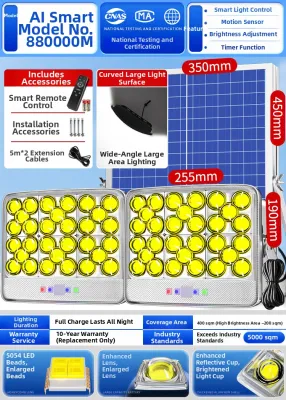
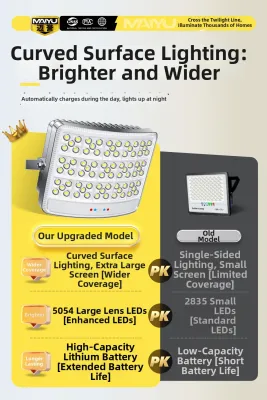
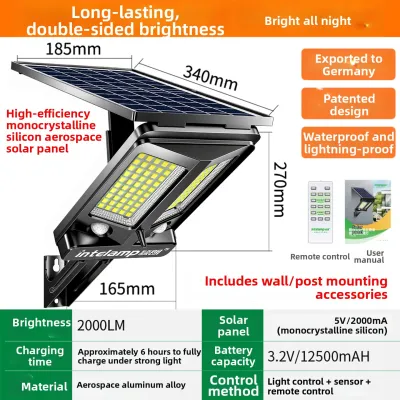
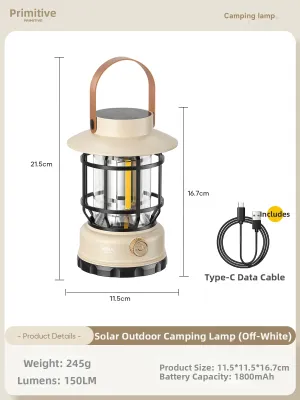
Prices are valid at publication and may change. Please refer to the product page for the latest price.
Understanding your balcony’s daily sun exposure is critical for solar-powered lighting. Observe your outdoor space at different times of the day to map out where the sunlight actually hits and for how long. Because condo balconies are often recessed or shaded by neighboring towers, you may only receive direct sunlight for a few hours in the morning or afternoon. This exposure pattern dictates where you must position your solar panels for optimal charging.
Space-Saving Solar Light Styles for Small Balconies
When floor space is at a premium, mounting your lights on existing structures is the most efficient way to create a warm atmosphere. Railing-mounted solar lights, clip-on fixtures, and strap-based designs are excellent choices for narrow ledges. These options secure directly to the balcony balustrade without requiring permanent alterations or taking up valuable foot room. They cast light downward onto the balcony floor, creating a safe and beautifully illuminated pathway.

For vertical surfaces, consider lightweight solar wall sconces or decorative disk lights that can be mounted using heavy-duty, outdoor-rated adhesive strips or mounting tape. This approach allows you to utilize empty wall space without violating no-drill policies. Ensure the adhesive is rated for high humidity and outdoor temperatures to prevent the fixtures from falling and breaking. It is also wise to choose fixtures with a flat back to maximize the contact area for the adhesive.
Overhead string lights or hanging solar lanterns can add a dramatic sense of depth and height to a small balcony. When installing these, always check the weight limits of your hanging anchors and the overall ceiling height. Use lightweight plastic bulbs instead of heavy glass ones to minimize tension on your support lines and reduce the risk of shattering during windy weather. Secure the strings tightly to prevent them from swaying excessively and hitting the building facade during storms.
If you have a corner or a small section of floor that does not interfere with your walkway, compact floor lanterns or low-profile stake lights placed in planters can add layers to your lighting design. Avoid placing large, bulky path lights in the middle of the balcony where they can become tripping hazards. Instead, tuck small accent lights into the corners to make the boundaries of the space feel wider. Placing solar stake lights directly into the soil of potted plants is an excellent way to blend greenery with ambient illumination.
Selecting Ambiance and Durability Features
Creating a relaxing outdoor ambiance requires careful attention to the color temperature and brightness of your solar lights. Look for packaging labels that specify warm white light, typically ranging from 2200K to 2700K on the Kelvin scale. Avoid cool white or daylight bulbs, which often emit a harsh, blue-toned glare that can feel clinical and ruin the cozy atmosphere of a small space. Warm light mimics the gentle glow of candlelight, which is perfect for winding down in the evening.
Pay close attention to the lumen output of each fixture to ensure the light is soft rather than overpowering. For ambient balcony lighting, fixtures emitting between 10 and 50 lumens are generally sufficient to create a gentle glow. High-lumen spotlights or security lights are unnecessary for a small balcony and will likely cause discomfort when you are sitting nearby. A subtle, low-intensity glow is much more effective at creating an intimate, relaxing environment.
Given the tropical climate, high humidity, and heavy seasonal rains, checking the Ingress Protection (IP) rating of your solar lights is essential. Look for fixtures with a minimum rating of IP44, which protects against splashing water. For completely unsheltered balconies exposed to severe downpours, an IP65 or higher rating is recommended to prevent water intrusion. Investing in weather-resistant materials like ABS plastic or treated aluminum will also prevent rust and corrosion over time.
Review the manufacturer’s specifications for battery capacity and charging times to ensure reliable performance. Opt for lights equipped with lithium-ion or nickel-metal hydride (NiMH) batteries, which tend to handle frequent charge cycles better than older battery types. A quality solar light should offer at least six to eight hours of continuous runtime after a full day of charging in the sun. This ensures your balcony remains beautifully lit throughout the evening without dying out prematurely.
Common Space and Placement Mistakes to Avoid
One of the most frequent errors is placing solar panels in areas shaded by building overhangs, adjacent towers, or dense balcony plants. Even partial shading on a small portion of a solar panel can drastically reduce its charging efficiency, leading to dim lights that turn off after only an hour or two. Position the panels where they have a clear, unobstructed line of sight to the sky, preferably angled toward the path of the sun.
Another common mistake is overloading temporary mounting solutions with heavy fixtures. While outdoor adhesive hooks are convenient, they have strict weight limits that can be compromised by high humidity and heat. Always weigh your fixtures and choose lightweight plastic or aluminum options rather than heavy iron or thick glass to prevent mounting failures. Regularly check the bond of your adhesive mounts to ensure they remain secure over time.
Be mindful of how your balcony lighting affects your neighbors in the condominium complex. Excessive light spill, flashing patterns, or poorly aimed bulbs can easily shine directly into adjacent units or lower-level balconies, causing annoyance and potential complaints. Position your lights downward or inward toward your own living space to keep the glow contained. This respectful approach maintains good community relations while still allowing you to enjoy your private outdoor oasis.
Finally, avoid cluttering your balcony with too many different styles of lights. Mixing string lights, lanterns, stake lights, and sconces in a small area can create visual chaos rather than a cohesive design. Stick to two or three complementary light sources to maintain a clean, balanced, and relaxing environment. For example, combining a single strand of warm string lights with two small solar lanterns on a table creates a balanced, layered effect.
Frequently Asked Questions (FAQ)
Do solar lights work on covered or shaded balconies?
Solar lights can still function on covered or shaded balconies, but their performance and brightness will be significantly reduced. Because overhead concrete ceilings and neighboring buildings block direct sunlight, the solar panels will rely on ambient, indirect light to charge, which takes much longer and rarely fills the battery completely. This often results in shorter runtimes and dimmer illumination.
If your balcony is deeply shaded, look for solar lights that feature a detachable solar panel connected by a long wire. This allows you to mount the light fixture in the shaded seating area while placing the panel on the outer edge of the railing where it can catch the maximum amount of direct sunlight. Alternatively, consider hybrid models that allow for USB charging on overcast days, ensuring you always have light when needed.
How should I clean and maintain solar lights in an urban setting?
Urban environments often have high levels of dust, soot, and pollution that can quickly settle on solar panels, blocking sunlight and reducing charging efficiency. Wipe the solar panels gently with a damp microfiber cloth and a mild, non-abrasive soap once every few weeks to keep them clean and operating at peak performance. Avoid using harsh chemicals or abrasive pads that could scratch the panel surface.
Regularly inspect the light fixtures for any signs of moisture buildup, rust, or physical damage, especially after heavy tropical rainstorms. Ensure that the battery compartments remain dry and tightly sealed. If you notice a significant drop in runtime despite sunny weather, it may be time to open the compartment and replace the rechargeable batteries inside, as these components naturally degrade over a few years of continuous use.

Community discussion
Share your experience or ask a question. Comments are reviewed before publication.