
Selecting the right solar outdoor light for your property depends entirely on the specific function of the area you want to illuminate. A pathway requires low-glare, downward-focused navigation to guide footsteps safely. A garden benefits from ambient accent lighting that highlights landscaping features without overpowering the natural environment. Meanwhile, a driveway demands high brightness, wide coverage, and robust durability to handle vehicle traffic and enhance security. Matching the fixture type to the zone’s unique physical demands ensures both optimal performance and long-term reliability.
Understanding Your Lighting Needs by Area
Before purchasing any outdoor light, it is essential to evaluate the primary function of each outdoor zone. Outdoor lighting generally falls into three categories: task lighting for safe navigation, ambient lighting for aesthetic appeal, and security lighting for visibility and deterrence. A pathway requires consistent task lighting to prevent trips and falls, while a garden relies on ambient lighting to create depth and highlight focal points. Driveways require a mix of task and security lighting to guide vehicles and illuminate potential blind spots.
Physical dimensions and surface materials also dictate your lighting choices. For instance, a concrete driveway reflects light differently than a grassy garden bed or a gravel pathway. You must also consider typical traffic patterns; high-traffic zones require more durable, securely mounted fixtures than quiet garden corners.
Products mentioned in this guide
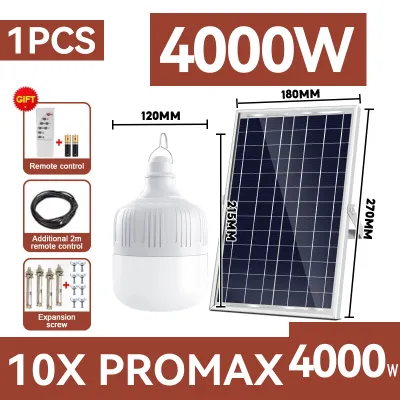
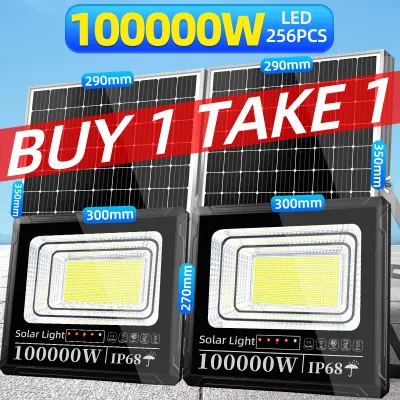
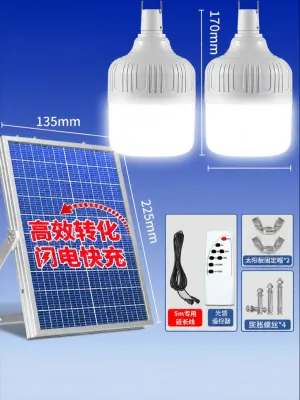
Prices are valid at publication and may change. Please refer to the product page for the latest price.
Finally, look upward to assess potential obstructions. In tropical environments, lush tree canopies, roof eaves, and climbing vines can block direct sunlight. Because solar outdoor lights rely entirely on solar energy, identifying these shaded spots early helps you decide whether to use integrated fixtures or models with detached solar panels that can be positioned in full sun.
Solar Pathway Lights: Low-Glare and Safe Navigation
Pathway lighting must guide pedestrians safely along walkways without causing discomfort. When selecting a solar outdoor light for a path, look for fixtures with downward-facing beams, louvers, or diffused lenses. These design features direct light toward the ground where it is needed, protecting your night vision and preventing blinding glare as you walk.

Fixture height and beam spread are critical factors in establishing a safe walking route. Low-profile stakes that sit too close to the ground may create small, intense pools of light with dark gaps in between. Choosing taller fixtures or those with wider beam angles helps distribute light more evenly, eliminating hazardous dark spots along the path.
Durability is another key consideration for pathway fixtures. Because these lights are installed at ground level, they are highly vulnerable to accidental kicks, curious pets, and landscaping equipment like lawnmowers or grass cutters. Opt for sturdy housing materials, such as heavy-duty ABS plastic or corrosion-resistant metals, and verify that the mounting stakes are robust enough to remain upright in soft soil or during heavy tropical rains.
Solar Garden Lights: Accent and Ambient Illumination
Garden lighting is primarily about aesthetics, transforming your outdoor space into a visually appealing landscape after dark. To highlight specific plants, trees, or architectural features, choose solar spotlights or fixtures with adjustable heads. These allow you to direct the light beam precisely, casting dramatic shadows or illuminating the canopy of a favorite garden tree.
Color temperature plays a significant role in the overall mood of your garden. Warm white light (typically around 2700K to 3000K) creates a cozy, inviting atmosphere that complements natural wood and stone. Cool white light (4000K to 5000K) offers a crisp, modern look that can make green foliage appear more vibrant. Treat these color temperatures as conditional preferences based on your personal style and the existing design of your home.
Do not overlook how the fixtures look during the day. Since garden lights are visible in daylight, select decorative designs and finishes that complement your garden’s overall theme. Whether you prefer minimalist modern cylinders or classic lantern styles, the physical appearance of the light should enhance your landscape even when the LEDs are turned off.
Solar Driveway Lights: High Brightness and Security
Driveways require a completely different approach to lighting, prioritizing high brightness and robust security. To ensure safe vehicle navigation and clear turning clearance, look for solar lights with high lumen output and wide beam angles. These fixtures must provide enough illumination for drivers to see the edges of the driveway, gates, and any potential obstacles.
Because driveways are high-traffic zones exposed to the elements, the fixtures must feature exceptionally robust housing materials. If you choose ground-recessed marker lights, verify that they are rated to withstand the weight of a vehicle. For wall-mounted or post-mounted lights, ensure the mounting brackets are secure enough to resist strong winds and heavy downpours. For any high-mounted installations or fixtures requiring fixed wiring integration, always follow the manufacturer’s installation instructions or consult a qualified professional to ensure safety.
Integrating motion sensors is an excellent way to balance security with energy conservation. Motion-activated solar lights remain dim or off until they detect movement, conserving battery power throughout the night. When a vehicle or pedestrian approaches, the light switches to full brightness, alerting you to activity while providing immediate illumination for anyone arriving home.
Key Specifications to Verify on the Product Label
When shopping for a solar outdoor light on online marketplaces or at local hardware stores, verifying the technical specifications on the product label is crucial. First, check the Ingress Protection (IP) rating to confirm water and dust resistance. For tropical climates with intense rainy seasons, look for an IP65 rating or higher to ensure the fixture can withstand heavy downpours without water leaking into the electrical housing.
Next, review the battery type and capacity, usually stated in milliampere-hours (mAh). Lithium iron phosphate (LiFePO4) and lithium-ion (Li-ion) batteries generally offer better longevity and faster charging cycles than older nickel-metal hydride (NiMH) options. A higher battery capacity ensures the light can run consistently through long nights or consecutive cloudy days.
The type of solar panel also affects charging efficiency. Monocrystalline panels are generally more efficient and perform better in low-light conditions than polycrystalline panels. Additionally, consider the panel’s physical placement; integrated panels are convenient, but fixtures with a separate solar panel connected by a cable allow you to place the light in a shaded area while mounting the panel in direct sunlight.
Finally, verify the stated lumen output rather than relying on misleading wattage equivalents. Lumens measure actual light output, whereas wattage only measures power consumption. For pathways, 100 to 200 lumens is usually sufficient, while driveways and security zones often require 500 lumens or more to be effective. Always check for local electrical certifications, voltage compatibility, and dimming methods if you plan to integrate them with existing home systems.
Placement and Maintenance for Optimal Performance
To get the most out of your solar outdoor light, proper placement is essential. Position the solar panels where they will receive the maximum amount of direct sunlight daily, keeping in mind the sun’s peak trajectory. Avoid placing panels in areas shaded by roofs, walls, or dense tropical foliage, as even partial shading can drastically reduce charging efficiency.
Regular maintenance is also necessary to keep your lights functioning at their best. Dust, pollen, bird droppings, and salt residue can accumulate on the solar panel surface, blocking sunlight and reducing power generation. Wipe the panels clean periodically with a damp, soft cloth, avoiding abrasive cleaners that could scratch the protective surface.
Lastly, plan for eventual battery replacement. Even high-quality rechargeable cells naturally degrade over time, losing their capacity to hold a charge after a few years of continuous daily cycles. Choosing fixtures that allow you to access and replace the internal batteries easily will extend the overall lifespan of your outdoor lighting system.
Frequently Asked Questions (FAQ)
Can solar outdoor lights work during the rainy season?
Yes, solar outdoor lights can still charge during the rainy season, as solar panels can generate electricity from indirect sunlight on overcast days. However, the charging rate will be significantly lower than on sunny days. To ensure reliable performance during extended rainy periods, select fixtures with high-efficiency monocrystalline panels and larger battery capacities that can store enough power to last through multiple cloudy nights.
How far apart should I space solar pathway lights?
The ideal spacing for solar pathway lights depends on the fixture’s lumen output and beam spread. Generally, spacing lights about 1.5 to 2.5 meters apart provides continuous illumination without creating dark gaps or overlapping glare. It is best to check the manufacturer’s recommendations or temporarily place a few fixtures along your path at night to test the light distribution before securing them permanently.
Do I need to turn off solar lights during the day?
No, you do not need to turn off solar lights during the day. Most modern solar outdoor lights are equipped with built-in photocells or light sensors that automatically detect ambient light levels. They turn off and enter charging mode at dawn, then automatically switch on at dusk. Manual switches are typically only used for the initial charge cycle, long-term storage, or when you want to keep the lights off during an outdoor event.
Community discussion
Share your experience or ask a question. Comments are reviewed before publication.