
The parol is the ultimate symbol of the Filipino Christmas, representing the Star of Bethlehem and bringing a warm, hopeful glow to neighborhoods across the Philippines. As soon as the “Ber” months arrive in September, homes and streets transform into festive landmarks, kicking off one of the longest holiday seasons in the world. Decorating early means outdoor ornaments must endure months of exposure to tropical weather, which can lead to high electricity bills when using traditional plug-in lights. Choosing solar parol lights outdoor addresses this challenge by combining a cherished cultural tradition with modern, energy-efficient technology. By harvesting solar energy during the day, these festive lanterns illuminate your home at night without adding to your monthly power bill or requiring complex, hazardous outdoor wiring. Finding the perfect outdoor solar parol requires balancing aesthetic design with practical considerations like size, material durability, and solar panel placement to ensure a bright and safe display throughout the entire holiday season.
Matching Parol Sizes to Your Property Type and Display Goals
Achieving a visually striking outdoor Christmas display relies heavily on selecting the correct scale for your ornaments. A parol that is too small will get lost when viewed from the street, while an oversized lantern can overwhelm a compact facade or strain delicate mounting points. To find the right balance, start by measuring the physical dimensions of your planned installation area, such as the width of your porch, the height of your front gate, or the clearance of your window frames. Consider the primary viewing distance of your display, as a parol meant to be admired by passersby from across a wide street requires a significantly larger footprint than one designed for visitors approaching your front door.
When assessing your outdoor space, also take note of the surrounding architectural features and existing lighting. A balanced display guides the eye naturally, using the parol as a central focal point supported by secondary accent lights. If your property features high eaves or an expansive front lawn, you have the physical and visual headroom to support multiple or larger lanterns. For townhouse facades or terraced properties, a series of identical, mid-sized parols can create a harmonious, rhythmic look without cluttering the limited wall space. Always prioritize structural safety and visual proportion over sheer size, ensuring your chosen decorations enhance rather than crowd your home’s exterior.
Products mentioned in this guide
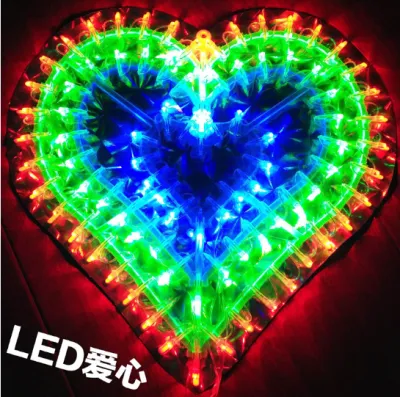
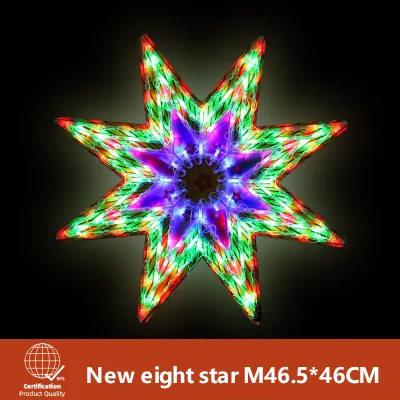
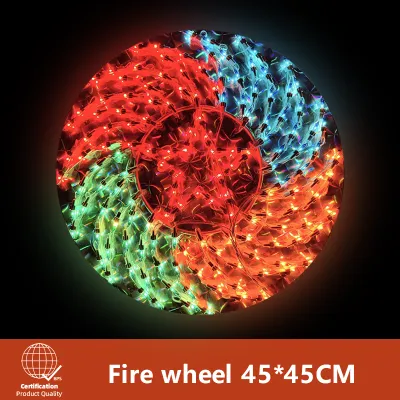
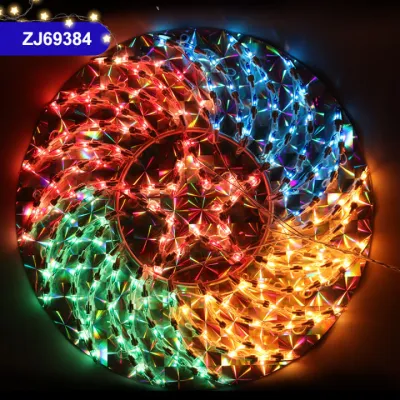
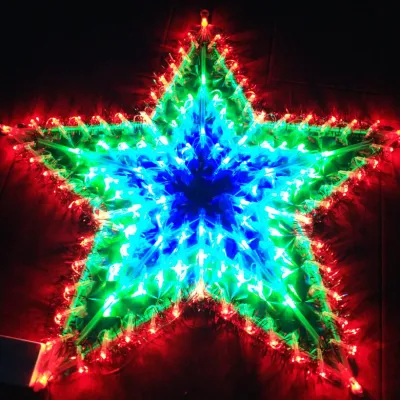
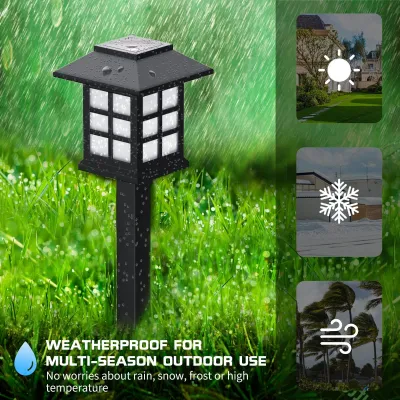
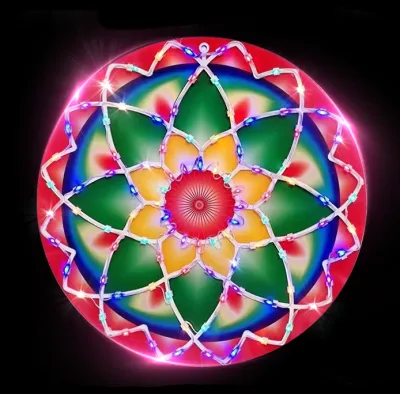
Prices are valid at publication and may change. Please refer to the product page for the latest price.
Compact Designs for Balconies, Windows, and Porches
For apartments, condominiums, and homes with cozy outdoor areas, compact solar parols ranging from 30 to 50 centimeters in diameter offer an ideal fit. These smaller dimensions allow the lantern to hang neatly against balcony railings, within window frames, or under narrow porch ceilings without obstructing walkways or blocking natural light during the day. Because they have a smaller surface area, compact parols are also less susceptible to being caught by sudden gusts of wind, making them a safer choice for high-rise balconies.
When mounting smaller parols in limited spaces, look for non-invasive hanging options that secure the fixture without damaging your property’s structure. Heavy-duty, weather-resistant suction cups are excellent for window installations, while adjustable zip ties or padded S-hooks work well for securing the frame to balcony railings. Always check the manufacturer’s weight limits for any mounting accessories you use, and ensure the surface is clean and dry before application. If you are renting or cannot drill into exterior walls, these lightweight, compact designs provide a festive look that is easy to install, adjust, and remove when the season ends.
Statement Sizes for Gardens, Gates, and House Facades
If you want to make a bold festive statement visible from down the street, larger solar parols measuring 80 to 120 centimeters or more are the ideal choice. These grand fixtures serve as spectacular centerpieces when hung from mature garden trees, positioned directly above front gates, or mounted high on the main house facade. Their larger surface area allows for intricate patterns, multiple layers of pointed stars, and complex LED arrangements that capture the classic, majestic look of traditional Filipino Christmas displays.
However, installing a statement-sized parol requires careful structural and safety planning due to its increased weight and wind resistance. Before hanging a large model, verify the structural integrity of your mounting point, ensuring that tree branches, roof eaves, or wall brackets can safely support the load under wet and windy conditions. Use heavy-duty, rust-resistant hardware such as stainless steel carabiners, coated steel cables, or high-tensile nylon ropes to secure the frame. For installations at height or near electrical entry points, always isolate the power if working near existing wiring, follow the manufacturer’s installation guidelines, and consult a qualified professional to prevent accidents or structural damage.
Selecting Durable Solar Parol Lights Outdoor for Tropical Weather
The tropical climate of the Philippines presents unique challenges for outdoor holiday decorations, as displays must withstand intense UV exposure, high humidity, sudden torrential rains, and strong winds. Traditional parols crafted from delicate materials like paper, cellophane, or untreated bamboo are highly vulnerable to moisture and sun damage, often tearing or molding within a few weeks of outdoor exposure. To ensure your display lasts through the “Ber” months and into the New Year, prioritize modern, weather-resistant materials designed specifically for outdoor use.

Look for solar parols constructed from UV-stabilized plastics, rust-resistant treated metals, or synthetic rattan. These materials maintain their structural integrity and color vibrancy despite daily exposure to harsh sunlight and heavy downpours. Many modern designs successfully mimic the elegant, translucent look of traditional Capiz shells by utilizing durable, lightweight acrylic resins. These resin-based alternatives offer the classic, pearlescent glow of natural shells while providing superior impact resistance and weatherproofing, ensuring your parol remains beautiful season after season.
When purchasing solar parol lights outdoor, do not rely solely on the product category name to assume safety. Always verify the battery capacity, physical dimensions, installation environment compatibility, and proper electrical certifications to ensure the product meets local safety standards. Check the product’s Ingress Protection (IP) rating to verify its level of water and dust resistance. For covered outdoor spaces like deep porches or protected balconies, a minimum rating of IP44 is generally sufficient to protect against splashing water. However, if the parol or its solar panel will be fully exposed to direct rain, wind-driven moisture, and heavy downpours in an open garden or on a gate, look for a rating of IP65 or higher to prevent short circuits and premature product failure.
Selecting Brightness and Light Modes for the Right Ambiance
The lighting configuration of your solar parol plays a critical role in establishing the mood of your outdoor holiday display. Color temperature is a key design choice: warm white LEDs (typically around 2700K to 3000K) deliver a classic, cozy, and elegant ambiance that highlights the intricate geometry of the parol with a soft, traditional glow. Conversely, multicolored LED configurations offer a vibrant, playful, and highly festive energy, making your display stand out with dynamic contrast and eye-catching appeal. Treat these decorative styles and perceived color temperatures as conditional preferences, selecting the color profile that best complements your home’s existing exterior paint and landscaping.
To ensure your parol is clearly visible, assess the ambient light levels of your surrounding environment before finalizing your purchase. If your property is located near bright streetlights or active commercial areas, you will need a parol with a higher lumen output or a denser configuration of LED nodes to cut through the competing light pollution. For quieter, darker residential streets or intimate patio settings, a softer, lower-lumen glow is often more appropriate, preventing harsh glare while creating a welcoming atmosphere.
Modern solar parols often feature multiple lighting modes, such as steady-on, slow fading, sequential chasing, or flashing patterns. While dynamic modes add excitement, adjusting these settings on a parol hung high on an eave or gate can be challenging and dangerous. When shopping, check if the solar unit includes an accessible, ground-level mode switch, a remote control, or an automatic memory function that saves your preferred lighting sequence every time the unit powers on at dusk. This convenient feature eliminates the need to climb ladders daily to reset your favorite display mode.
Solar Panel Placement and Safe Outdoor Installation
The performance and runtime of your solar parol depend entirely on the efficiency of its solar panel, which requires direct, unobstructed sunlight to charge the internal battery. Before mounting your parol, spend a day observing how sunlight moves across your property, noting any shadows cast by roof overhangs, tall trees, or neighboring structures. Placing a solar panel in a shaded spot, even for a few hours during peak daylight, will drastically reduce the battery’s charge, resulting in a dim display that turns off prematurely during the night.
Because the ideal location for displaying your parol (such as a shaded porch or under a roof eave) rarely aligns with the spot that receives the most direct sunlight, look for solar parol models that feature a detached solar panel connected by an extended, weatherproof cable. This design trade-off allows you to hang the decorative parol in your preferred, sheltered location while mounting the solar charging panel high on a roofline, fence, or garden stake where it can receive maximum solar exposure. Ensure that any connecting cables are neatly routed and secured along walls or structures using outdoor-rated cable clips to prevent tripping hazards or damage from wind-induced friction.
Safety must remain your top priority during the physical installation process. When working at heights to mount your parol or secure cables, use a stable ladder, wear appropriate footwear, and have a second person spot you. Ensure that all hanging hooks, carabiners, and safety chains are securely anchored to solid structural elements rather than loose trim or plastic gutters. In the Philippines, the holiday season can still bring sudden tropical storms or strong monsoon winds; always follow the manufacturer’s care instructions regarding extreme weather. If a typhoon or severe weather warning is issued, safely dismantle the parol and bring both the lantern and the solar battery compartment indoors to protect your investment and prevent the fixture from becoming a hazardous flying object.
Frequently Asked Questions (FAQ)
How many hours of sunlight does a solar parol need?
Most outdoor solar parols require approximately 6 to 8 hours of direct, unobstructed sunlight daily to fully charge their internal batteries and achieve their maximum nighttime runtime, which typically ranges from 6 to 10 hours. It is important to note that cloudy, overcast, or rainy days, which are common during the transition of seasons in the tropical climate, will significantly reduce charging efficiency. During these periods, the parol may turn on later, appear noticeably dimmer, or run out of power much earlier in the evening than it would after a bright, sunny day.
What IP rating should I look for in outdoor solar parols?
For outdoor installations, the Ingress Protection (IP) rating is the standard metric used to verify water and dust resistance. If you plan to hang your solar parol in a semi-protected area, such as a covered porch, balcony, or deep eave, a minimum rating of IP44 is recommended to protect against light splashes and humidity. However, for fully exposed locations like open gardens, gates, or exterior walls where the fixture will face direct rainfall and heavy tropical storms, you should look for a minimum rating of IP65 for both the parol body and its solar panel to ensure long-term safety and performance.
Community discussion
Share your experience or ask a question. Comments are reviewed before publication.