
Transforming your garden into an inviting outdoor retreat in the Philippines requires lighting that can withstand intense tropical heat, heavy monsoon rains, and high humidity. The best solar string lights for your outdoor space are those that balance robust weatherproofing with high-efficiency solar panels and reliable battery storage. Because these systems rely entirely on the sun, selecting the right set involves looking beyond aesthetics to evaluate technical specifications like IP ratings, battery capacities, and panel types. By matching these features to your garden’s layout, you can create a beautiful, self-sustaining lighting display that illuminates your evenings without adding to your monthly electricity bill.
Assessing Your Garden's Layout and Lighting Goals
Before browsing online marketplaces or visiting local home improvement centers, map out your garden’s physical layout. Start by measuring the linear footage or meters of the areas you plan to decorate. If you intend to wrap lights around tree trunks, drape them along fences, or weave them through a pergola canopy, use a flexible measuring tape or a piece of string to get an accurate estimate of the length required. Purchasing a string that is too short will leave your design looking incomplete, while an excessively long string can result in cluttered, overlapping wires that are difficult to secure safely.
Next, define the primary purpose of your garden lighting. Are you looking to establish a soft, ambient mood for evening relaxation, or do you need functional illumination to guide guests safely along pathways and steps? Ambient lighting typically requires lower brightness levels and can be achieved with delicate fairy lights or spaced-out globe bulbs. Functional lighting, on the other hand, demands higher visibility and more strategic placement to ensure that potential trip hazards are clearly illuminated.
Products mentioned in this guide
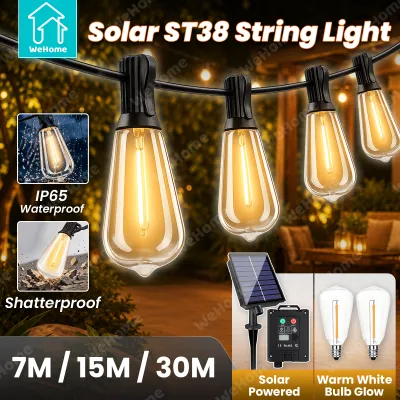
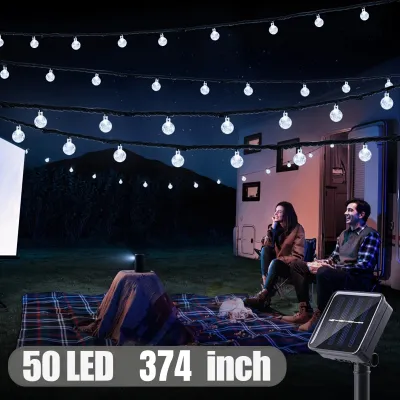
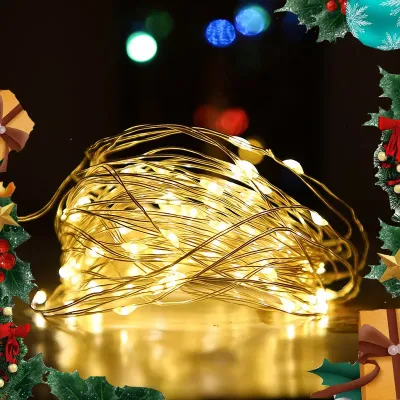
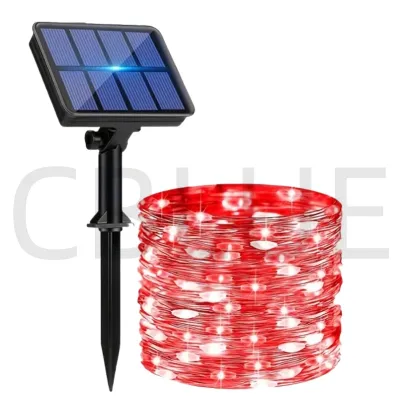
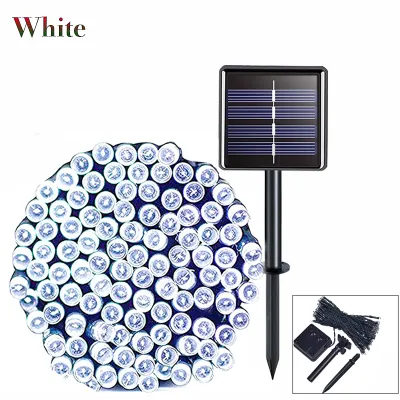
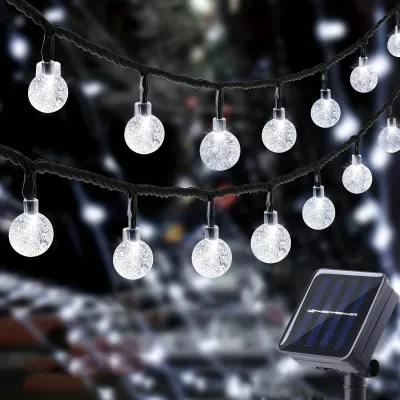
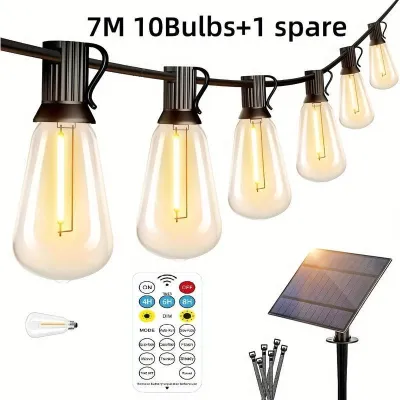
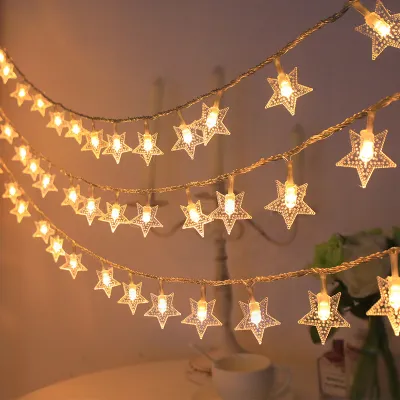
Prices are valid at publication and may change. Please refer to the product page for the latest price.
Finally, evaluate the sunlight exposure of your planned installation areas. Solar string lights rely on a small solar panel that must receive direct sunlight to charge the internal battery. Observe your garden throughout the day to identify spots that are shaded by roof overhangs, tall walls, or dense tree canopies. The solar panel itself does not need to be placed directly next to the bulbs; most high-quality string lights provide a generous lead cable between the panel and the first bulb, allowing you to position the panel in a sunny spot while keeping the lights in the shade.
Core Specifications to Check Before Buying
When evaluating different solar string lights, understanding technical specifications is key to choosing a durable and effective product. Begin by checking the lumens and color temperature listed on the product packaging. Lumens indicate the brightness of the lights; a lower lumen rating (around 5 to 15 lumens per bulb) is ideal for a subtle, warm glow, while higher ratings are better for task-oriented spaces. Color temperature is a matter of personal preference: warm white (typically 2700K to 3000K) offers a cozy, traditional feel, whereas cool white (5000K to 6500K) provides a modern, crisp light that enhances visibility.

The battery type and capacity are critical factors that determine how long your lights will stay illuminated after the sun goes down. Look for systems equipped with Lithium-ion (Li-ion) or Nickel-Metal Hydride (NiMH) batteries, which are known for their durability and ability to handle repeated charge cycles. Check the battery capacity, measured in milliampere-hours (mAh). A higher mAh rating indicates a larger energy storage capacity, which is essential for keeping the lights running through long tropical nights or during consecutive overcast days.
Given the intense weather conditions in the Philippines, verifying the Ingress Protection (IP) rating is non-negotiable. The IP rating consists of two numbers: the first indicates protection against solid objects like dust, and the second indicates water resistance. For outdoor garden use, look for a minimum rating of IP44, which protects against splashing water from any direction. However, for long-term exposure to heavy monsoon rains and tropical storms, choosing lights with an IP65 or IP67 rating provides superior protection against water penetration and dust ingress.
Additionally, pay close attention to the solar panel type and its charging efficiency. Monocrystalline solar panels are generally more efficient and perform better in low-light or cloudy conditions than polycrystalline panels, making them highly suitable for the local climate. Ensure you verify the voltage, base or interface type, wattage limits, and electrical certifications (such as CE, RoHS, or local quality marks) on the manufacturer’s specification sheet to guarantee the system is safe, compatible, and built to last.
Matching Bulb Styles to Outdoor Decor Themes
The physical design of your solar string lights plays a major role in shaping your garden’s overall aesthetic. Fairy lights, which feature tiny LED bulbs embedded along thin, flexible copper or silver wires, are incredibly versatile. Their lightweight design makes them perfect for wrapping tightly around tree trunks, weaving through dense shrubs, or draping over delicate garden trellises. Because the wires are nearly invisible in the dark, fairy lights create a magical, floating-sparkle effect that enhances romantic or whimsical garden themes.
For outdoor dining areas, patios, and gazebos, Edison-style or classic globe bulbs (such as G40 or S14 shapes) are an excellent choice. These larger bulbs provide a more structured, architectural look that complements rustic, industrial, or modern bistro decors. When selecting these styles, opt for shatterproof plastic bulbs rather than traditional glass. Plastic bulbs are much more resilient against strong winds that might cause them to knock against walls, posts, or neighboring bulbs, reducing the risk of broken shards in your garden.
If you want to add a playful or thematic touch to your outdoor space, consider novelty shapes. Solar string lights are available in various designs, including miniature lanterns, delicate leaves, stars, or water droplets. These styles work beautifully as accent lighting for specific garden features, festive holiday setups, or themed outdoor gatherings. Keep in mind that highly stylized novelty shapes are best used as decorative accents rather than primary light sources, as their unique covers can sometimes reduce the overall light output.
Installation, Safety, and Maintenance Boundaries
Proper installation is vital to ensure both the safety of your household and the longevity of your solar string lights. When hanging your lights, use secure, non-destructive mounting methods. Avoid using metal nails or staples directly on the wires, as these can easily pinch or cut through the protective insulation, leading to short circuits or water entry. Instead, opt for insulated cable ties, plastic cup hooks, or dedicated outdoor mounting clips. If you are hanging lights across wide spans, consider running a support guide wire (tension wire) first and clipping the string lights to it to prevent sagging and wind damage.
Positioning the solar panel correctly is just as important as hanging the bulbs. Ensure the panel is mounted in a location where it will not be shaded by growing plants, expanding tree branches, or roof overhangs over time. Most solar panels come with an adjustable ground stake or a wall-mount bracket; adjust the angle of the panel so that it faces directly toward the sun’s path to maximize solar energy absorption throughout the day.
Routine maintenance will significantly extend the lifespan of your outdoor lighting system. Dust, pollen, bird droppings, and salt residue can accumulate on the surface of the solar panel, blocking sunlight and reducing charging efficiency. Wipe the panel clean periodically using a soft, damp microfiber cloth without harsh chemical cleaners. Additionally, perform regular visual inspections of the entire string, checking for signs of wire degradation, pest damage, or exposed copper contacts.
Always respect safety boundaries when planning your installation. If your project involves working at significant heights, securing heavy suspended loads, or integrating the system with fixed household electrical wiring, stop and consult a qualified professional. Ensure that any power sources are fully isolated before attempting installation or maintenance, and always follow the manufacturer’s specific instructions regarding maximum wattage limits and environmental exposure.
Building Your Shortlist and Verifying Purchases
With numerous options available on online marketplaces and in local retail stores, building a reliable shortlist requires careful verification. Start by cross-referencing online product titles and descriptions with the official manufacturer specification labels. Sellers on ecommerce platforms sometimes use generic terms like “waterproof” or “heavy-duty” without providing the actual IP ratings or battery capacities. Always look for the detailed technical specifications in the product images or description fields to verify these claims.
Next, review the return policies and warranty terms offered by the seller or manufacturer. Outdoor electronics are constantly exposed to harsh environmental elements, making a solid warranty particularly valuable. A reputable seller should offer a clear return window and a warranty period that protects you against manufacturing defects or premature battery failure.
User reviews can provide invaluable insights into how a specific set of solar string lights performs in real-world conditions. Look for reviews from buyers in the Philippines who have tested the lights over several months, especially during the rainy season. Pay close attention to comments regarding long-term battery degradation, water leakage, and how well the solar panel charges on overcast days.
Finally, compare the total costs of your shortlisted options, keeping in mind that the cheapest option may not always be the most cost-effective in the long run. Factor in any potential shipping fees in ₱ and compare them against your allocated budget. Investing slightly more upfront in a high-quality set with a robust IP rating and a durable battery will often save you money and effort by eliminating the need for frequent replacements.
Frequently Asked Questions (FAQ)
Can solar string lights work during the rainy season?
Yes, solar string lights can still function during the rainy season, but their performance will depend heavily on the efficiency of the solar panel and the capacity of the battery. During overcast or rainy days, the solar panel receives less direct sunlight, which reduces the amount of energy stored in the battery. To ensure reliable performance during the wet season, look for systems equipped with highly efficient monocrystalline solar panels, which are better at capturing ambient light. Additionally, choosing a system with a larger battery capacity (higher mAh) allows the lights to store enough energy on sunny days to power through subsequent cloudy nights.
How do I store solar string lights when not in use?
If you need to take down your solar string lights for storage, proper care is essential to prevent wire damage and preserve battery health. Start by carefully untangling the strings and coiling them loosely around a cardboard tube or a dedicated cord reel to avoid sharp bends or kinks in the wires. Store the lights in a cool, dry indoor location away from extreme temperatures and moisture. To protect the rechargeable battery, ensure it is fully charged before storage, and if you plan to store the lights for several months, consider removing the battery if the compartment is accessible, or periodically bringing the panel out to charge to prevent deep discharge damage.
Community discussion
Share your experience or ask a question. Comments are reviewed before publication.